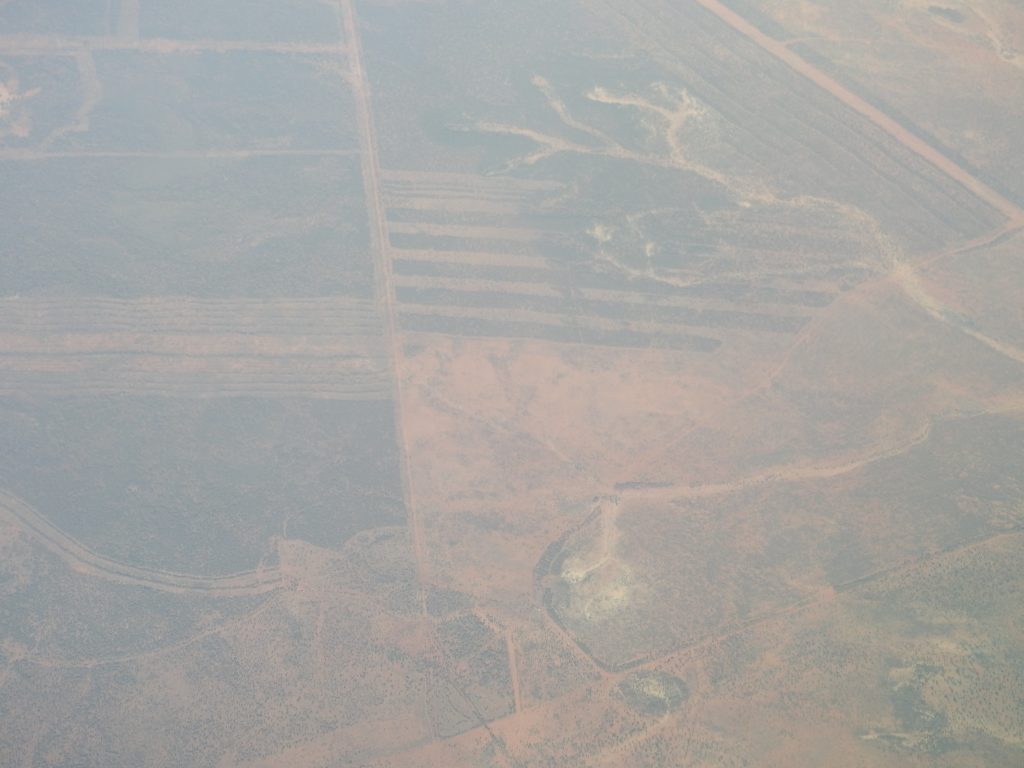
The red earth is colored by iron oxides, much like rust. It is especially conspicuous in parts of inland New South Wales and Queensland.
The extensive farmland may have included grazing land, wheat-growing areas, and other agricultural fields farther south.
Closer to Cairns, you may have seen sugar-cane plantations, which are common in tropical coastal Queensland.
One thing worth noting: a plane flying north from Sydney toward Cairns generally follows Australia’s eastern side, where the landscape changes from temperate farmland to warmer, tropical agricultural country
Friday, September 18, 2026
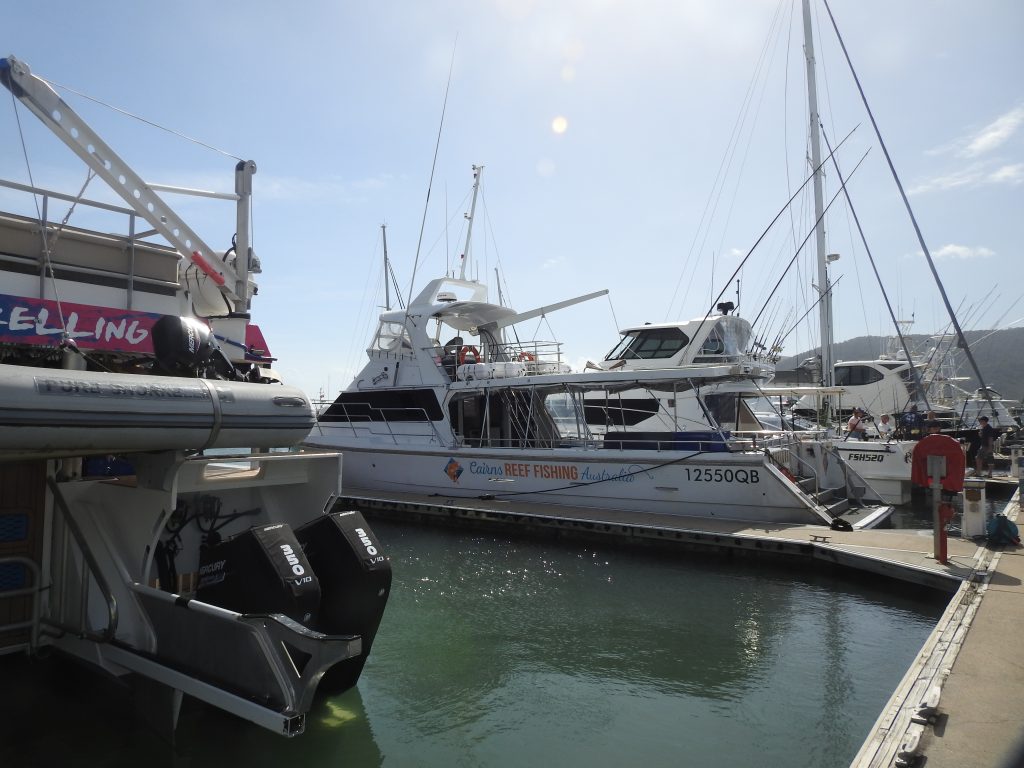
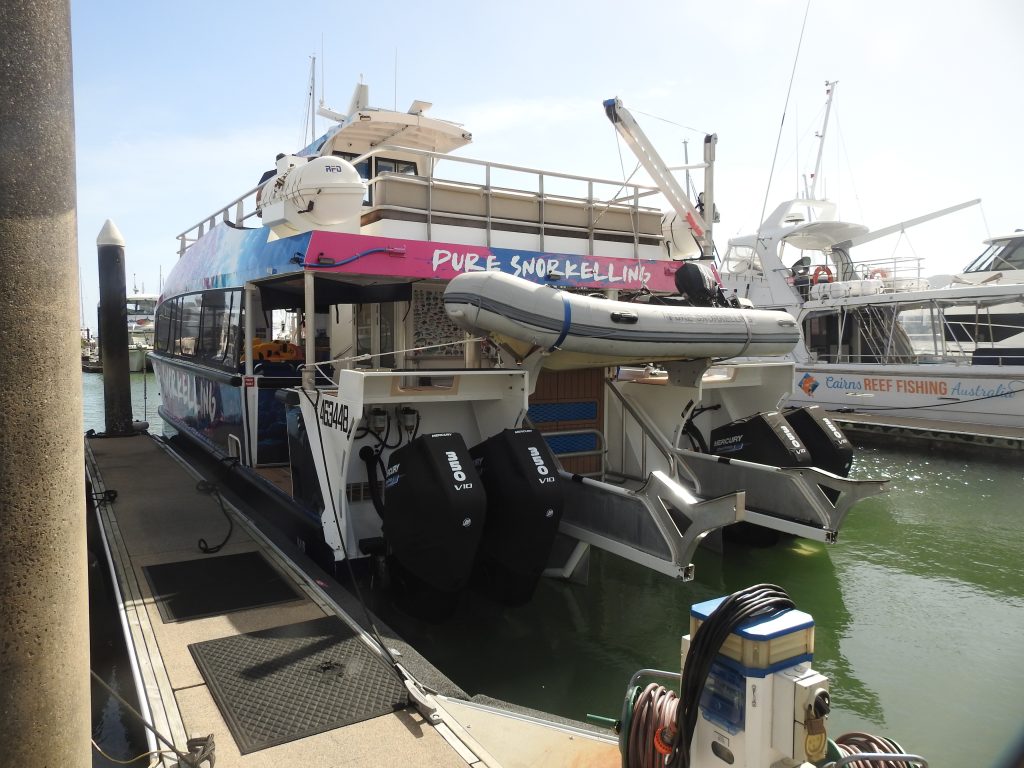
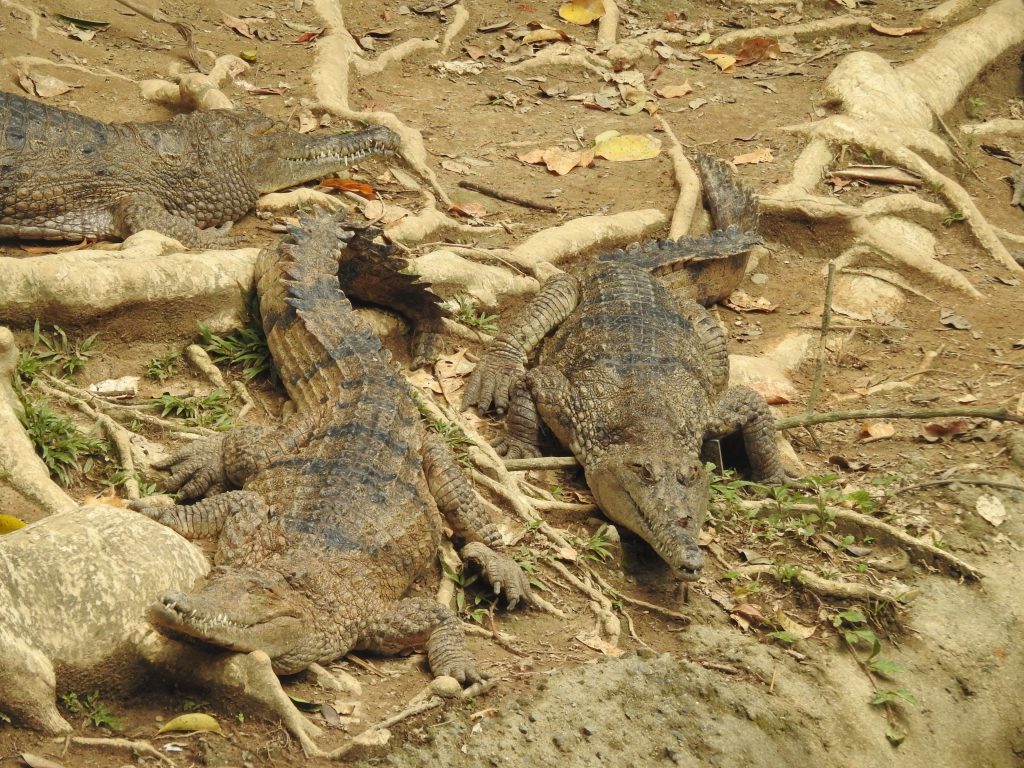
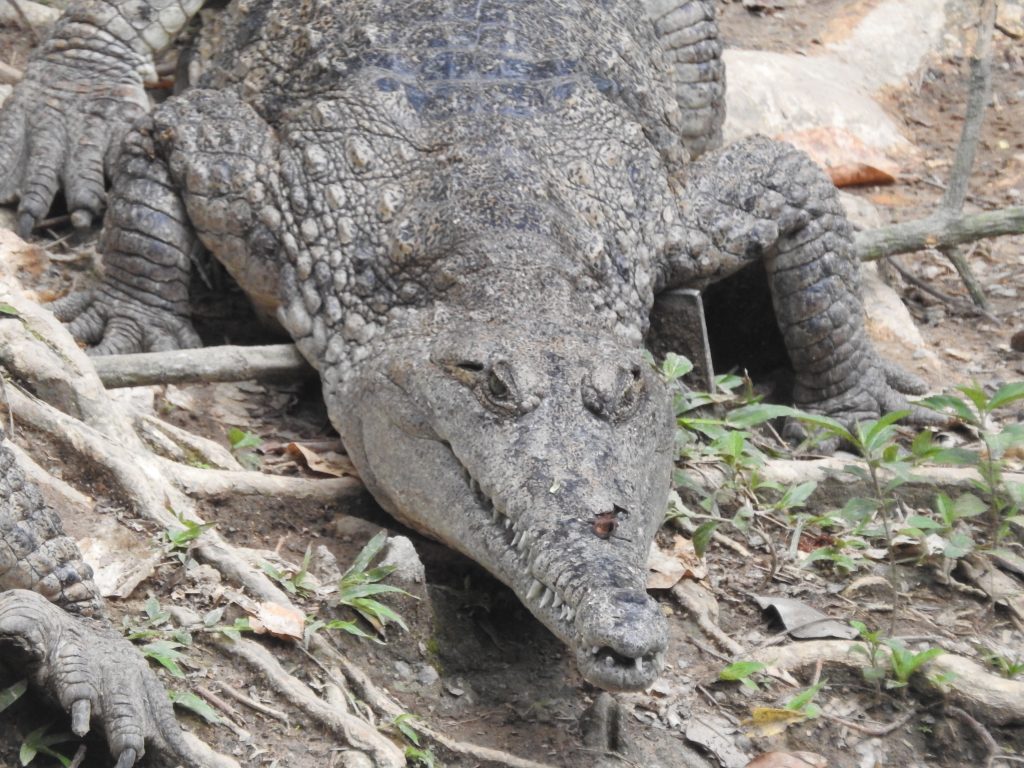
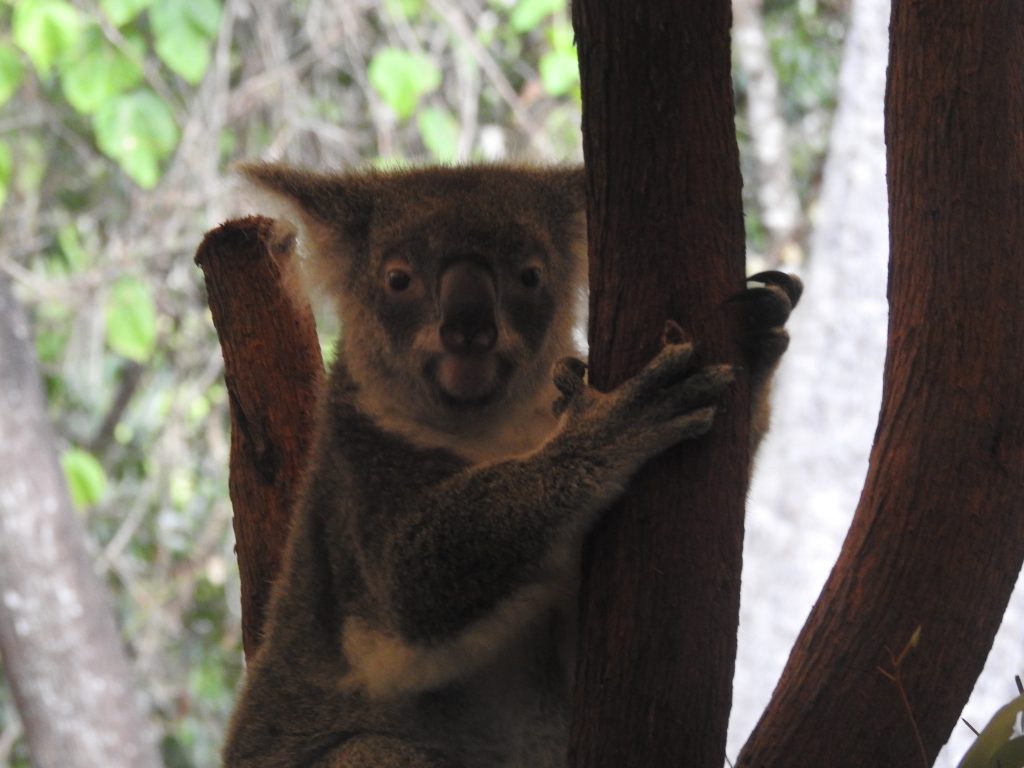
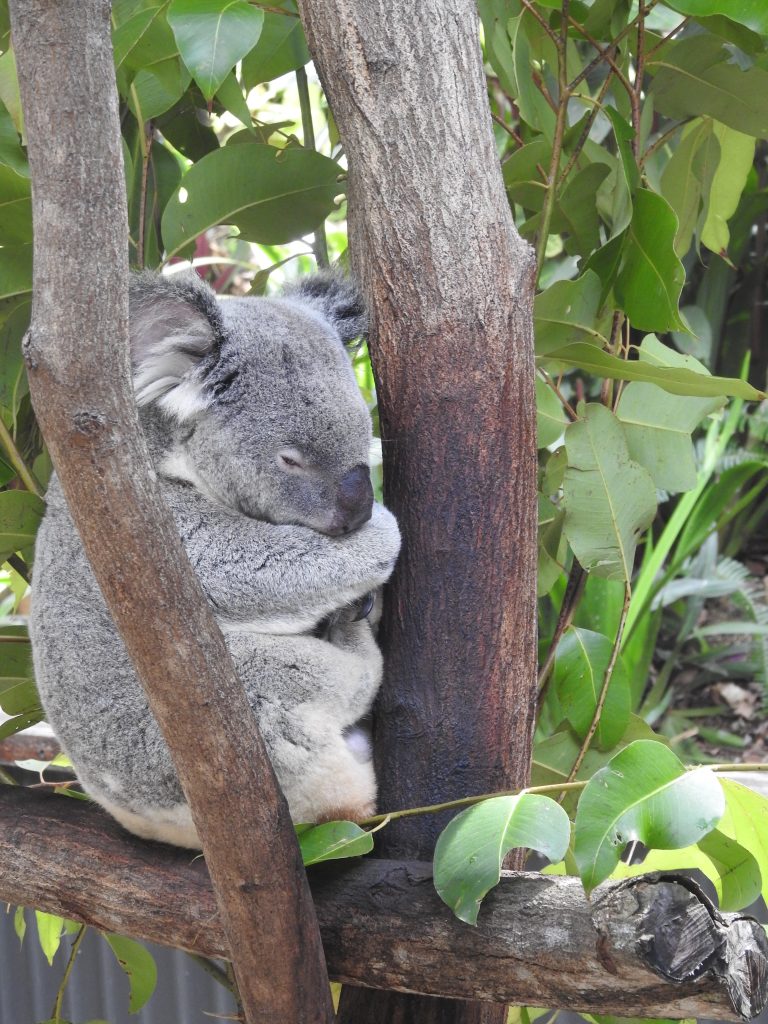
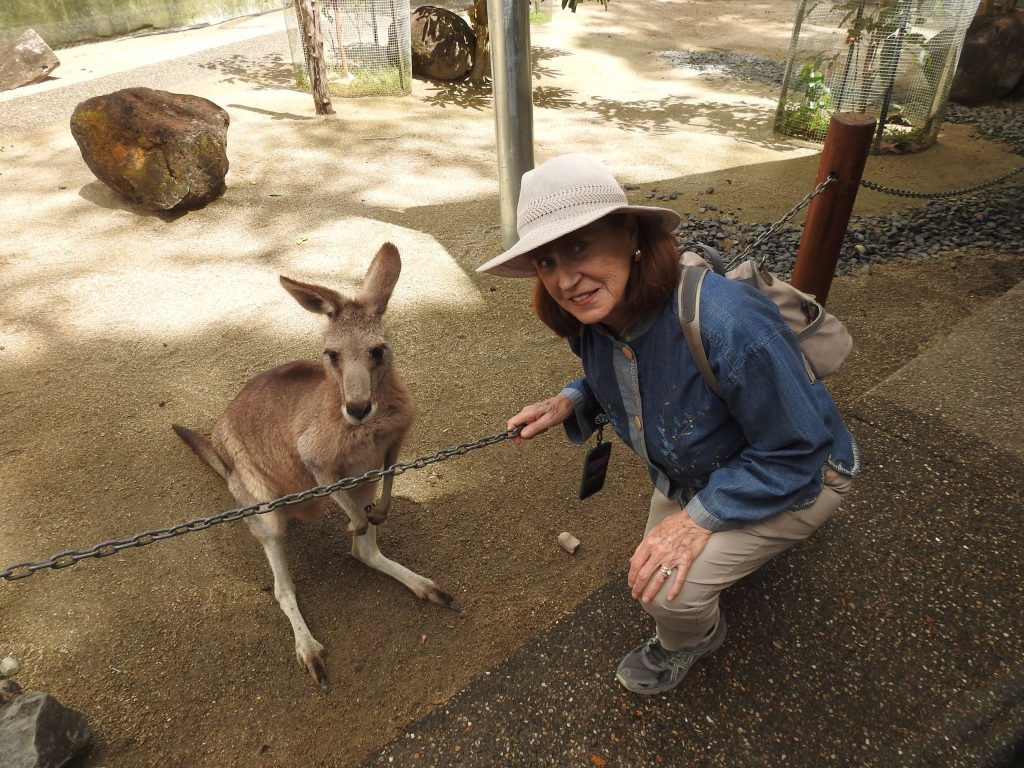
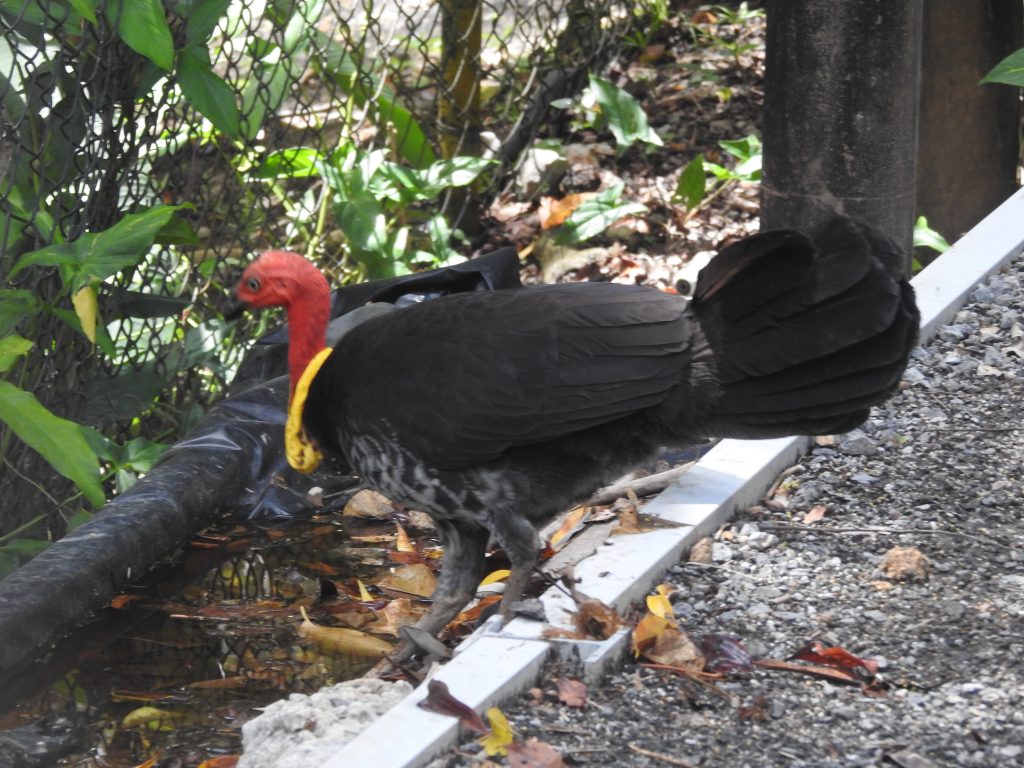
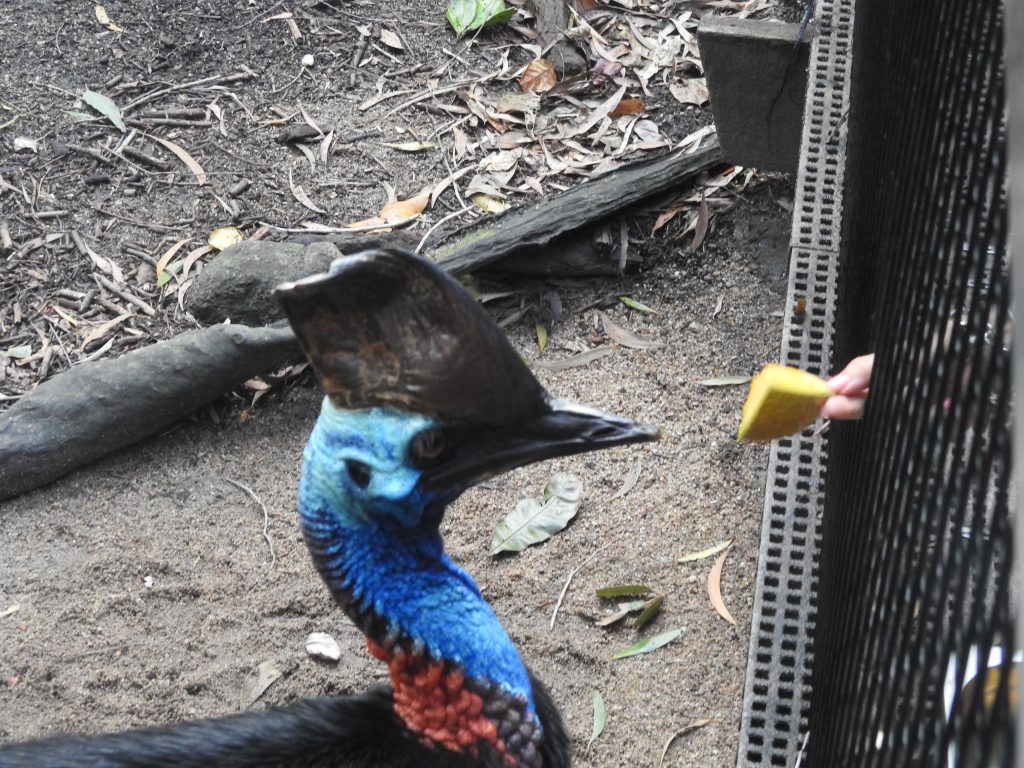
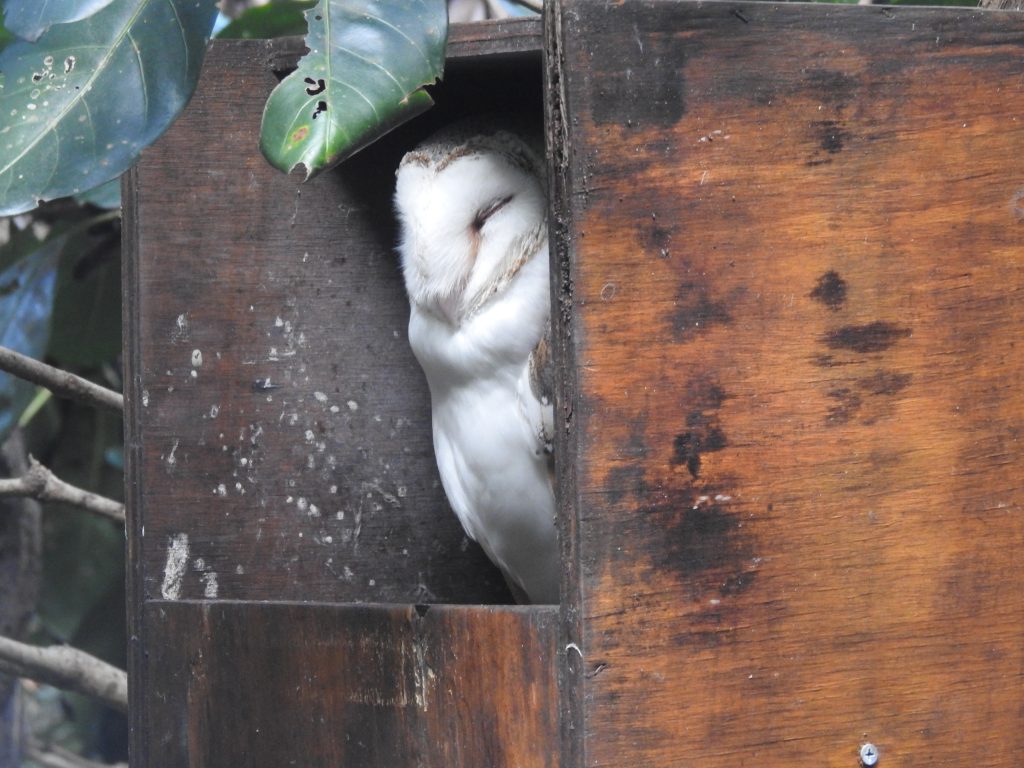
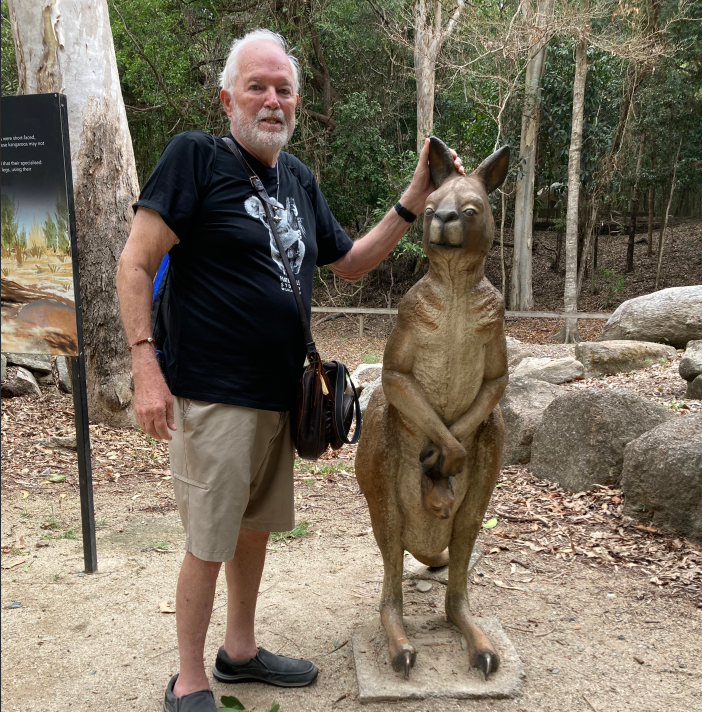
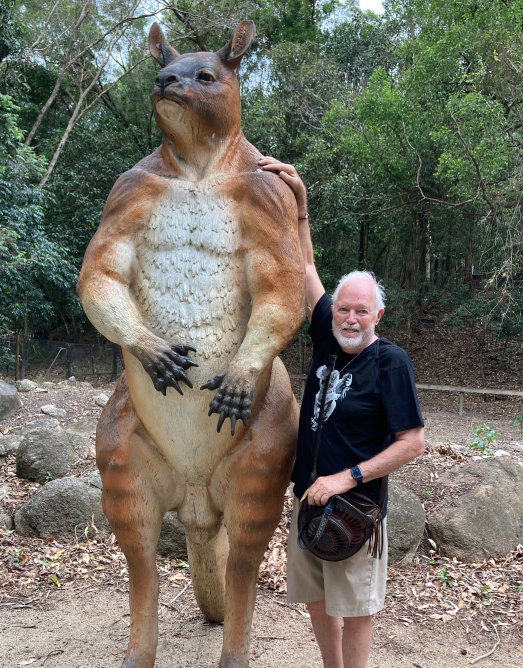
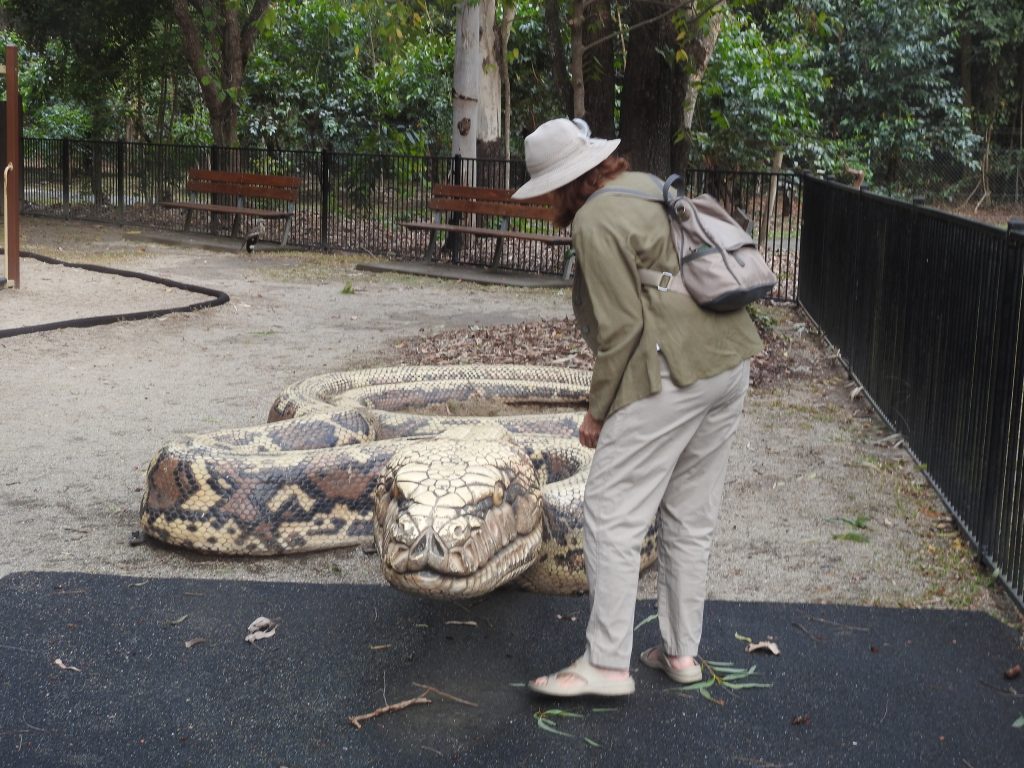
We went to Hartley’s Crocodile Farm and saw koalas and kangaroos and crocodiles. We had planned to snorkel on the Great Barrier Reef but it was too windy.
It was fun seeing all the wild animals. They roamed free. It started to rain and five kangaroos hopped really fast to a roofed area that I think was made for them. We got to pet the koala again. We watched a man play with a crocodile- his pet he said. But he never came nearer than three feet of it.
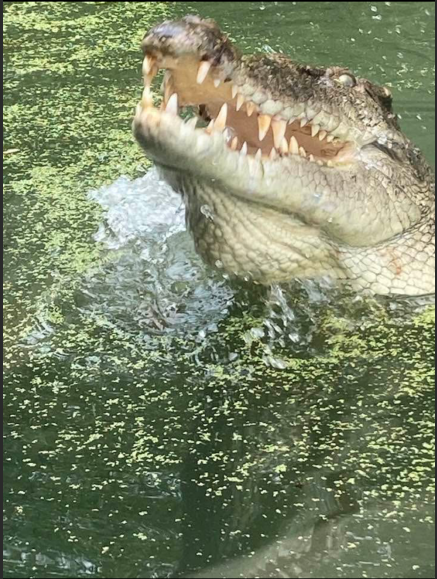
- A guided boat tour on the natural melaleuca wetland lagoon featuring live pole-feeding demonstrations with large saltwater crocodiles.
- Commercial Crocodile Farm Tour: Educational tour showing sustainable crocodilian farming and conservation practices.
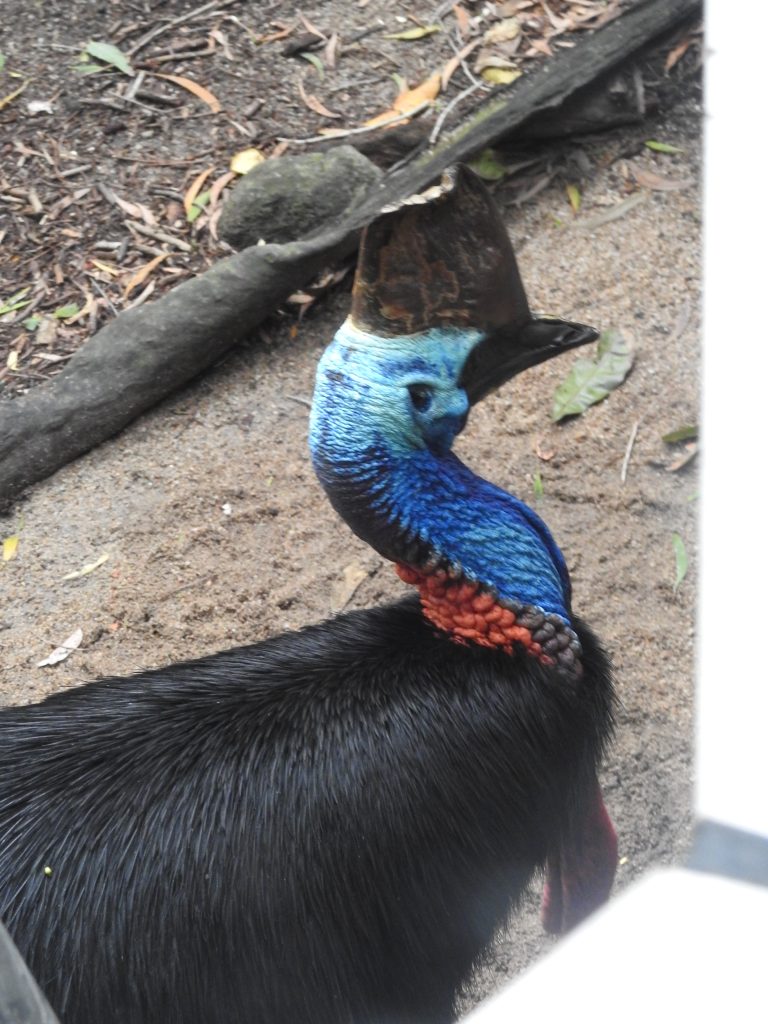
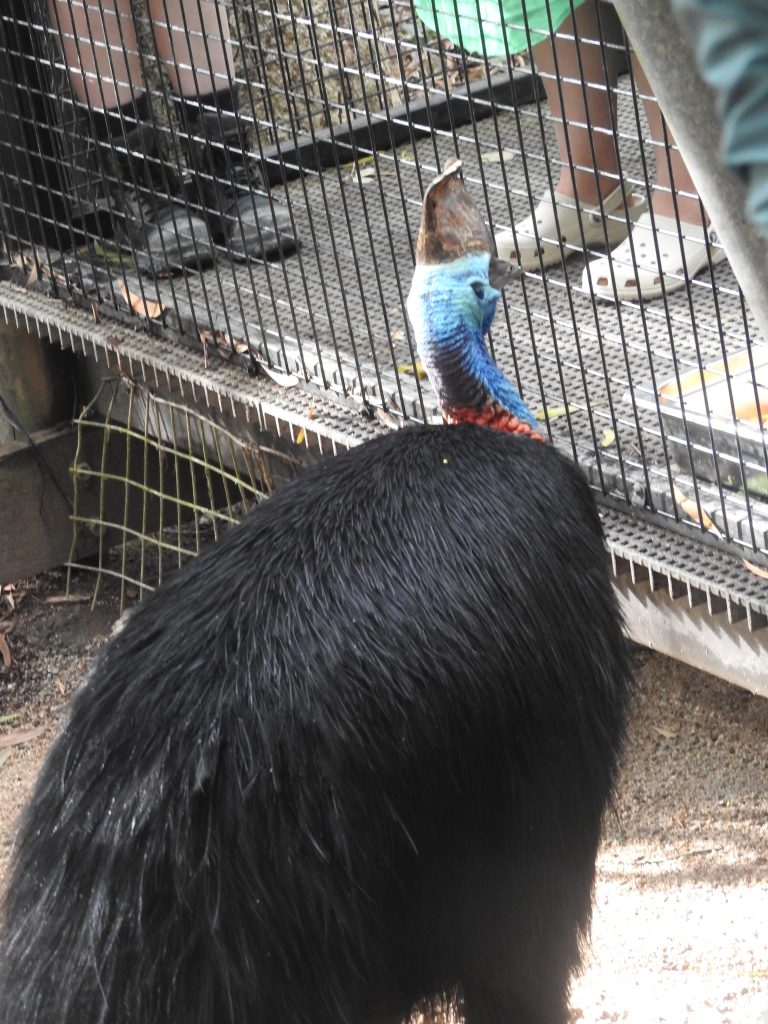
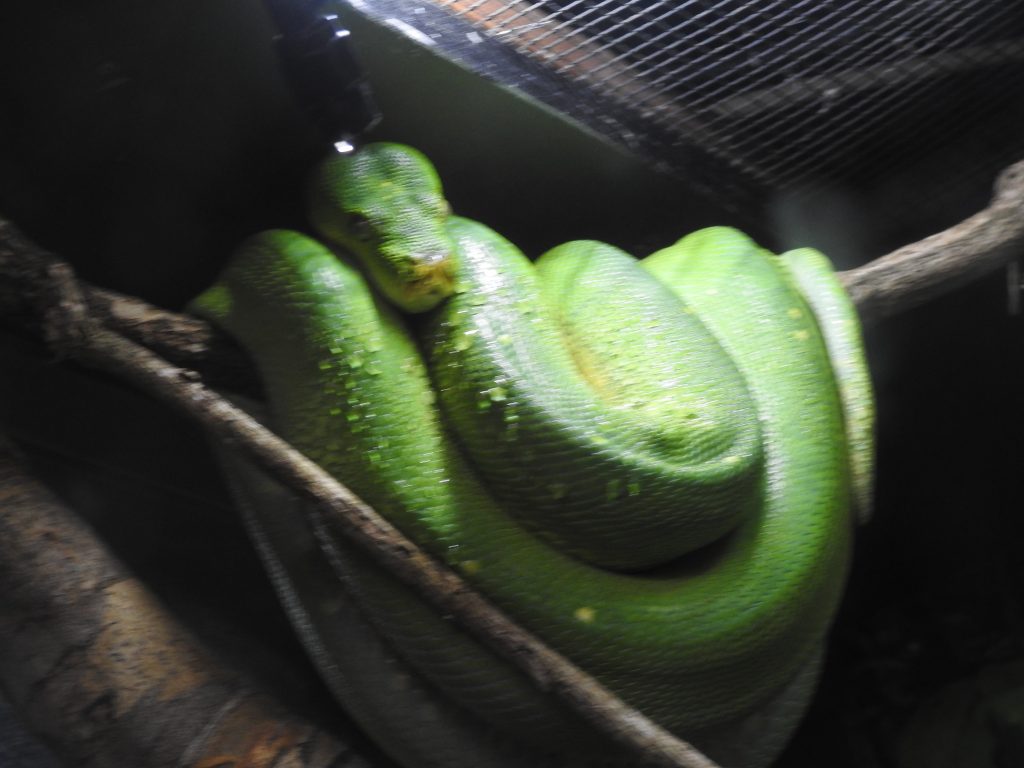
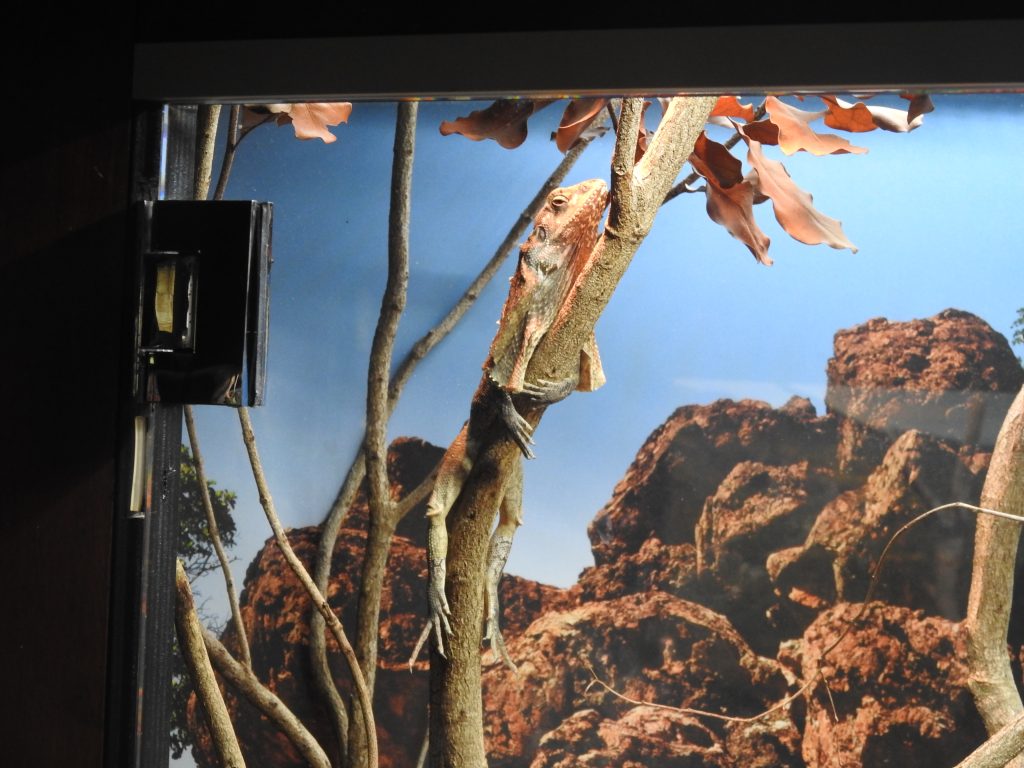
- Wildlife Discovery Trails: Over 2,100 meters of elevated timber boardwalks winding through five distinct habitat zones to view koalas, kangaroos, wallabies, wombats, cassowaries, and reptiles.
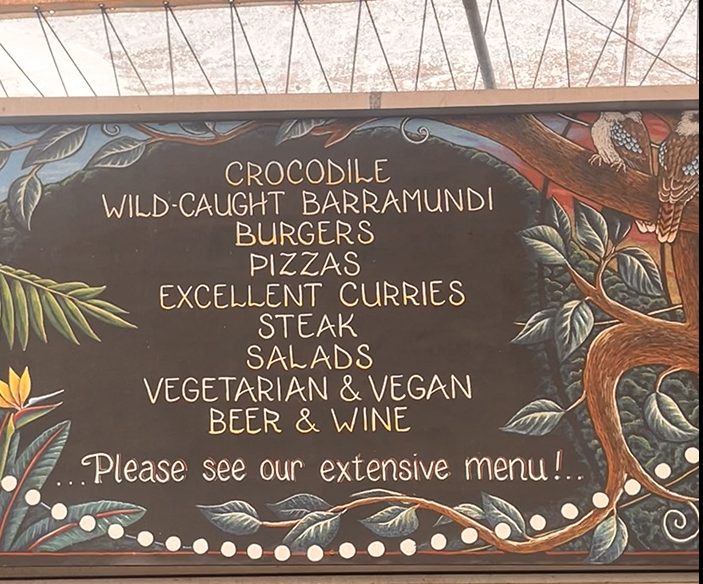
- Lilies Restaurant & Cafe: On-site dining overlooking the lagoon, offering standard meals, snacks, coffee, and specialty crocodile dishes. [1, 2, 3, 4, 5]
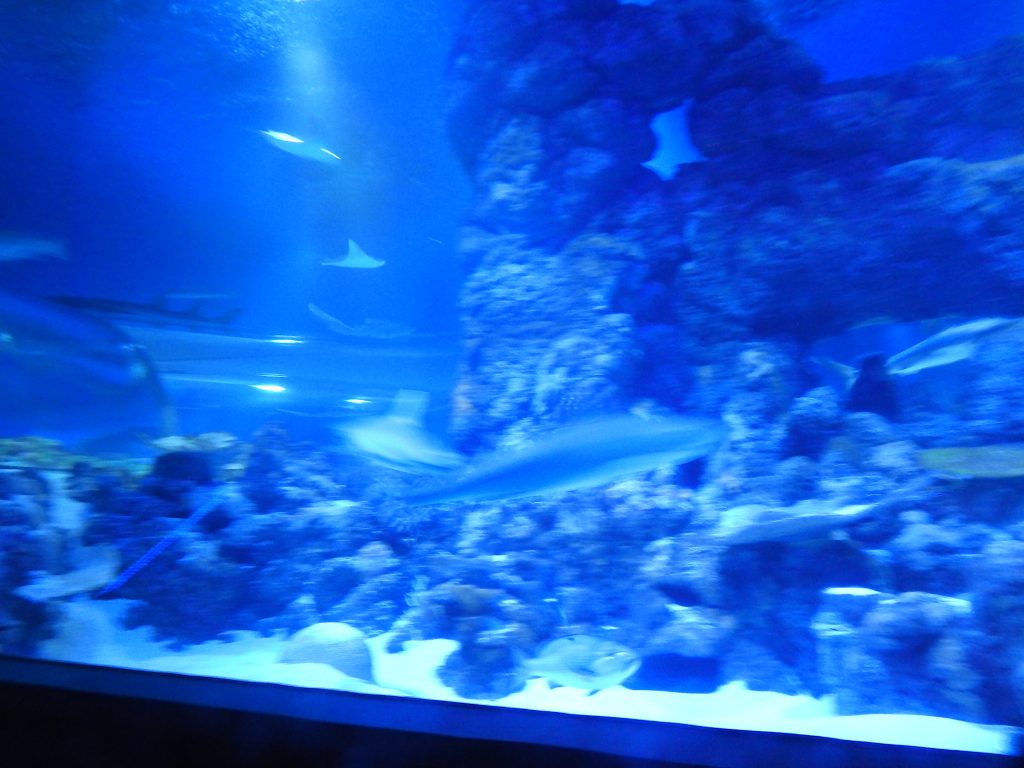
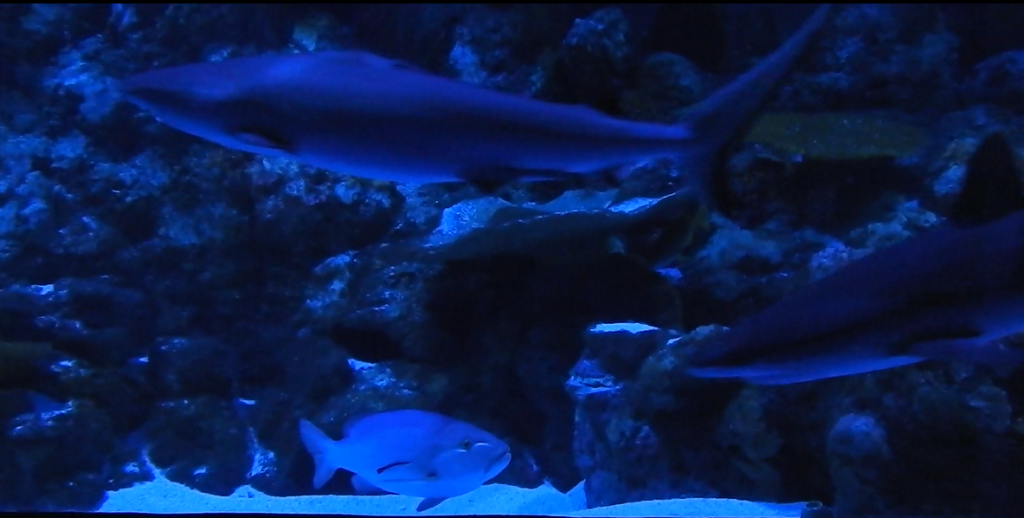
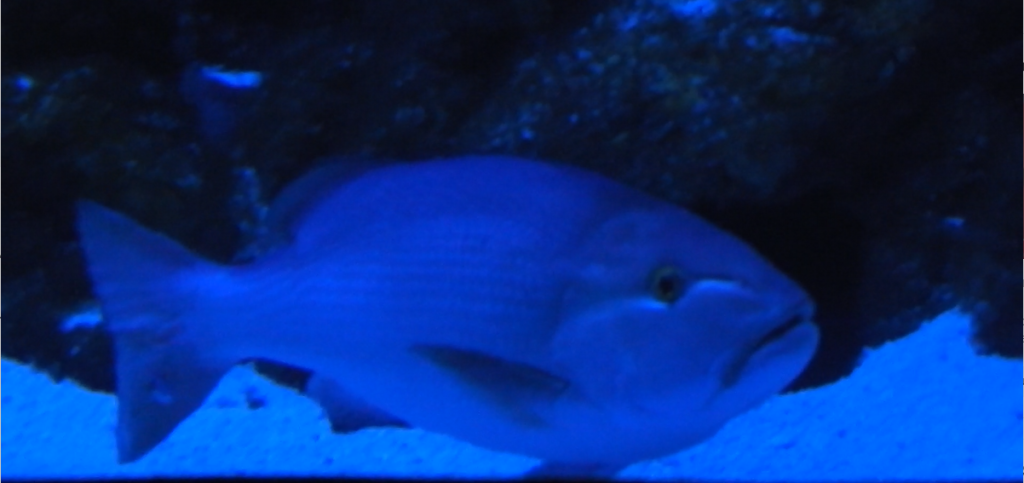
This morning after breakfast we plan to go to the aquarium, then go to the airport for a flight to Melbourne!! We went to the Immigration Museum this morning, lots of first hand accounts.
 Herrick Home Page