Train to Vienna Jan 28
Vienna, Austria’s capital, lies in the country’s east on the Danube River. Its artistic and intellectual legacy was shaped by residents including Mozart, Beethoven and Sigmund Freud. The city is also known for its Imperial palaces, including Schönbrunn, (Amy suggested the “The market at Vienna’s 18th century Schönbrunn Palace,
a UNESCO World Heritage Site”) the Habsburgs’ summer residence. In the Museums Quartier district, historic and contemporary buildings display works by Egon Schiele, Gustav Klimt and other artists. Population:
2.028 million (2025)
Now we are ten minutes outside of Vienna and the countryside is covered with fresh snow!
The seats in the train are very nice, I have six inches between my knees the seat ahead of me. They are really comfortable as well. Riding in style!
Our new hotel, Voco Vienna Prater Hotel, in Vienna was very nice as well.
Our day today;
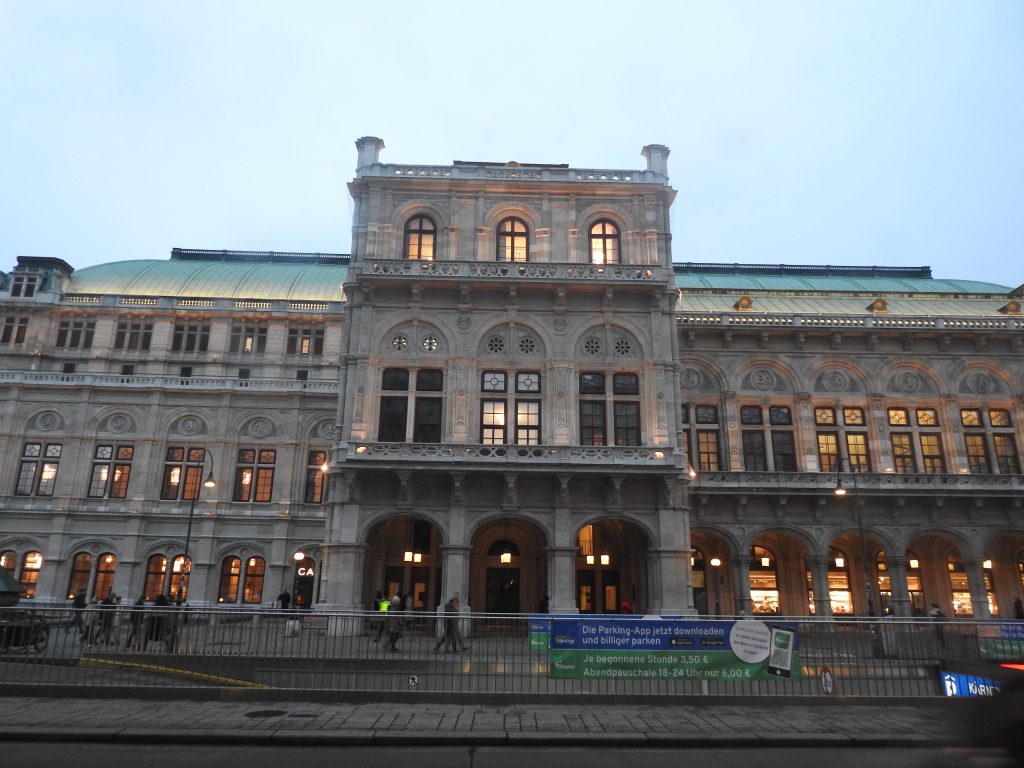
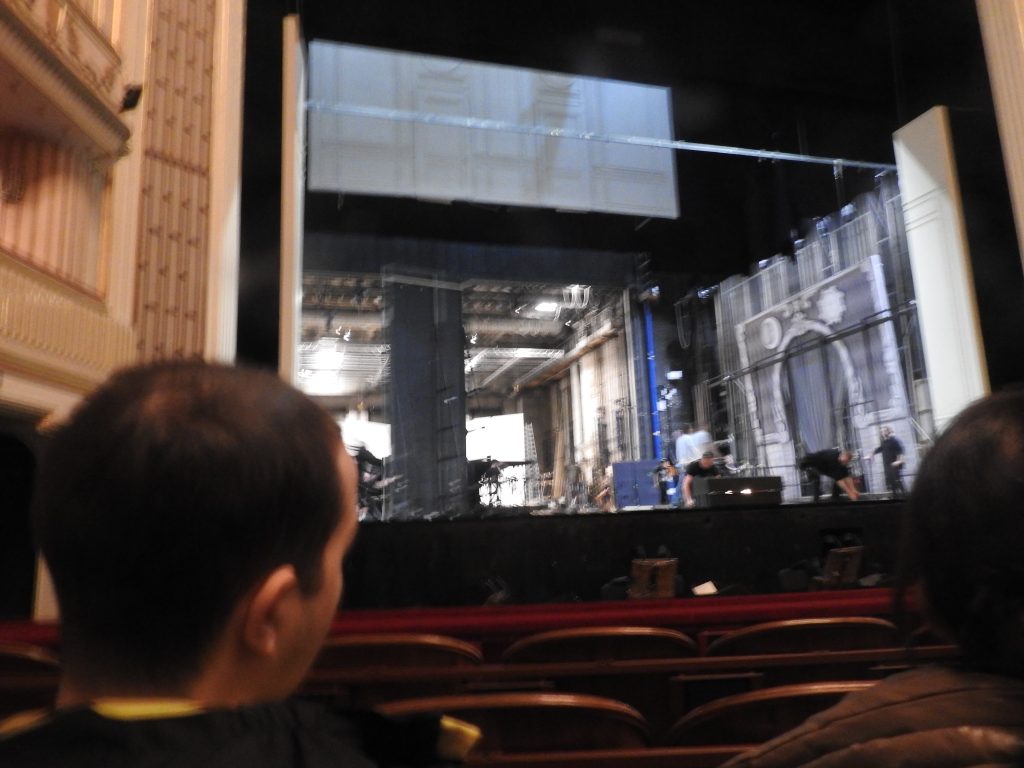
Walk to subway, subway to train station, find the right track, then the right car, then the right seats. Then a 2 hour train ride to Vienna. Find the right subway, take the subway and we got off on the wrong stop. Back on subway for five more stops then walked to the hotel. Dropped our bags and back to the subway to the stop where we stopped last time where the Vienna Opera House is! The Opera House is huge, huge, huge! Their stage is 60 feet wide, 30 feet high and 150 feet back. In addition it goes 60 feet down and is even larger underground where they store all the backdrops, ready to come up at a moment’s notice. It only takes one minute to select a backdrop, have the computer open the stage and bring the selected background up then close the stage back. All of the lights are controlled by the computers and can aim and change colors. They do not have to climb ladders and make changes! The music and video all run through computers. They have 1000 people working there 18 hours a day in two shifts 7 days a week ten months a year. They build their own sets, props and costumes and have many offsite storage buildings. It was damaged by a bomb during WWII but the front was not damaged and survived, the whole rear was destroyed however.
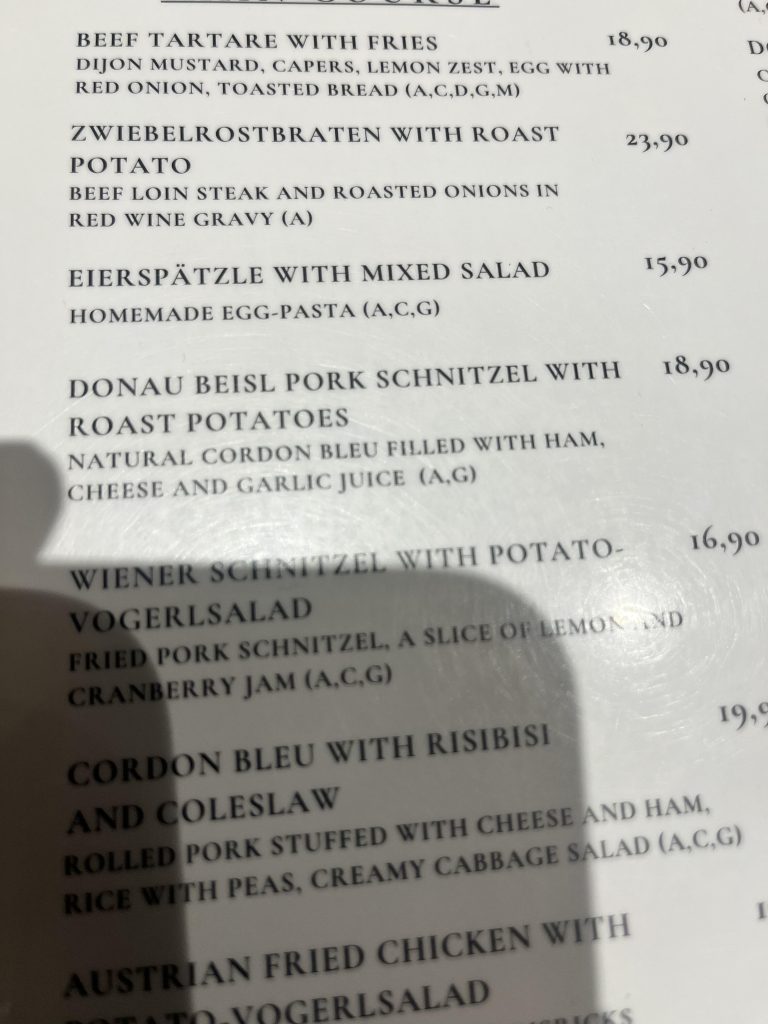
Back to the hotel and dinner in a nice hideaway (quite expensive though). Now back in the hotel for the night.
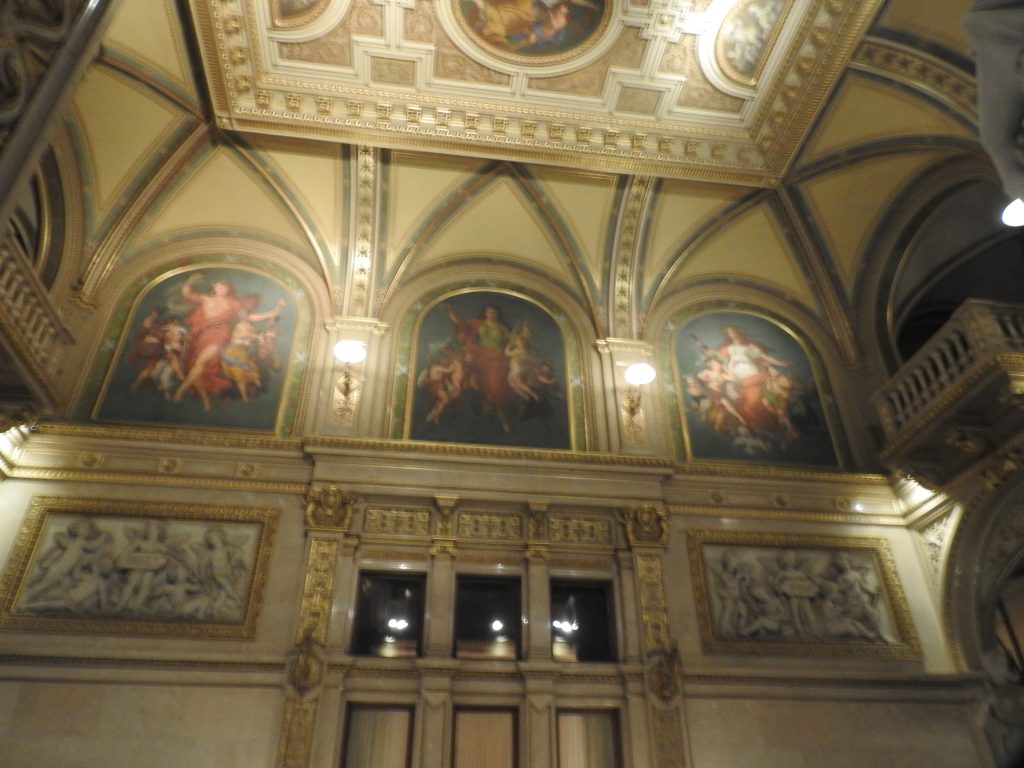
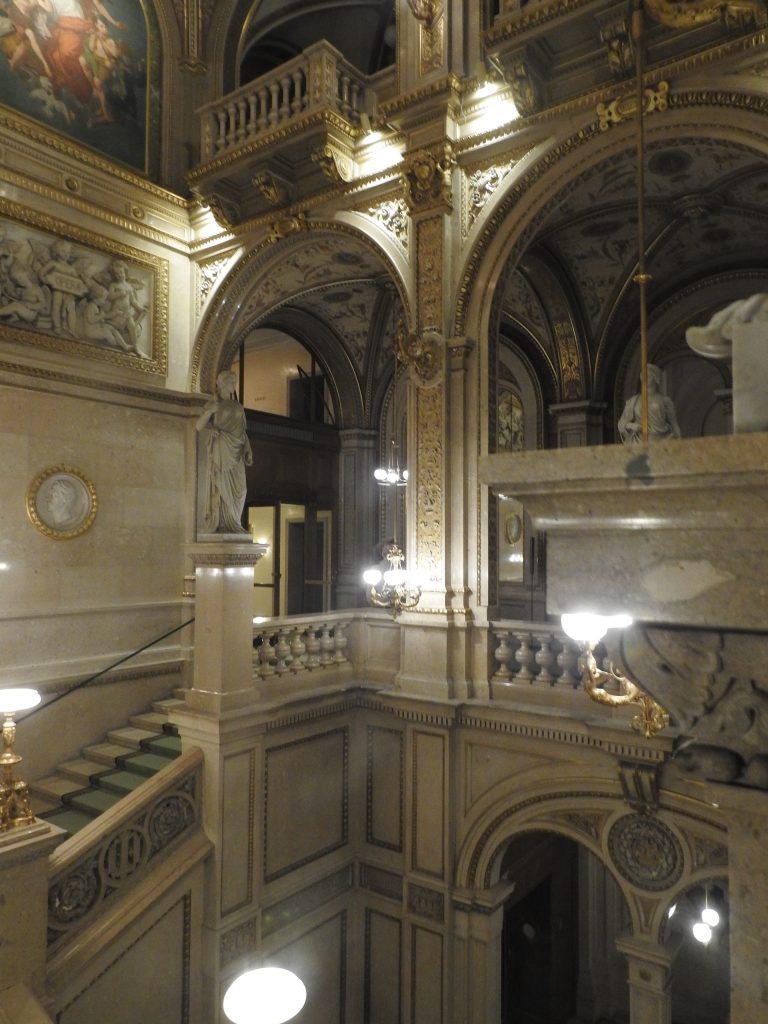
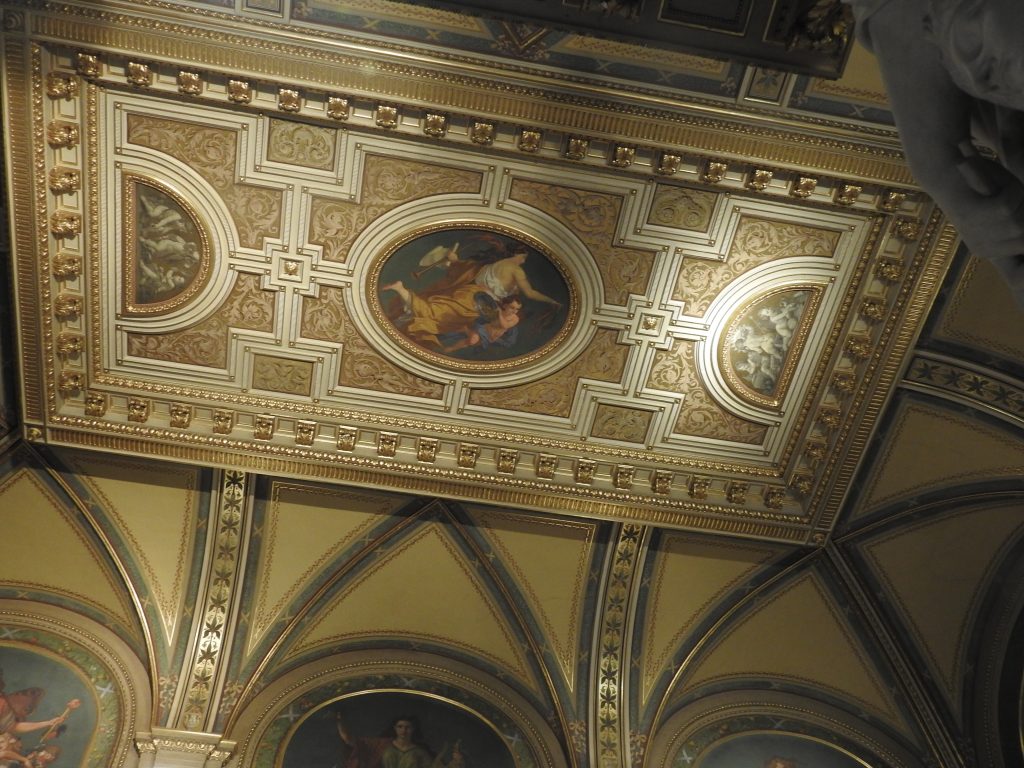
The Vienna State Opera is now one of the highlights of our trips.
Building the set for tonight’s performance Wolfgang Amadeus Mozart’s Le nozze di Figaro.
Le nozze di Figaro translates to “The Marriage of Figaro” in English. It is a renowned four-act opera buffa (comic opera) composed by Wolfgang Amadeus Mozart with an Italian libretto by Lorenzo Da Ponte, premiering in 1786. It is also known as La folle journée (The Day of Madness).
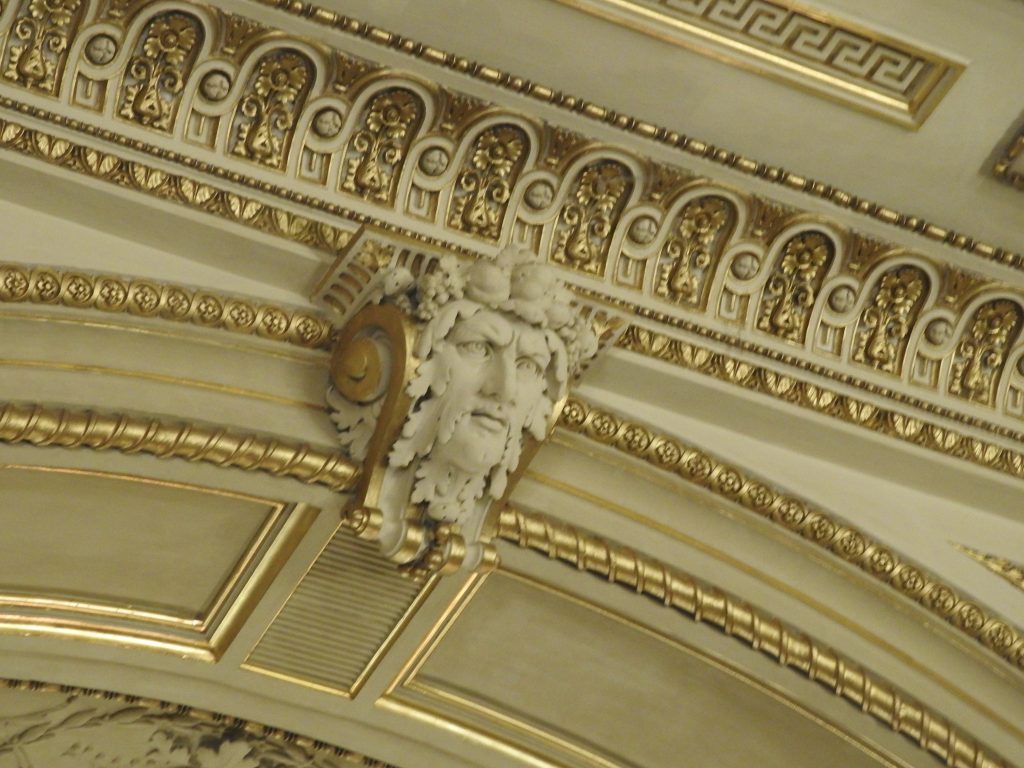
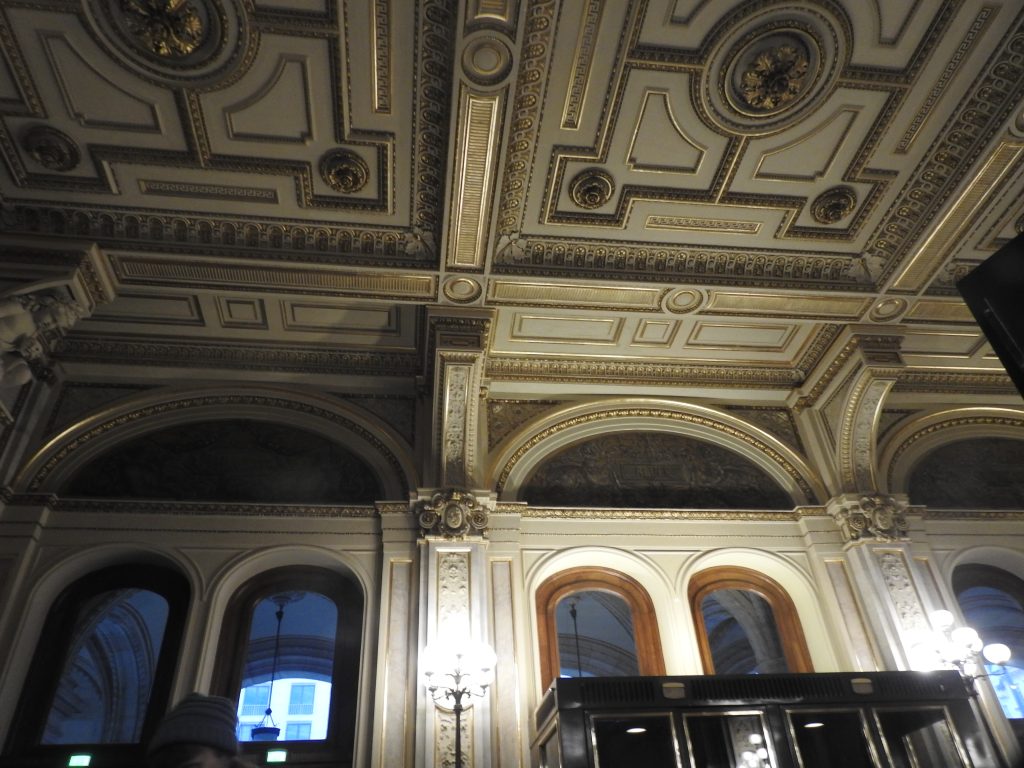
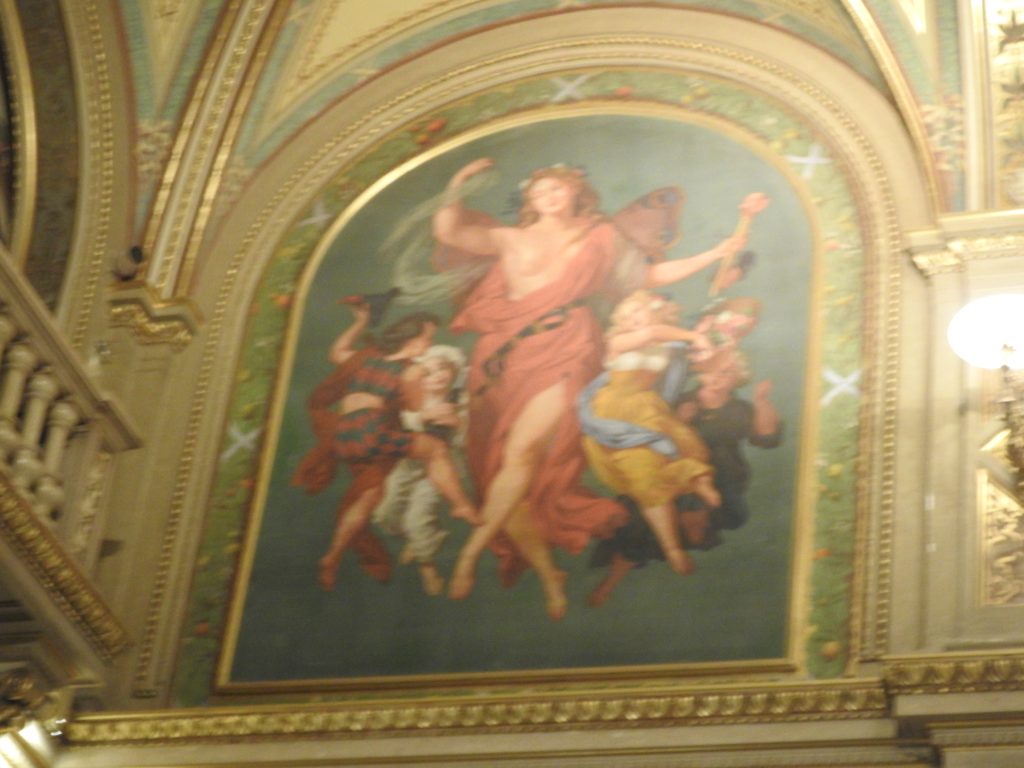
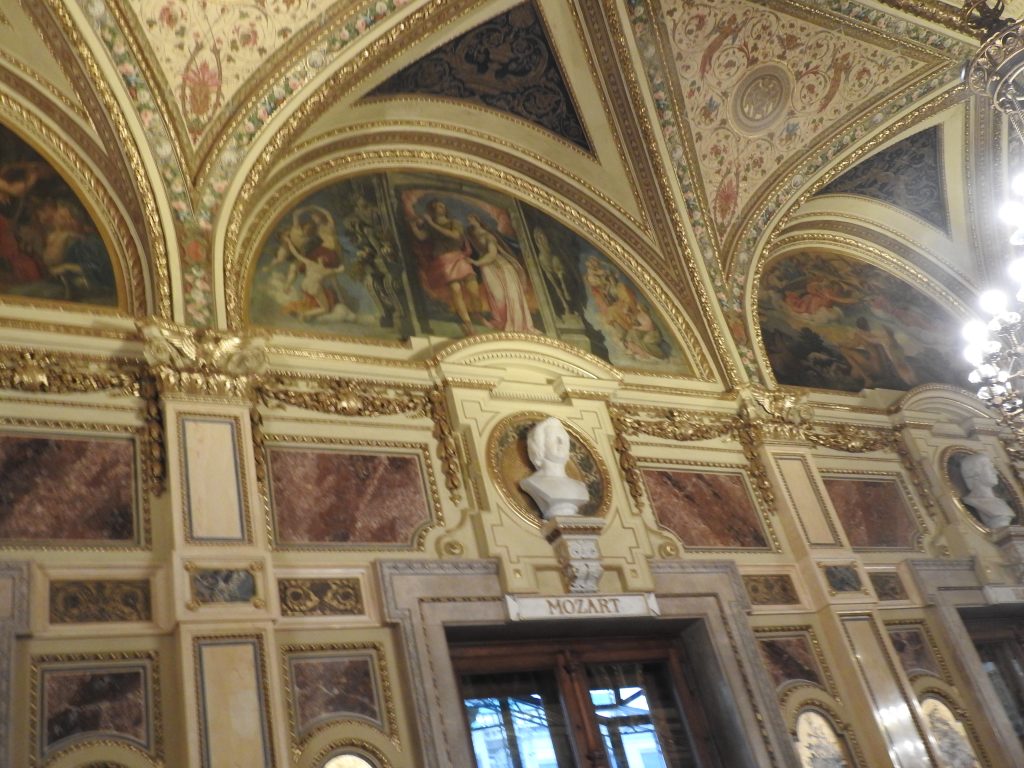
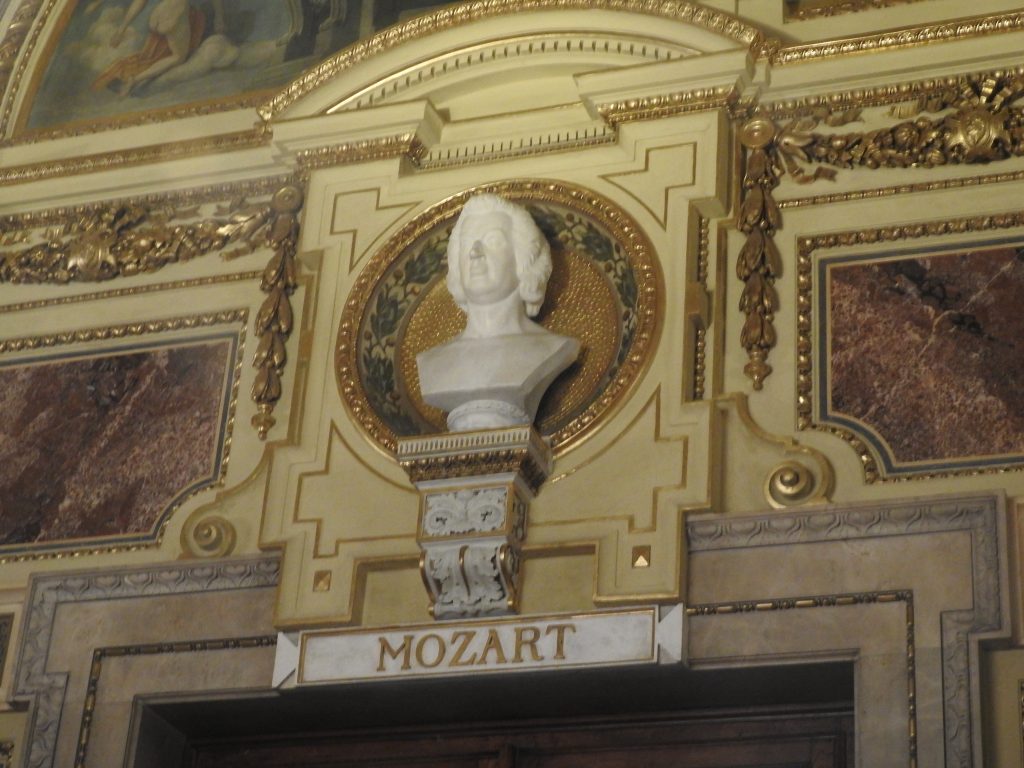
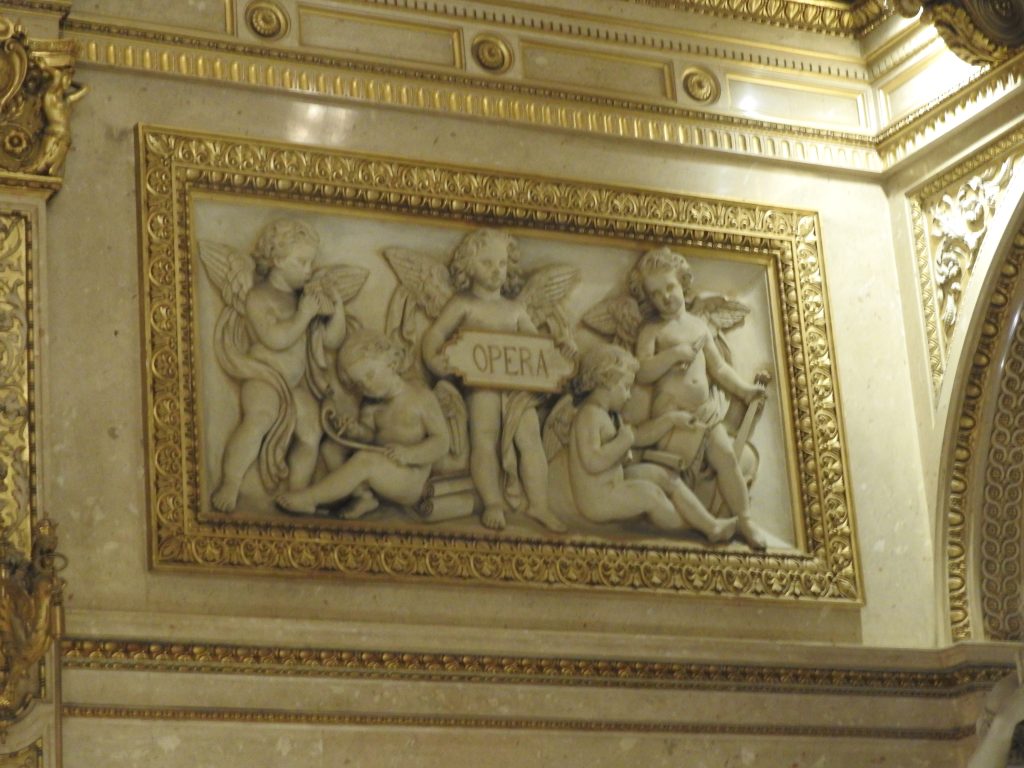
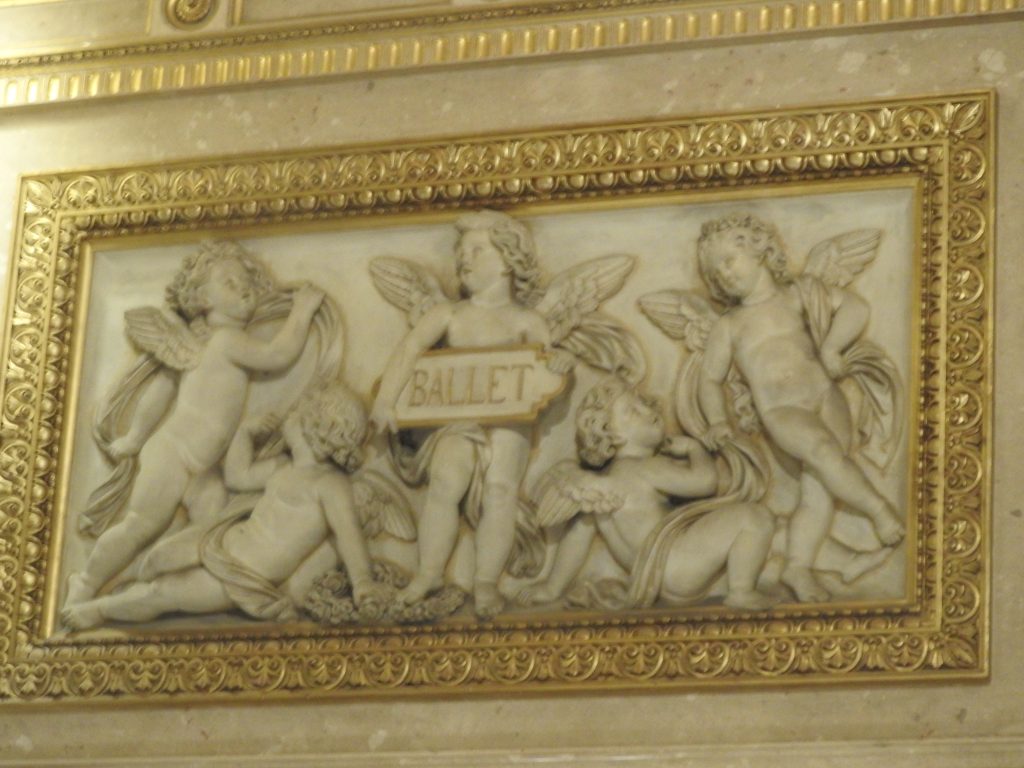
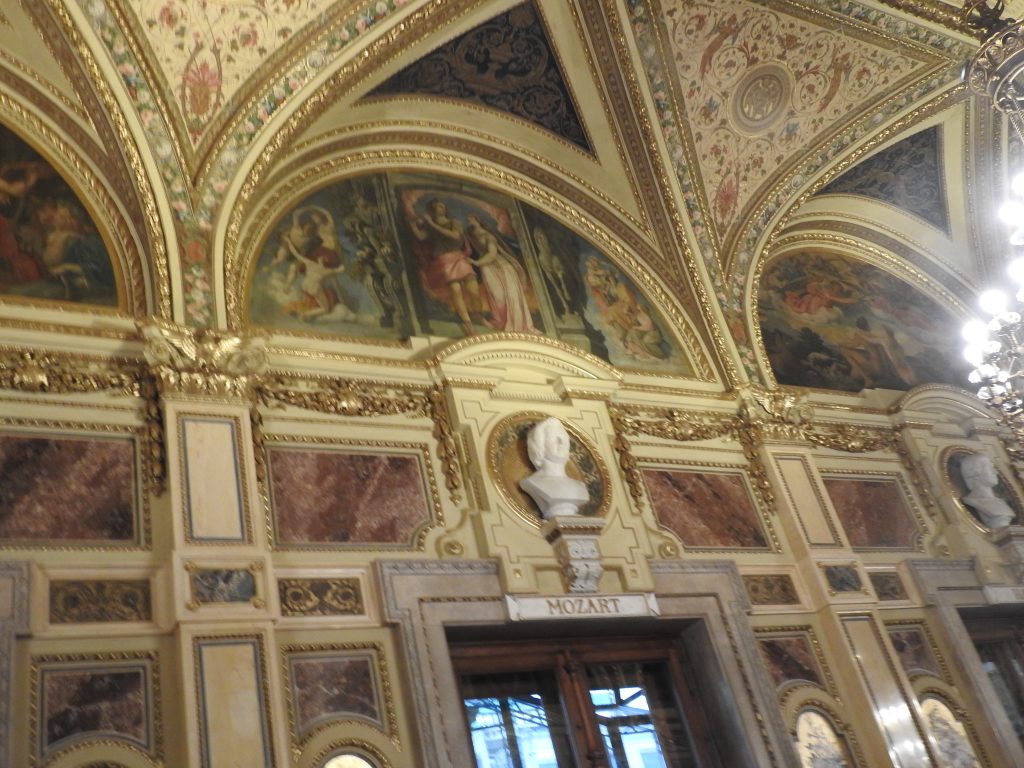
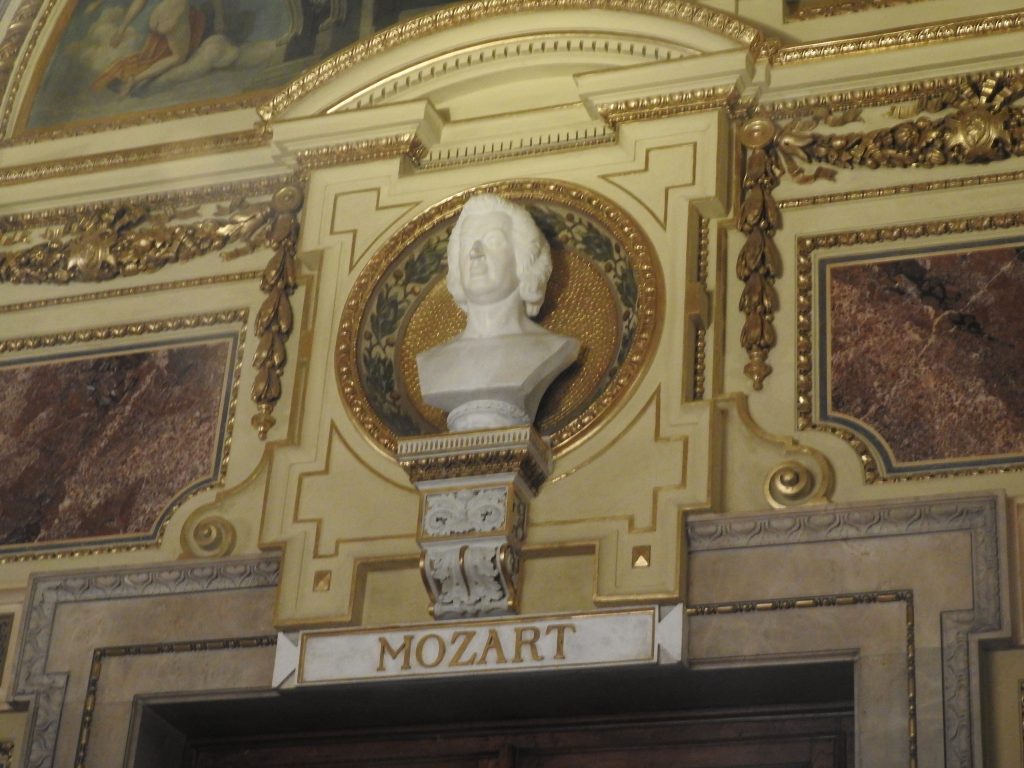
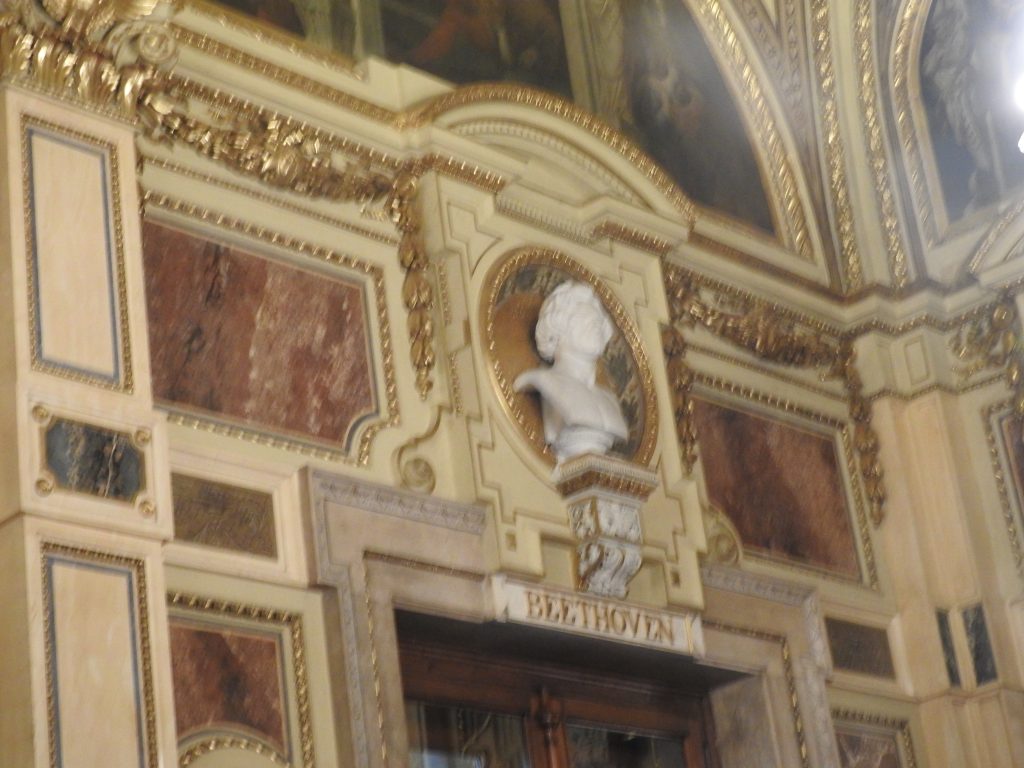
More photos of the interior:







 Herrick Home Page