It was an exceptionally beautiful day out today. 72° very light breeze, no humidity, wonderful. Marium said she was not coming, but she met me halfway by driving! Nice to see her.
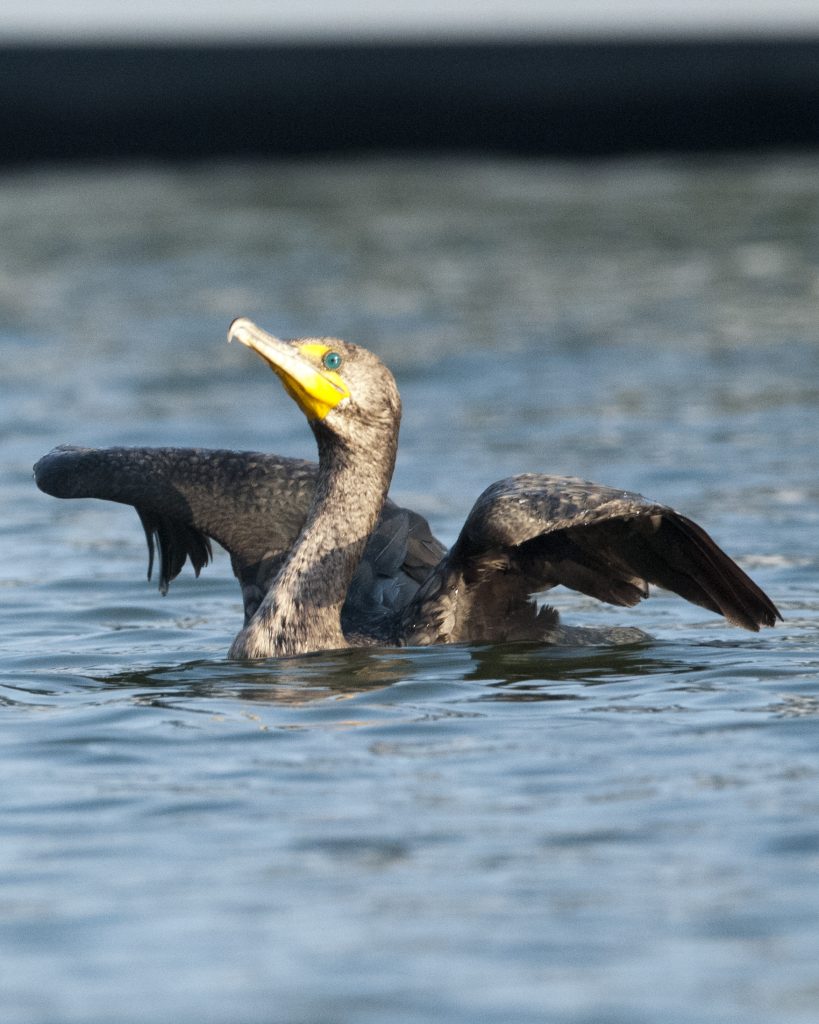
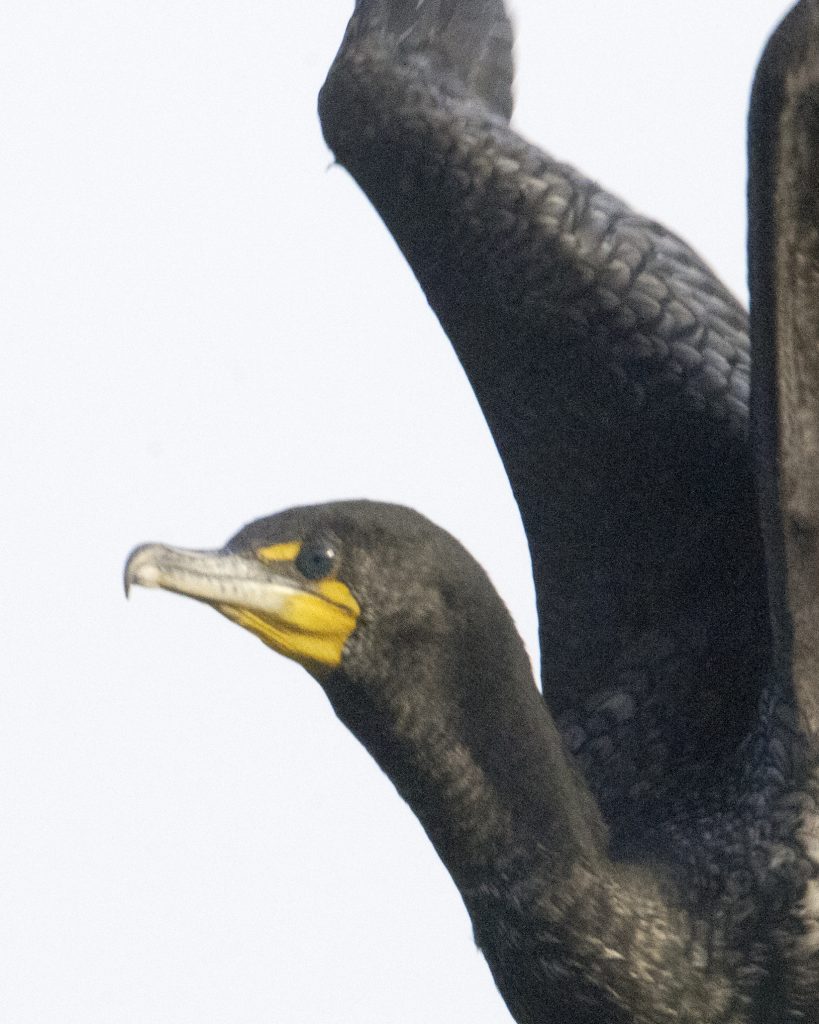
That’s an Anhinga — often called a “snake bird.”
You can tell by:
Very long, straight, spear-like bill
Thin neck
Black body
Silvery streaked feathers on the neck
White patches on the upper wing
That slightly wild, spiky head look
And the red eye is classic in breeding plumage.
What makes this photo special
You caught it in a wing-spread posture — classic drying behavior. Unlike ducks, anhingas lack heavy waterproofing, so they spread their wings to dry after diving for fish.
Around your St. Petersburg/Tampa Bay area, they’re common in mangroves and freshwater ponds — but getting this kind of close-up detail in the neck feathers is excellent.
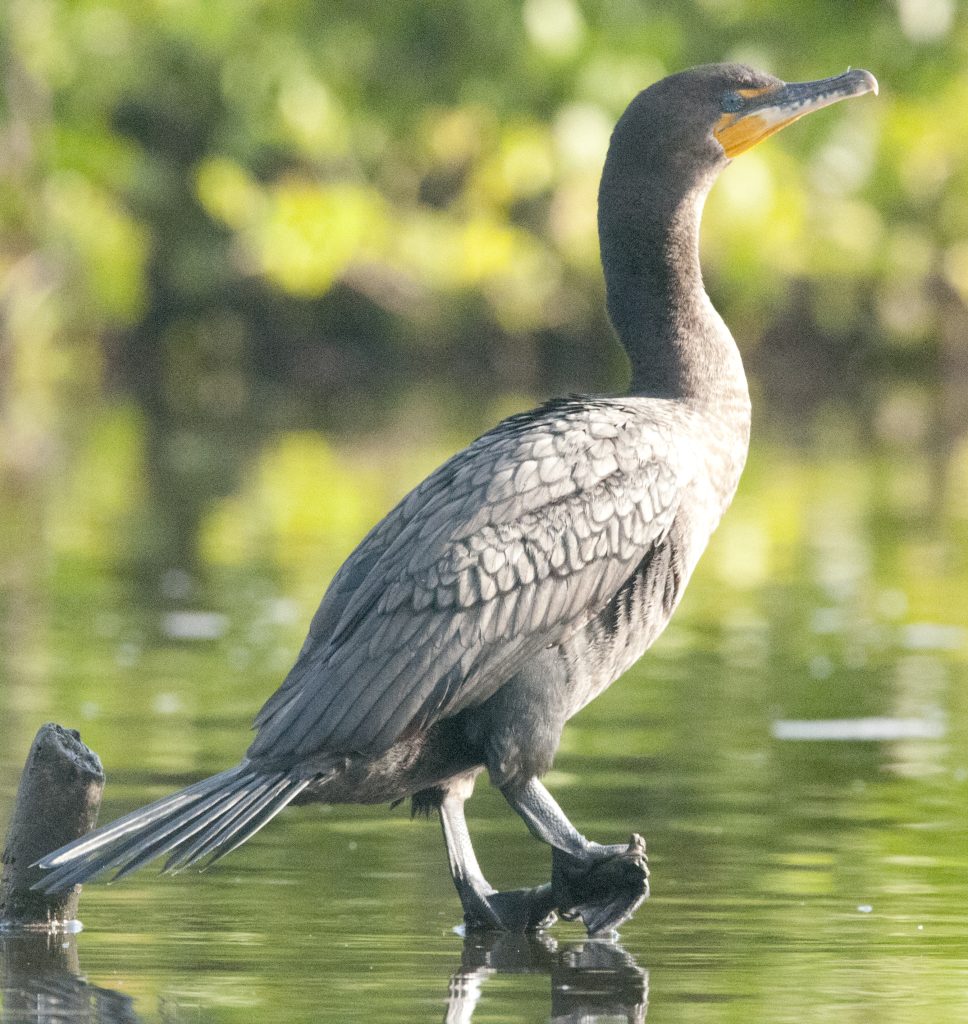
This is a Double-crested Cormorant.
You can tell by:
Thick, hooked bill
Yellow-orange gular patch (throat area)
Stockier build than the anhinga
Fully dark body without the strong white wing patches
Webbed feet clearly visible (great detail in your shot)
Key Difference from the Anhinga
| Anhinga | Double-crested Cormorant |
|---|
| Thin, spear-like bill | Thick hooked bill |
| Silver streaked neck | Solid dark neck |
| Long, snake-like profile | Heavier, bulkier |
| White wing panels | Mostly dark wings |
This bird is likely in non-breeding or transitional plumage. In breeding season you’d sometimes see small white “crests” behind the eye (hence the name).
About Your Photo
You caught:
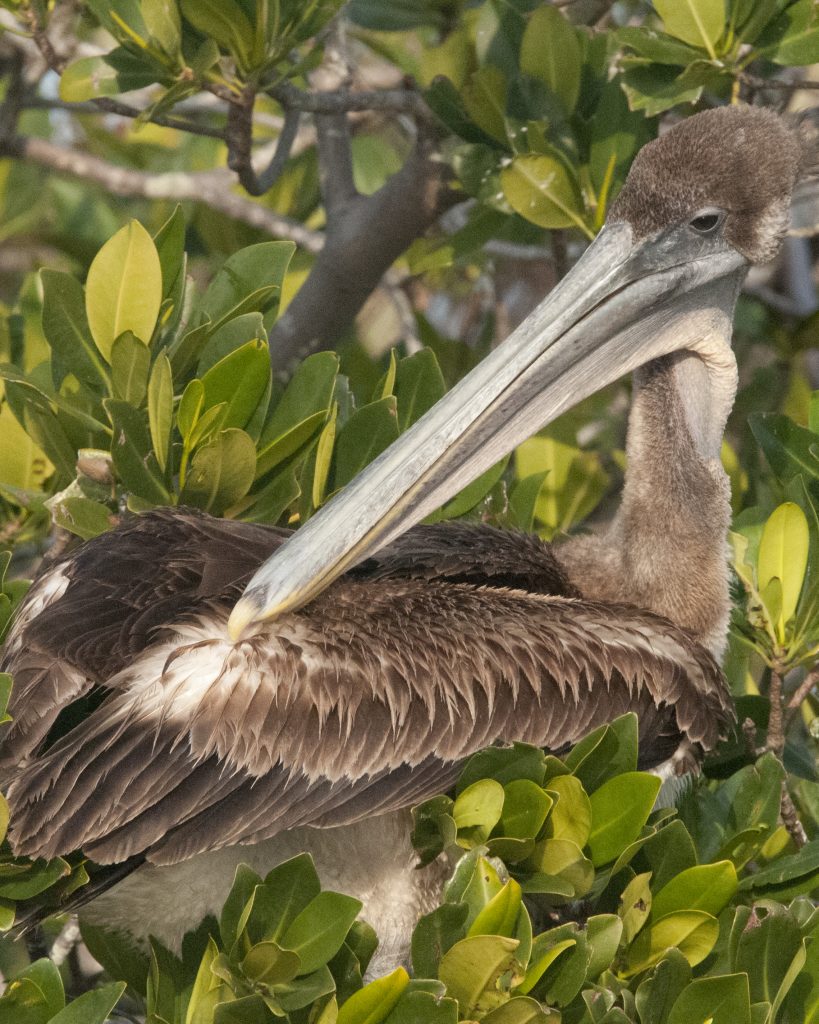
That’s a Brown Pelican — likely a juvenile.
You can tell by:
In breeding adults, the head becomes much whiter with a more dramatic color contrast. This one has that softer, chocolate-brown look typical of younger birds.
Given your Gulf Coast location, Brown Pelicans are basically coastal royalty. They patrol piers, mangroves, bridges, and seawalls — and they’re fantastic subjects when perched like this.
About Your Photo
This is actually a strong composition:
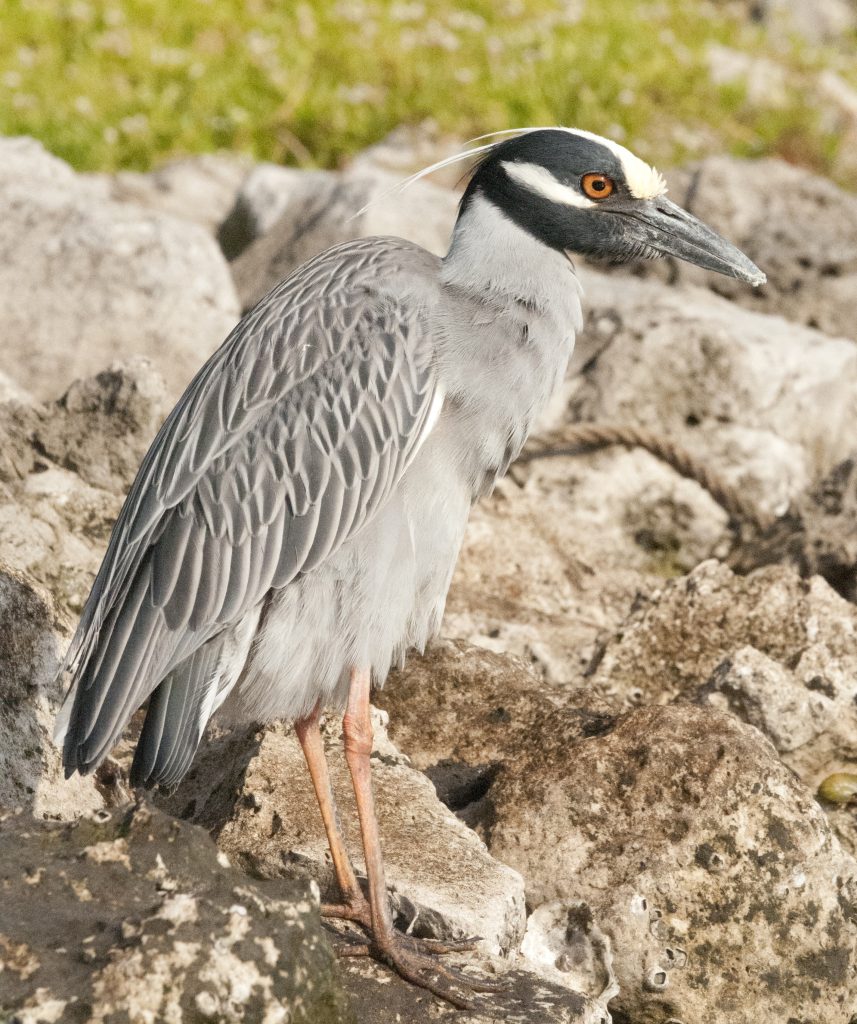
This is a Yellow-crowned Night Heron — adult.
You can tell by:
Around St. Petersburg and the Gulf Coast, these are common near rocky shorelines and mangroves — especially where there are crabs. They’re crab specialists.
This is one of your stronger technical shots
What works very well here:
Eye is crisp and bright
Feather detail on the wing is excellent
Background separation is clean
Natural rock perch gives context
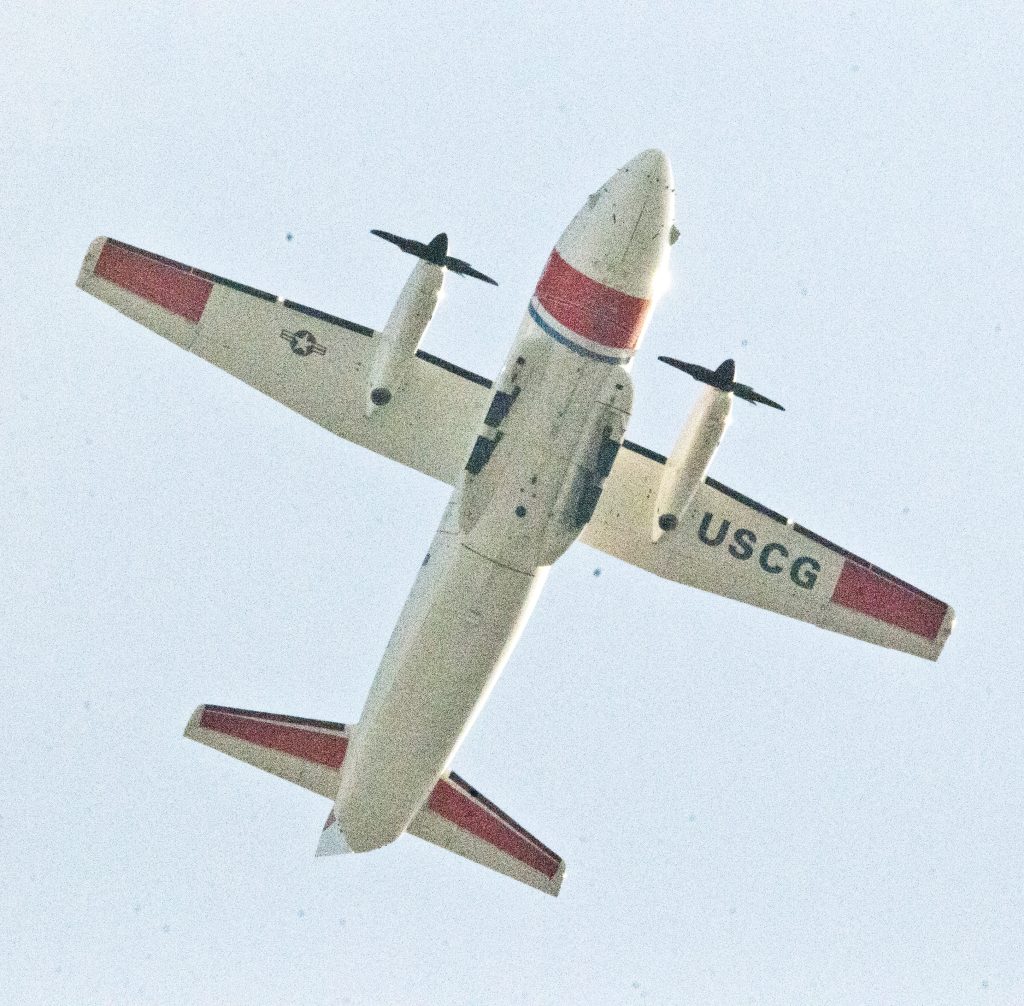
That’s a U.S. Coast Guard turboprop aircraft — and from the twin engines and high wing configuration, it appears to be a HC-144 Ocean Sentry (based on the Airbus CN-235 platform).
You can see:
“USCG” clearly marked on the wing
Red Coast Guard panels on wings and tail
Twin turboprop engines
High-mounted straight wing (great for low-speed patrol)
Around your area (St. Petersburg / Clearwater / Tampa Bay), these are commonly seen doing:
Air Station Clearwater is one of the Coast Guard’s busiest aviation units in the country, so it makes sense you’d see this overhead.
That’s a Boat-tailed Grackle — and a great behavioral shot.
You can tell by:
The iridescence on the neck is showing nicely — that teal sheen is classic when the light hits just right.
What makes this image strong
Low shooting angle — eye-level with the bird (excellent)
Waterline perspective adds drama
Droplets on the feathers tell a story
Background nicely blurred
This feels intentional and patient — not a grab shot.
That’s a Snowy Egret — and this is a very nice frame.
You can tell by:
Pure white plumage
Black bill
Yellow lores (the yellow patch in front of the eye)
Bright yellow feet (“golden slippers”)
Fine breeding plumes on the head and chest
Around Tampa Bay, they’re constant companions along shallow edges and mangroves.
What works very well here
Elegant walking pose — that lifted leg is classic stalking posture.
Clean dark background — really makes the white pop.
Nice reflection in the water.
The bubble in front adds a small storytelling element.
Feather detail is holding — which is not easy with a white bird.
You controlled exposure well. Snowy Egrets can blow out quickly.
Mallard drake in full breeding plumage.
You can tell by:
Even though they’re common, they’re not easy to photograph well because that green head either goes dull or blows out depending on angle. You caught the light nicely — the metallic sheen is visible without turning flat.
What works well
Good feather detail on the gray body
Nice separation from the background
The green head has dimensionality
Wing position adds some shape and depth
This is an American Oystercatcher — one of the most striking shorebirds on the Gulf Coast.
You can tell by:
Bold black head and upper breast
Bright orange-red bill
Yellow eye with red orbital ring
Clean black-and-white body pattern
Stocky, thick bill built for prying open oysters and clams
Around Tampa Bay and the barrier islands, these are iconic birds — especially on sandbars and oyster beds.
What makes this image strong
Excellent low angle — you’re almost at water level again.
The orange bill and eye absolutely pop.
Soft background water gives clean separation.
Subtle reflection adds depth.
Good detail in the white chest (not blown out).
This has a calm, coastal feel.
I spoke with some of my Canadian friends who live six months of the year here on Bear Creek. They may not come back next year because of the political climate, for one thing they now have to every 30 days report to the government.
Canadians who visit the US for more than 30 days will be required to register with authorities, as the Trump administration tightens migration rules amid soaring tensions between the North American neighbors.
The new requirement, effective from 11 April, will harden enforcement of an existing law, which states that all foreign nationals 14 years old or older who plan to stay in the US for 30 days or more must register with the authorities.
They feel that Costa Rica and other places will accept them better so they are thinking of selling and try somewhere not in the US.







 Herrick Home Page