Chicanná: “House of the Serpent Mouth”
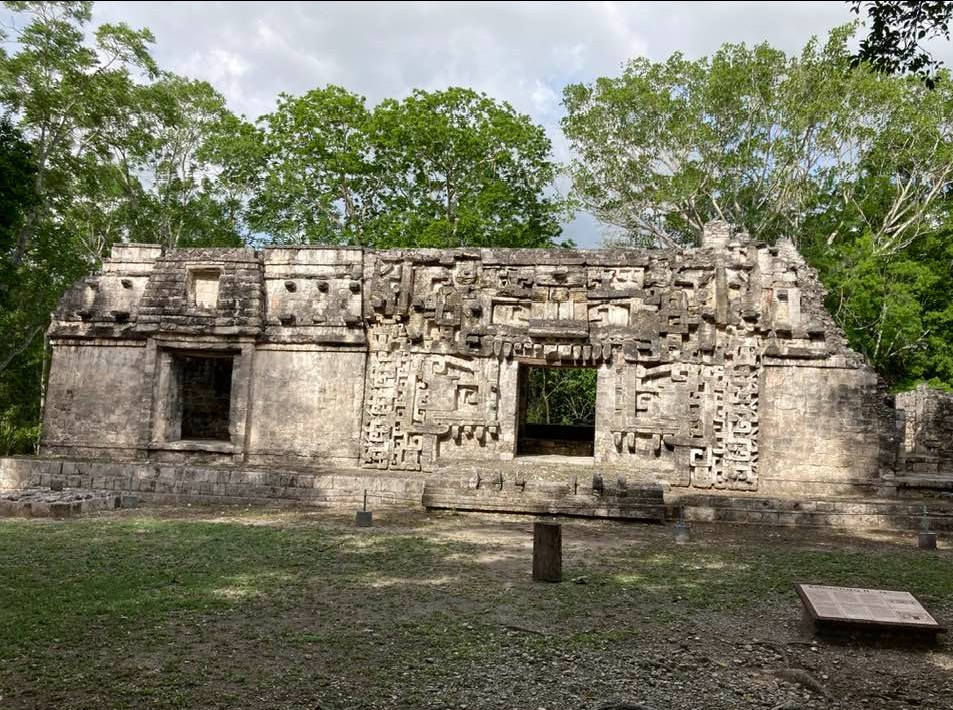
Chicanná is a small but architecturally rich Maya archaeological site located in the Río Bec region, near Becán and Xpuhil. Its name, given in modern times, means “House of the Serpent Mouth” in Yucatec Maya — a reference to the elaborate serpent themed façade of one of its most iconic buildings.
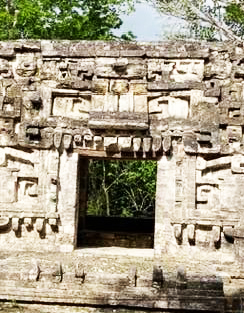
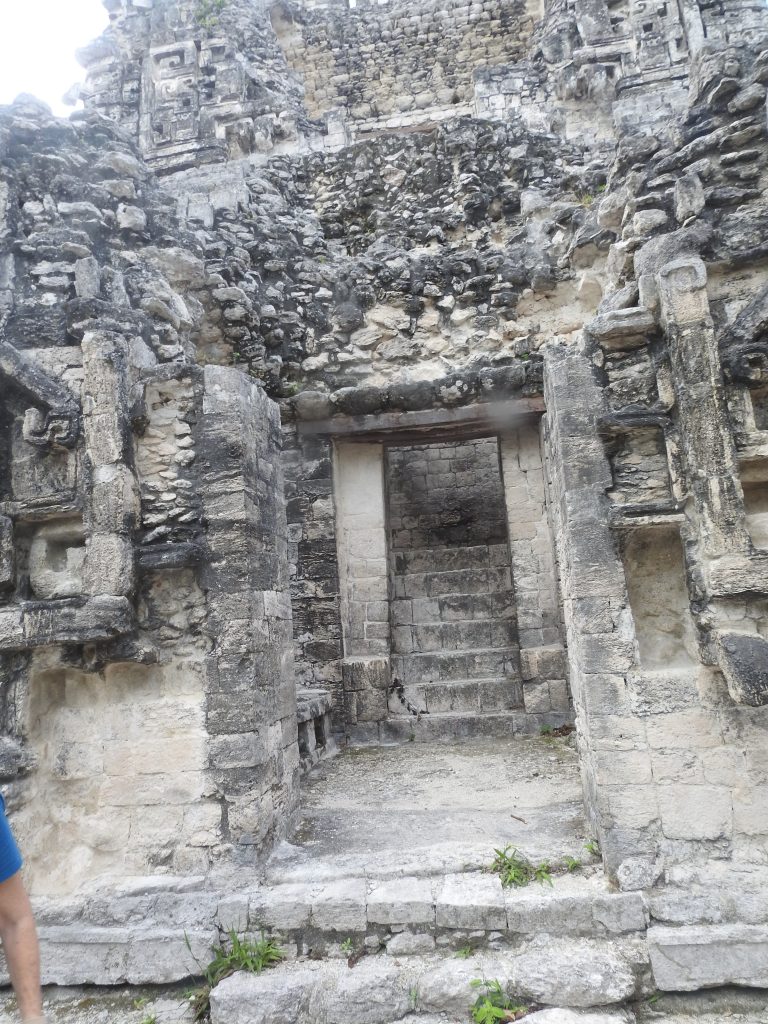
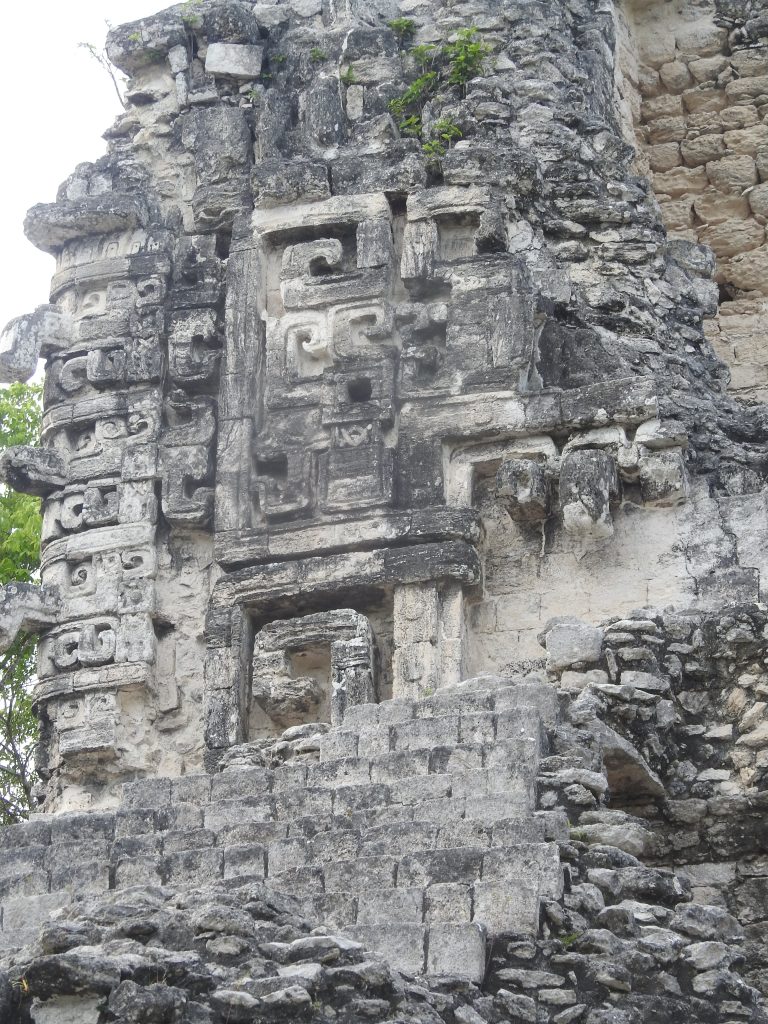
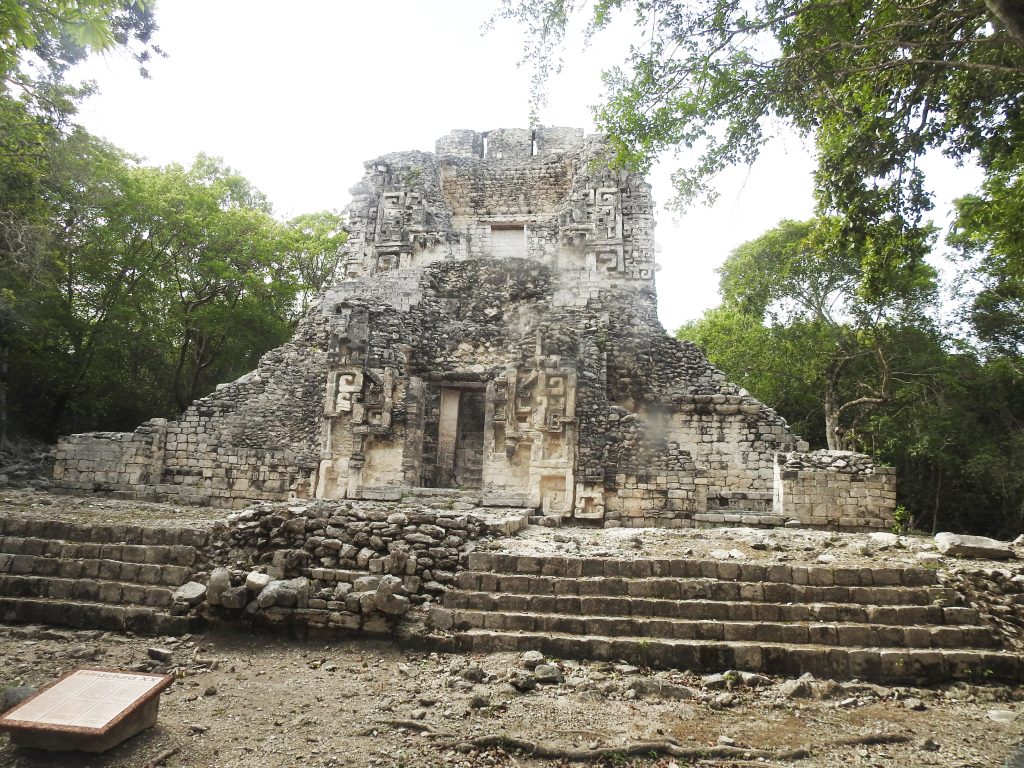
The Maya people built the door as if it were the gaping mouth of a monster, with the creature’s teeth on the lintel (on the top) and on the porch (below). Moreover, eyes with spiral hook-like pupils gaze down menacingly on all who approach the entrance. It has been speculated that this building served a religious / ritual function for the Mayas. By entering into the plaza through the mouth of the serpent, Mayan priests would be able to access the Underworld, conduct the necessary rituals, and then return to the settlement.
Historical Context
Occupied: Around 300 B.C., with major construction from
600–800 A.D.
Smaller than nearby Becán, but likely a residential and
ceremonial elite center, possibly subordinate to Becán.
Known for its refined and decorative architecture, rather
than massive structures.
Main Features
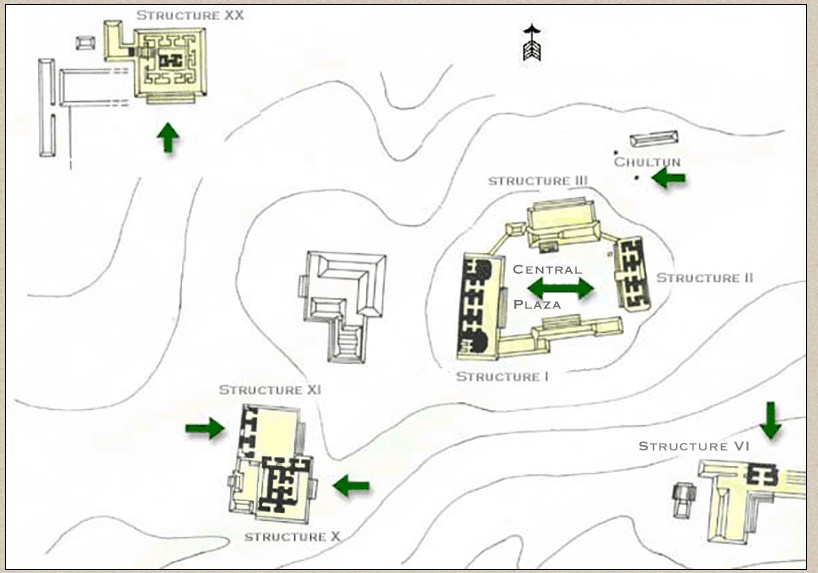
1. Structure II – The Serpent Mouth Temple:
o The most famous building, featuring a giant stone
façade shaped like a monster or serpent’s open
jaws.
o Likely represents the Earth Monster or Itzamná, a
deity associated with the underworld.
o Visitors would have walked through the creature’s
“mouth” to enter the structure — symbolizing ritual
passage into sacred space.
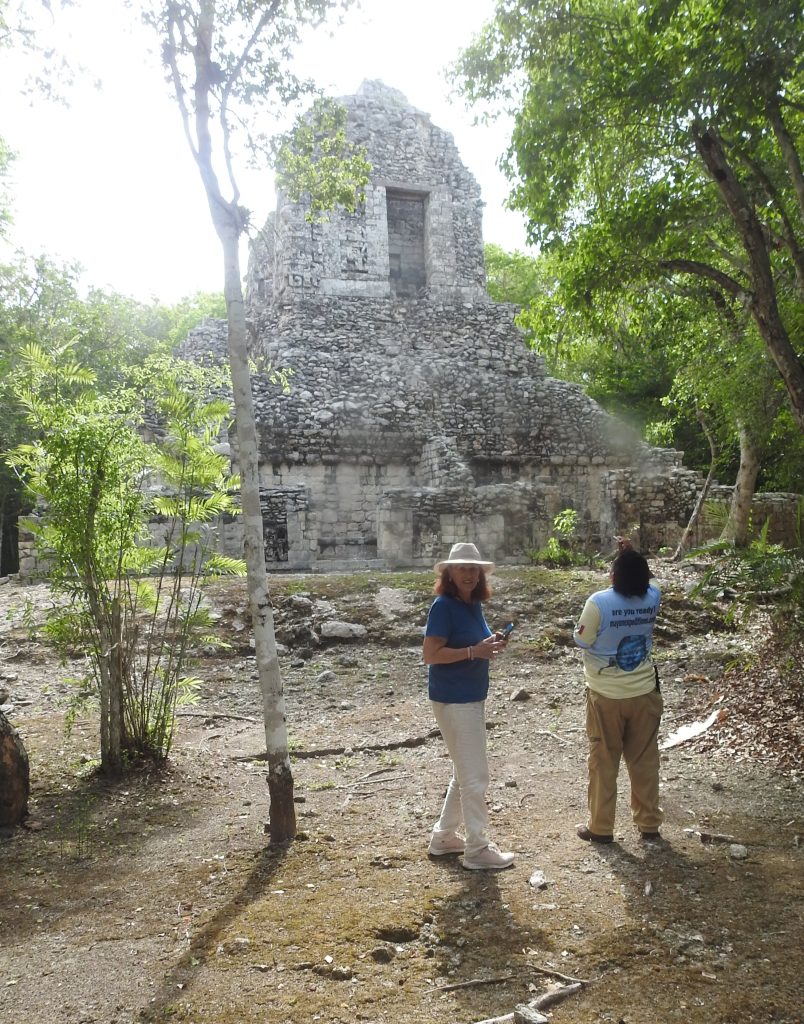
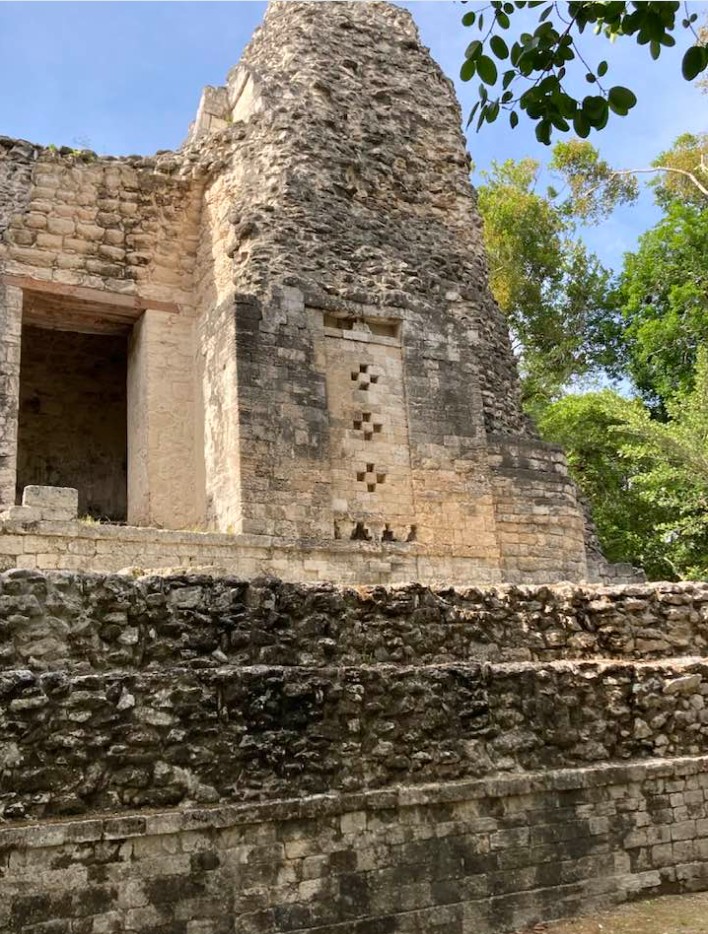
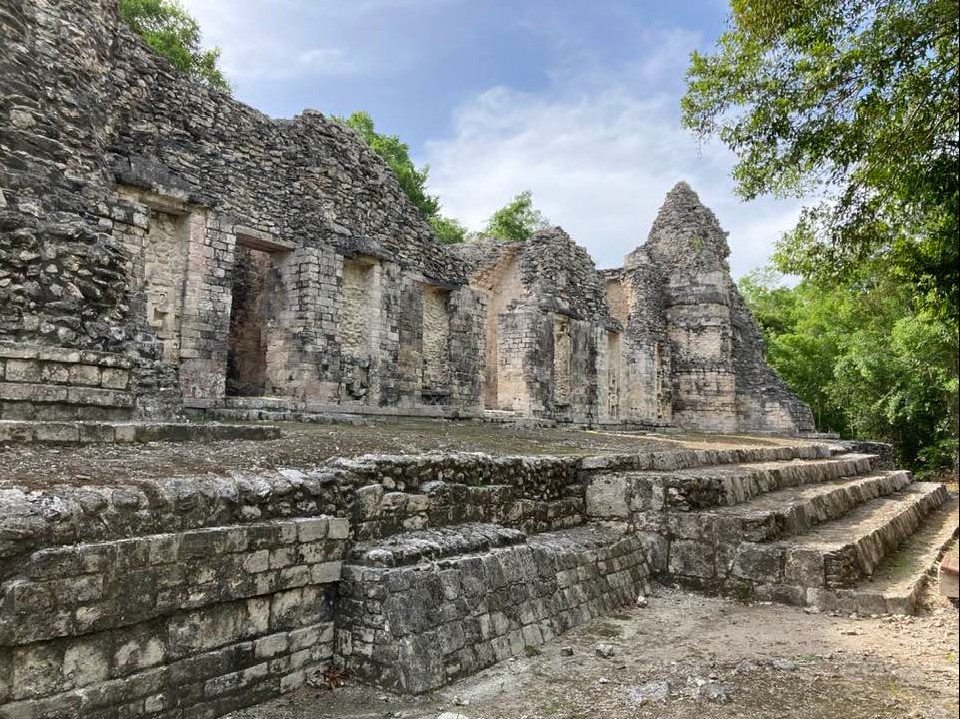
2. Río Bec-Style Architecture:
o False stairways and towers that give buildings a
temple-like appearance.
o Elaborate stone mosaics, masks, and multi-level
structures with intricate detail.
3. Structures I, III, and VI:
Residential and ceremonial buildings with
decorative façades.
o Masks and carvings that may depict gods, animals,
or celestial symbols.
Atmosphere and Experience
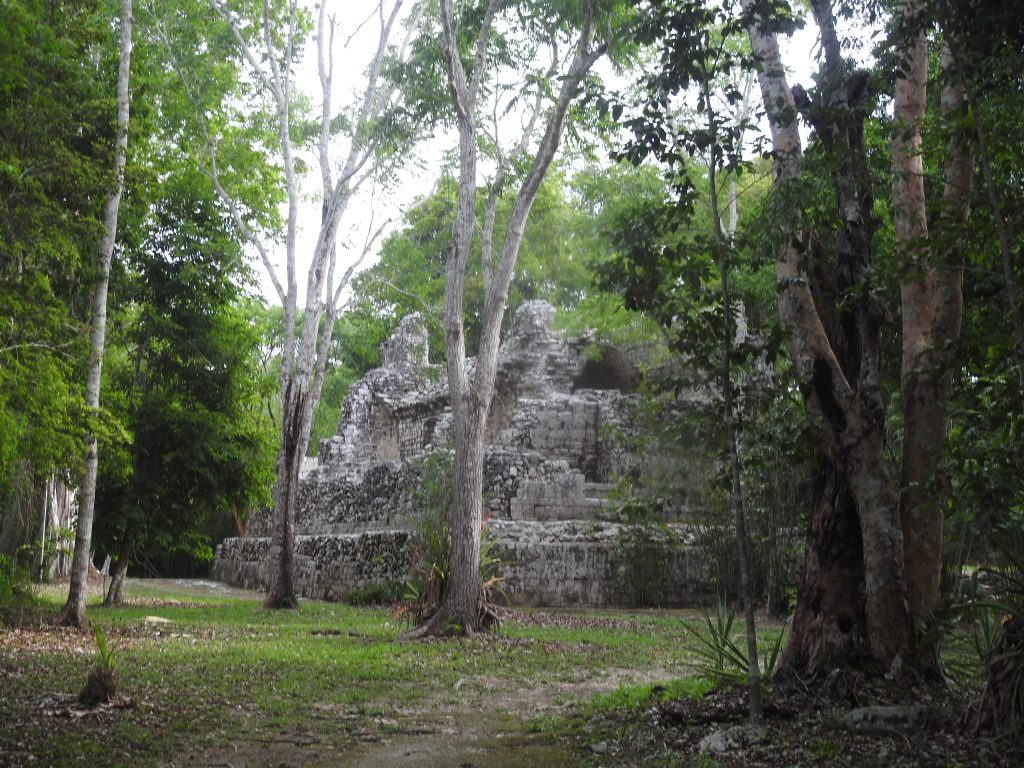
Nestled in thick tropical jungle, Chicanná is quiet, peaceful,
and uncrowded.
The site feels intimate and art-focused, ideal for travelers
interested in Maya art, mythology, and symbolism.
Wildlife is common — especially birds, lizards, and
occasionally monkeys.
The Famous Serpent’s Mouth
The name of the site, Chicanná, is derived from a combination of three words from the Mayan language, ‘chi’, ‘can’, and ‘na’. The first means ‘mouth’, the second ‘serpent’, and the third ‘house’. Therefore, Chicanná literally means ‘House of the Serpent Mouth’. This peculiar name was given to the site due to the design found on the most famous building discovered at the site, ‘Structure II’.
A menacing serpent-like monster glares down at you as you cross the plaza of Chicanná in Mexico. While it is certainly an unnerving thought, you decide to step inside the gaping serpent’s mouth. Instead of fear you are filled with curiosity about what the Maya people used to do at this site.
Chicanná is an archaeological site located in the southeastern Mexican state of Campeche, in the Yucatán Peninsula. This site was discovered during the 1960s and belonged to the Classical period of the Maya civilization. Chicanná is notable for the architectural style of its buildings, i.e. the Rio Bec style








 Herrick Home Page