Becán: The Fortified Maya City
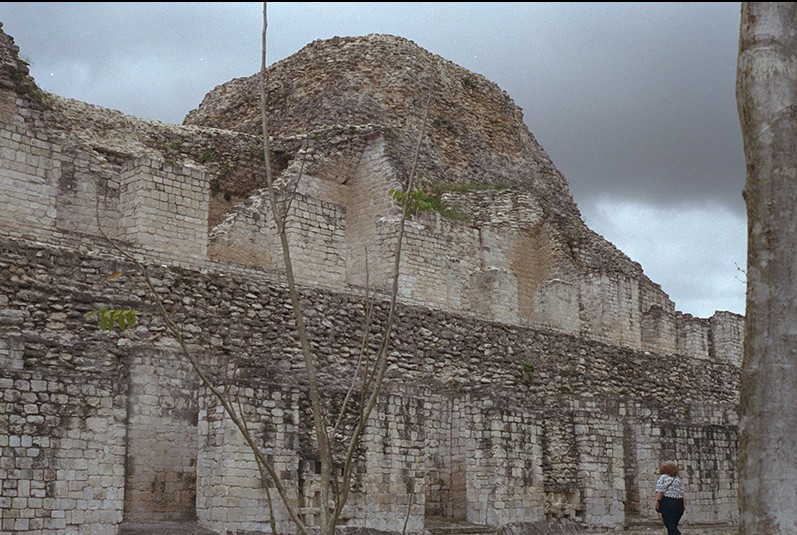
Becán is an archaeological site in the Campeche region of
Mexico’s Yucatán Peninsula, near the modern town of Xpujil.
It’s part of the Río Bec region, known for its distinctive
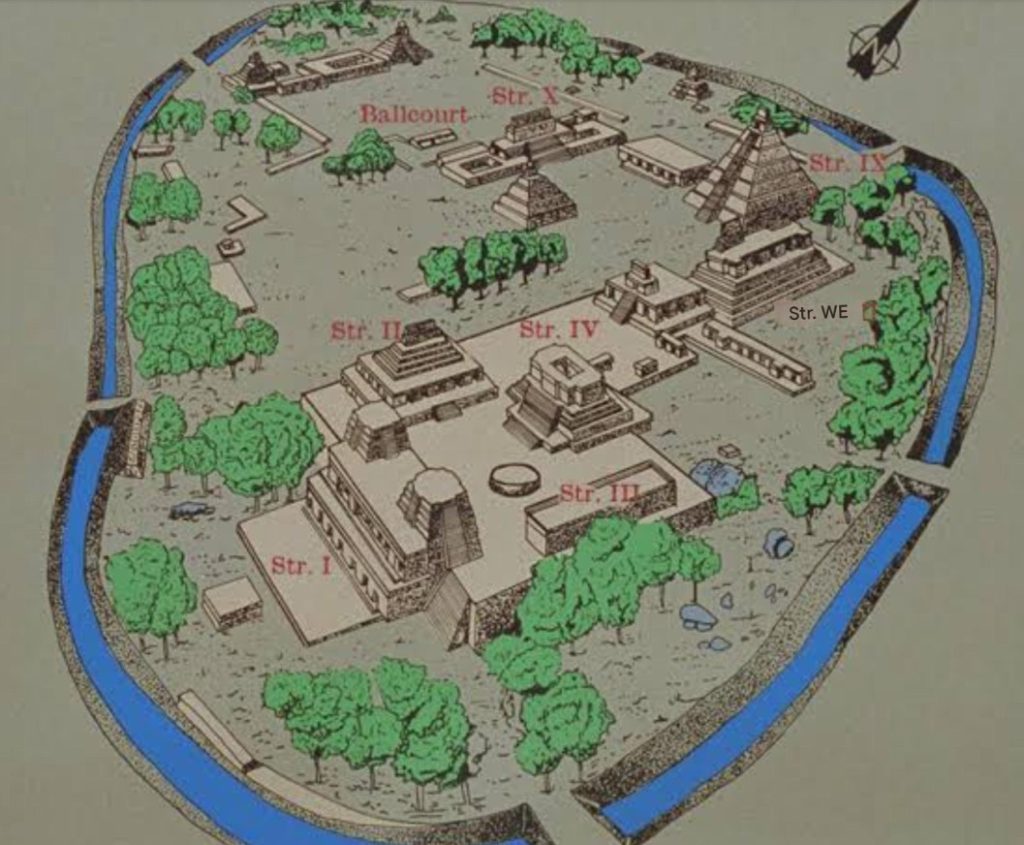
architectural style. Becán stands out for its defensive moat,
unusual among Maya cities, and its monumental architecture.
Historical Snapshot
Initial settlement: As early as 600 B.C.
Peak period: Around 600–900 A.D. (Classic Maya period)
Abandoned: Gradually after 1000 A.D.
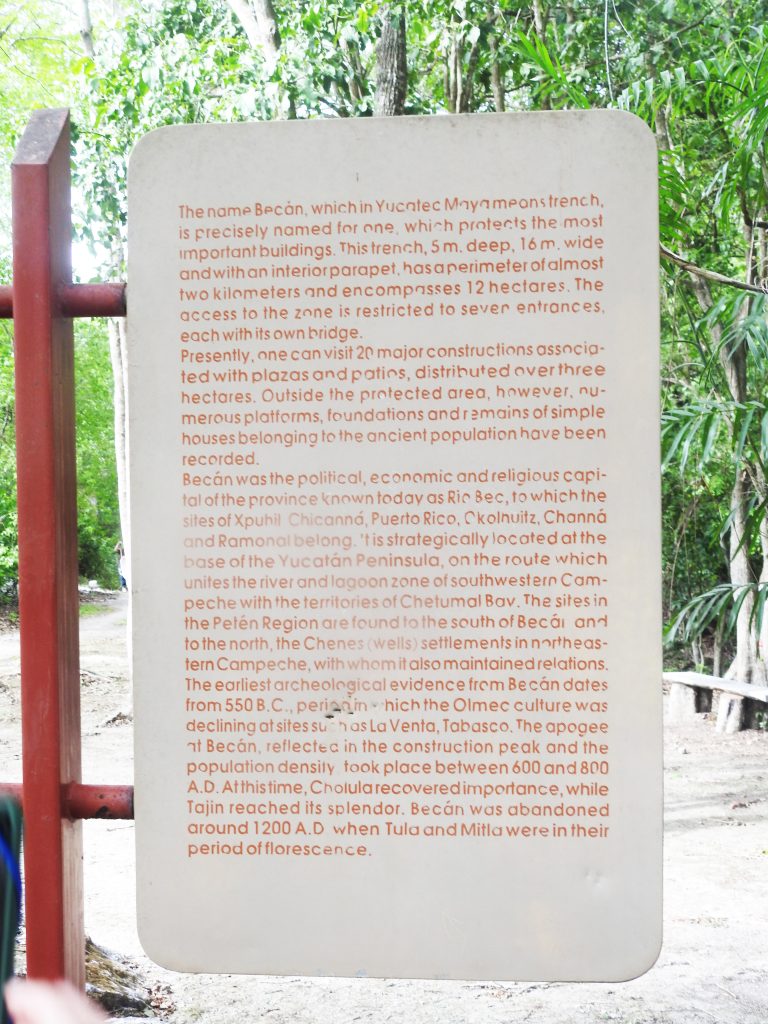
The name “Becán” means “ravine formed by water” in Yucatec Maya, referencing its most striking feature: a deep, man-made moat that surrounds the central ceremonial core — something rare in Maya cities.
Key Features
1. Defensive Moat and Walls:
o A 12-meter-wide moat surrounds the core, with
bridges allowing access.
o It’s the only known Maya site with such a
prominent defensive system.
2. Pyramids and Palaces:
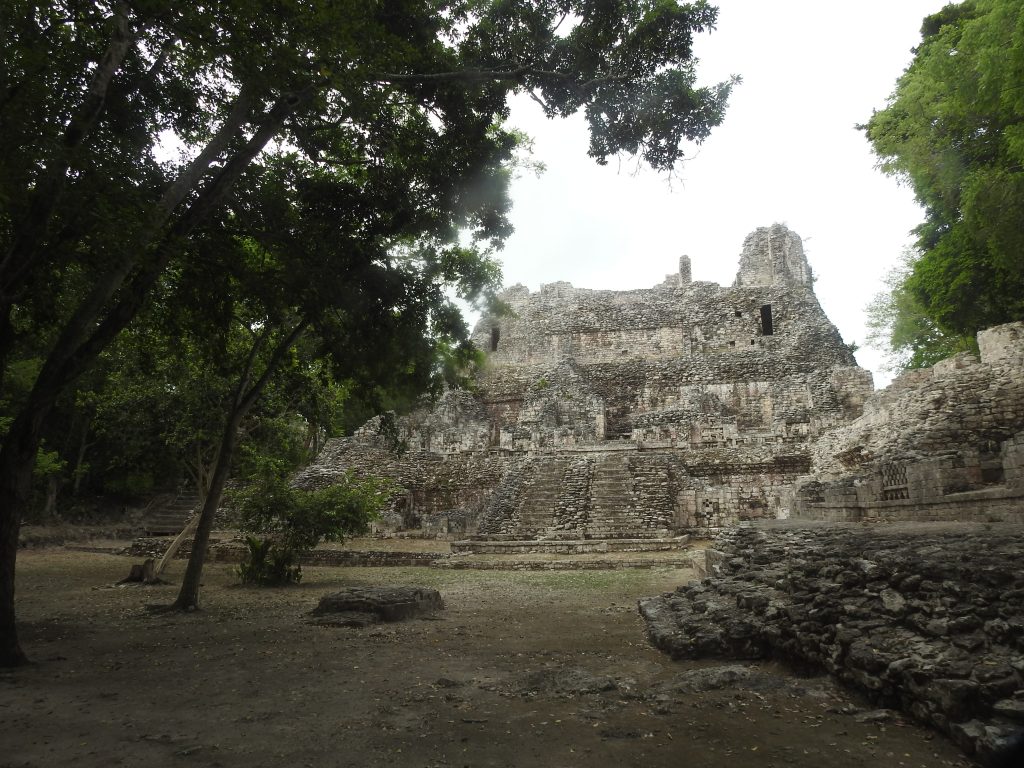
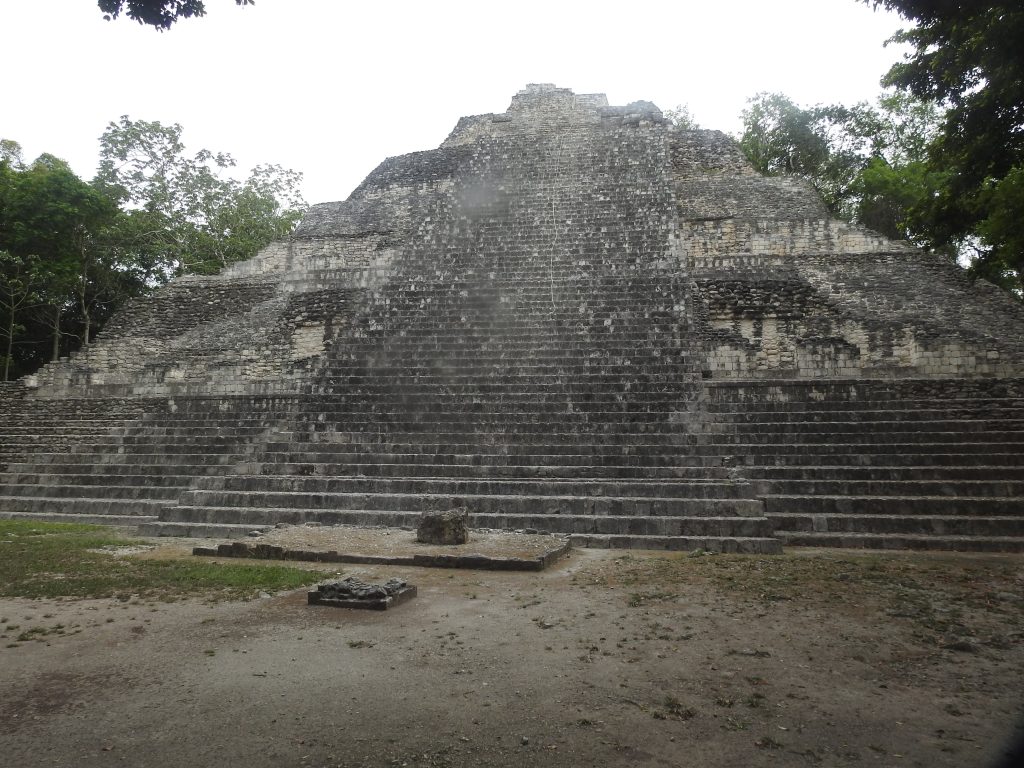
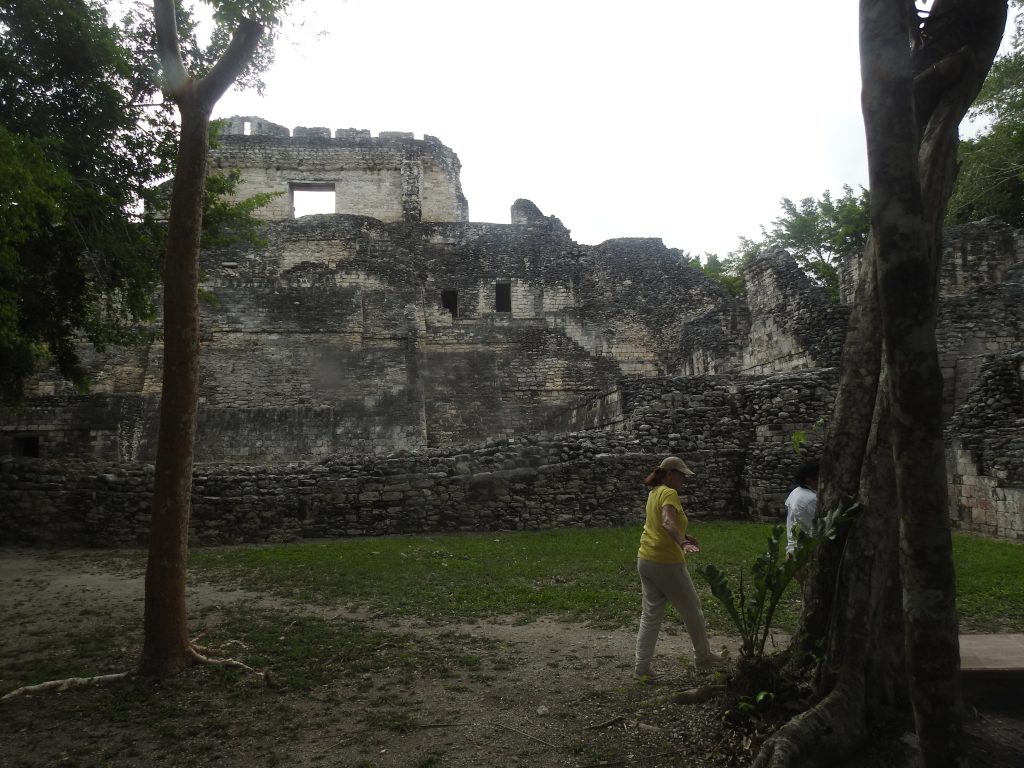
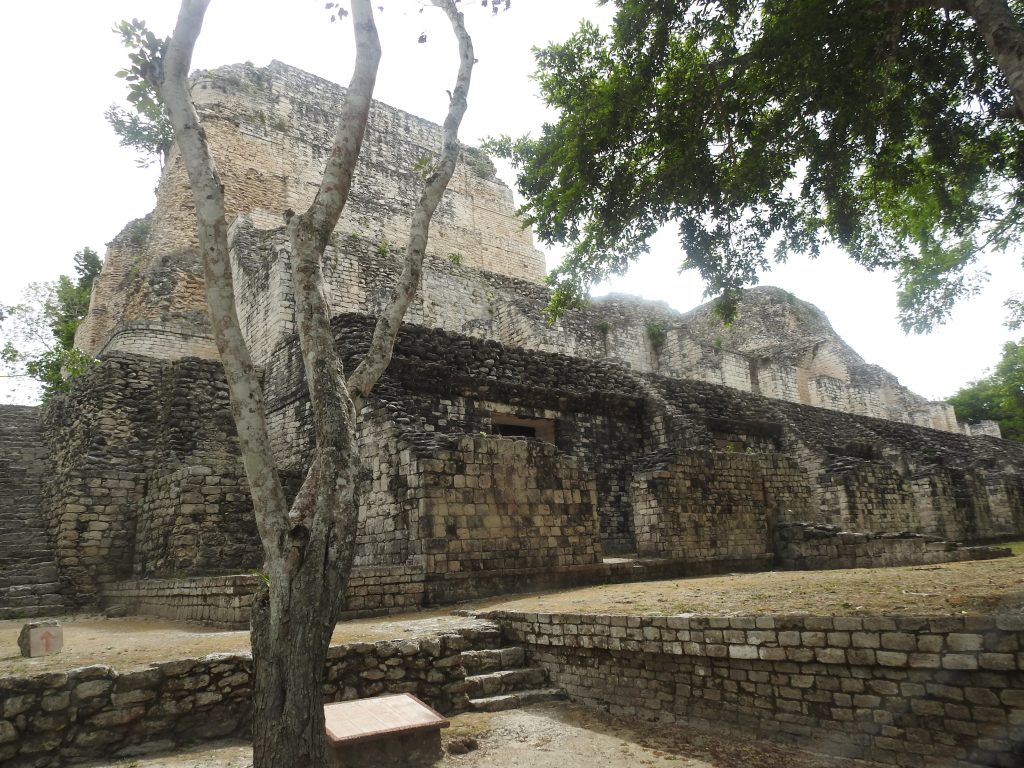
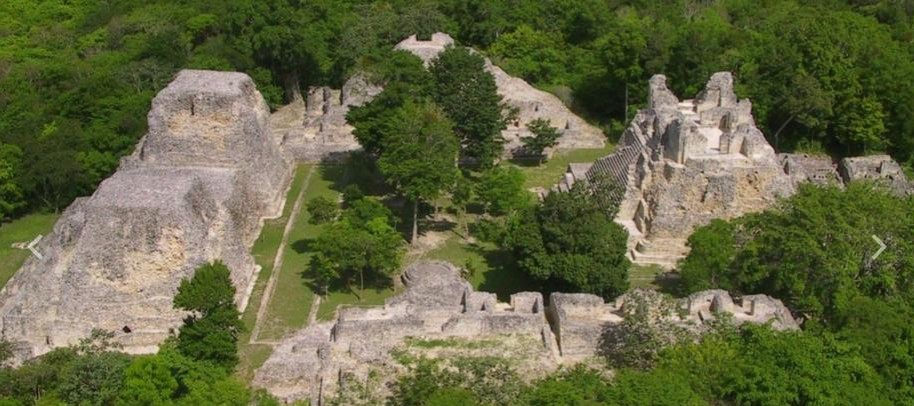
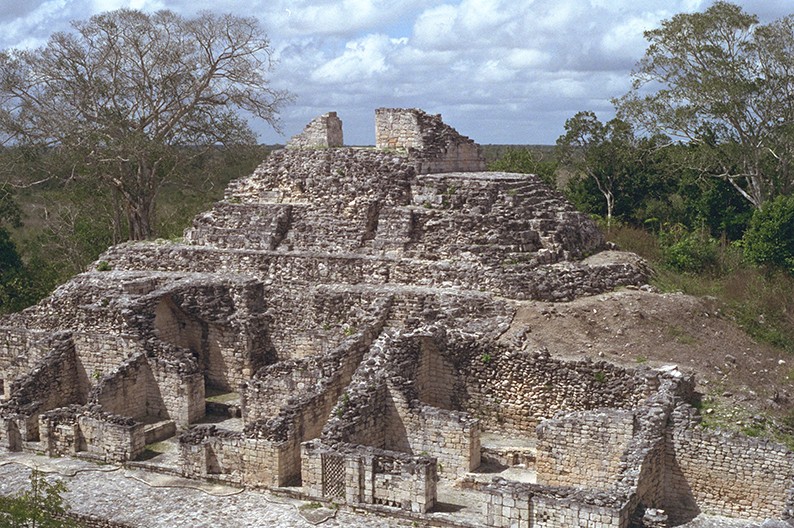
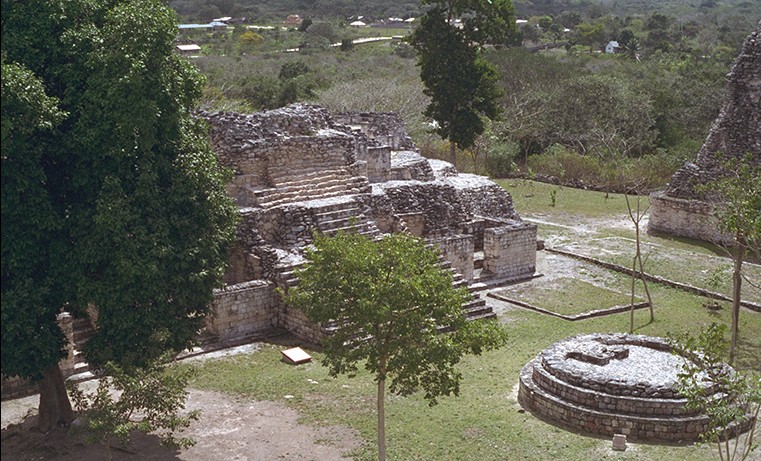
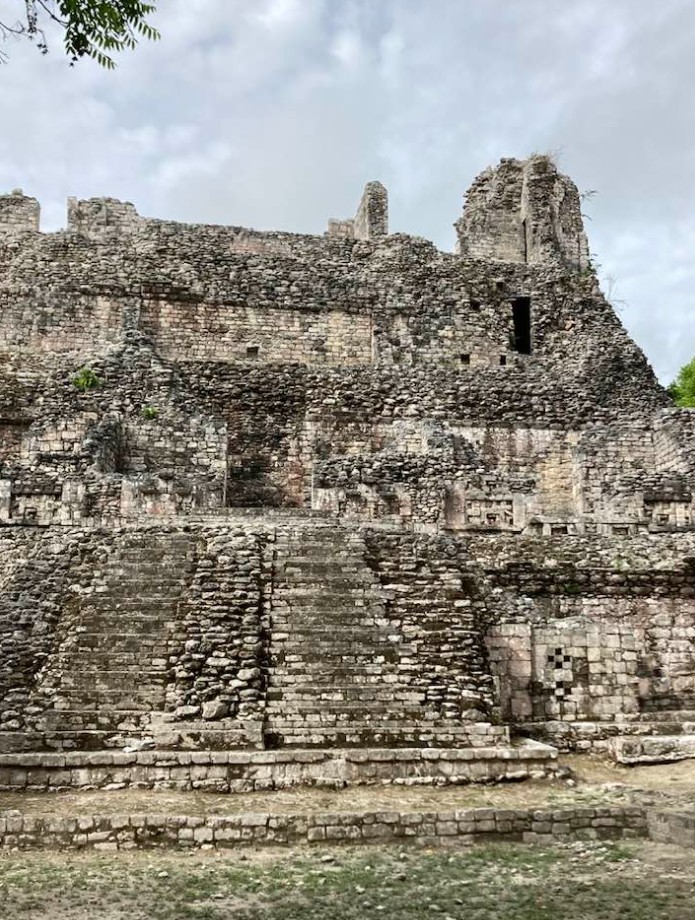
o Becán features impressive pyramids, multi-room
palaces, and plazas.
o Many structures are connected by elevated
causeways (sacbeob).
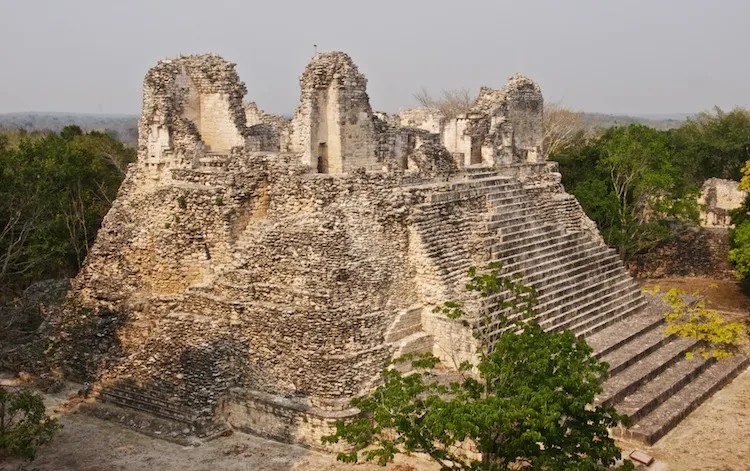
3. Río Bec Architecture:
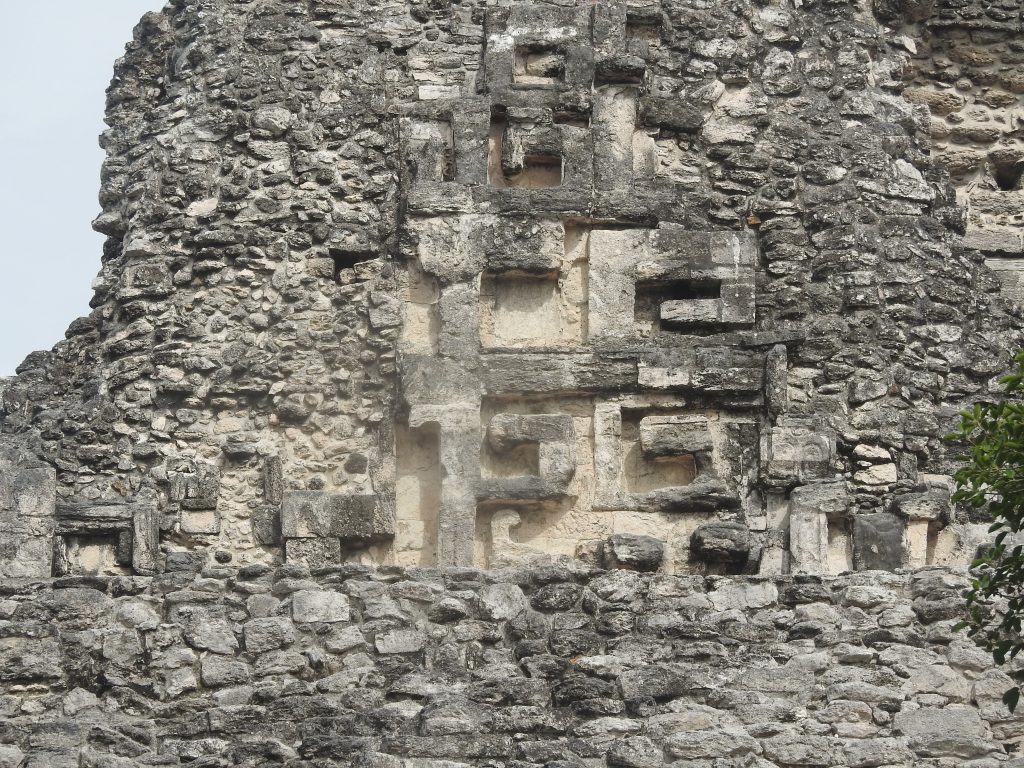
o Buildings often have false stairways and towers
— decorative rather than functional.
The style is unique to this region and also seen in
nearby sites like Chicanná and Xpuhil.
4. Stelae and Altars:
o Several carved monuments (though many are
weathered) depict rulers and ceremonial events.
Experience
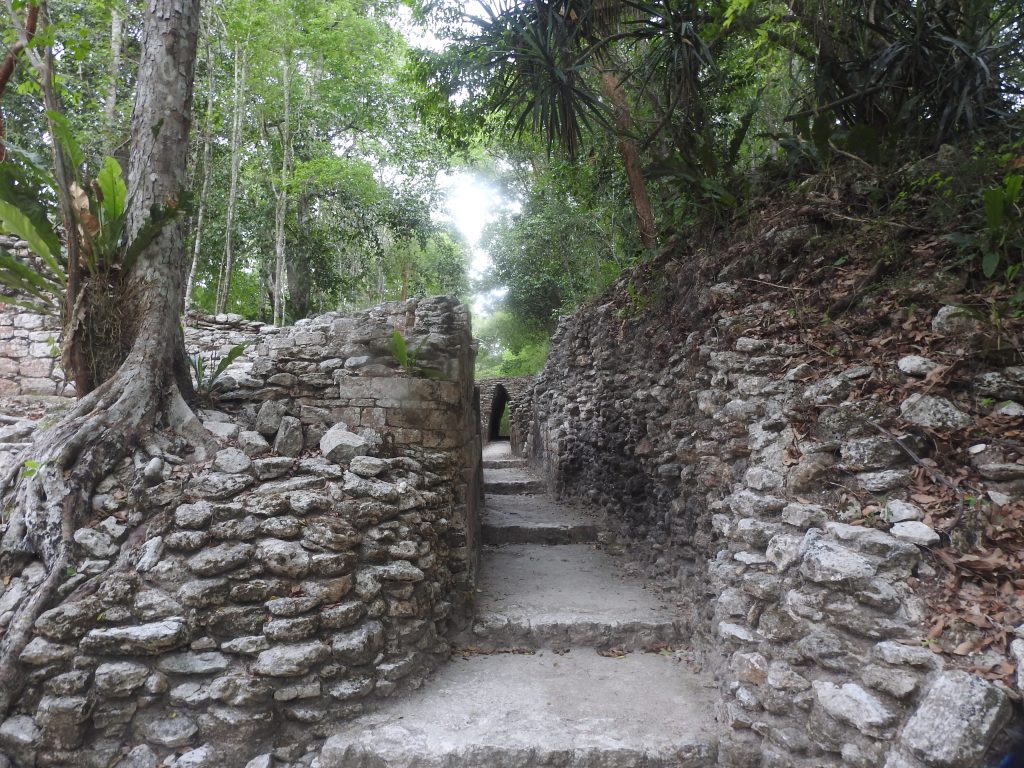
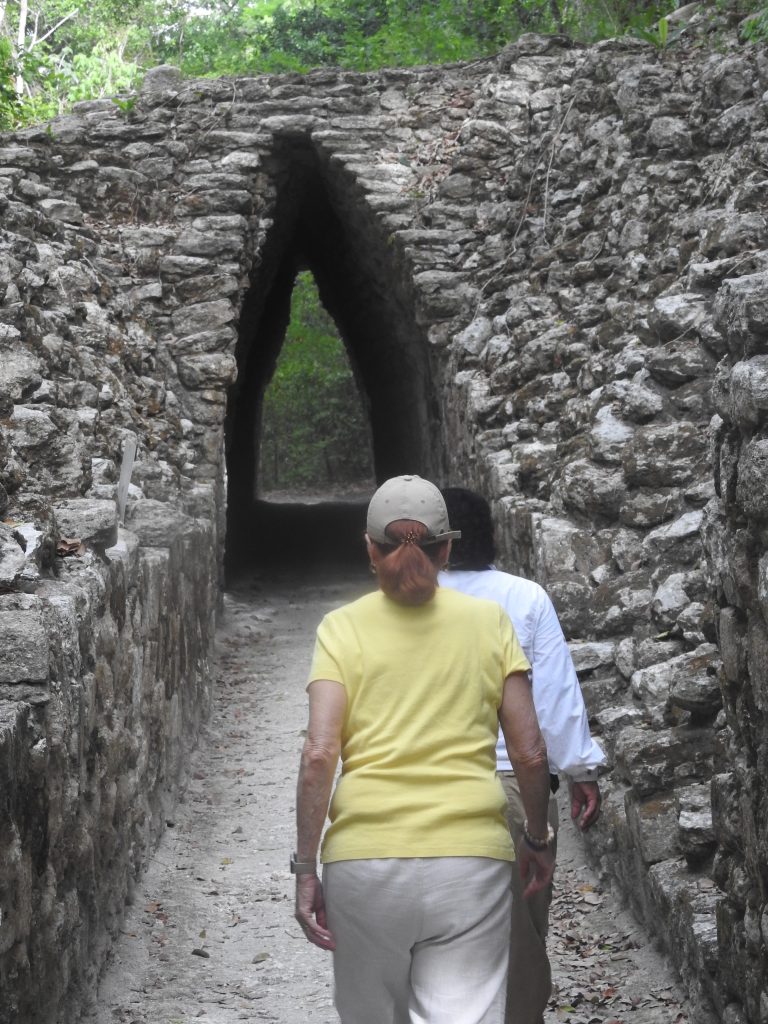
The site is quiet and uncrowded, with paths winding
through thick vegetation.
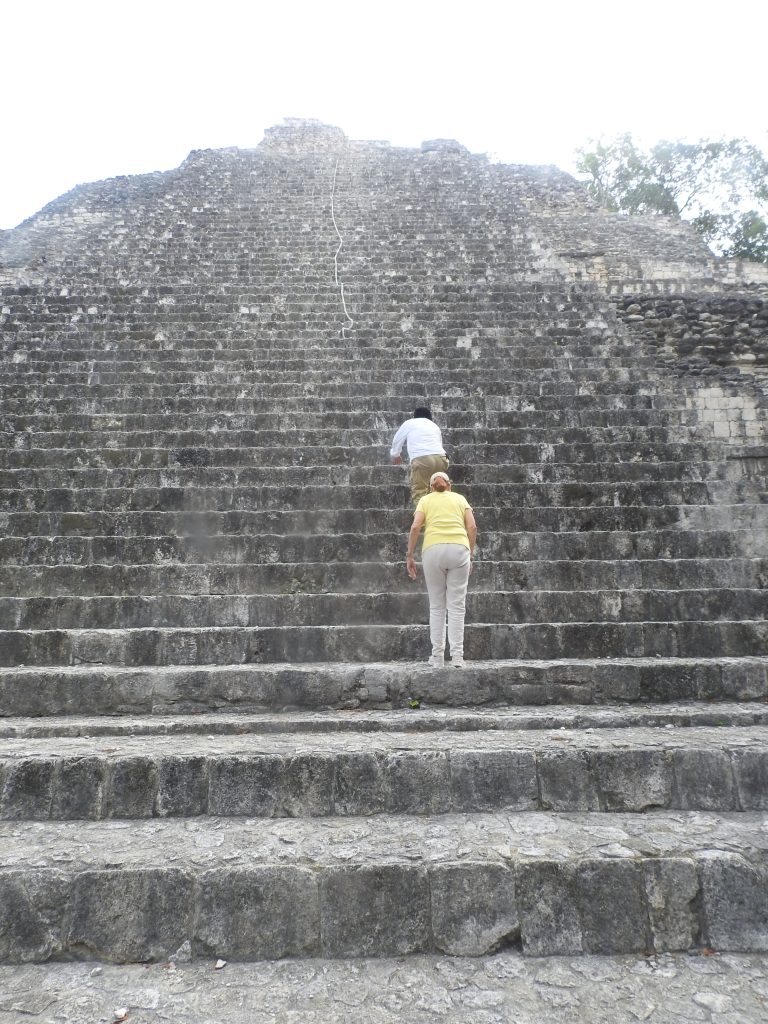
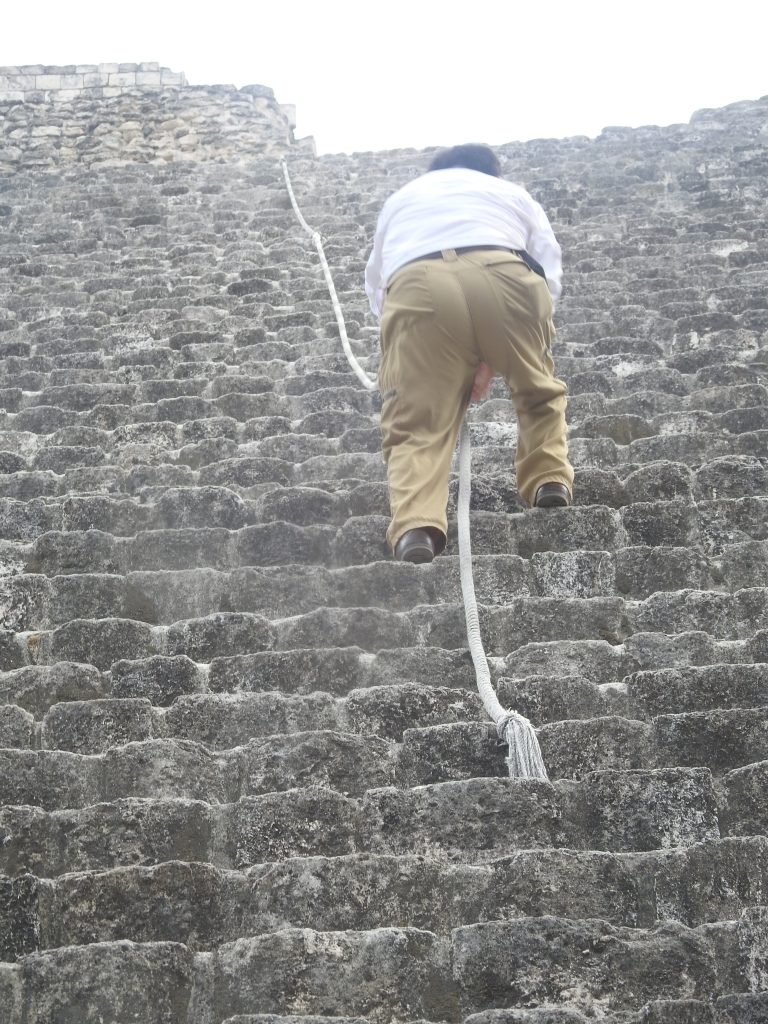
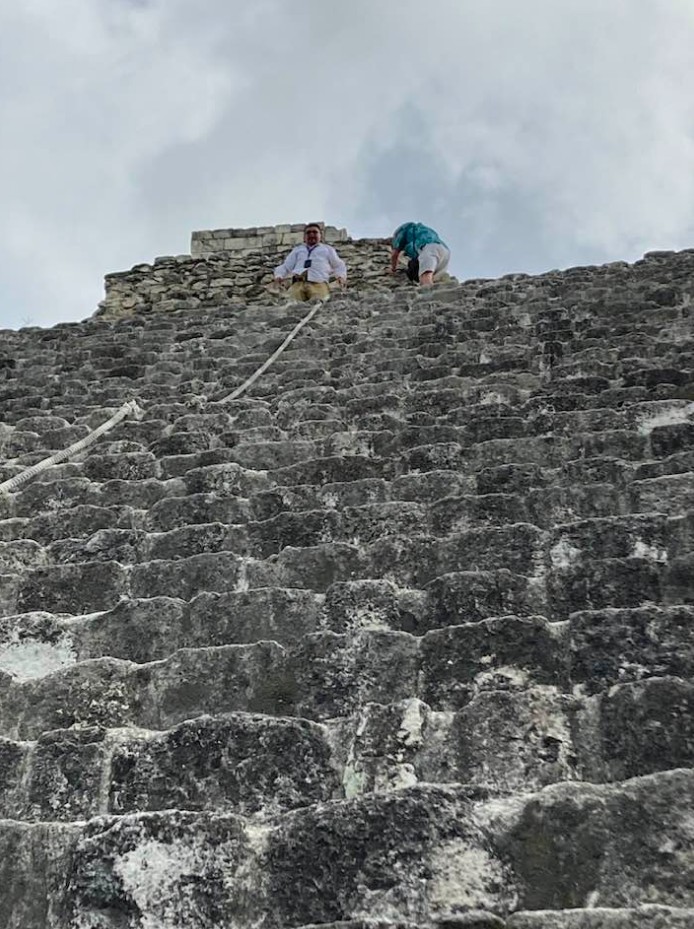
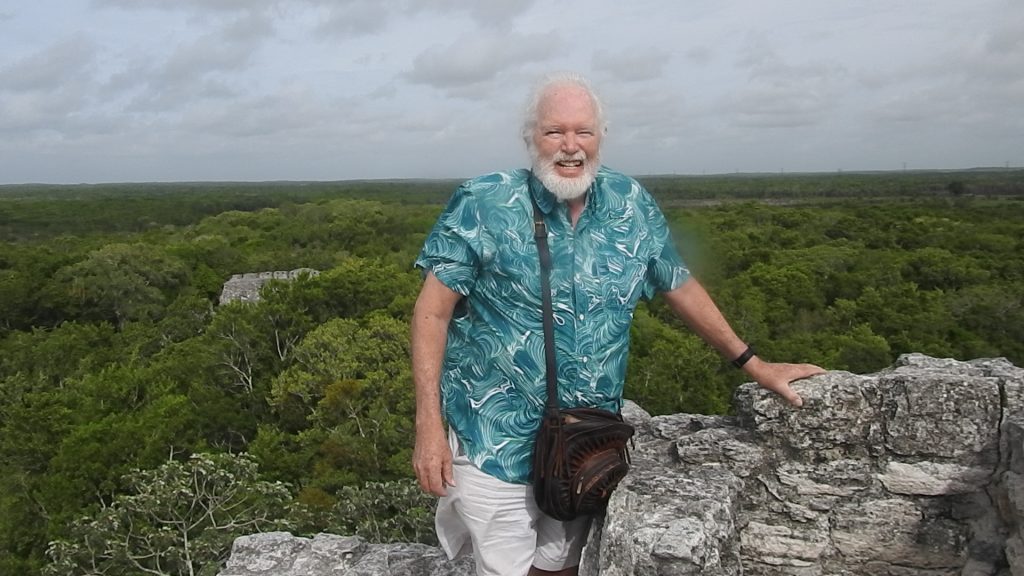
Climbing is allowed on many structures, offering
panoramic views of the forested landscape.
Wildlife sightings (such as toucans and coatis) are
common. (we saw monkeys!)





 Herrick Home Page