
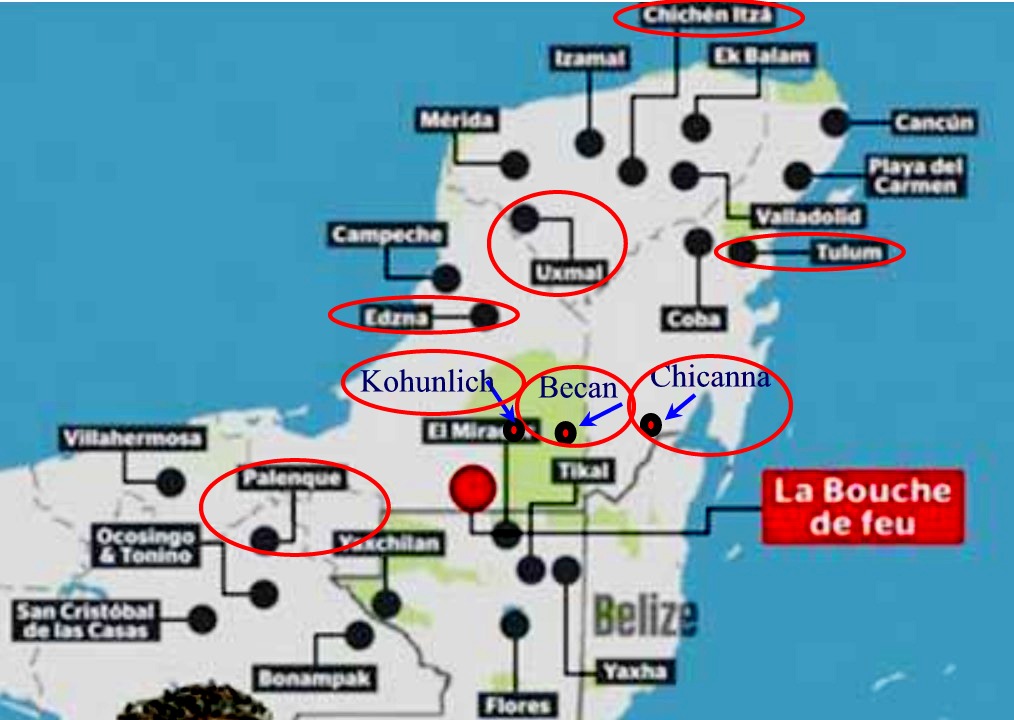
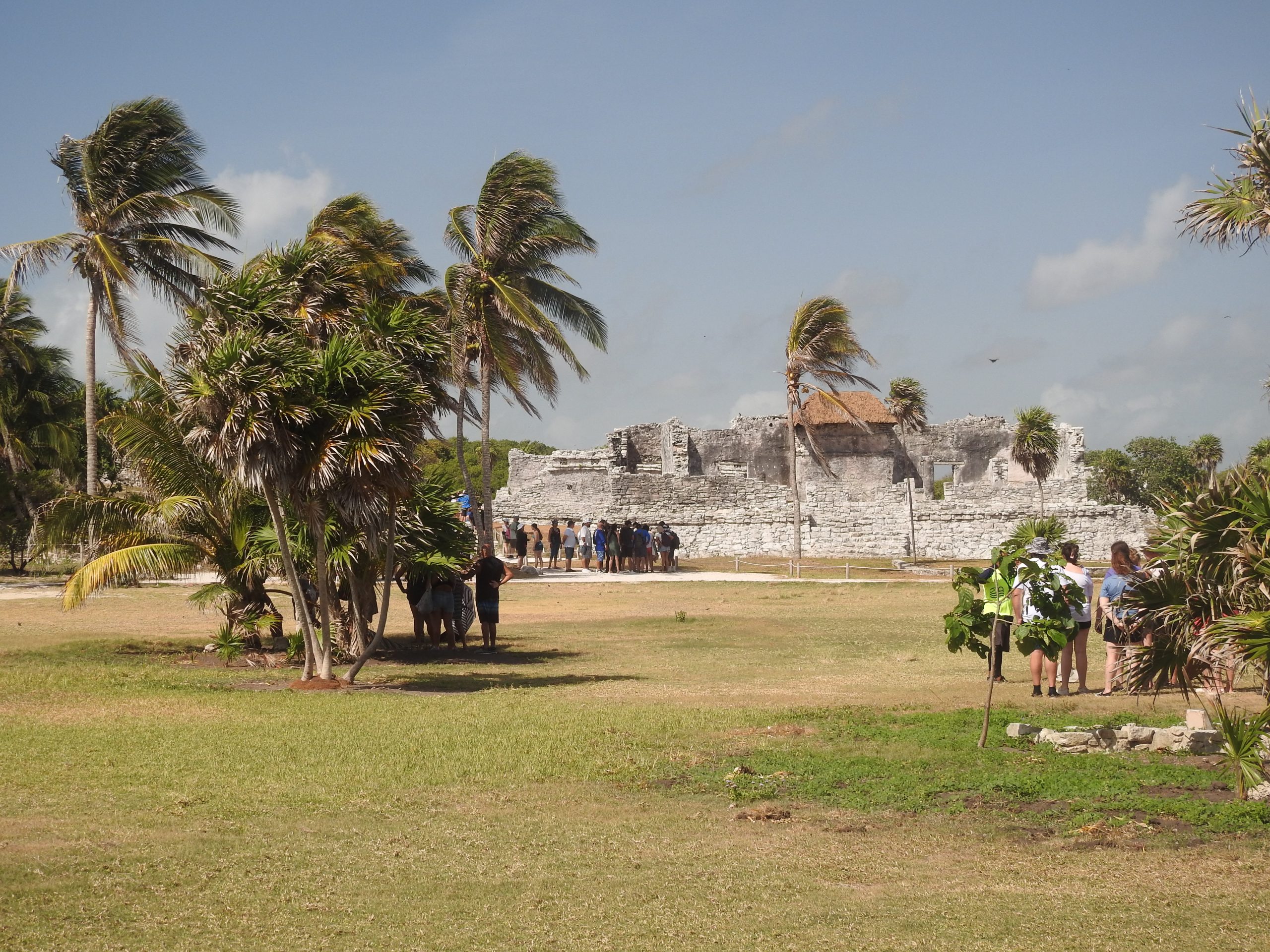
Tulum
Tulum is a pre-Columbian Maya site located on the Caribbean coast of the Yucatán Peninsula, in the Mexican state of Quintana Roo. It's one of the best-preserved coastal Maya cities and uniquely situated on a cliff overlooking the turquoise waters of the Caribbean Sea.
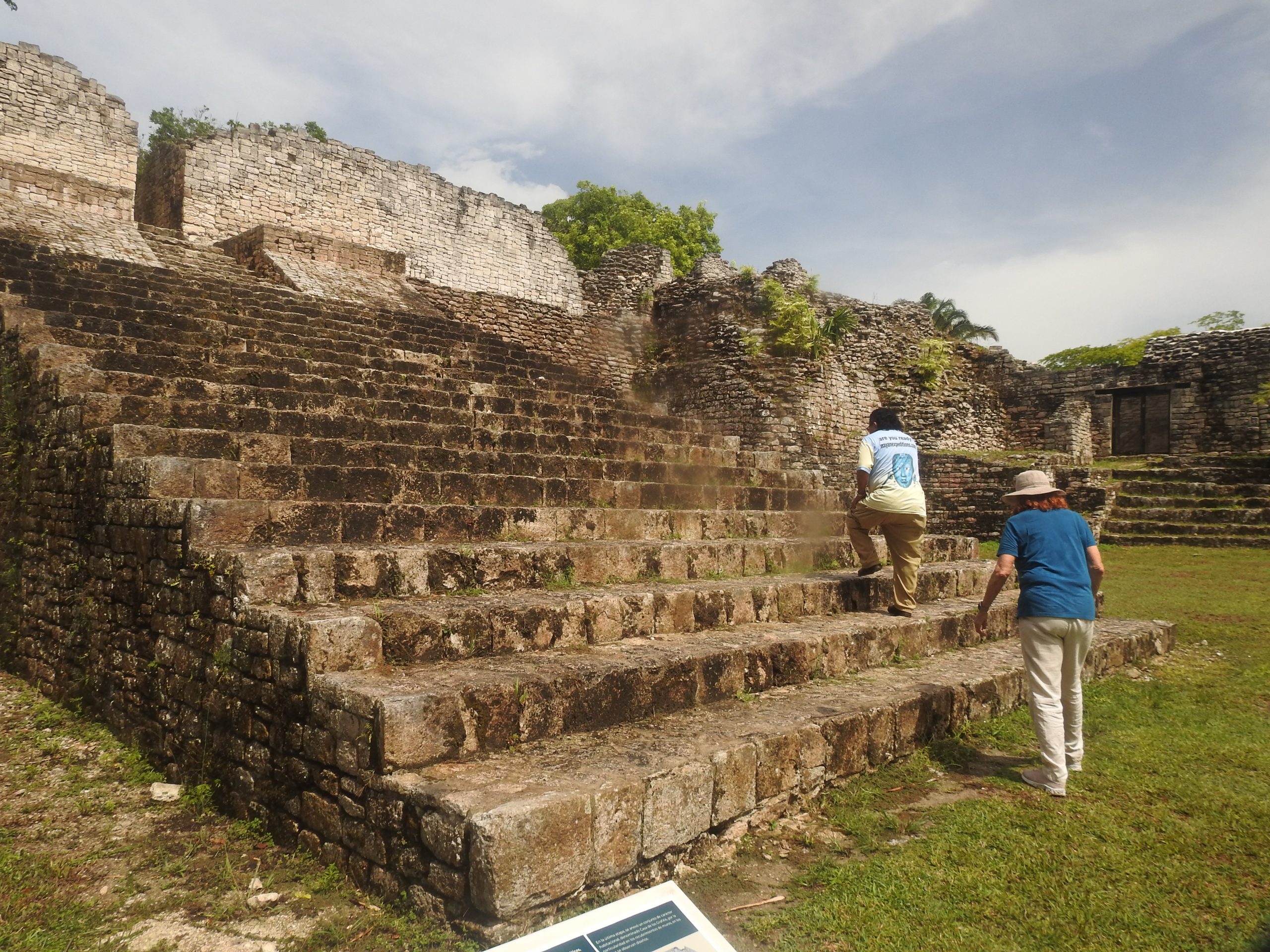
Kohunlich
Kohunlich is a Maya archaeological site located in the state of Quintana Roo, near the border with Belize, and deep in the Maya forest. Unlike the more crowded northern sites like Chichén Itzá or Tulum, Kohunlich offers a more remote, tranquil, and immersive jungle experience.
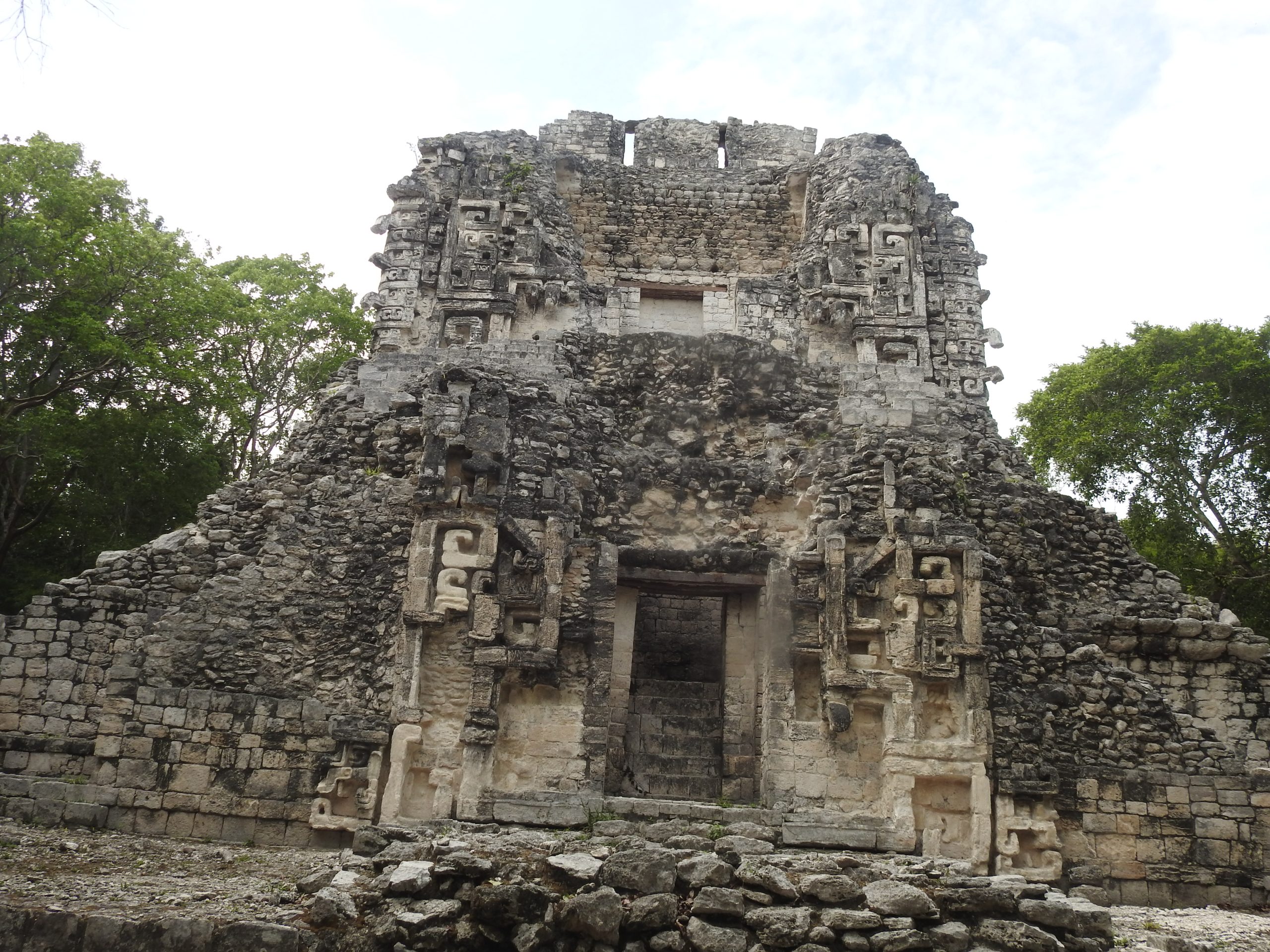
Chicanna
Chicanná is a small but architecturally rich Maya archaeological site located in the Río Bec region, near Becán and Xpuhil. Its name, given in modern times, means “House of the Serpent Mouth” in Yucatec Maya — a reference to the elaborate serpentthemed façade of one of its most iconic buildings.
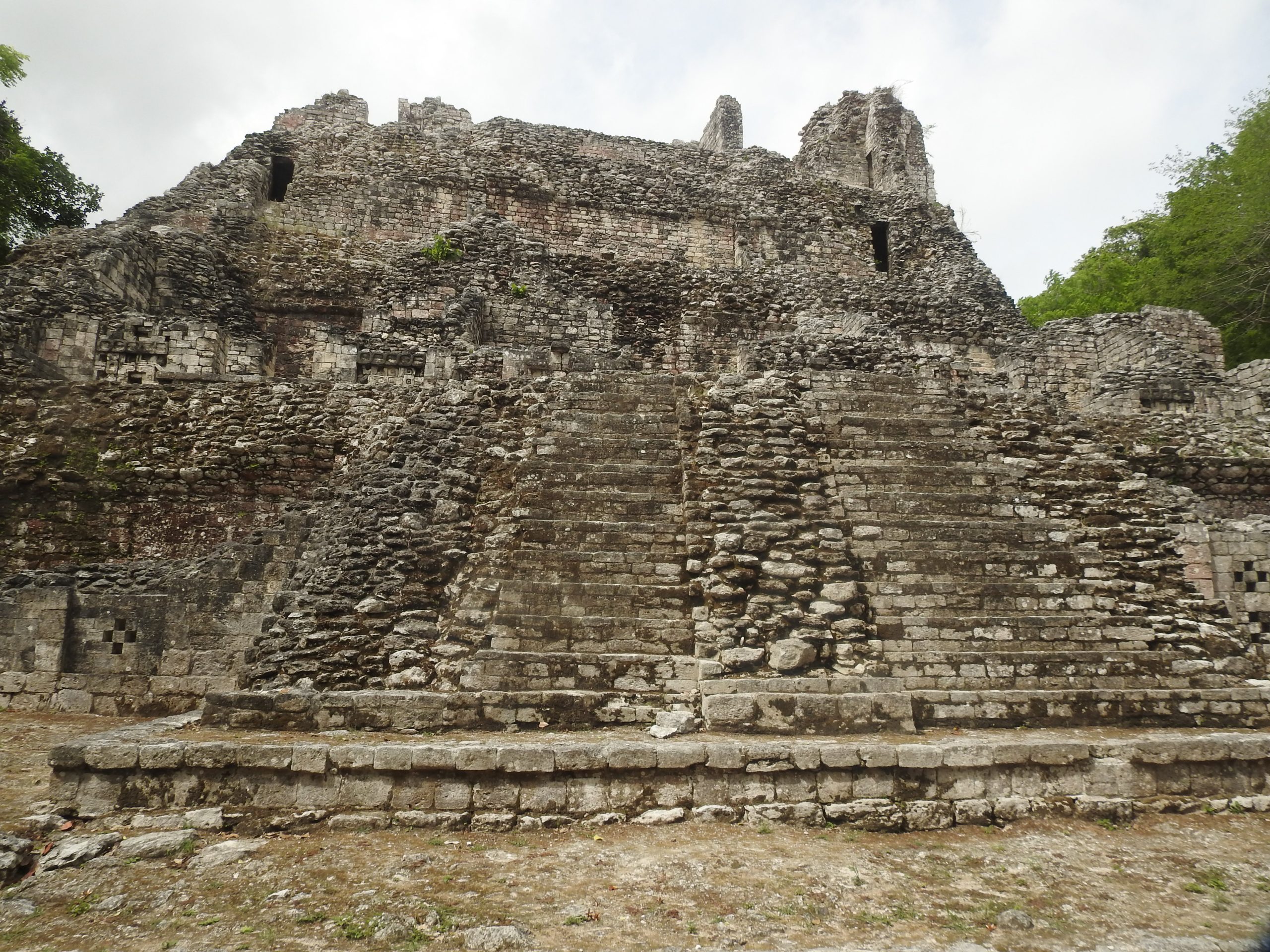
Becan
Becán is an archaeological site in the Campeche region of Mexico’s Yucatán Peninsula, near the modern town of Xpujil. It’s part of the Río Bec region, known for its distinctive architectural style. Becán stands out for its defensive moat, unusual among Maya cities, and its monumental architecture.
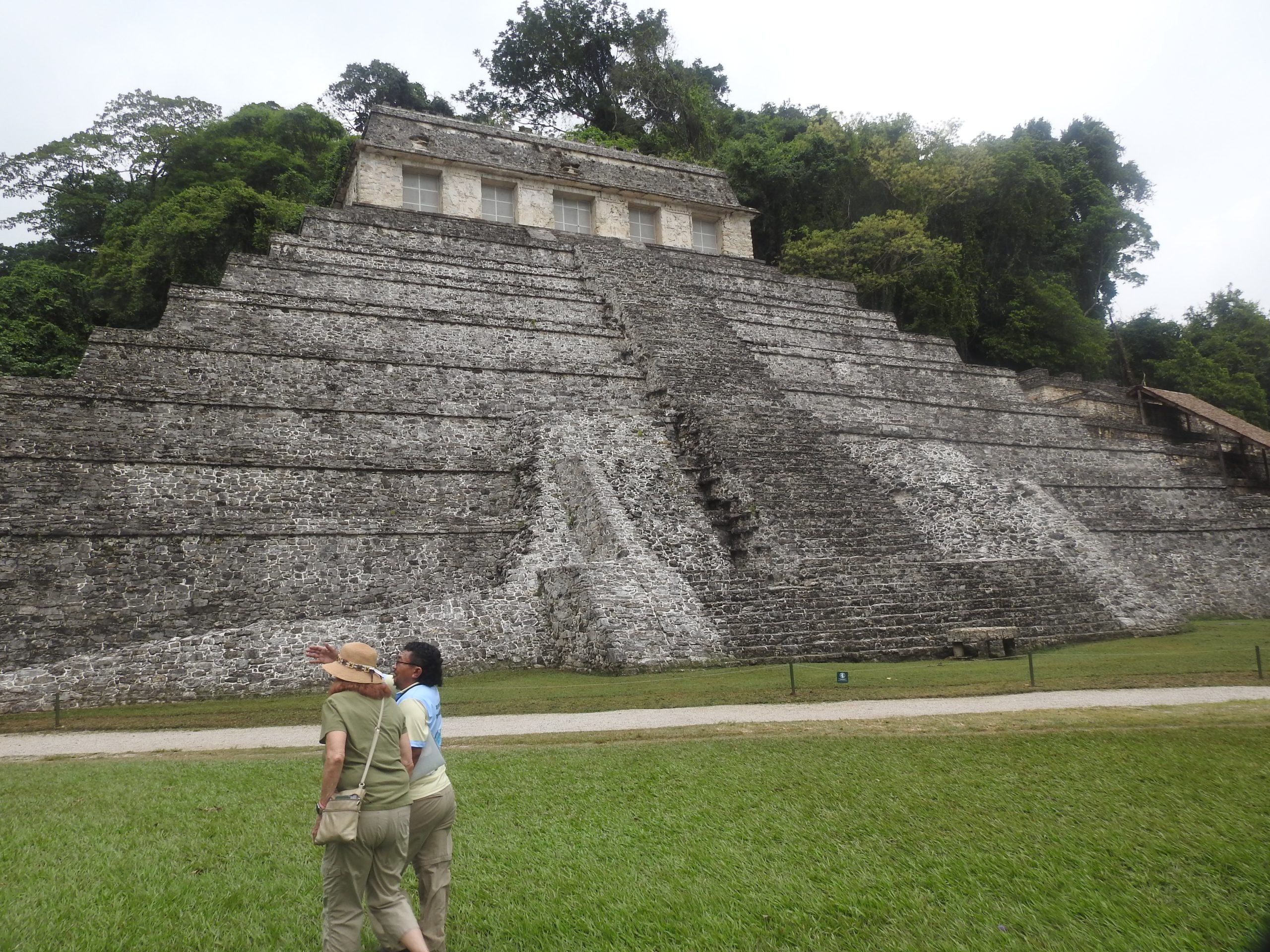
Palenque
Palenque (called Lakamhaʼ in ancient Maya, meaning "Big Water") is a major Maya archaeological site located in the Chiapas jungle of southern Mexico. Renowned for its architectural elegance, intricate carvings, and rich history, Palenque was a powerful city-state that flourished during the Classic Period (approx. 250–900 A.D.).
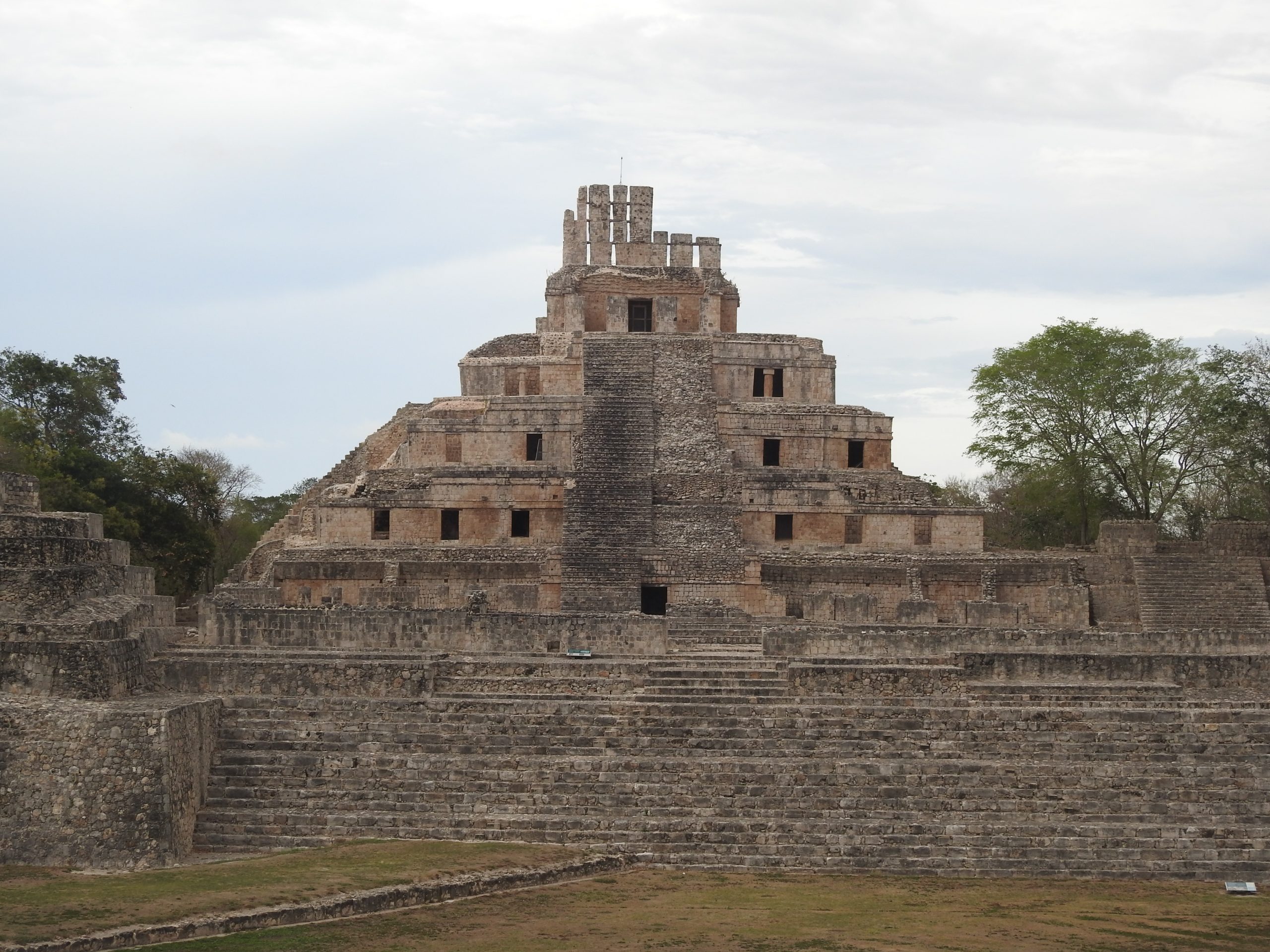
Edzna
Edzná (from Ytzná, meaning “House of the Itzáes”) is a Maya archaeological site located in the Puuc region of Campeche, about 55 km southeast of the city of Campeche. It flourished as a political, economic, and ceremonial center, known for its engineering sophistication, unique layout, and distinctive multilevel pyramid.
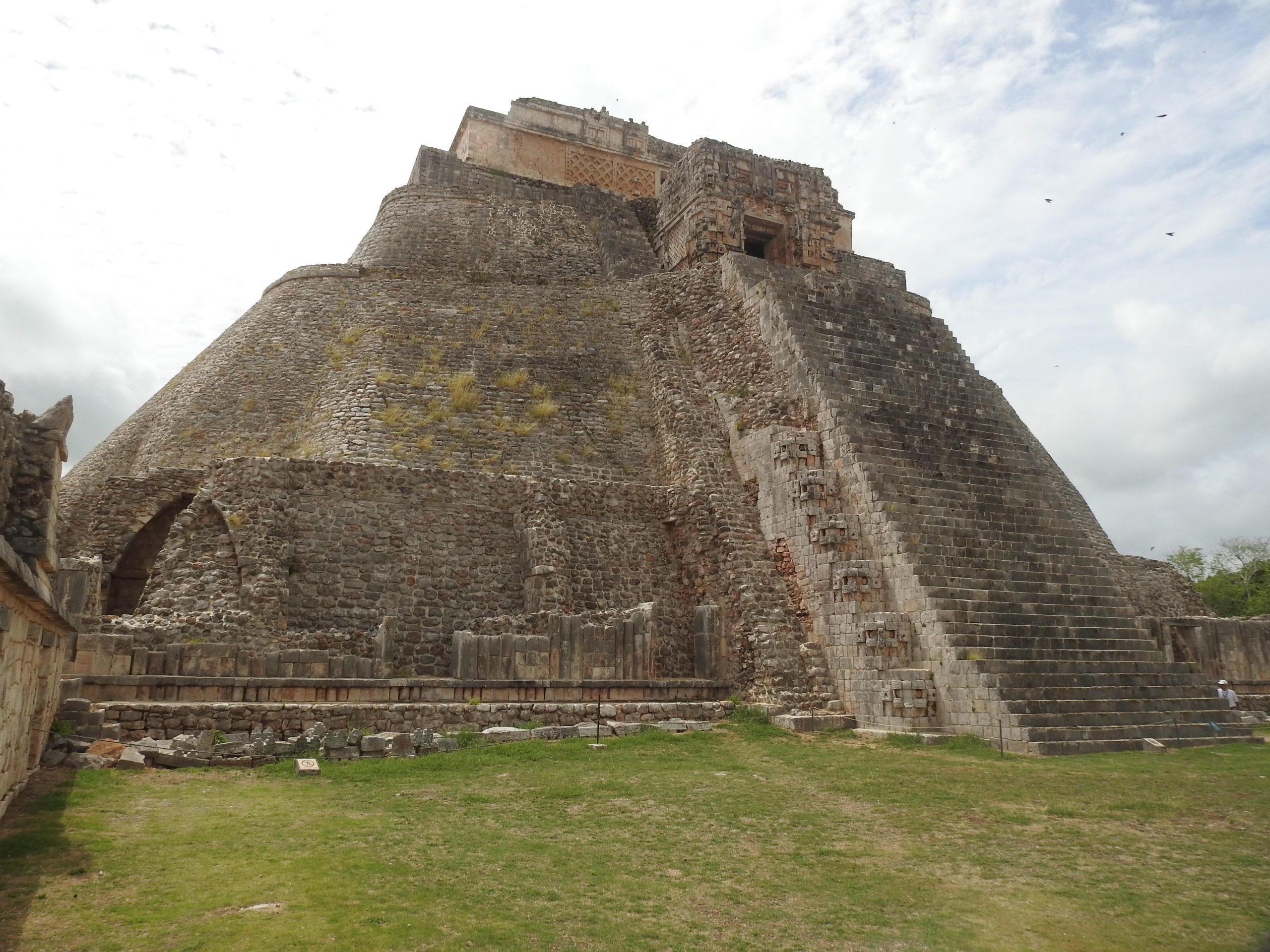
Uxmal
Uxmal (pronounced Oosh-mahl, meaning “Thrice Built” in Maya) is a UNESCO World Heritage Site located in the Puuc region of Yucatán, Mexico. It is widely considered one of the finest examples of Puuc architecture, known for its elaborate stone mosaics, smooth-walled buildings, and grand ceremonial layout.
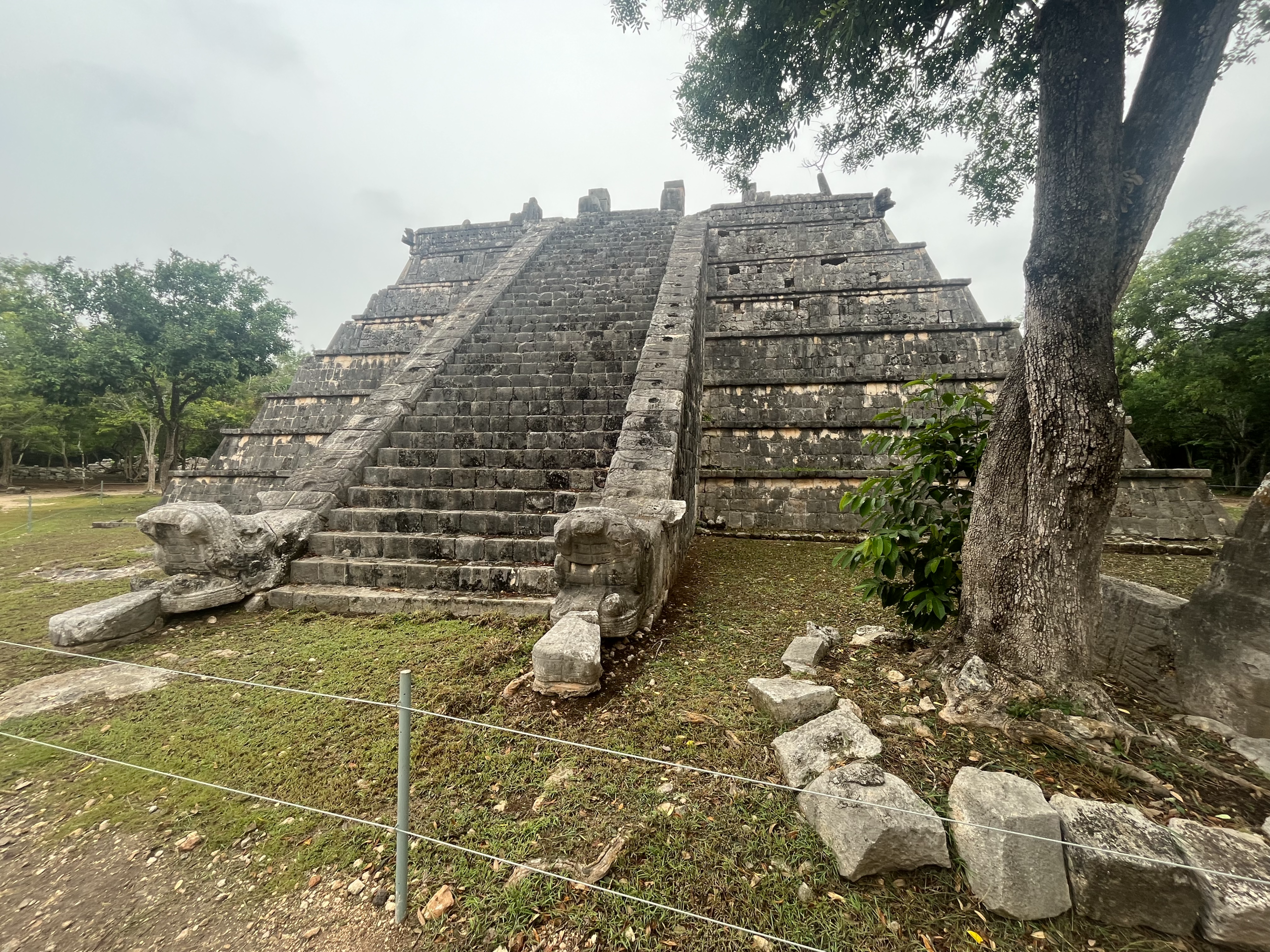
Chichen Itza
Chichén Itzá is a vast ancient Maya city located in the northern Yucatán Peninsula of Mexico. Once a thriving center of politics, religion, commerce, and astronomy, it is now a UNESCO World Heritage Site and one of the New Seven Wonders of the World. Its grandeur, architectural precision, and symbolic alignment with the cosmos make it a must-see cultural treasure.