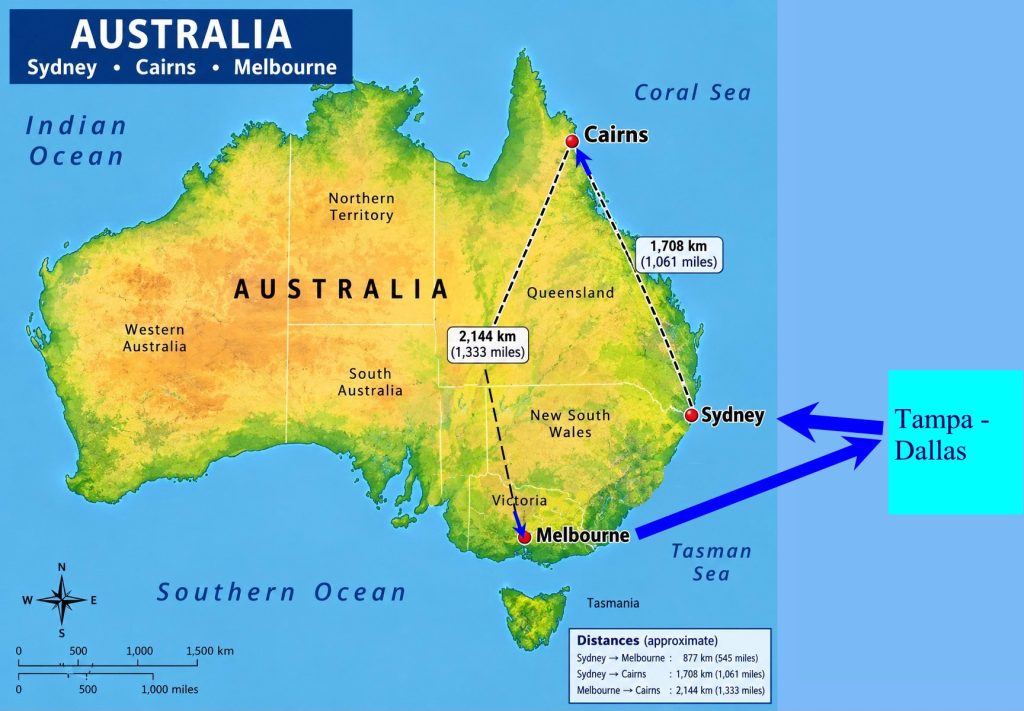
September 12, 2026 to September 24, 2026 – Eileen my travel companion put together an itinerary for a visit to Australia.
Tampa to Dallas, 17 hour flight to Sydney, three days there; then a three hour flight to Cairns, three days there; then three hour flight to Melbourne, three days there; then 17 hours back to Dallas and home to Tamps.
Cairns (kænz, no “r”) weather is like Florida, Melbourne is like Maine, it was spring down there.
Tell about a time that I felt in awe.
During this past trip to Australia I had several times I was in awe!
Moments of Awe Down Under
During a recent trip to Australia, I was struck by three distinct moments of absolute awe—spanning the heights of modern aviation, iconic architectural genius, and the quiet magic of the natural world.
First
The Titan of the Skies: Flying the Airbus A380
Boarding Qantas Flight 8 in Dallas, Texas, I stepped onto one of only 190 active Airbus A380s in the world. Having logged well over 1,100 flights in my life—including trips on the Boeing 747 with its famous upper-deck bubble—I thought I knew what a large plane felt like. The A380 is a completely different beast. Looking up from the tarmac, the two full tiers of cabin windows reveal an aircraft that carries an entire plane-length upper deck.
The engineering scale is staggering:
Dimensions: 238 feet long, 261 feet wide from wingtip to wingtip, and standing nearly 80 feet tall.
Vertical Circulation: A grand, straight staircase spans the forward cabin, complemented by a spiral staircase at the aft.
Payload & Mass: The aircraft can carry up to 853 passengers in an all-economy layout (or around 485–550 in a typical multi-class setup), along with checked luggage and up to 84 tonnes of structural payload.
To feel 500+ passengers, tons of cargo, and thousands of gallons of jet fuel lift effortlessly into the air, climbing above 35,000 feet for a 17-hour transpacific journey, left me completely spellbound.
In Dallas, Texas, we boarded one of the Airbus A380 airplanes, this one flown by Qantas. I had never heard of the A380, as I said, I had flown in a 747 with an upstairs for first class (where I was at the time), but this plane has an entire plane length section of seats! on top!
Note theTWO rows of windows!
Two decks for passengers!
Spiral staircase to go upstairs in the aft section of the airplane!
We were in row 75! The plane can carry 853 passengers if all regular class, 550 if First and Business class are configured! On Qantas’s A380 configuration, First Class is actually on the main (lower) deck at the front (Rows 1–5). The upper deck houses Business Class, Premium Economy, and a small lounge! The plane has a full set of stairs forward and spiral stairs aft! I was blown away!
To carry 853 people and two sets of heavy stairs and still have room below for baggage and commercial loads, it is immense!
Payload and Weight Limitations
Despite its immense physical size, the A380 has a maximum structural payload limit of around 84,000 kg (84 tonnes / ~185,000 lbs).
Weight Trade-off: Carrying 500+ passengers (reduced from 800 due to the space allocated for First Class and Business Class), their checked bags, crew, catering, and thousands of gallons of heavy jet fuel for ultra-long-haul flights uses up most of the aircraft’s Maximum Takeoff Weight (MTOW).
Limited Extra Cargo: On fully loaded long-distance flights, airlines can usually only fit around 10 to 15 tonnes of commercial belly freight—significantly less extra cargo than smaller twin-engine aircraft like the Boeing 777-300ER or Airbus A350-1000.
Key Exterior Dimensions
Length: 72.72 m (238 ft 7 in)
Wingspan: 79.75 m (261 ft 8 in)
Height: 24.09 m (79 ft 0 in)
Cabin Length: 49.90 m (163 ft 9 in)
(Fun fact: Although it is the largest passenger plane by overall volume and capacity, its total length is slightly shorter than the Boeing 747-8 which is 76.3 m / 250 ft 2 in).
To get 185,000 pounds of aircraft up into the air and fly at 35,000 to 41,000 feet as it burns fuel and gets lighter, for 17 hours is amazing. I was in awe.
Second:
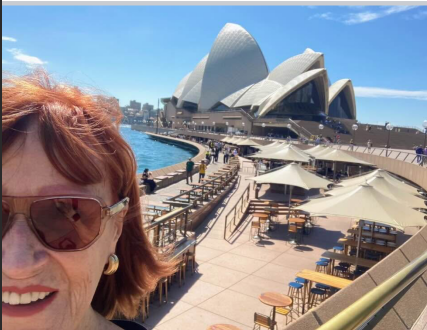
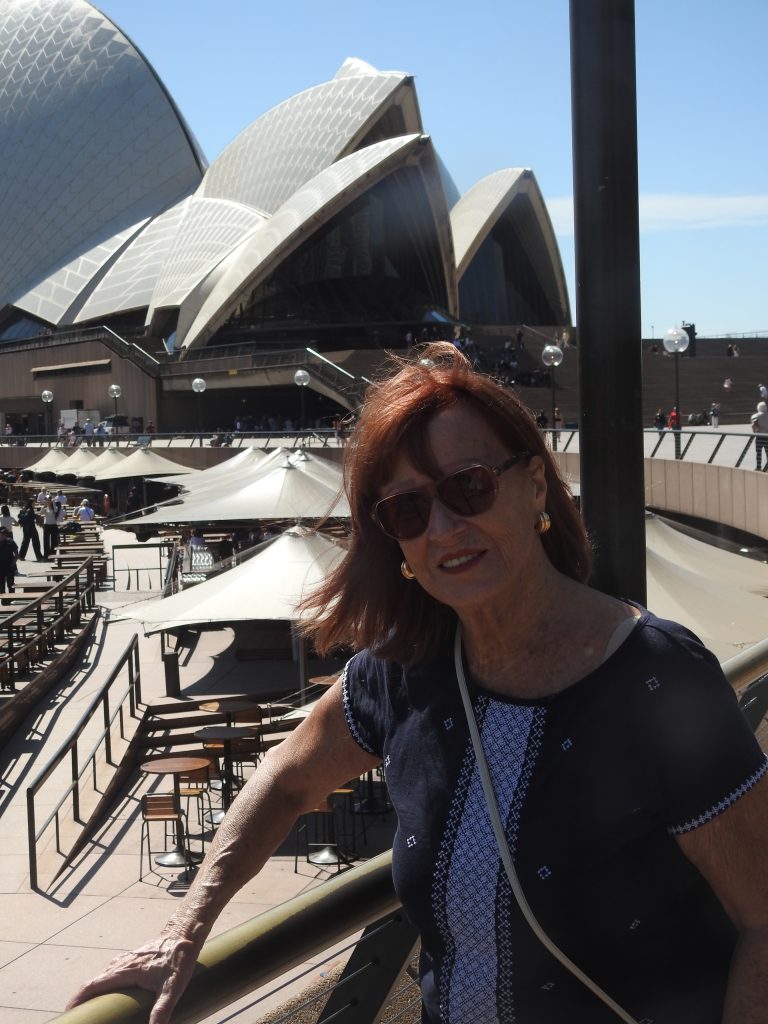
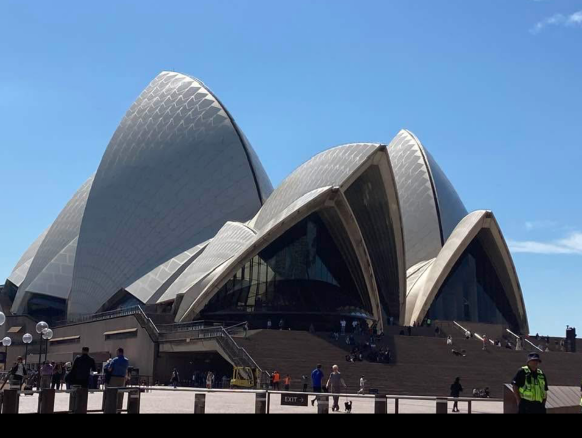
Sitting on the dock in Sydney in front of the Opera House, I was also in awe. Architectural Harmony: The Sydney Opera House
Sitting on the harbor dock with the Sydney Opera House towering above, the sheer geometry of the building commands total respect. Designed by Jørn Utzon, its soaring roof shells look weightless, but the physical stats reveal an engineering marvel anchored deep into Bennelong Point:
Opera House Dimensions & Structure
Overall Length: 183 meters (600 ft)
Maximum Width: 120 meters (394 ft)
Highest Point: 67 meters (220 ft) above sea level (equivalent to a 22-story building)
Footprint Area: Covers approximately 1.8 hectares (4.5 acres) of land on Bennelong Point
Foundations: Supported by 588 concrete piers sunk up to 25 meters (82 ft) below sea level
Iconic Roof “Shells”
Geometric Origin: The complex curved geometry of the roofs was derived from sections of a single imaginary sphere of 75.2-meter (246 ft 8 in) radius.
Precast Concrete Sections: Consists of 2,194 precast concrete rib sections, held together by 350 kilometers (217 miles) of tensioned steel cable.
Roof Tiles: Covered by 1,056,006 Swedish ceramic tiles arranged in a subtle chevron pattern in glossy white and matte cream shades.
Glass & Exterior Cladding
Glazed Walls: Features over 6,225 square meters (67,000 sq ft) of custom bronze-tinted glass walls designed to hang down from the roof shells.
Granite Podium: The large concourse and outdoor spaces are clad in pink granite aggregate panels quarried in Tarana, New South Wales.
Internal Venues & Capacities
Venue Seating CapacityKey Features
Concert Hall 2,679, Contains the Grand Organ with 10,154 pipes
Joan Sutherland Theatre 1,507, Home venue for Opera Australia and The Australian BalletDrama
Theatre 544, Proscenium arch theatre used for plays and drama
Playhouse 398, Single-tier theatre for music, dance, and spoken word
Studio 280–400, Flexible layout space for contemporary performances
Utzon Room~200, Small chamber music venue designed internally by Utzon
The Roof Spheres: The iconic “sails” were cast from 2,194 precast concrete rib sections, tensioned together by 217 miles of steel cable and clad in over 1.05 million Swedish ceramic tiles that glisten in cream and white against the blue water. The building is amazing; it has seating for 5,700 people across all venues. I was in awe here!
Third:
The Phillip Island Penguin Parade (located roughly 140 km / 87 miles southeast of Melbourne) is a famous wildlife reserve where wild Little Penguins return to their burrows at dusk every evening after foraging at sea.
A commercial photo, we were not allowed photographs.
Conservation Magic:
At Summerland Beach on Phillip Island I experienced a completely different kind of awe—one rooted in conservation and quiet wonder. Every evening at sunset, wild Little Penguins (Eudyptula minor, the world’s smallest penguin species at just 13 inches tall) emerge from the ocean after days of foraging at sea.
Because light pollution and camera flashes startle the birds and prevent them from returning to feed their chicks, photography is strictly prohibited. What impressed me most was how seamlessly Australia built a world-class viewing reserve around these wild animals:
Invasive-Free Infrastructure: Elevated wooden boardwalks, specialized low-wavelength lights that don’t disorient the birds, and underground viewing bunkers allow nearly 2,500 guests per night to observe without disrupting the ecosystem.
Up-Close Encounters: Walking along the boardwalks, we were standing just two feet away as the penguins waddled past. Grouped in small clusters of four to six, they tumbled over the sand, stopping and starting as they made their long trek from the surf back to their burrows in the scrubland.
In illuminated silence, watching these tiny blue-and-white birds navigate right beside us—oblivious to the crowd above—was total cuteness overload and a testament to how human engineering can exist in total harmony with nature.
1. Subject Specifications (Little Penguin)
Scientific Name: Eudyptula minor
Average Height: 33–43 cm (13–17 inches) — world’s smallest penguin species
Average Weight: 1.0–1.5 kg (2.2–3.3 lbs)
Plumage Color: Indigo blue / slate-grey back with a bright white front
Diet: Small schooling fish (pilchards, anchovies), squid, and krill
Average Lifespan: 6 to 7 years in the wild
2. Location: Summerland Beach, Phillip Island, Victoria, Australia
Distance from Melbourne CBD: ~140 km (87 miles)
Transit Time: 90 minutes to 2 hours’ drive
Timing: Daily at sunset (ranging from ~5:15 PM in winter to ~8:45 PM in peak summer)
3. Facility & Viewing Options
The reserve features an eco-designed visitor center and elevated boardwalks to protect penguin nesting grounds.
Viewing OptionCapacityDescription / LocationGeneral Viewing~2,000 people
Multi-tiered concrete grandstand seating directly facing Summerland Beach.
Penguins Plus~300 people
Elevated wooden platform located right alongside one of the main “penguin highways”.
Underground Viewing~70 people
Climate-controlled indoor bunker with eye-level glass windows as penguins waddle past.
Penguins Premium~80 people
Small, exclusive beachfront seating platform further down the beach.
4. Conservation Rules & Specifications
Photography & Video Policy: Strictly prohibited after sunset. Cameras and mobile phone flash/lights startle the penguins, causing them to retreat into the ocean or delay feeding their chicks.
Lighting Infrastructure: Specially calibrated boardwalk lighting uses specific wavelengths to avoid disorienting the birds.
I was in awe at the lengths Australia has gone to to protect the penguins and enhance the experience for 2500 people without affecting the penguin’s daily trek! We walked right beside them! Two feet away, and the little penguins were oblivious to us! They waddled a long way from the beach to their dens in the woods, and we walked right beside them. They were well lit, so we could watch them but I do not think that they could see us. They came in groups of 4 to 6, bumping into each other, starting and stopping as they progressed along, Cuteness overload!
Tampa – Dallas – Sydney – Cairns – Melbourne – Dallas – Tampa
Saturday, Sept 12
5:13 PM American Airlines Flight 1957,
7:10 PM Arrive Dallas, 2 hour 45 minute layover
10:55 PM Depart Dallas for Sydney
Sunday, Sept 13 AIRBORNE
Monday, Sept 14
6:55 AM Arrive Sydney
Take T8 train to Central Station, walk to Ibis Styles Hotel
Take UBER to Hotel, approx $40
Drop off bags or checki-in
Explore Harbor area, Hop on City Circle train at Museum Station
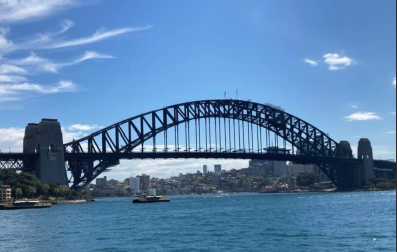
Look-see at Circular Quay, Sydney Opera House, Harbor Bridge,
Cobblestone streets (The Rock), Royal Botanical Gardens
Afternoon Go to Woolworth’s(Woolies), 540 George St, to buy snacks/beverages
Tuesday, Sept 15
7AM Meet at Rydges World Square Hotel
Blue Mountains Day Trip including Scenic World
Featherdale Wildlife Park, The Three Sisters, Scenic World,
Ends with Parramatta River cruise to Circular Quay.
(10 hours)
Wednesday, Sept 16
6:30 AM Breakfast
10AM Hyde Park Barracks (Unesco site)
Noon Parliament House (public area is FREE to enter)
State Library (free underground history galleries, maps, relics)
2PM Australian Natural History Museum
4PM Tank Stream Mountain
7PM Dinner Mother Chu’s Vegan (near hotel)
Thursday, Sept 17
6:30 AM Breakfast
After breakfast visit Queen Victoria Building (QVB)
It’s a ten minute walk up George St. Boutiques, local brands.
11AM Check out
12:15 Uber or rail to Sydney Airport
Walk 4 minutes to Museum Station, hop on T8 Airport Line (15 min)
Or Uber (20 minutes)
3:10 Flight to Cairns
6:25 Arrive Cairns
7PM
Friday, Sept 18
Planned, but 30 knot winds cancelled the snorkeling.
10AM Pure Snorkeling Check-in, Video
Noon Boat to Great Barrier Reef, 4 hours
5PM Arrive back in Cairns
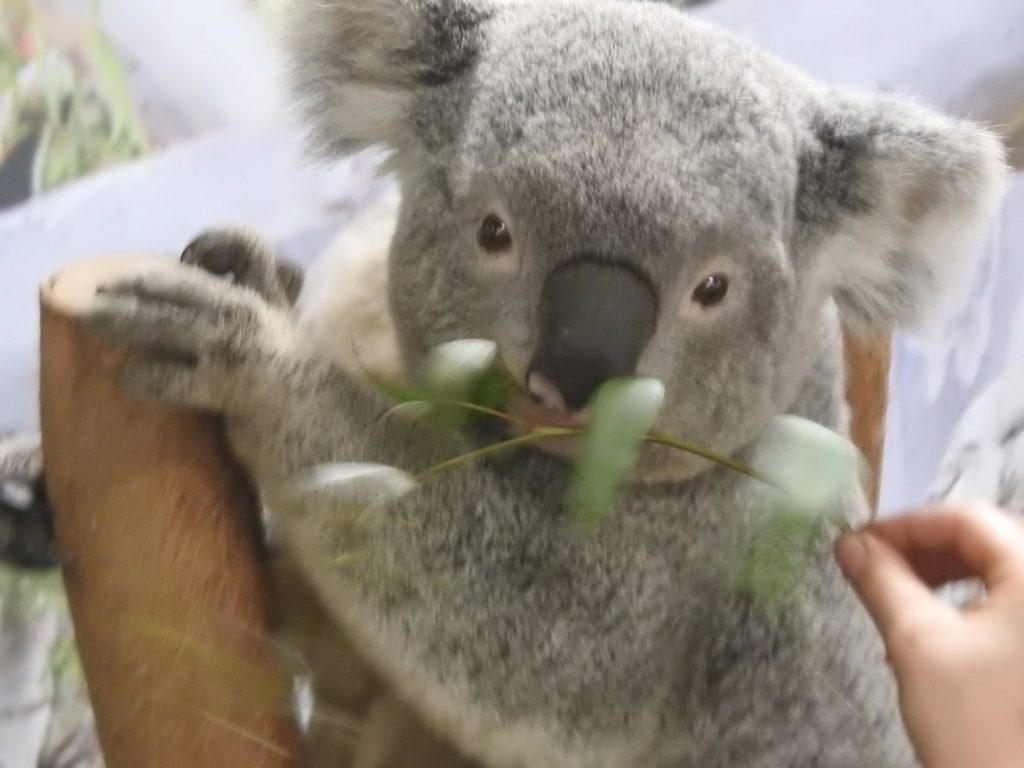
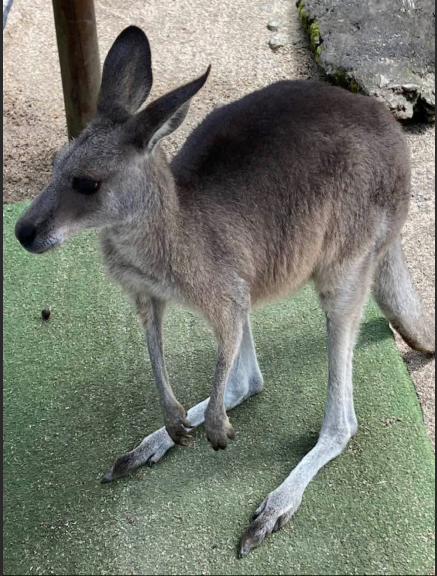
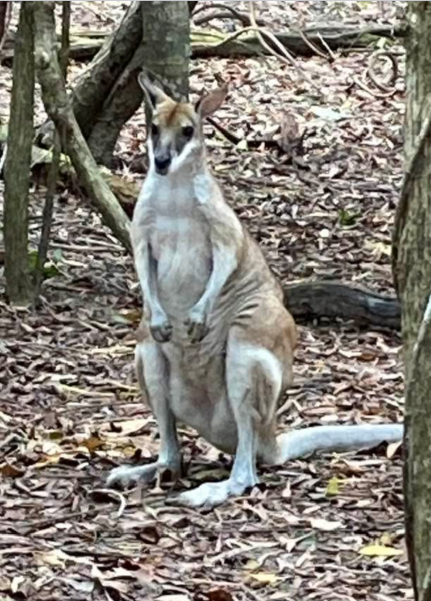
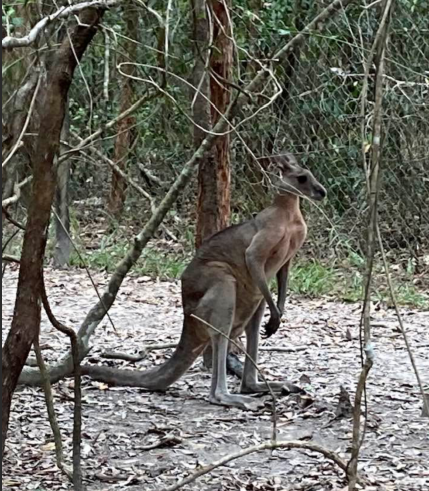
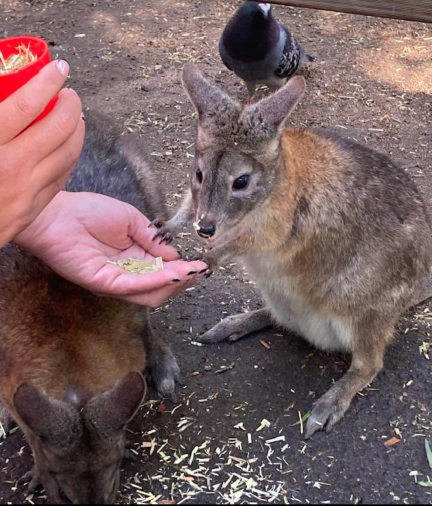
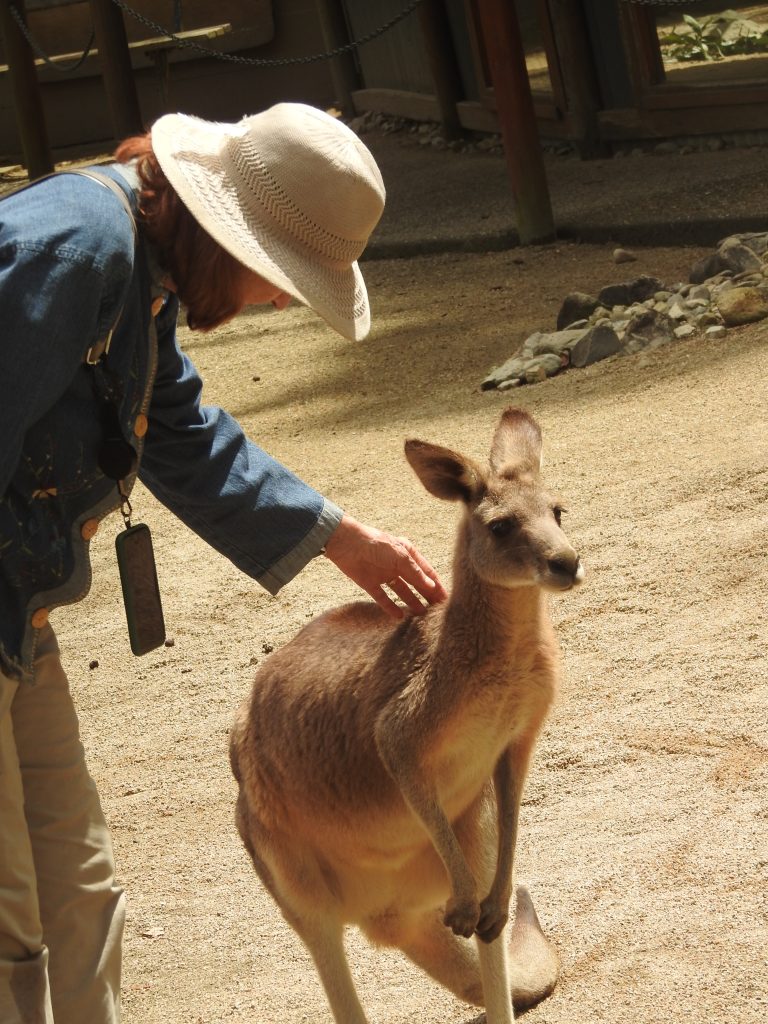
We went to see Kangaroo and Kaola instead.
Saturday, September 19
8:30AM Now we meet the upgraded tour at Novotel Cairns Oasis. Travel by coach to Kuranda Village
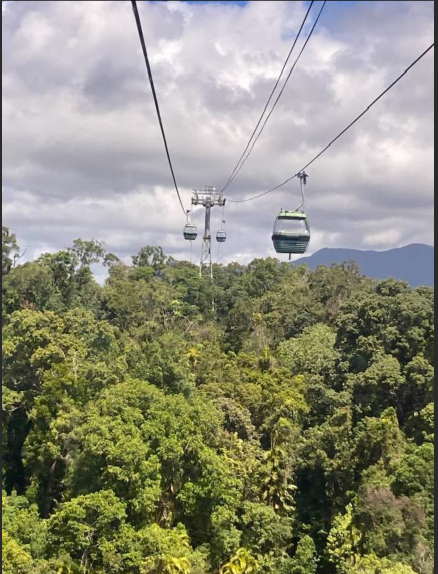
We have tickets for the Skyrail Loop/Barron Falls and free vouchers
for Birdworld Kuranda and Kuranda Koala Gardens
4:30 PM Arrive back at Hotel
Sunday, Sept 20
8AM Breakfast
11AM Check out
Hold bags at desk
Visit Cairns Aquarium
5:00PM Uber to Cairns Airport
7:35PM Flight to Melbourne
11:00PM Arrive Melbourne
Midnight Check-in to Ibis Melbourne Central Hotel
Monday, September 21
8AM Breakfast
Explore Melbourne City
Meet FREE walking tour @ 10:30AM
Lunch
Explore Queen Victoria Market
Flinders Street Station & Yarra River
Pedestrian Bridges crossing Yarra River
7PM Dinner/
Tuesday, September 22
8AM Breakfast
11AM Meet Tour at Flagstaff Garden Hotel 380 William Street
Full Day Phillip Island Tour with Kangaroo, Kaola, and Sunset Penguin Parade.
Duration 10 hours
Wednesday, September 23
8AM Breakfast
Went to Immagration Museum
10:30 Check-out
Uber or rail to Melbourne Airport
1:35PM Flight Melbourne to Dallas>Tampa
(21 hours) AIRBORNE
Thursday, September 24
9PM Arrive Tampa
Below is Syndey
Click here for Cairns and Koala
Click here for Melbourne amd penguins!
Sydney!
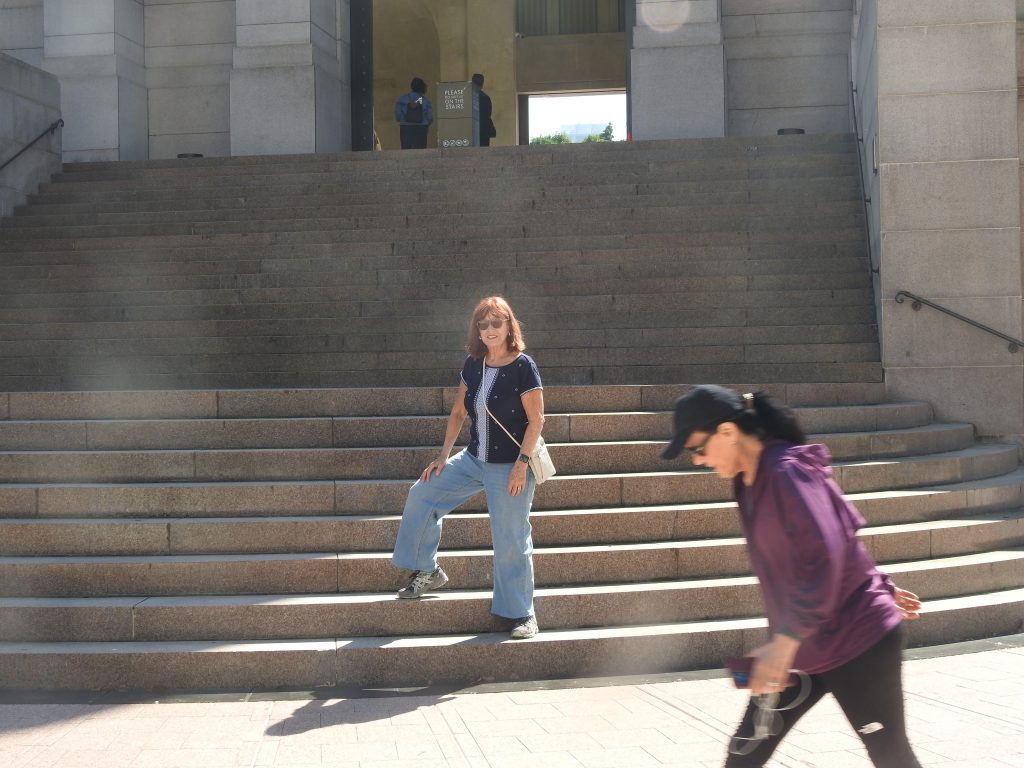
Sydney Opera House September 14, 2026 in Sydney, Australia. 🇦🇺
The distinctive roof shells are designed to resemble sails, and the building opened in 1973. The photo was taken from the forecourt facing the main steps and the Opera House shells. If you take all the shells and put them together you make a whole sphere!
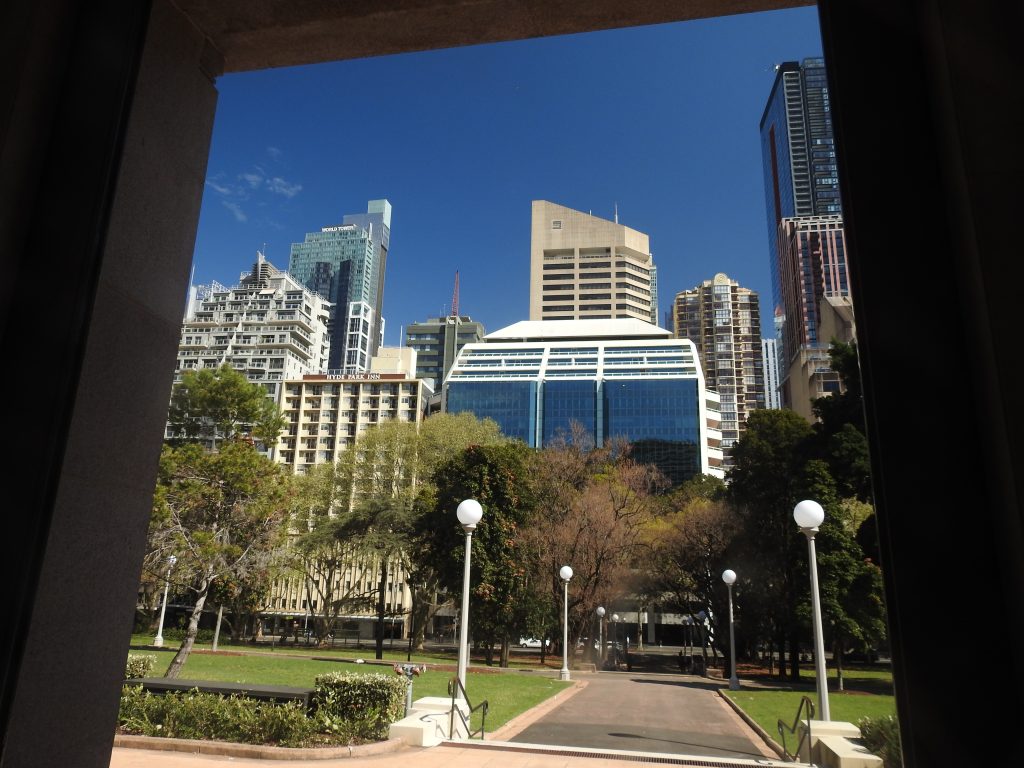
Framing Structure (Foreground):
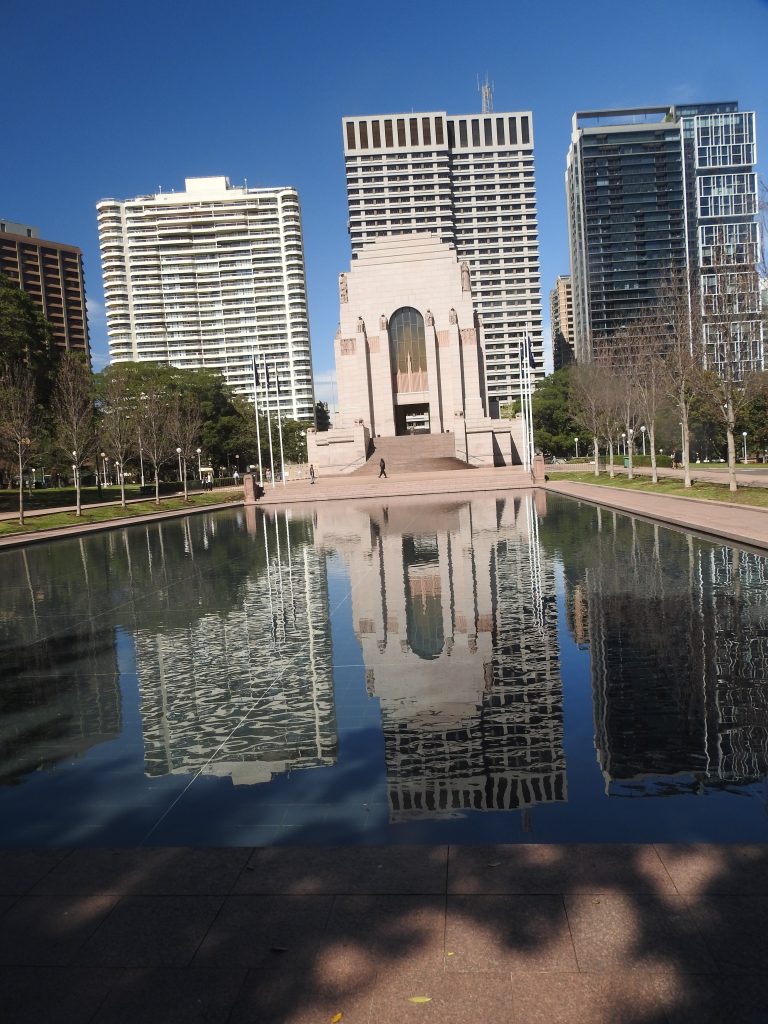
The photo is taken from inside the ANZAC Memorial (completed in 1934, designed in the Art Deco style by Bruce Dellit).
Hyde Park South Lawn & Pathways:
The paved walkway leads north out of the memorial through the landscaped lawns and tree-lined avenues of Hyde Park.
The spherical white light posts line the central paths across the park.
Skyline Landmarks (Background):
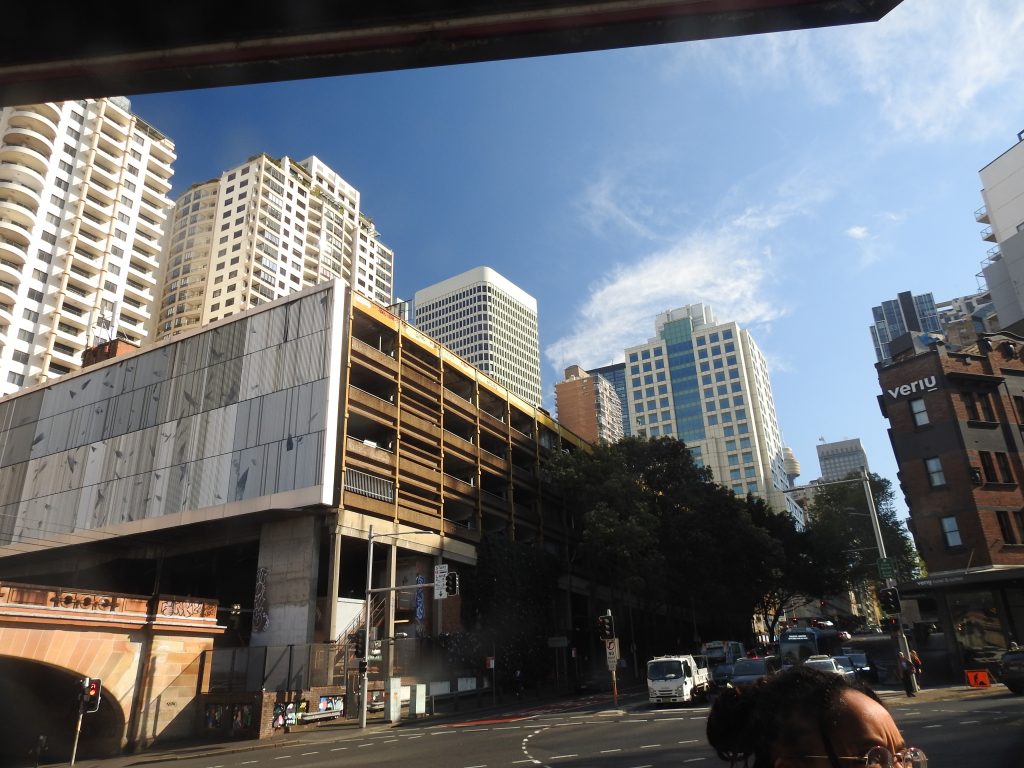
Hyde Park Inn: The beige building with dark balconies on the left (fronted on Elizabeth Street).
World Tower: The tall blue-and-silver residential skyscraper rising in the upper-left behind Hyde Park Inn.
201 Elizabeth Street: The distinctive angled/terraced high-rise building visible in the center background.
Tuesday, Sept 15 Our second day in Sydney, running all day. A 12 hour marathon. We took the Blue Mountain Tour.
First stop, all the animals of Australia at a huge refuge called
Featherdale
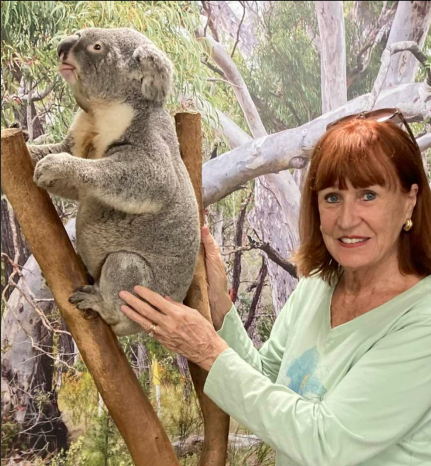
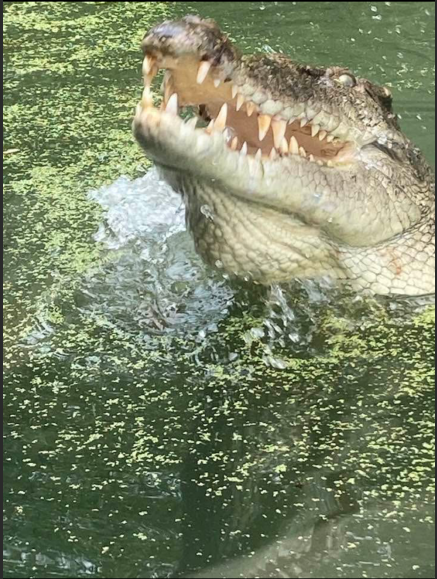
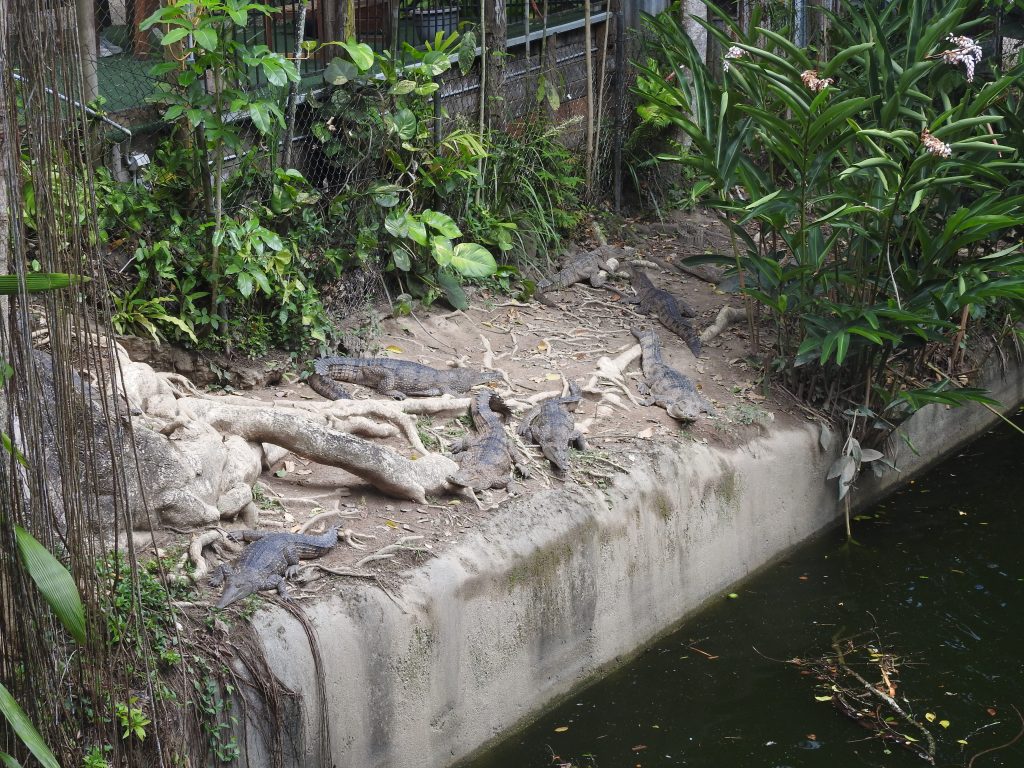
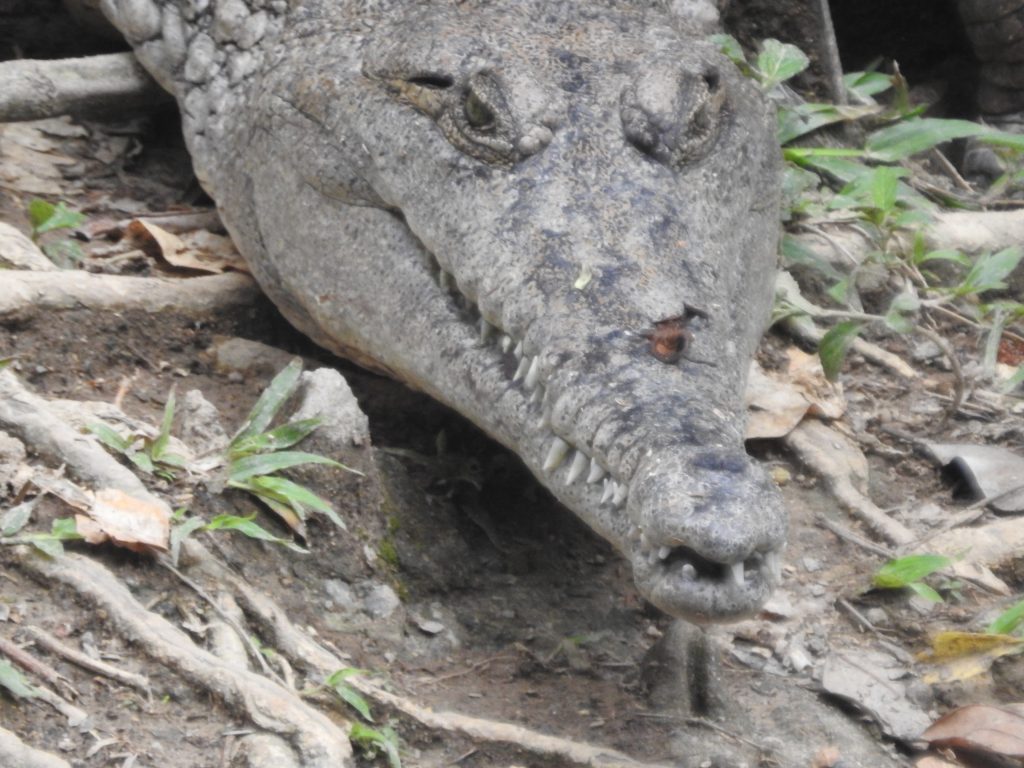
– kangaroos, koalas (Eileen had her picture taken with a koala) and everything else including alligators and pelicans.
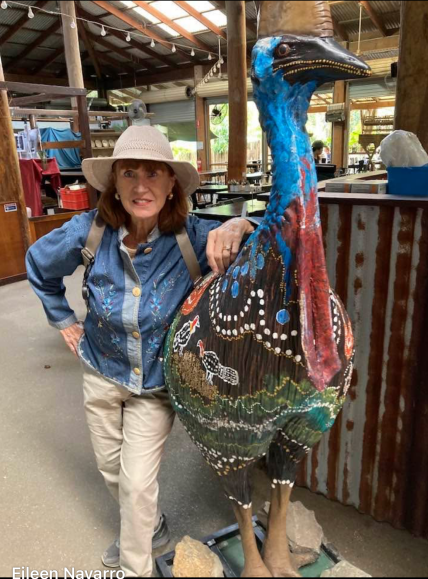
This is a photo of Eileen standing beside a colorful, stylized emu or cassowary sculpture. The sculpture has Aboriginal-inspired painted patterns and is displayed indoors at an attraction in Australia..
September 16, Day three in Sydney. A full day today,
Breakfast at 6:30
Off to see Sydney
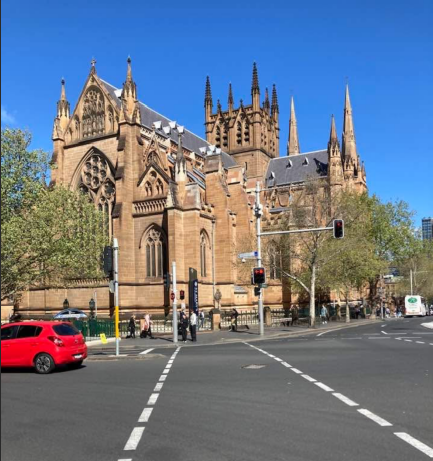
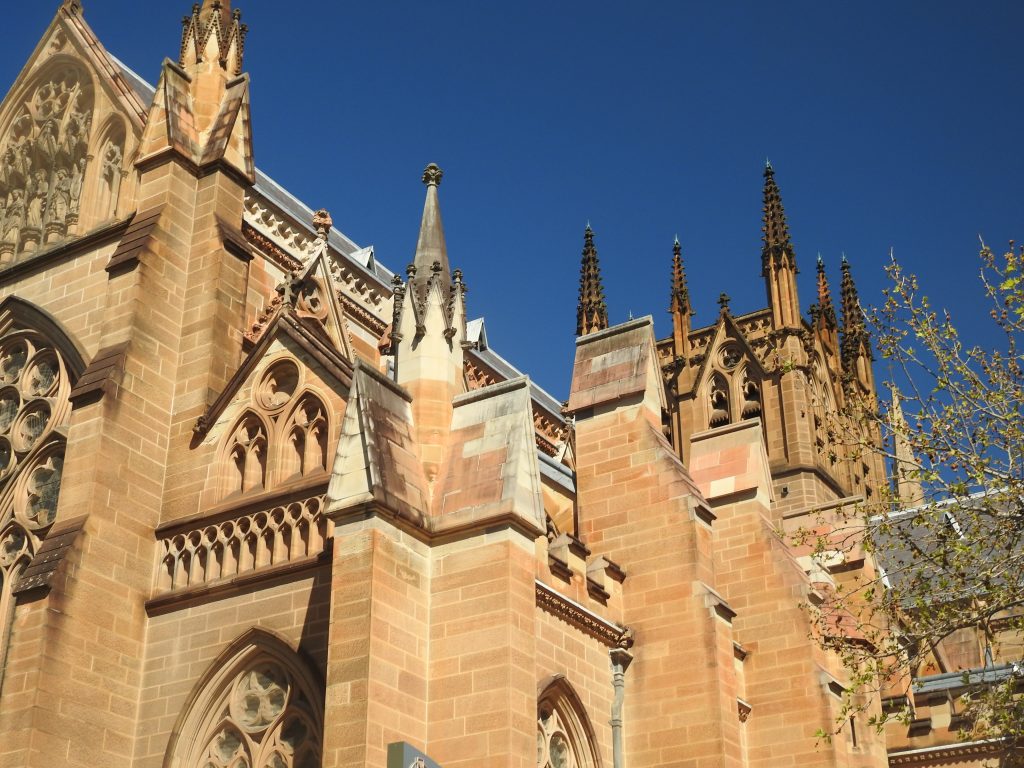
1. Saint Mary Cathedral – a huge church largest in south hemisphere
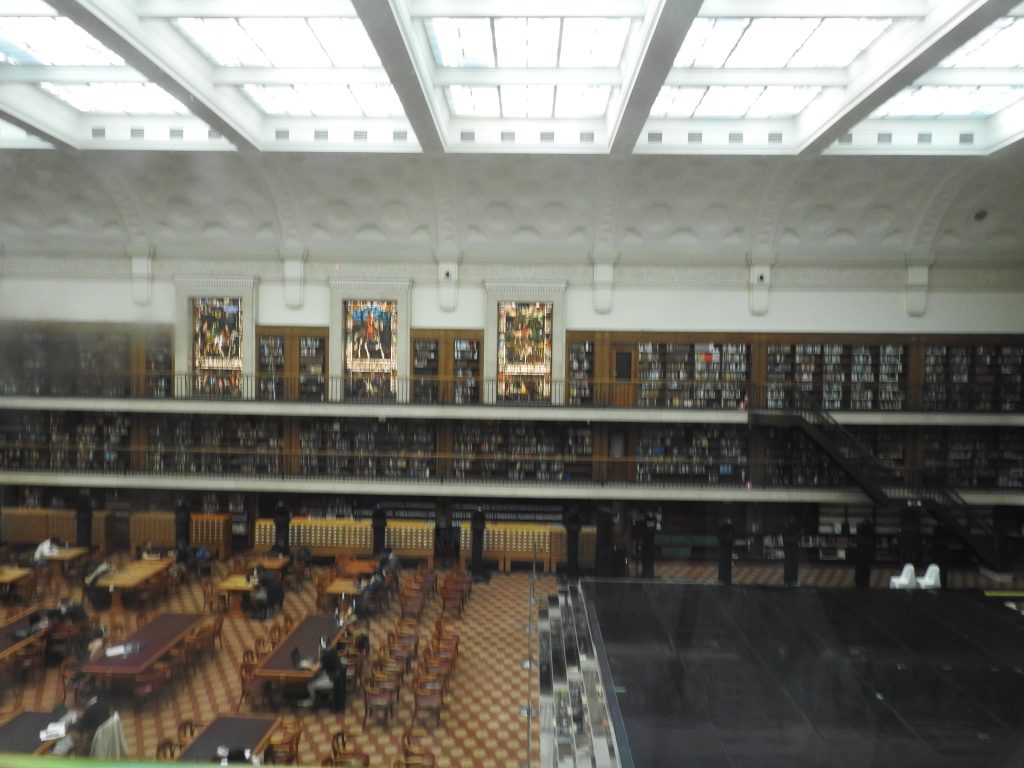
2. State Library amazing book collection
3. Parliament – it was in session and we stood five feet from them!
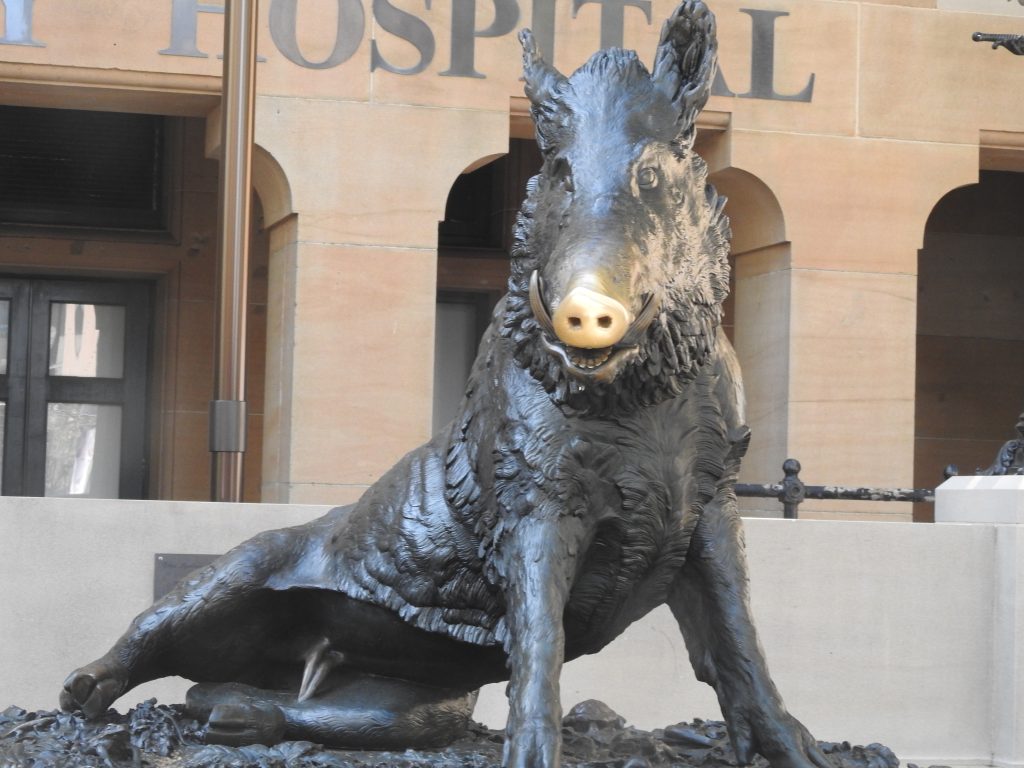
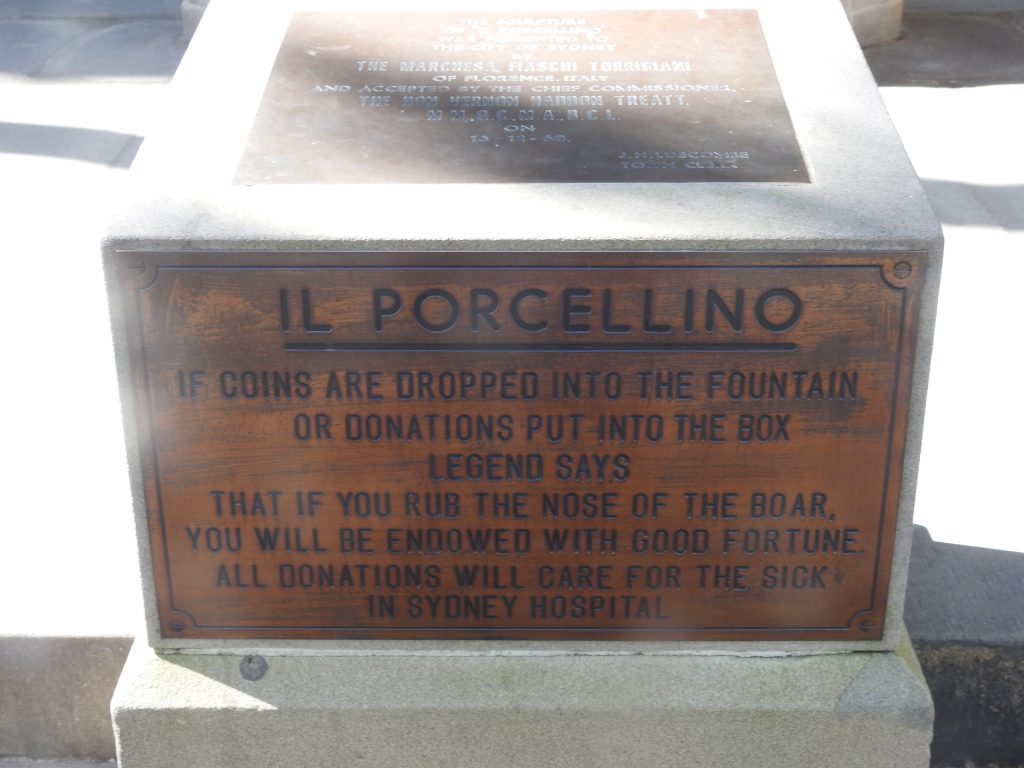
4. Sydney Eye Hospital – we needed advance notice to go in, just did grounds
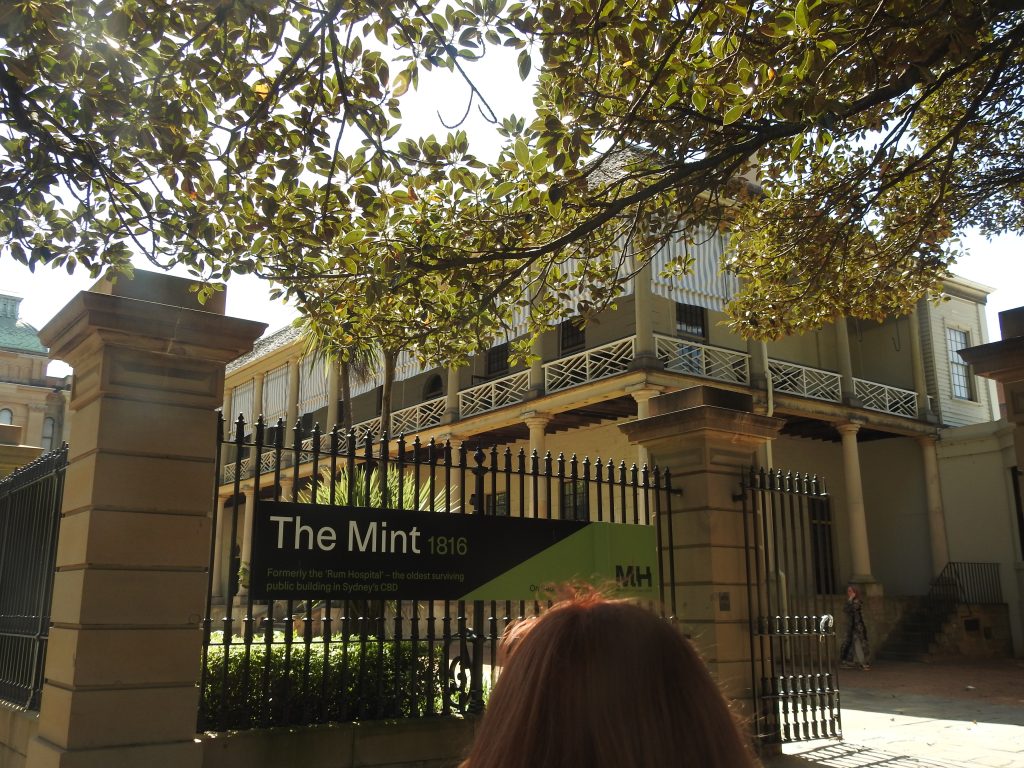
5. The Mint – huge machine to stamp coins
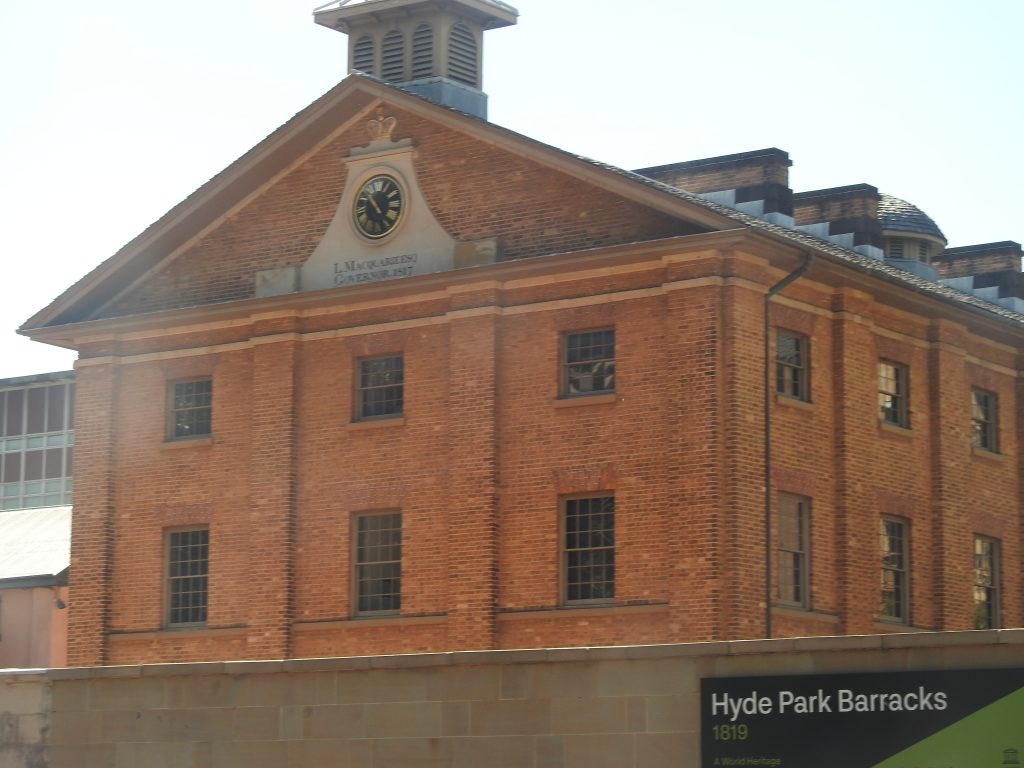
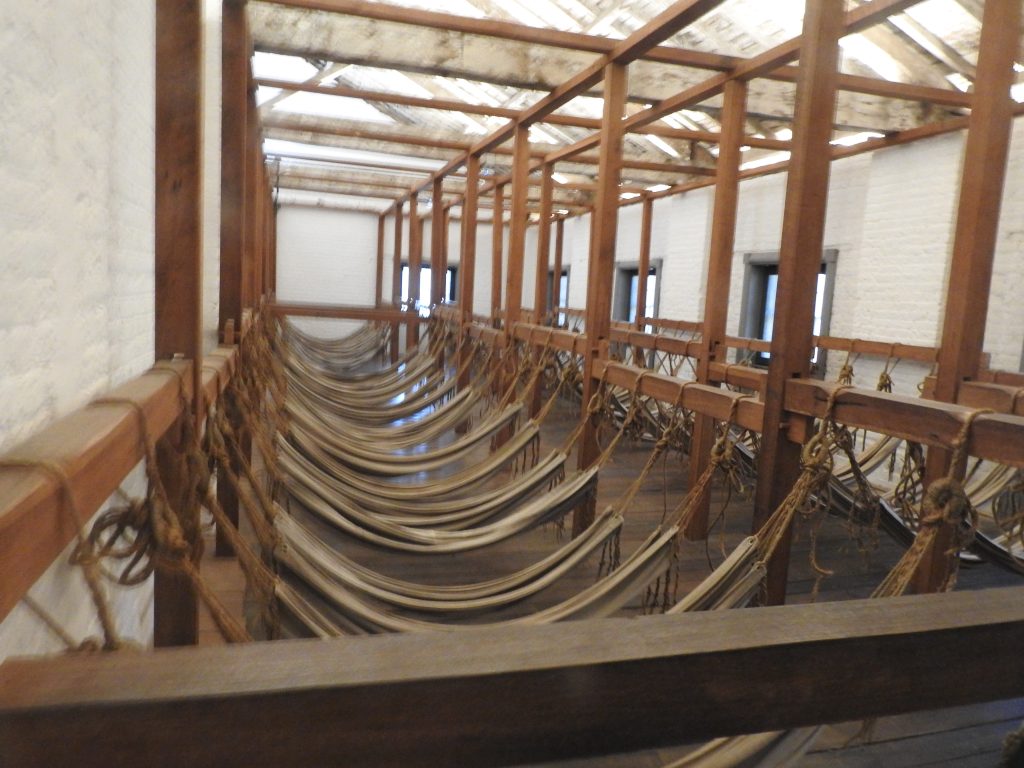
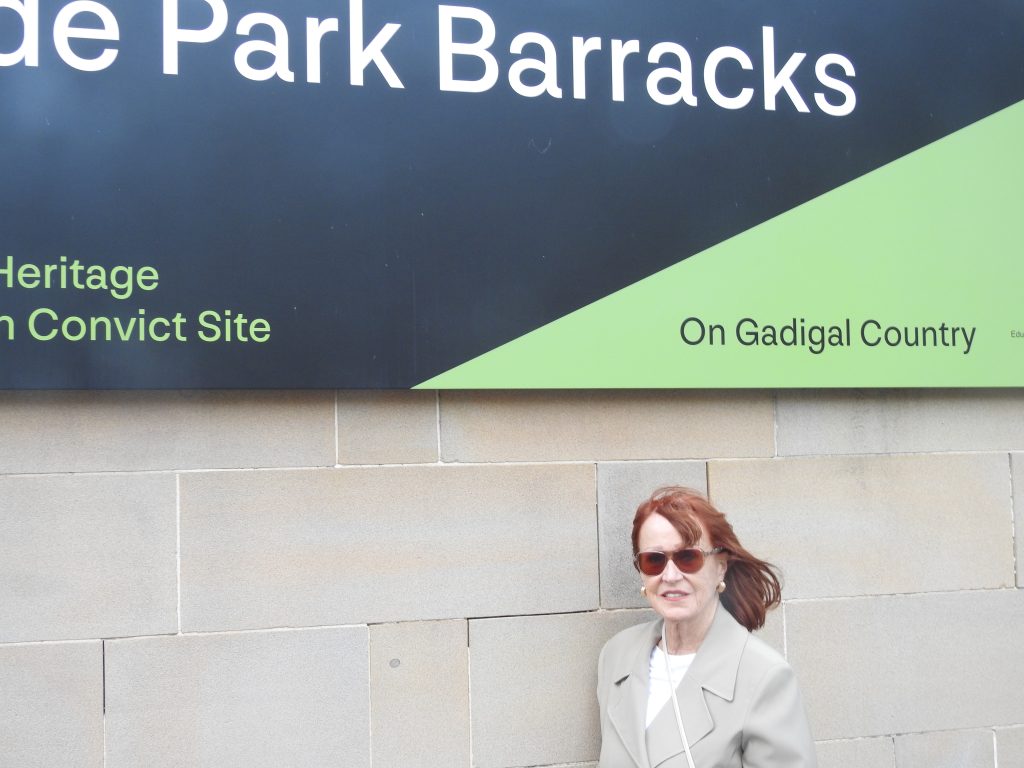
6. The Barracks – the number one thing to see in Sydney. An hour walking you through how the criminals were not really bad, from hammocks as a beds, tools, many facets of their life, last ones in 1848. Women hostel afterwards.
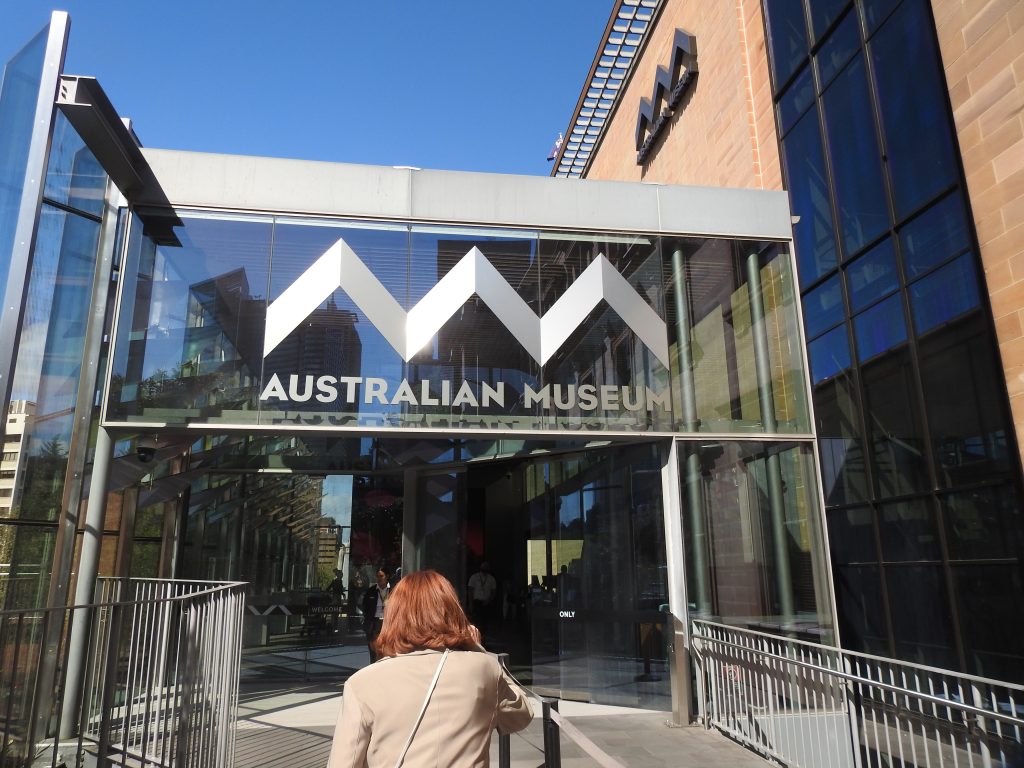
7. Australia Museum – dinosaurs, a lot on indigenous culture.
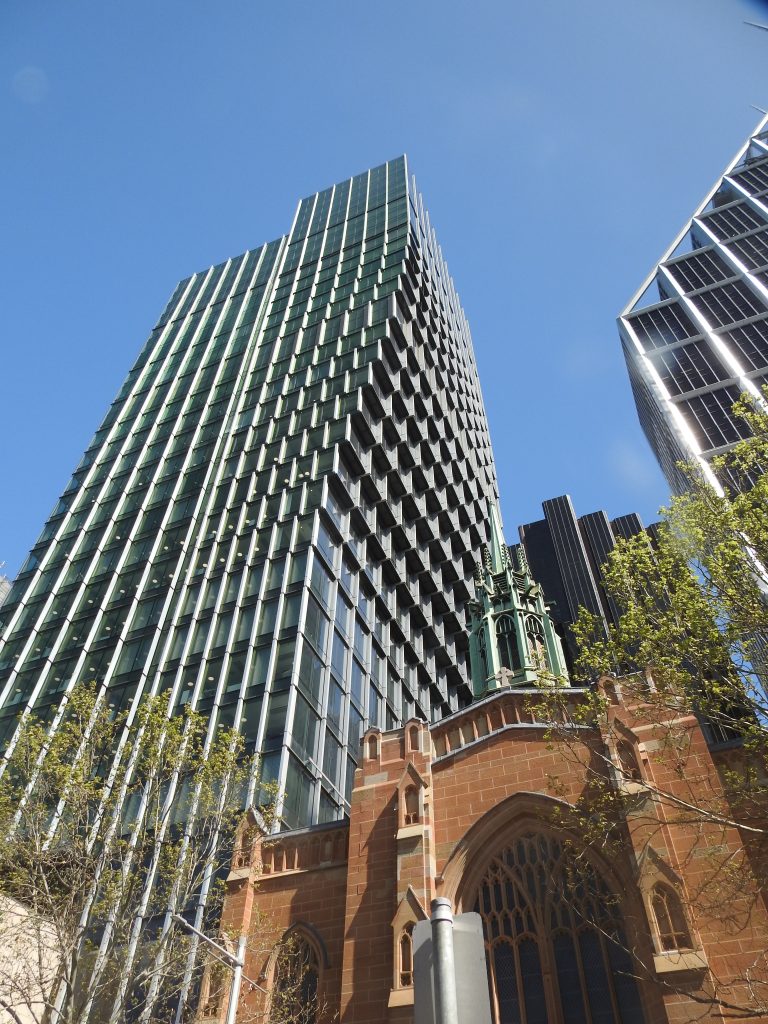
8. St Steven’s church- stained glass, thought bad for us being from USA.
A really full day!!!!!
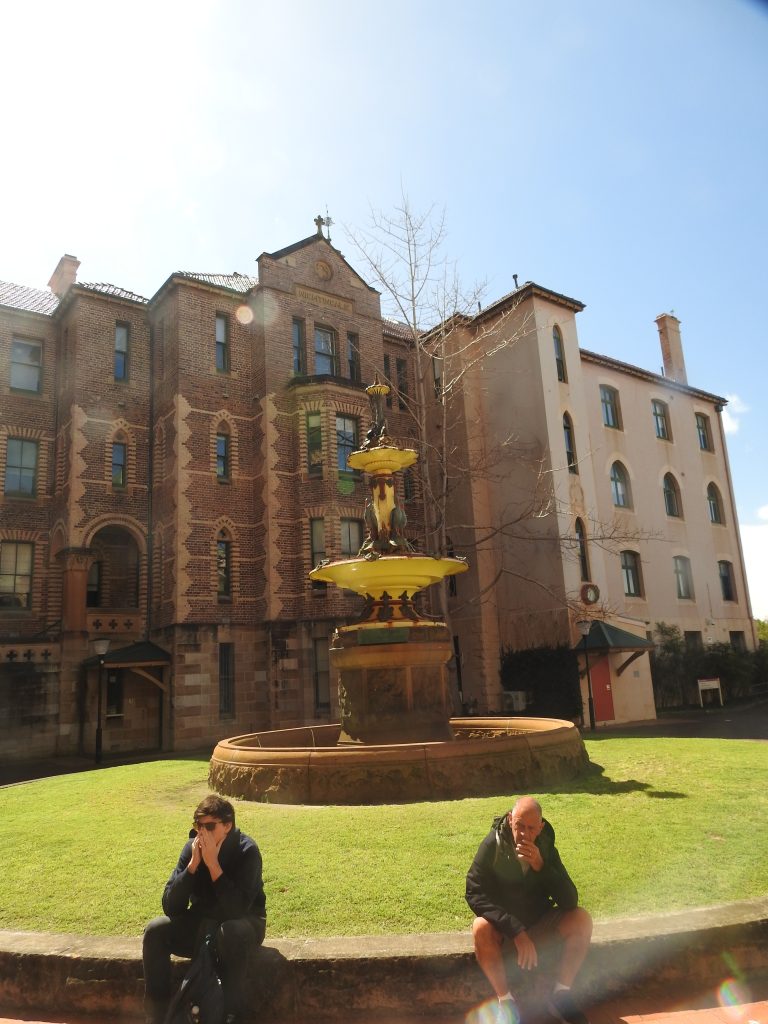
This photo was taken in the internal courtyard of Sydney Hospital & Sydney Eye Hospital, located on Macquarie Street in Sydney, Australia.
Key Features in the Photograph
The Nightingale Wing (Background):
The brick and sandstone Victorian Gothic Revival building behind the fountain is the Nightingale Wing (completed in 1869).
JPGIt was established with input from Florence Nightingale and served as the site of Australia’s very first trained nursing school, led by Lucy Osburn.
Today, it houses the Lucy Osburn-Nightingale Foundation Museum.
The Robert Brough Memorial Fountain (Center):
The three-tiered cast-iron and sandstone fountain in the center lawn is the Robert Brough Memorial Fountain.
JPGCast by the Coalbrookdale Foundry in England, it was erected in 1907 to commemorate the popular English-Australian actor and theatre manager Lionel Robert Brough.
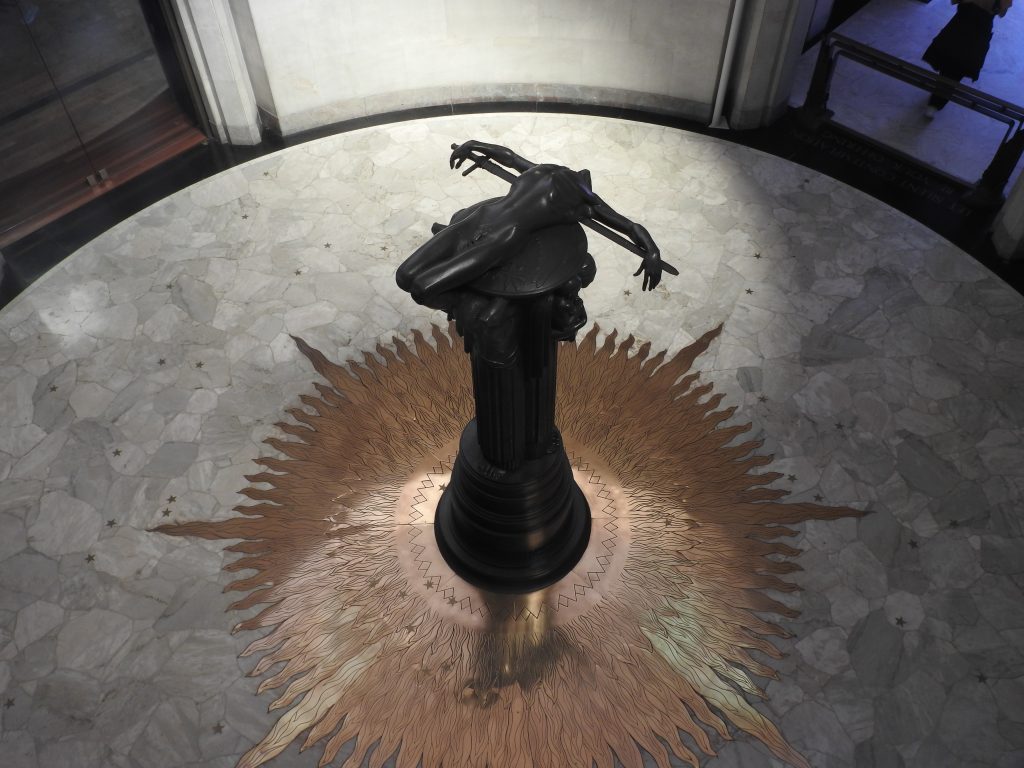
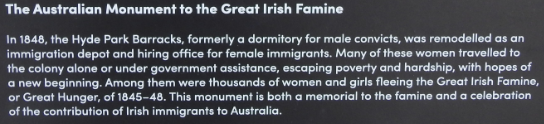
The Australian Monument to the Great Irish Famine
In 1848, the Hyde Park Barracks, formerly a dormitory for male convicts, was remodelled as an immigration depot and hiring office for female immigrants. Many of these women travelled to the colony alone or under government assistance, escaping poverty and hardship, with hopes of a new beginning. Among them were thousands of women and girls fleeing the Great Irish Famine, or Great Hunger, of 1845–48. This monument is both a memorial to the famine and a celebration of the contribution of Irish immigrants to Australia.
Artist & Technique:
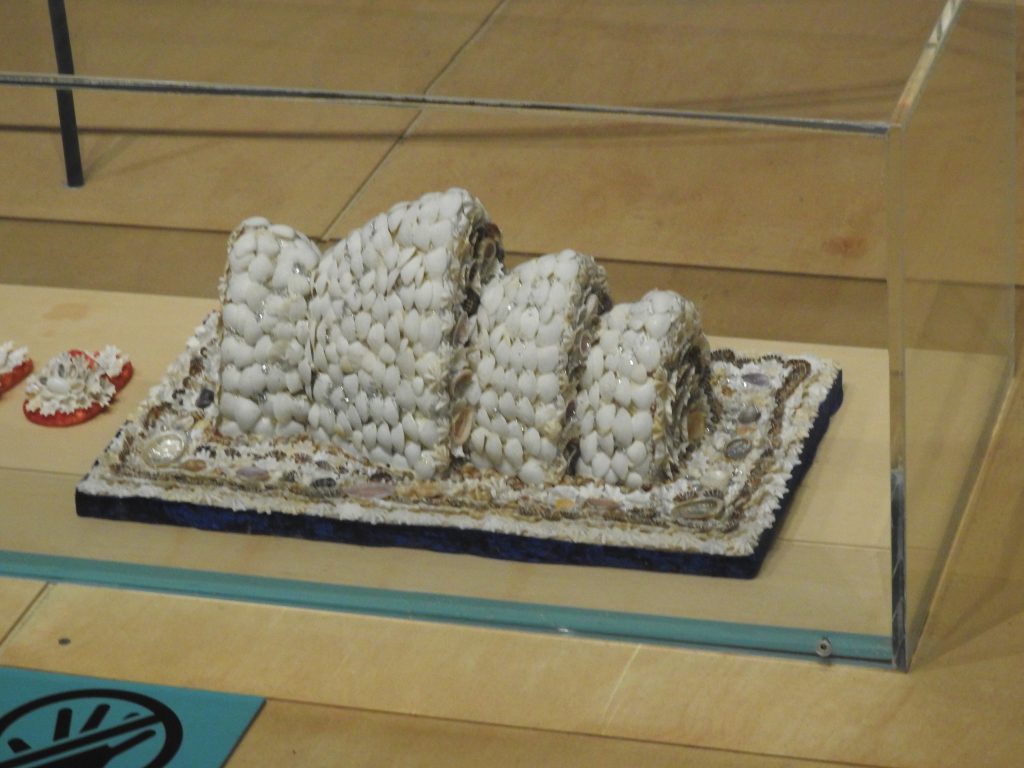
Created in the distinctive La Perouse shellwork tradition practiced by Bidjigal and Aboriginal women of Sydney’s La Perouse community (including renowned elder and shell artist Esme Timbery).
Shellwork in La Perouse dates back to the 1880s, when local women crafted decorative objects (such as baby shoes, boxes, and Sydney landmarks) using local shells, velvet, and glue to earn an independent income.
Cultural Symbolism:
While initially created for local trade and tourists around Sydney Harbor and Circular Quay, shellwork has grown into a widely recognized form of contemporary Australian Indigenous art representing cultural continuity, women’s history, and connection to country.
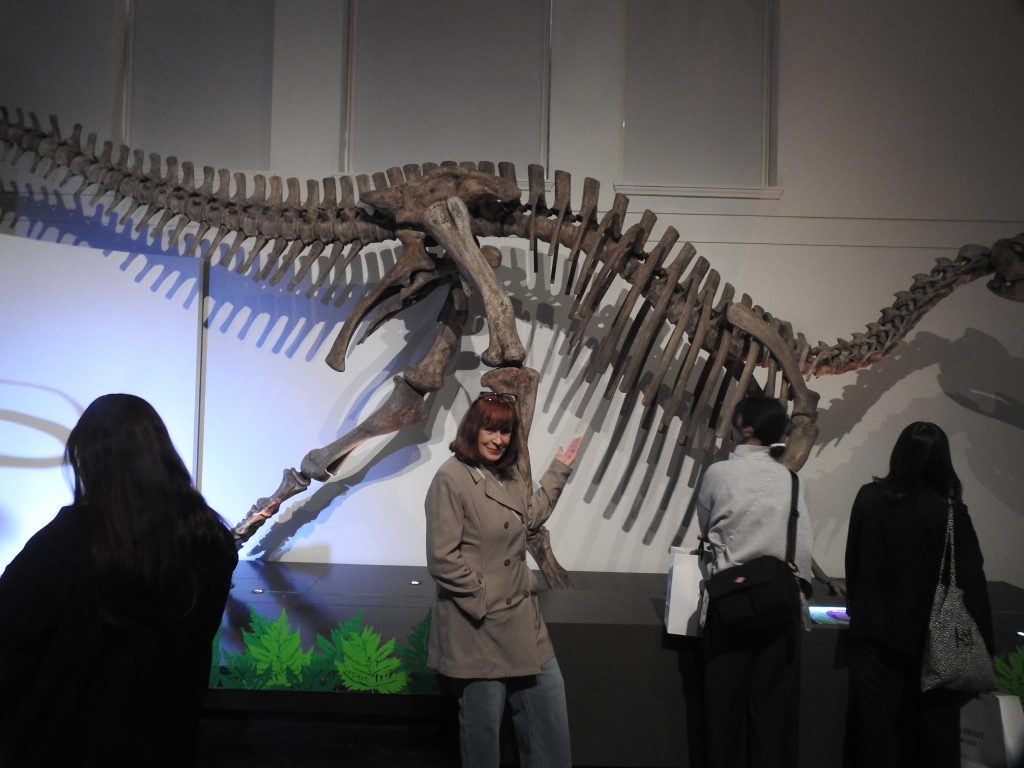
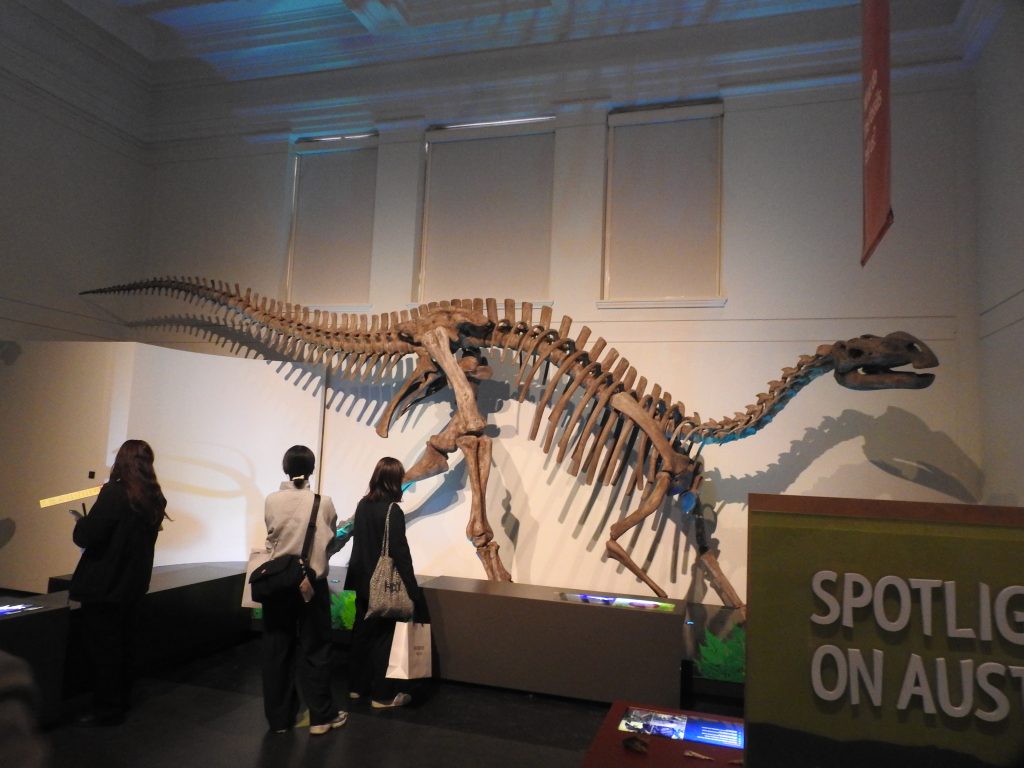
This photo was taken inside the Dinosaurs Exhibition at the Australian Museum on College Street in Sydney, Australia.
What is in the Photograph
The Skeleton (Muttaburrasaurus langdoni):
The large herbivorous dinosaur on display is a full-scale mounted cast of Muttaburrasaurus.
Muttaburrasaurus was a large, plant-eating ornithopod that lived during the Early Cretaceous period (around 100–105 million years ago).
Notable features include its distinctive hollow, rounded snout (a bulla nasalis), which scientists believe served as a enlarged sense organ or a sound resonator for making loud calls to communicate with other herd members.
Measuring roughly 7 to 8 meters (23–26 ft) in length, it could move on both two hind legs or all four limbs.
The Exhibition Signage:
In the lower right corner, you can see the display sign reading “SPOTLIGHT ON AUST[RALIA]”, part of the museum’s section detailing native Australian dinosaur discoveries.
When we were in St Steven’s church a chatty lady met us and told us all about the church. She asked where we’re from. Then when the pastor came over she introduced us and said we were from Canada, when I corrected her and said we were from the USA. She made a gesture like she was hanging herself.
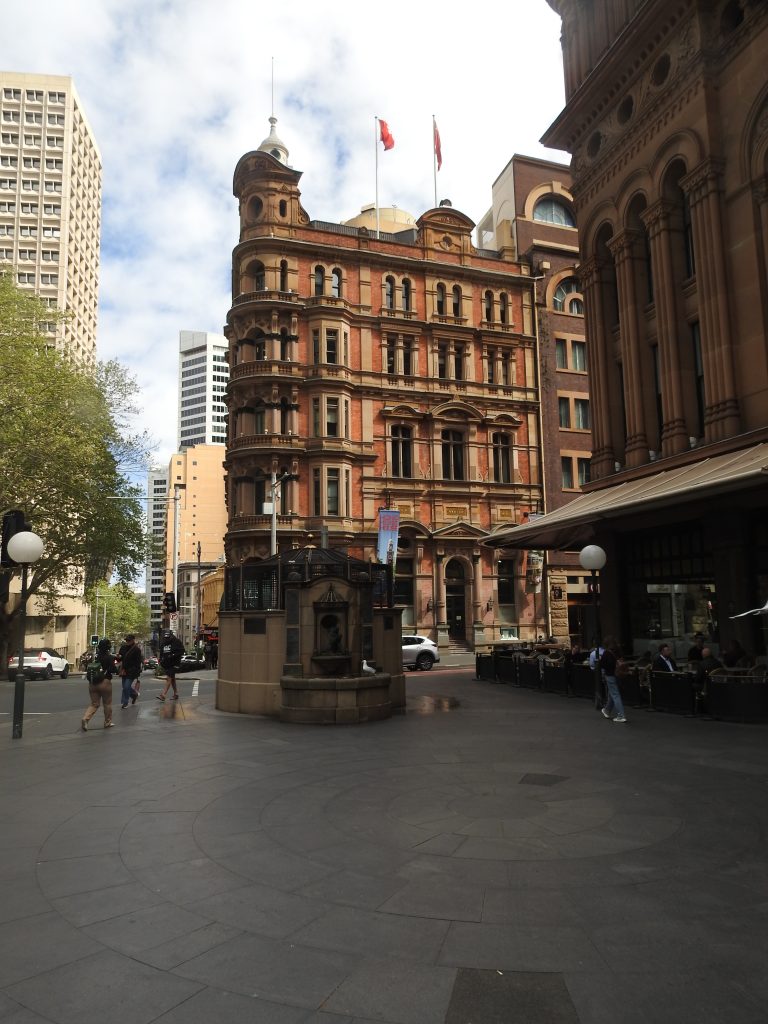
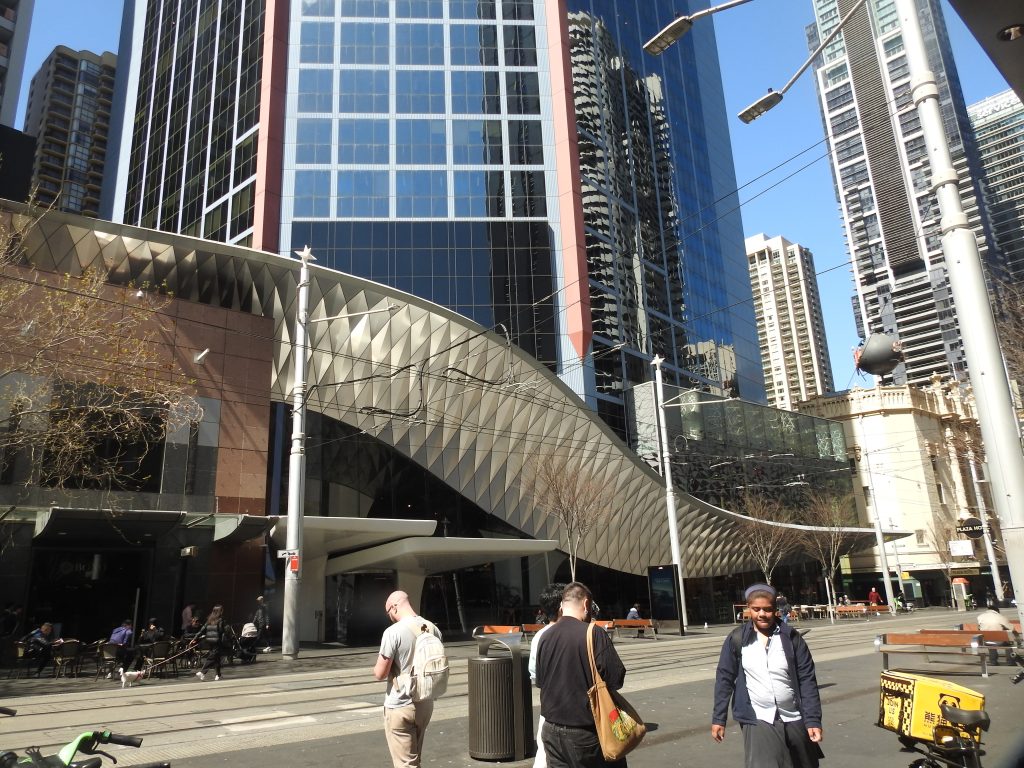
The Lands Department Building (Center Background):
The ornate, red-brick and sandstone Victorian Italianate building with multi-story corner turrets and twin flagpoles is the former Lands Department Building (constructed between 1876 and 1892). Designed by colonial architect James Barnet, its facade features niches housing statues of notable explorers and scientists.
Canopy Fountain (Foreground Center):
In the middle of the pedestrian plaza stands the , a distinct stone public drinking fountain and structure located near .
Architecture on the Right:
The sandstone arcade structure on the right side belongs to another heritage Victorian-era building framing the street corner near Bridge Street and Loftus Street.
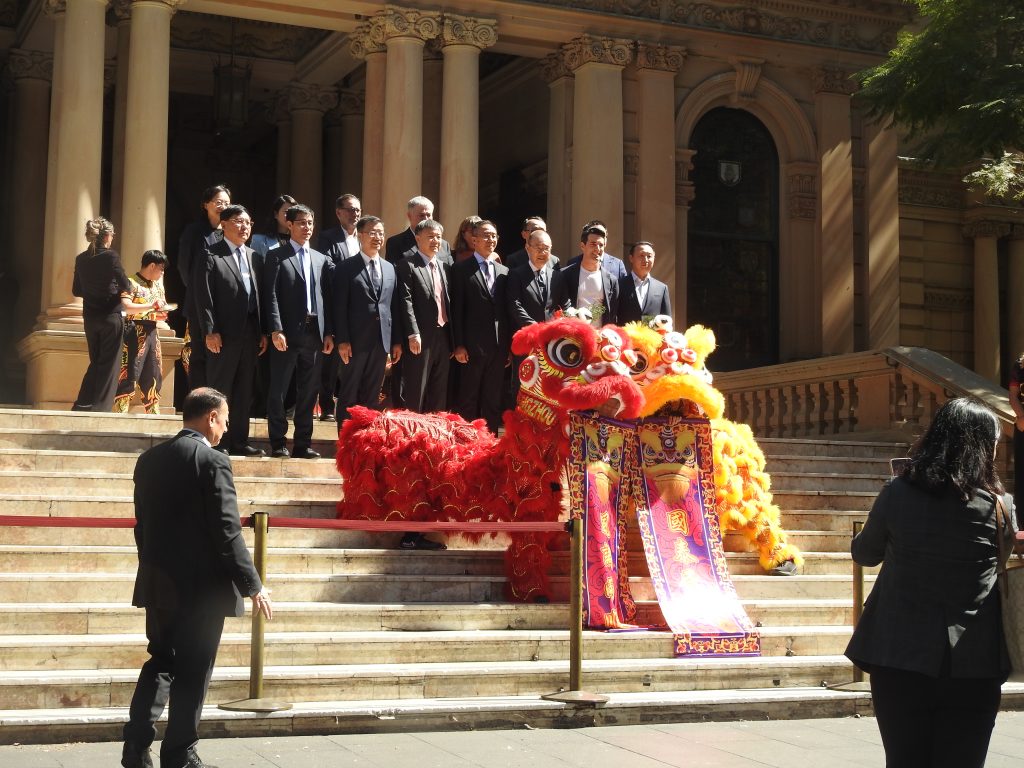
A city in China had decided to become a sister city with Sydney! While we watched, two Chinese dragons ( two guys making up the dragons) roared and danced to very loud drumming on the steps of city hall!! They performed for about 15 minutes, the stood for photos with dignitaries from each city!
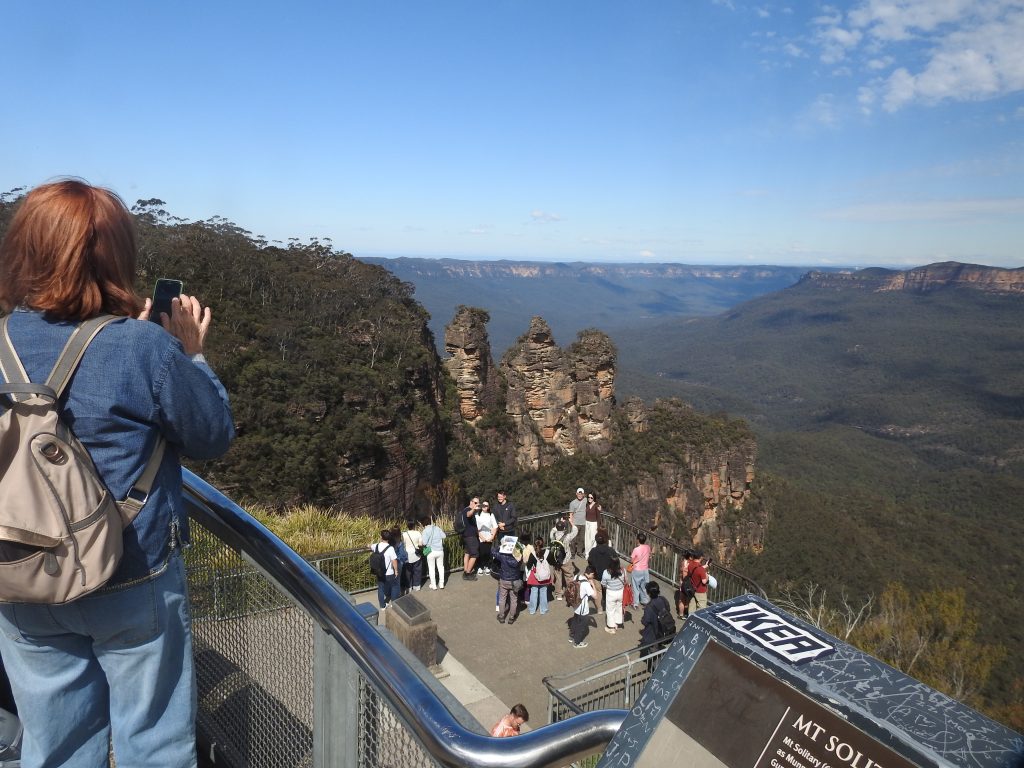
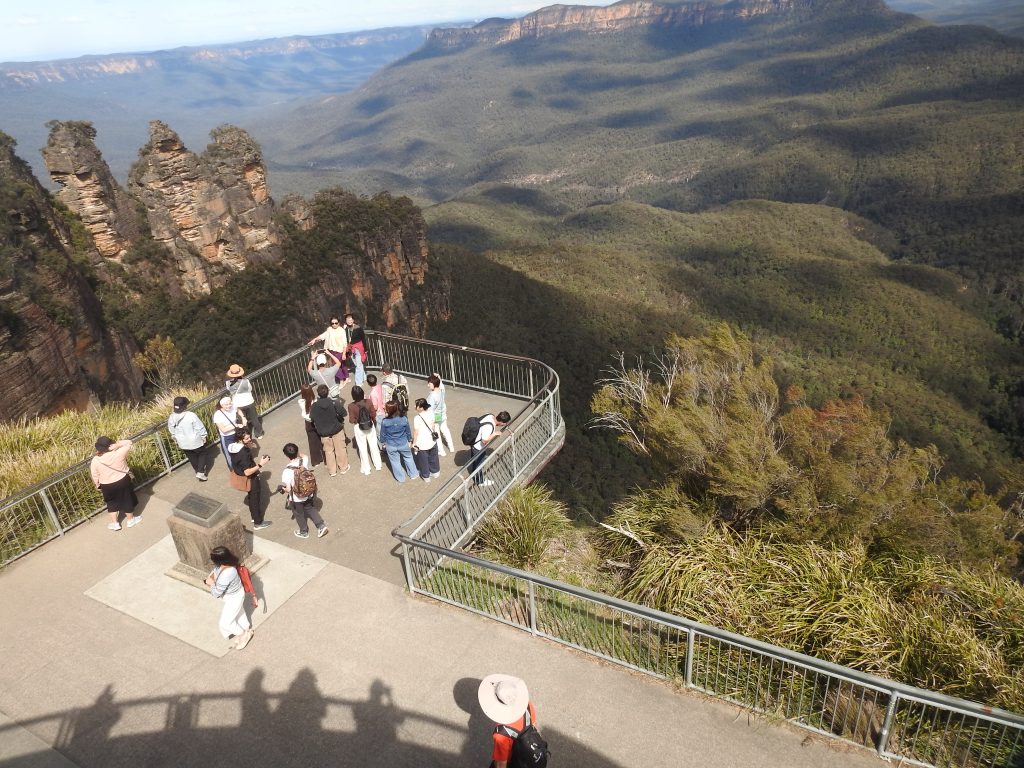
September 16, day 3 in Sydney we took an all day trip starting at to famous Echo Point lookout in Katoomba for stunning views of the Jamison Valley and the iconic Three Sisters, in the Blue Mountains.
First stop
Katoomba area in Blue Mountains National Park.
Part of the Greater Blue Mountains Area World Heritage Property, the Three Sisters is an iconic formation that you must see at least once in your lifetime. There are different versions of the Aboriginal story of the Three Sisters, but what you’re bound to agree with is how truly spectacular it is.
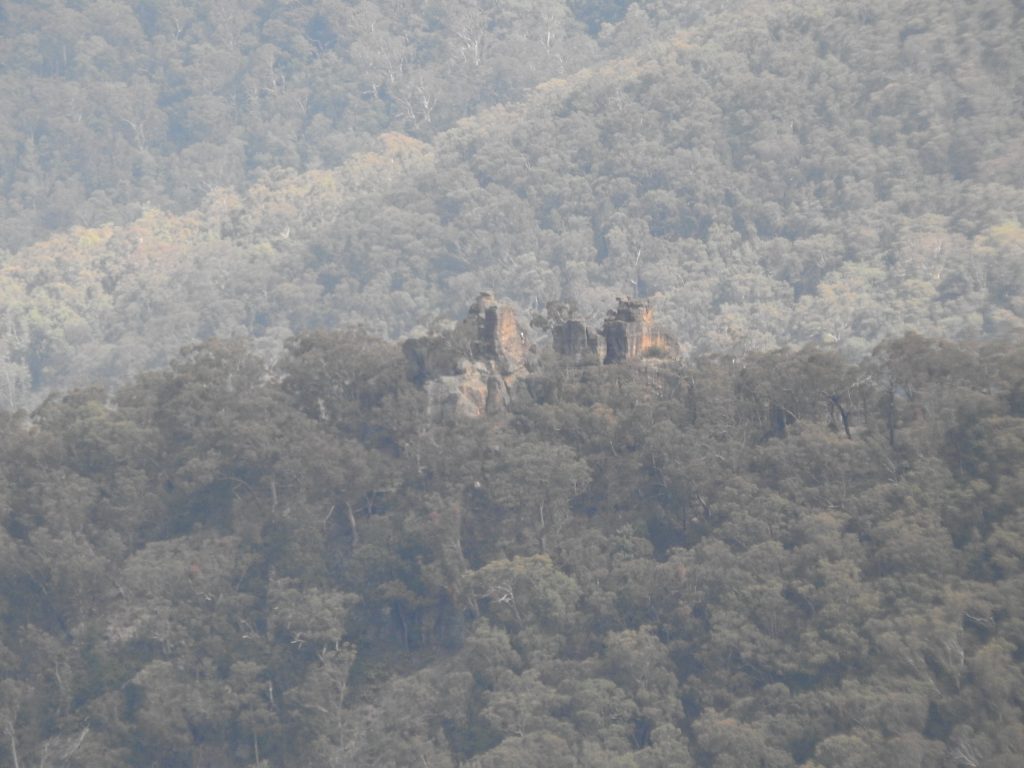
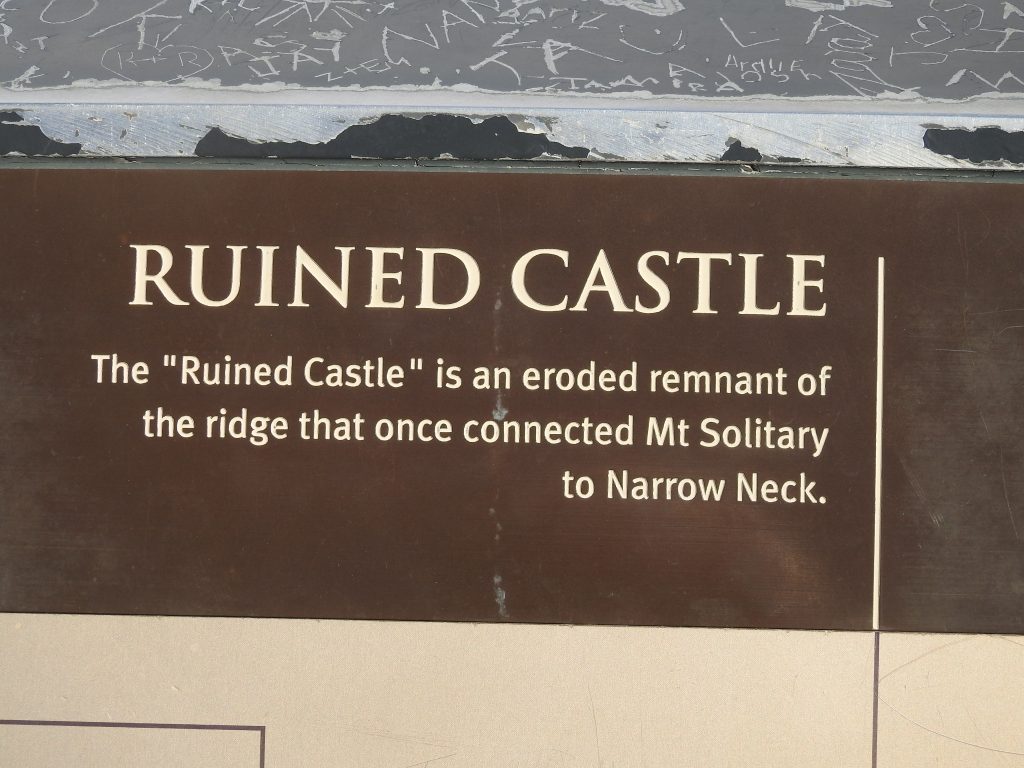
Standing proudly in the land of the Gundungurra and Darug People, the traditional custodians of this declared Aboriginal Place, the imposing Three Sisters is best seen from Echo Point lookout, just outside the national park, on the edge of the plateau above. These three weathered sandstone peaks, formed thousands of years ago through erosion, are set among the cliffs of the Jamison Valley. From the lookout, you’ll be able to see the Ruined Castle and Mount Solitary.
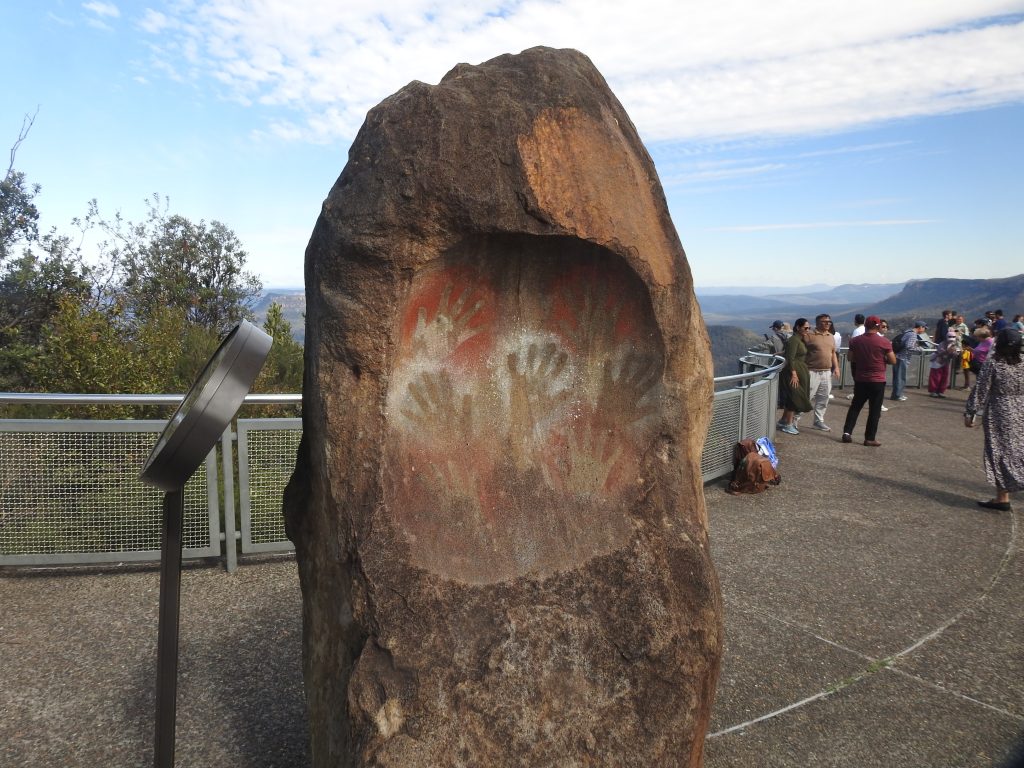
Ancient hand prints above^
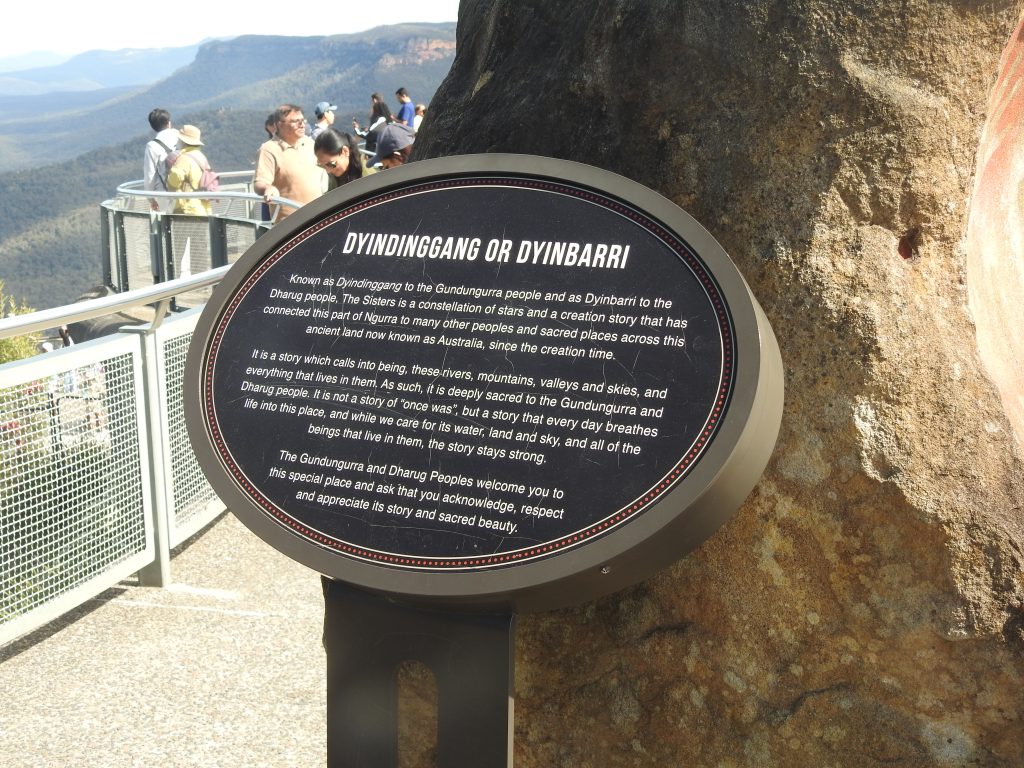
DYINDINGGANG OR DYINBARRI
Known as Dyindinggang to the Gundungurra people and as Dyinbarri to the Dharug people, The Sisters is a constellation of stars and a creation story that has connected this part of Ngurra to many other peoples and sacred places across this ancient land now known as Australia, since the creation time.
It is a story which calls into being, these rivers, mountains, valleys and skies, and everything that lives in them. As such, it is deeply sacred to the Gundungurra and Dharug people. It is not a story of “once was”, but a story that every day breathes life into this place, and while we care for its water, land and sky, and all of the beings that live in them, the story stays strong.
The Gundungurra and Dharug Peoples welcome you to this special place and ask that you acknowledge, respect and appreciate its story and sacred beauty.
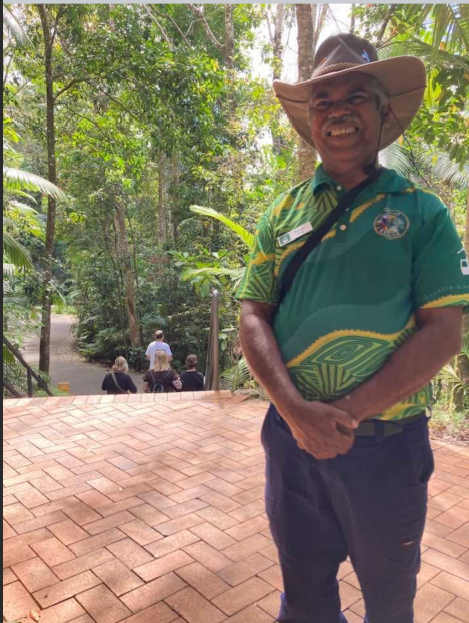
Our aborigine guide that took us down to the river (below)