Eileen and I spent a week in France
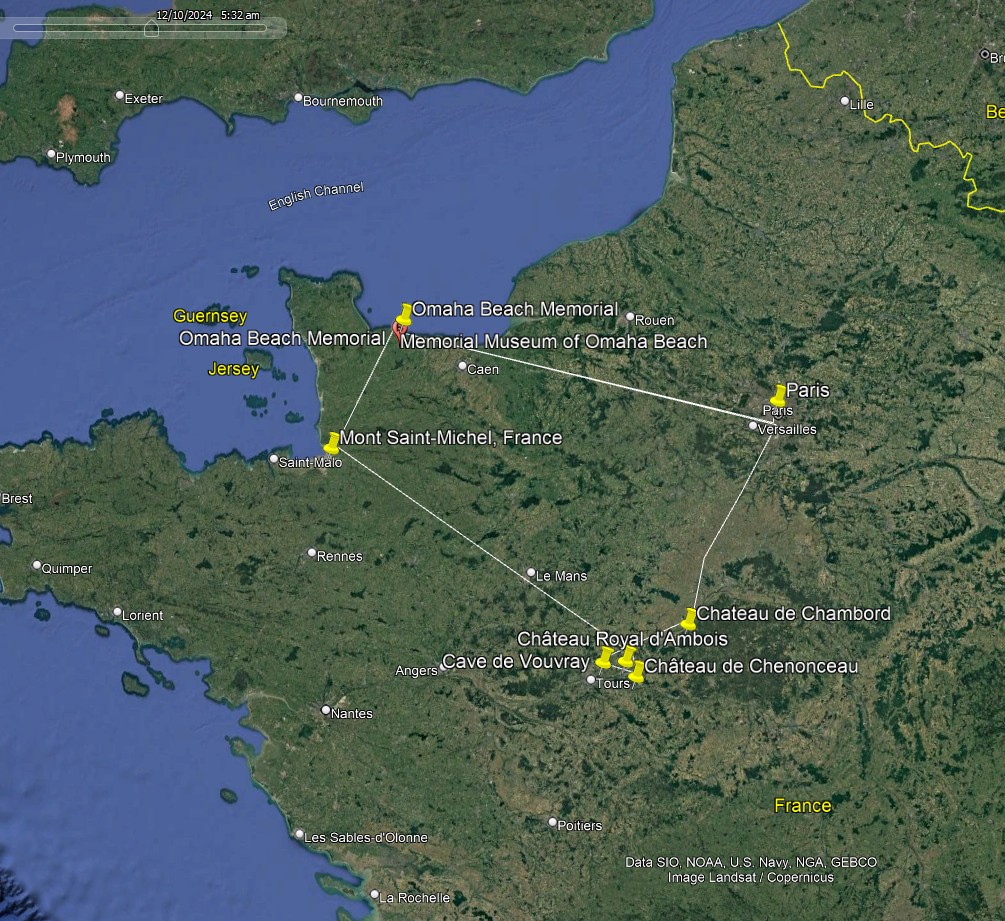
We flew into Paris (de Gaulle airport) November 30 – it was 1° C (34° F) , took a train to the hotel. It was not a good beginning, the half hour train trip was stopped after 3 hours and it only got us half way there. We took a cab the rest of the way.
____________________________________________________
DAY ONE _PARIS on our own 11/30
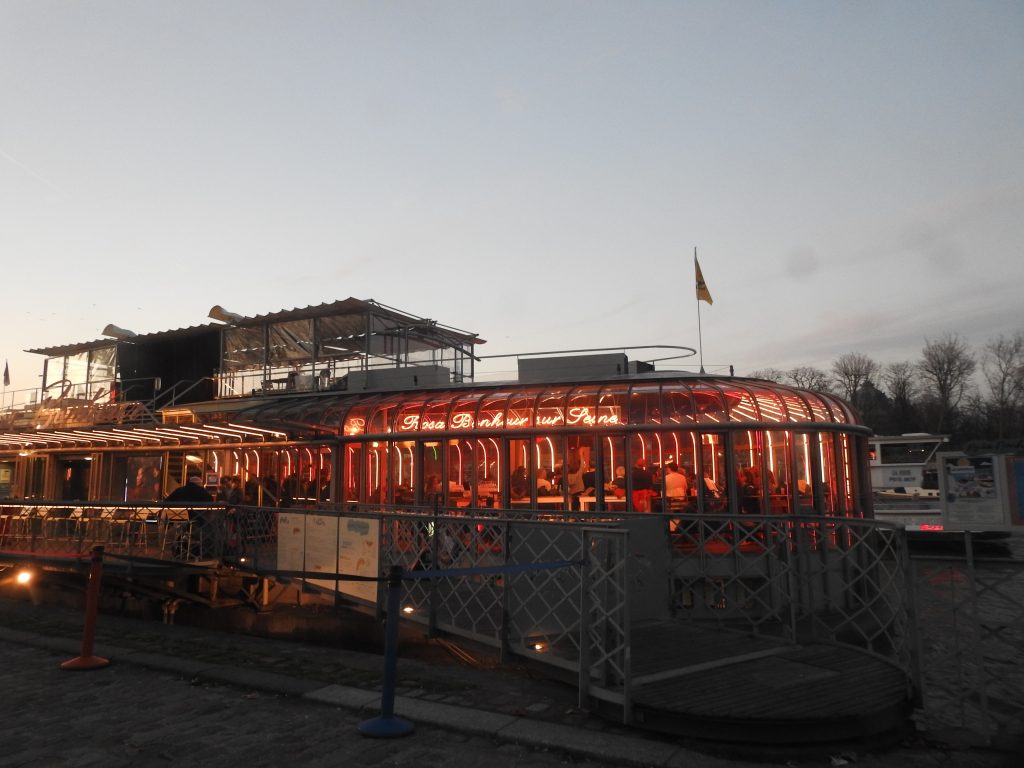
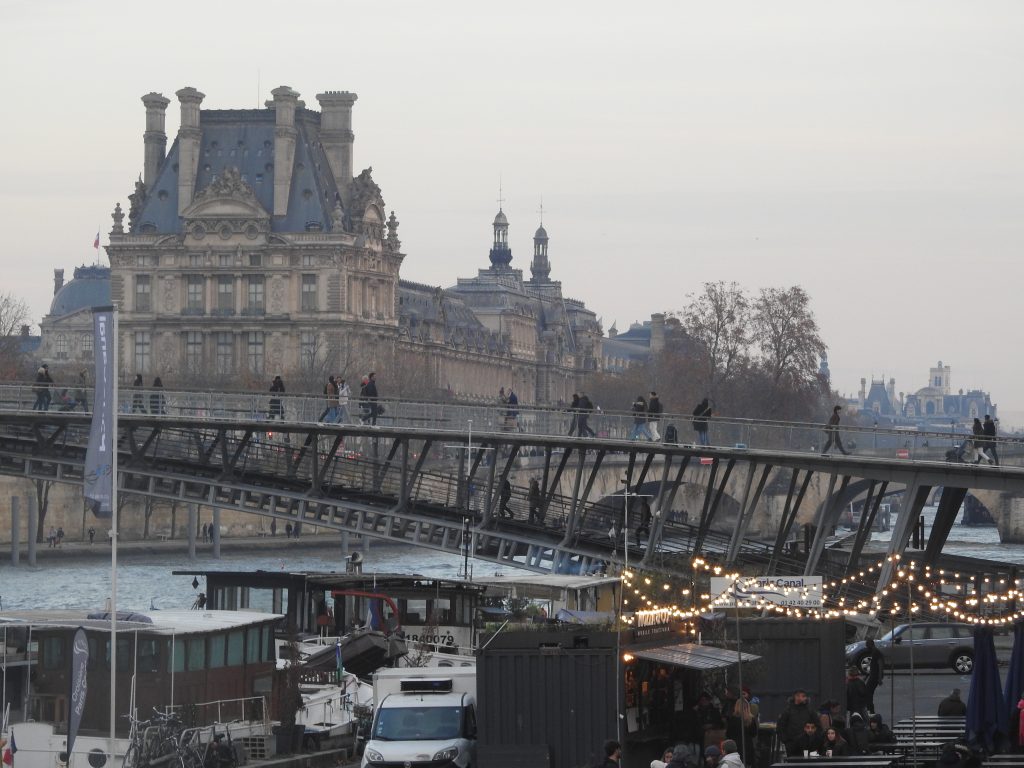
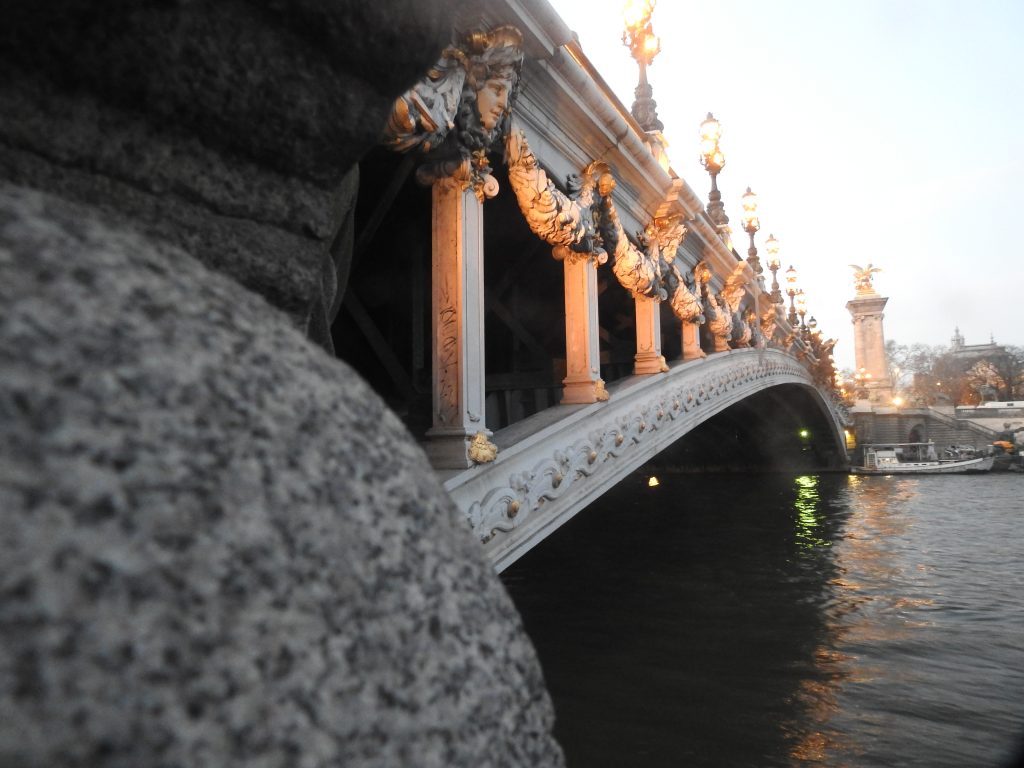
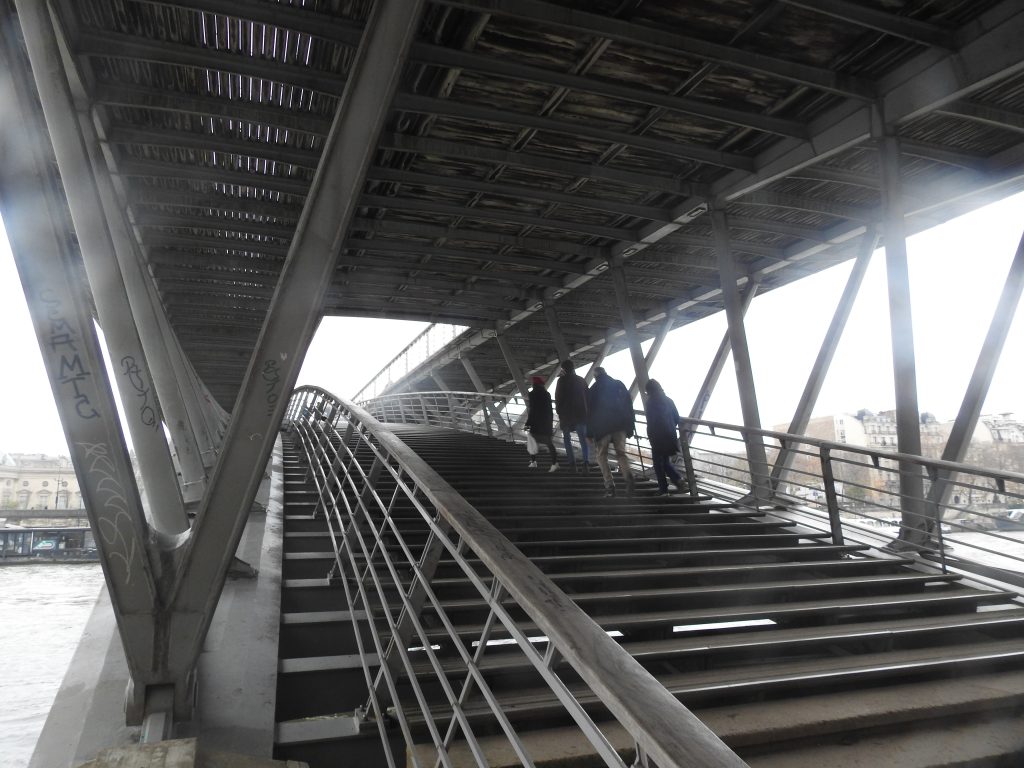
After dropping our bags we took an Uber to the river walk on the Seine River. Eileen had purchased tickets on a river boat. Another snafu, Eileen had the address, but no one along the river walk knew where that address was! We stopped and had a bite to eat, then just as the boat was about to leave we happened on it!
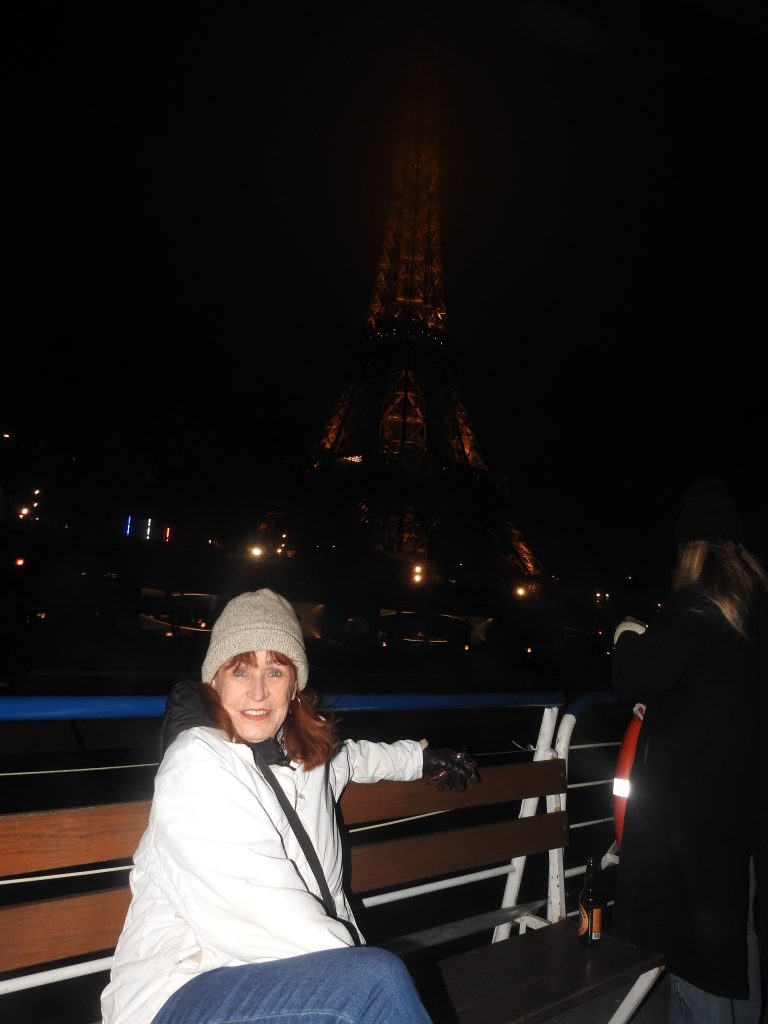
We finally found the boat we were scheduled to be on.
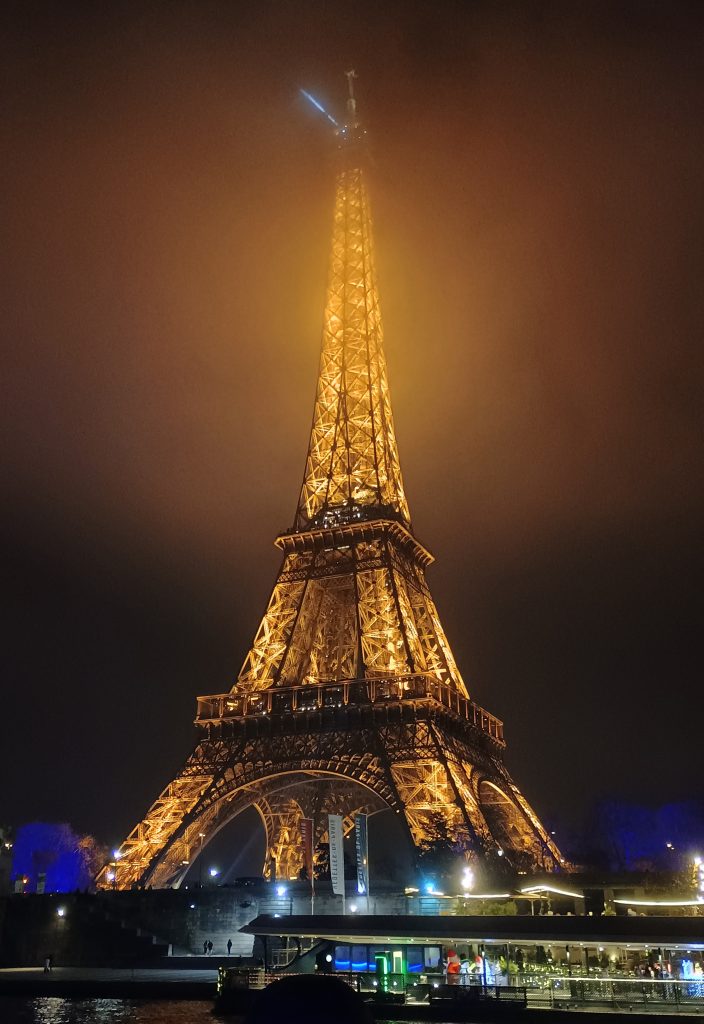
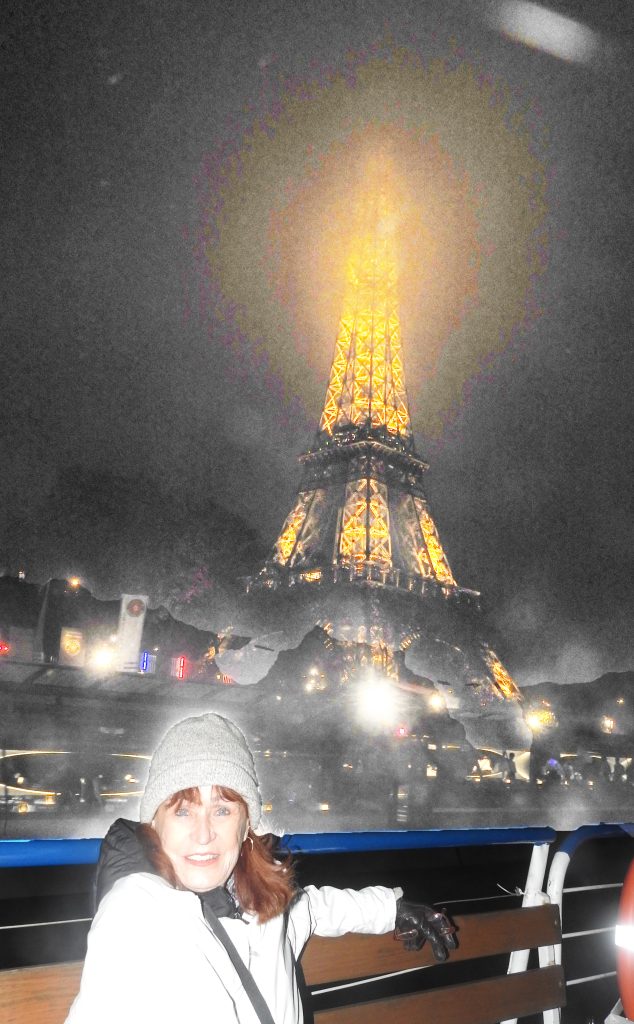
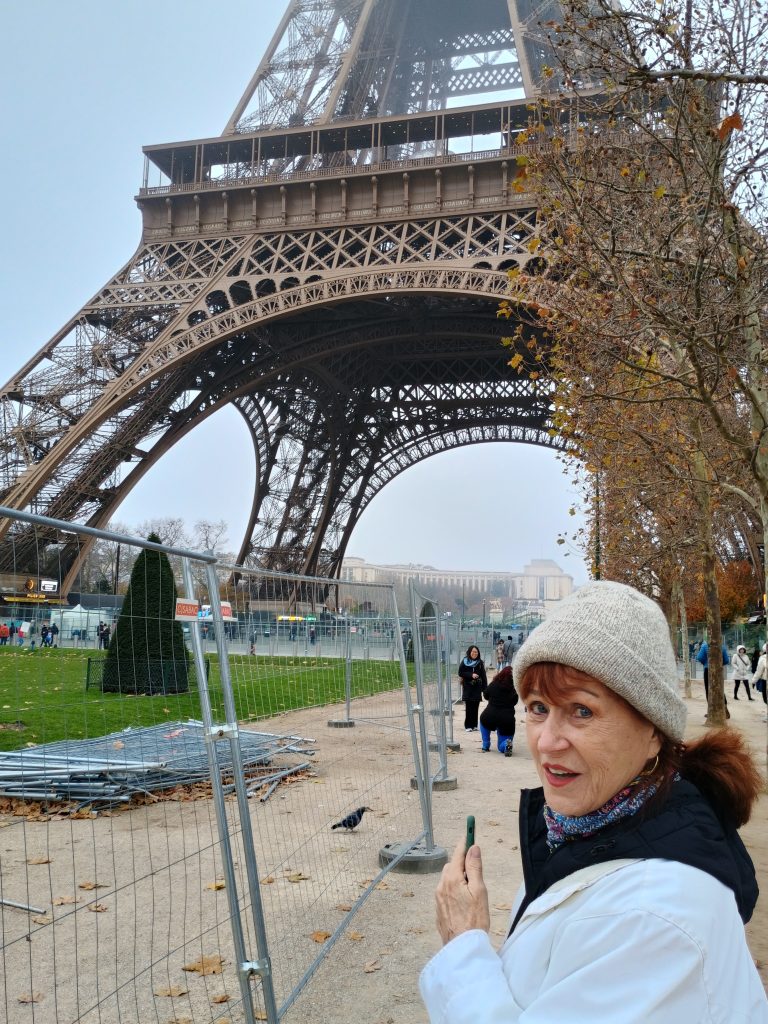
The tower stands 300 meters (984 feet) high. It rests on a base that is 5 meters (17 feet) tall, and the TV antenna atop the tower gives it a total elevation of 330 meters (1,083 feet). The Eiffel Tower was the tallest structure in the world until the topping off of the Chrysler Building in New York City in 1929. The tower was supposed to be temporary!
The Eiffel Tower was built for the 1889 World’s Fair to showcase France’s industrial strength.
Gustave Eiffel knew that the scientific uses of the Tower could prolong its lifespan. The Eiffel Tower was actually supposed to be dismantled after 20 years! That is why he allowed numerous scientific experiments to be carried out – meteorological and astronomical observations, physics, air resistance, etc.
____________________________________________
DAY TWO – Paris as part of the trip 12/1
After breakfast at the hotel we joined the other 7 people who were on the trip with us, and the guide. Nine people on a 20 passenger bus, not bad.
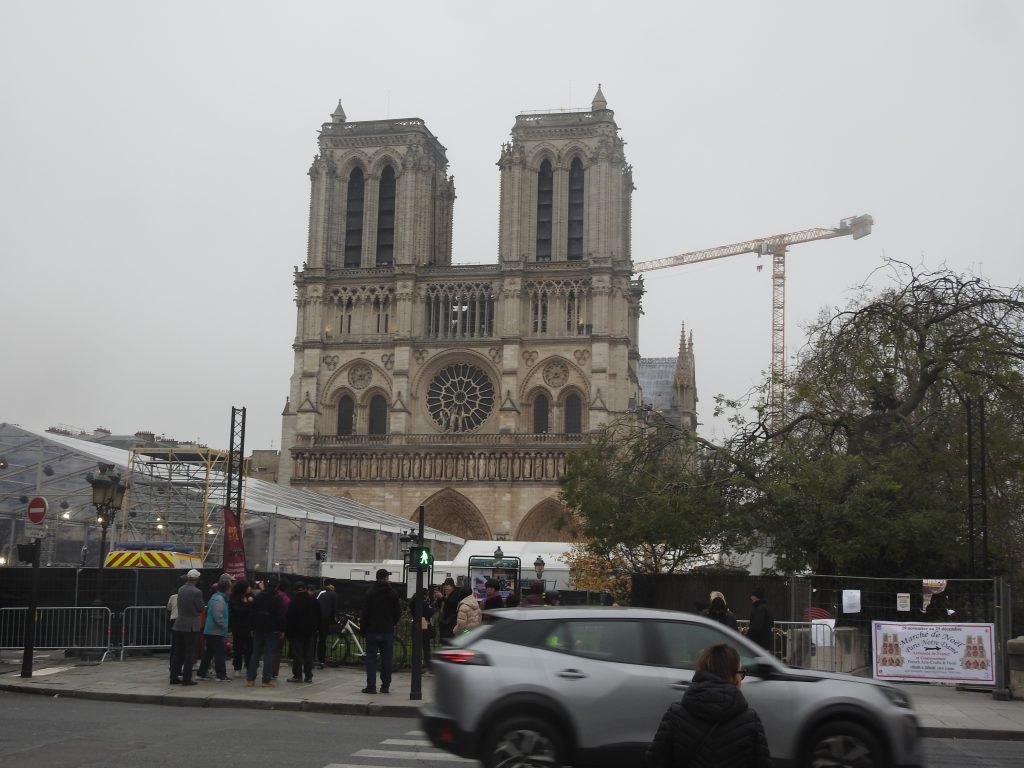
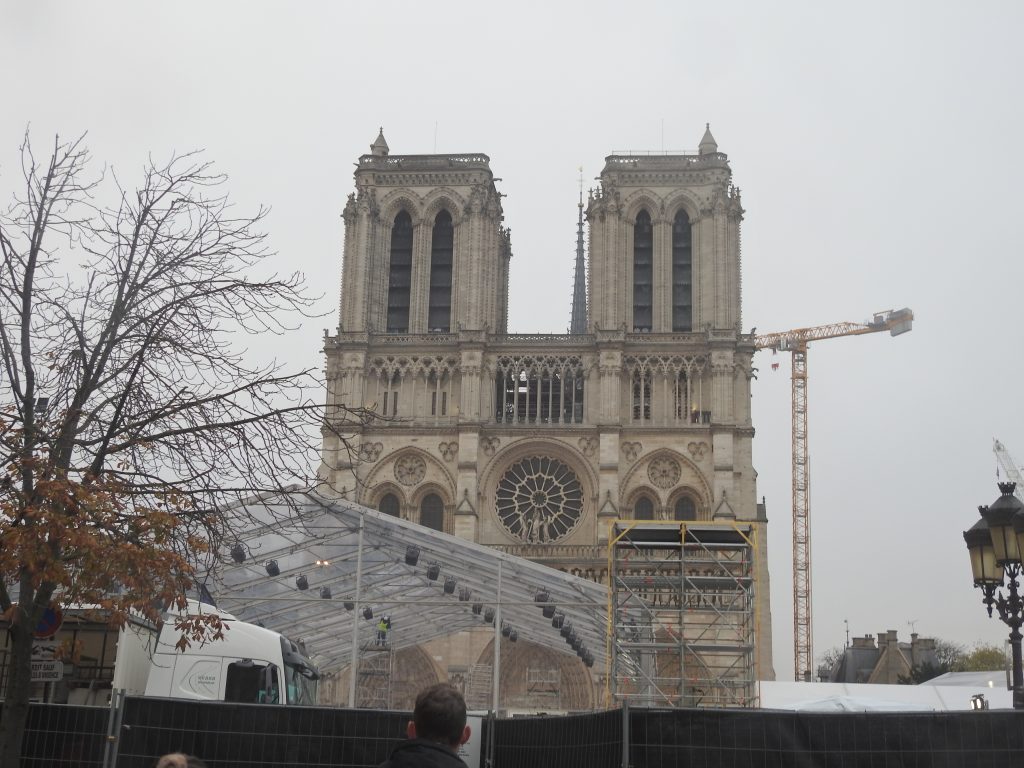
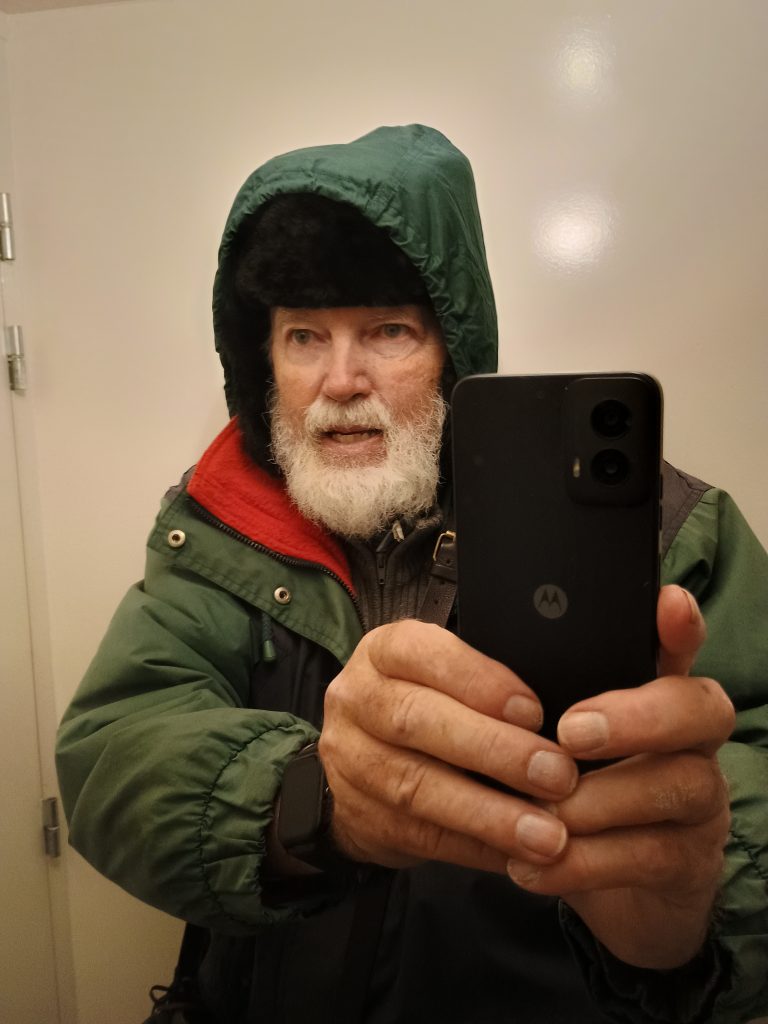
Our 2 hour “Sightseeing Tour” of Paris was not much though, it was a half hour drive to the city, an hour driving around, a short stop at the Cathédrale Notre-Dame de Paris and another short stop at the Eiffel Tower. It was cold and I had on four layers to keep me warm.
The Eiffel Tower was also barricaded off, it is impressive though!!
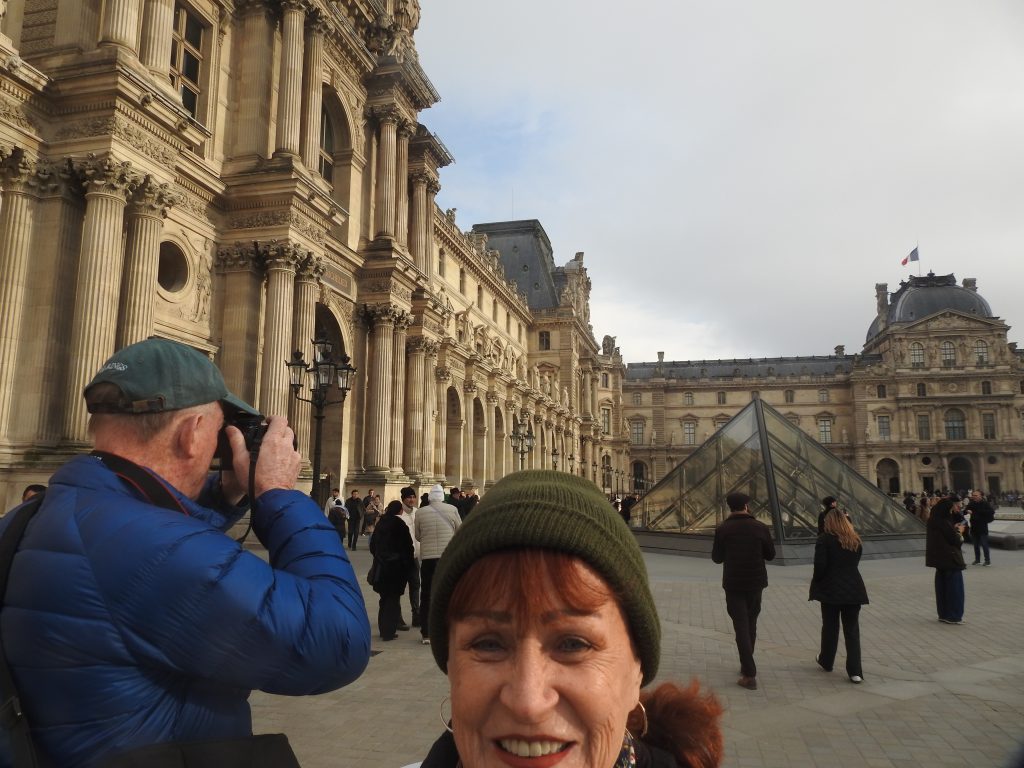
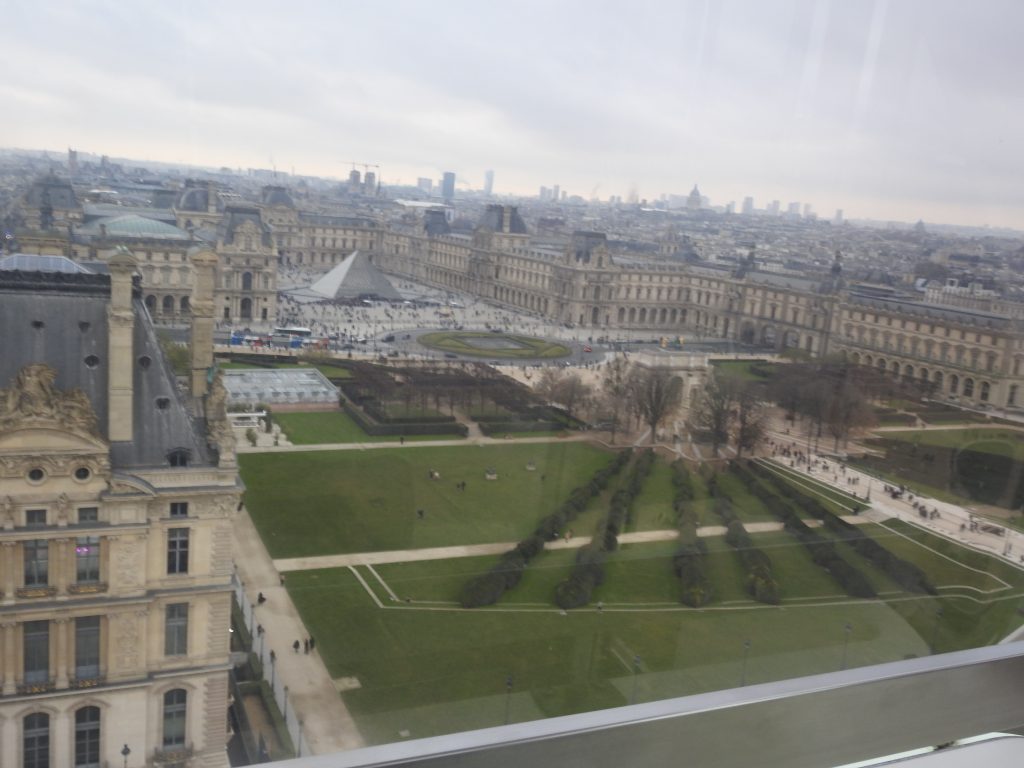
After we got back to the hotel about 11 AM, we jumped on a subway and emerged at the Louvre.
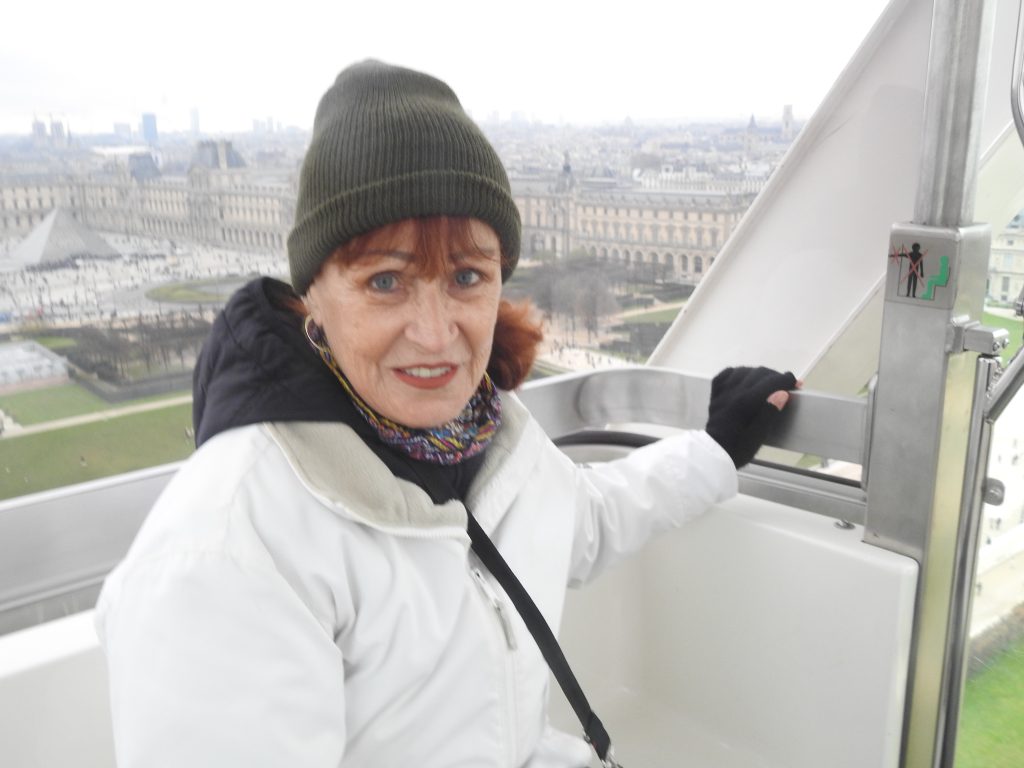
Louvre Pyramid. The Louvre Pyramid (French: Pyramide du Louvre) is a large glass-and-metal structure designed by the Chinese-American architect I. M. Pei. The pyramid is in the main courtyard (Cour Napoléon) of the Louvre Palace in Paris, surrounded by three smaller pyramids.
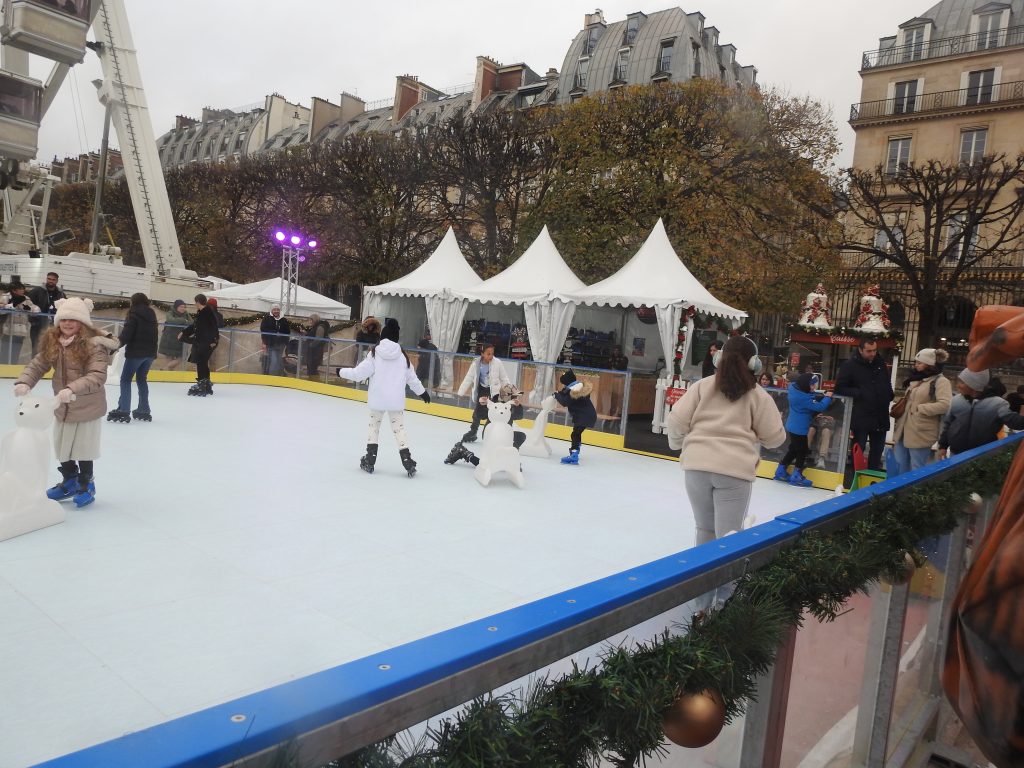
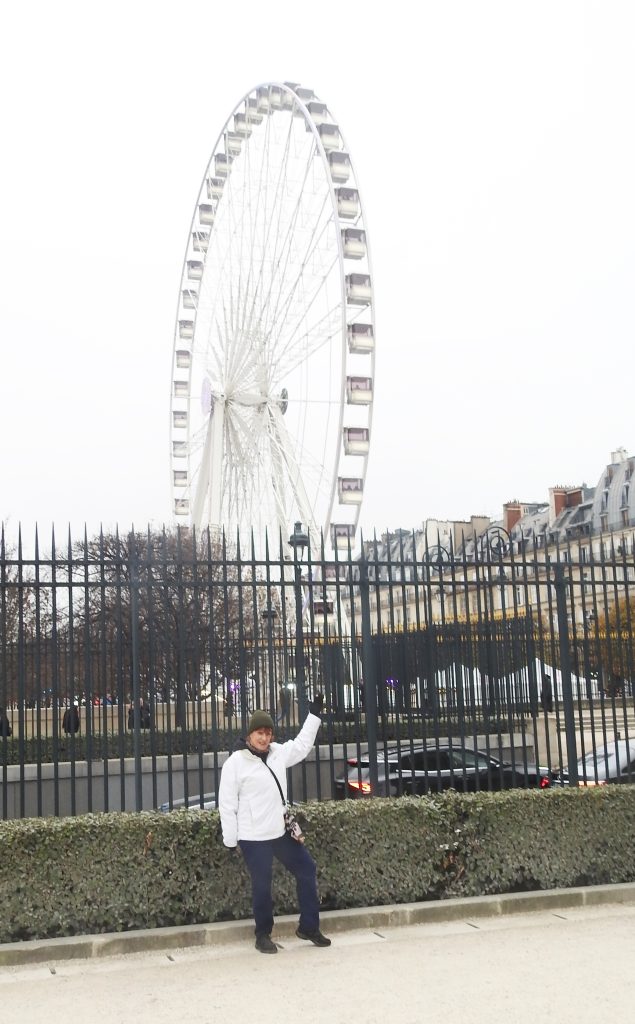
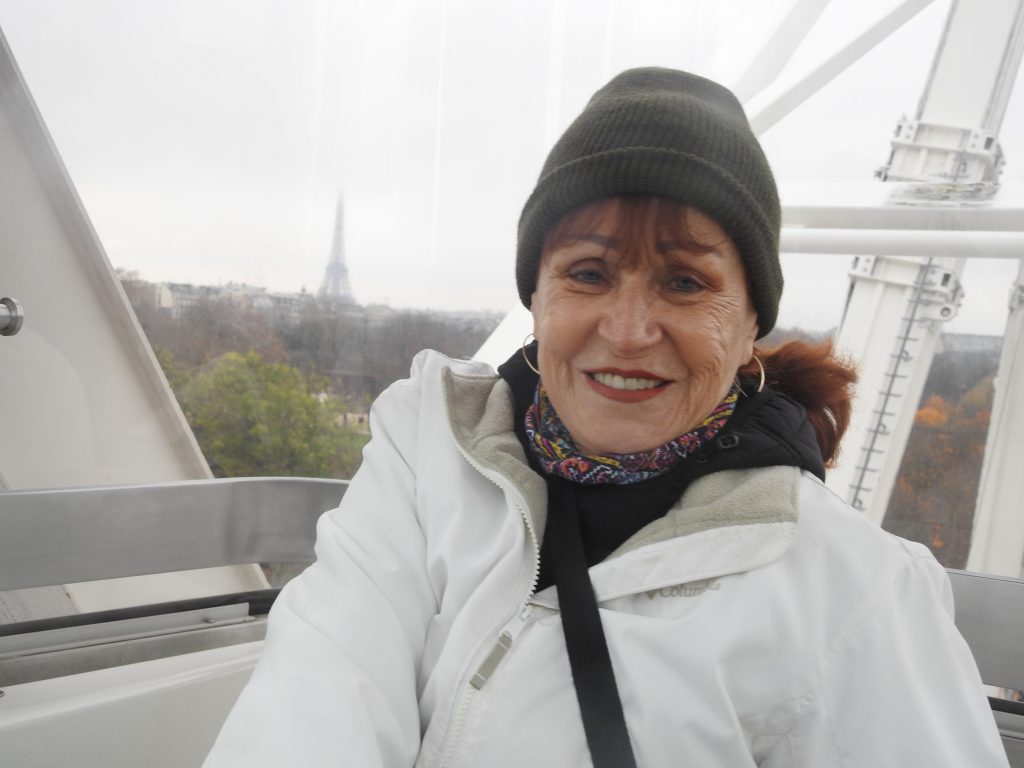
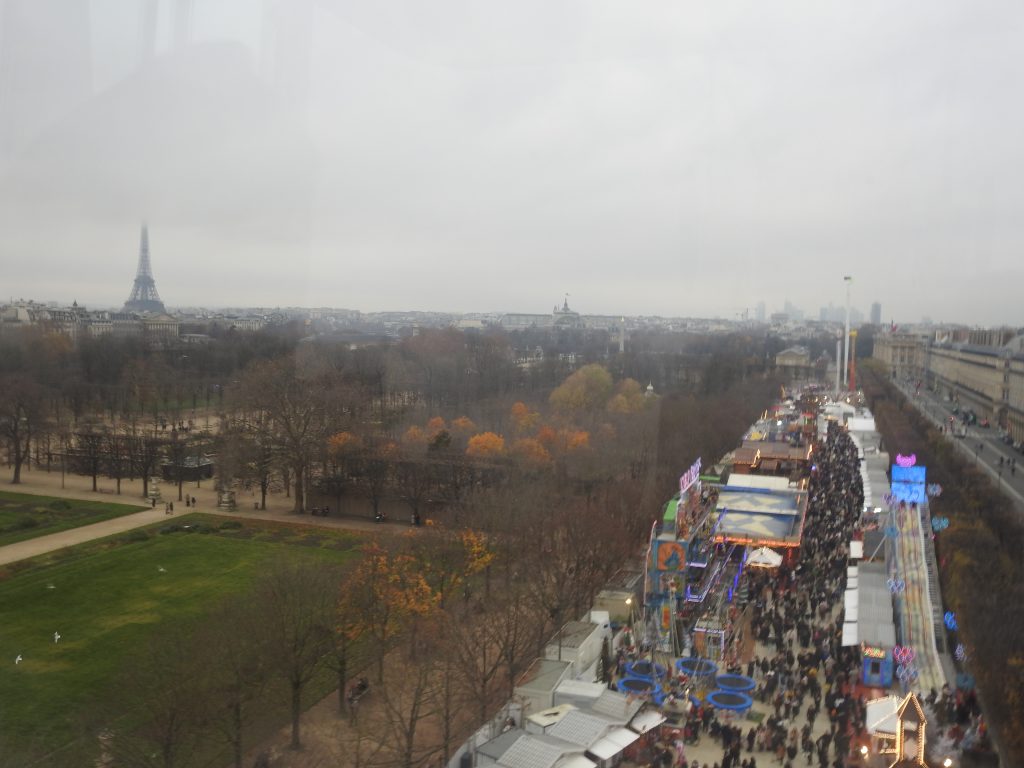
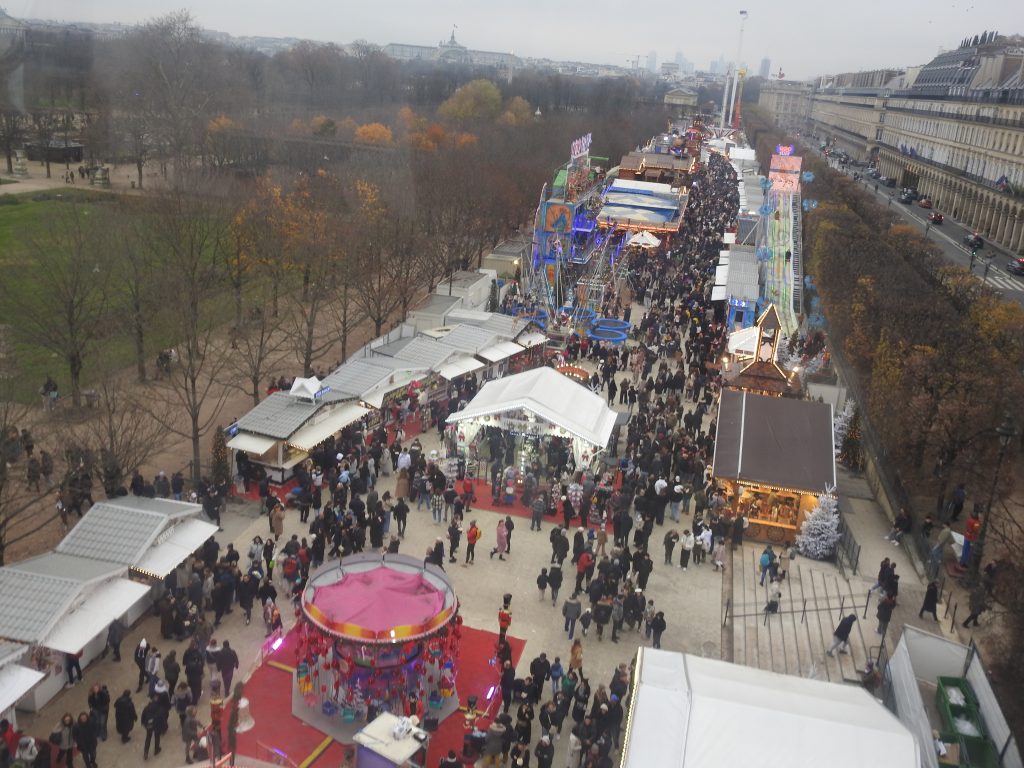
We went around and over to the Christmas celebration and the Ferris Wheel – “The View” .
We hopped back on the subway and had dinner at a local restaurant.
_________________________________________________
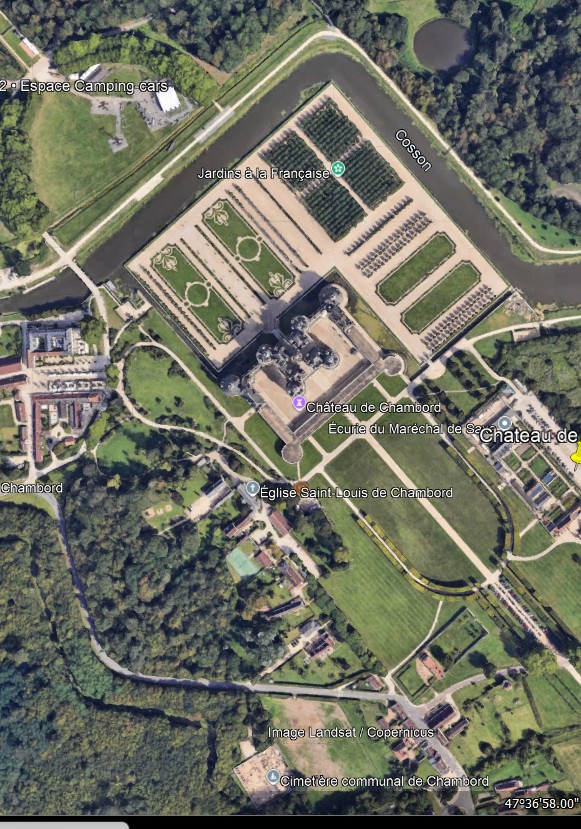
DAY THREE – Château de Chambord and Wine 12/2
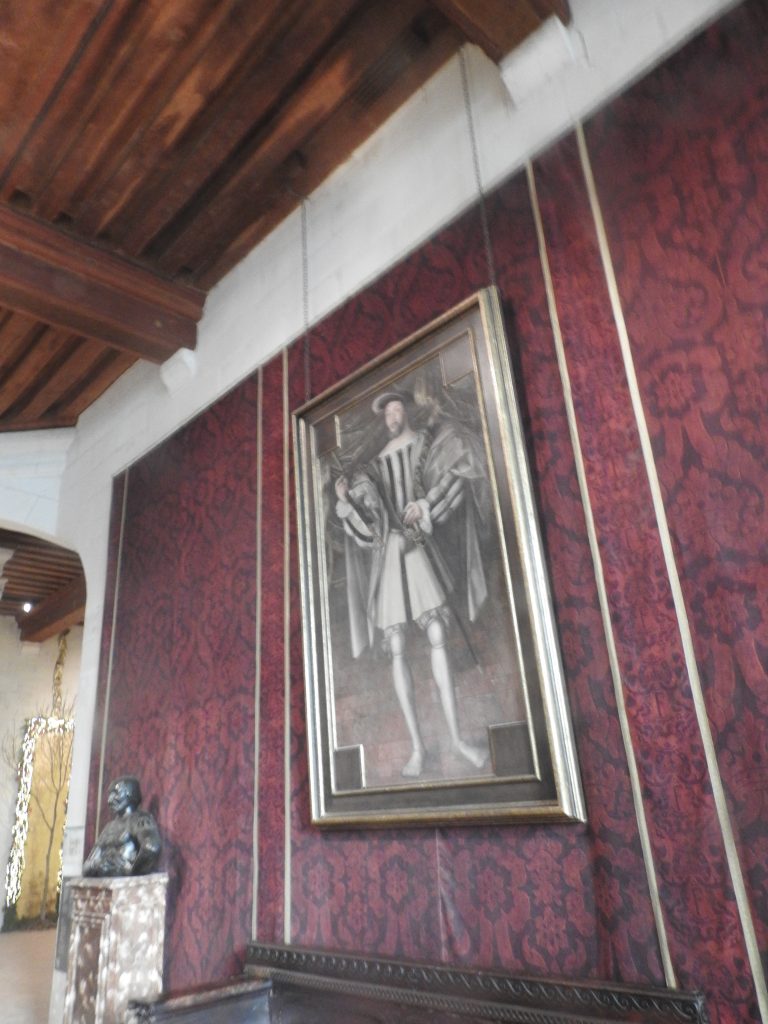
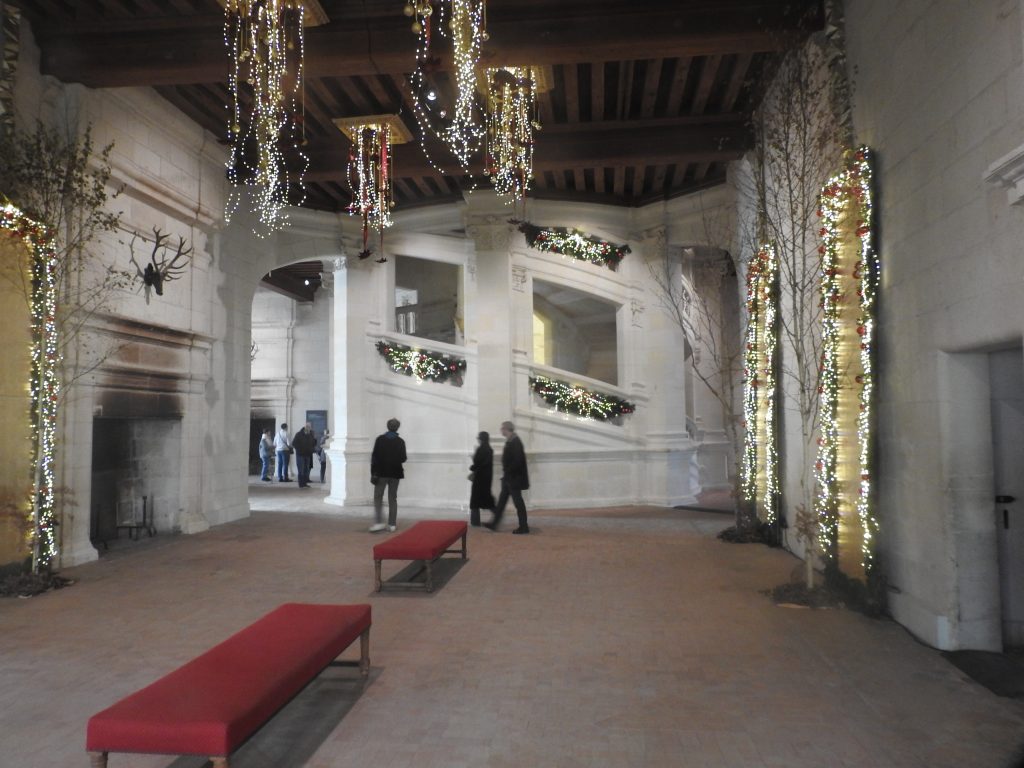
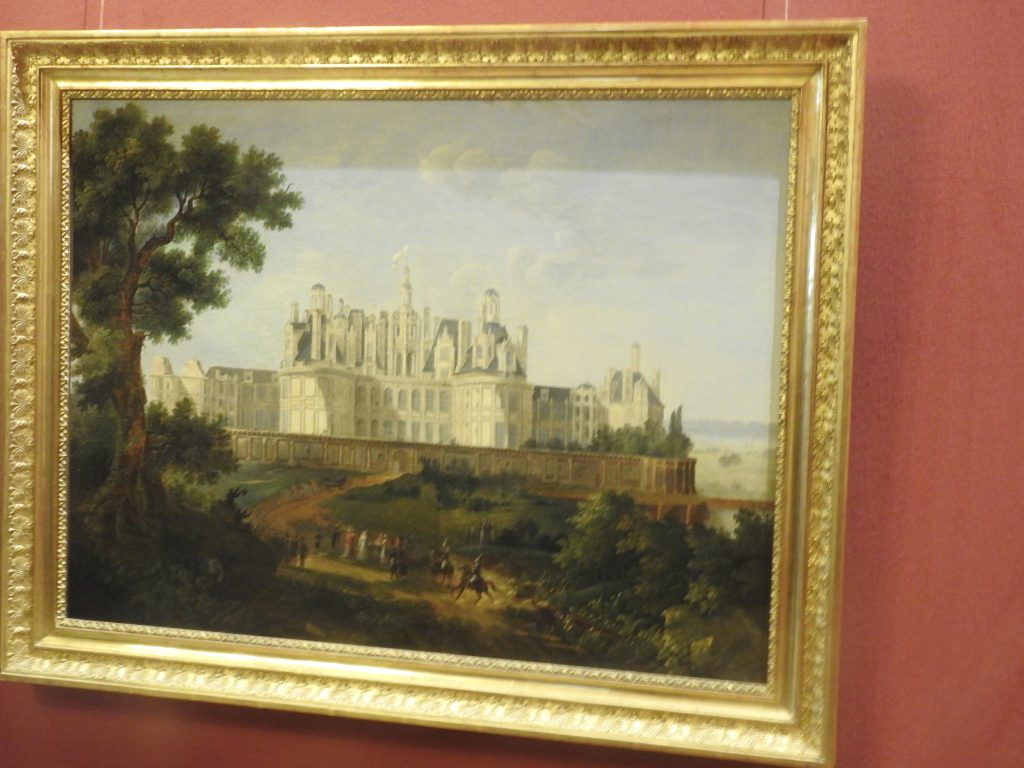
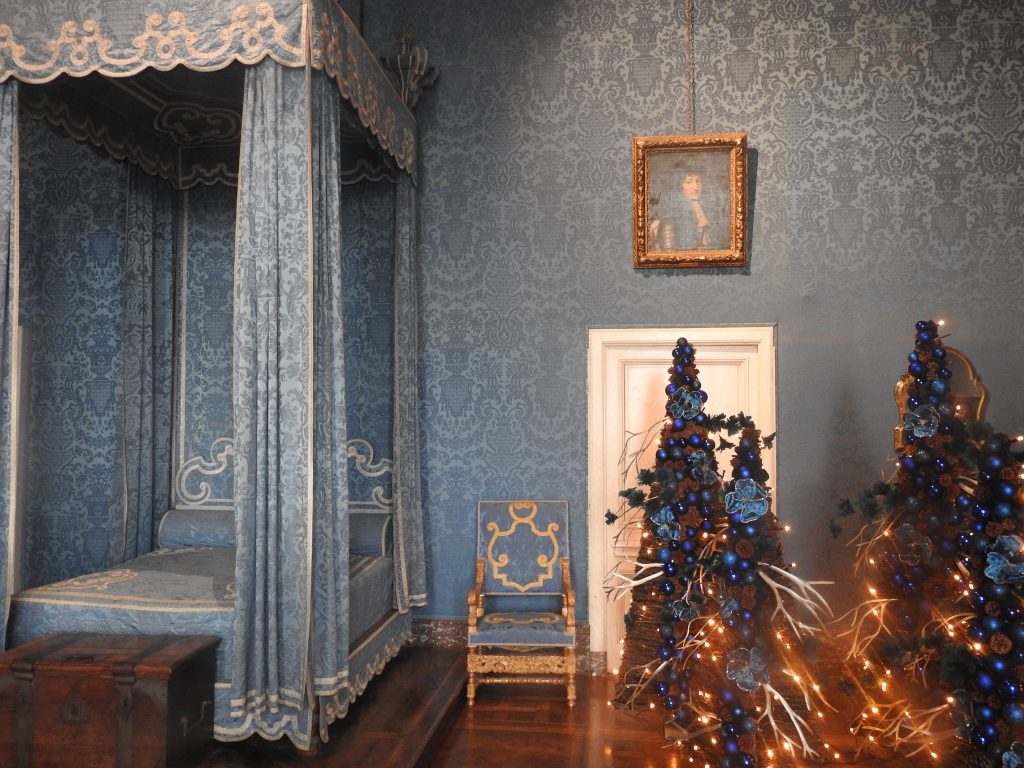
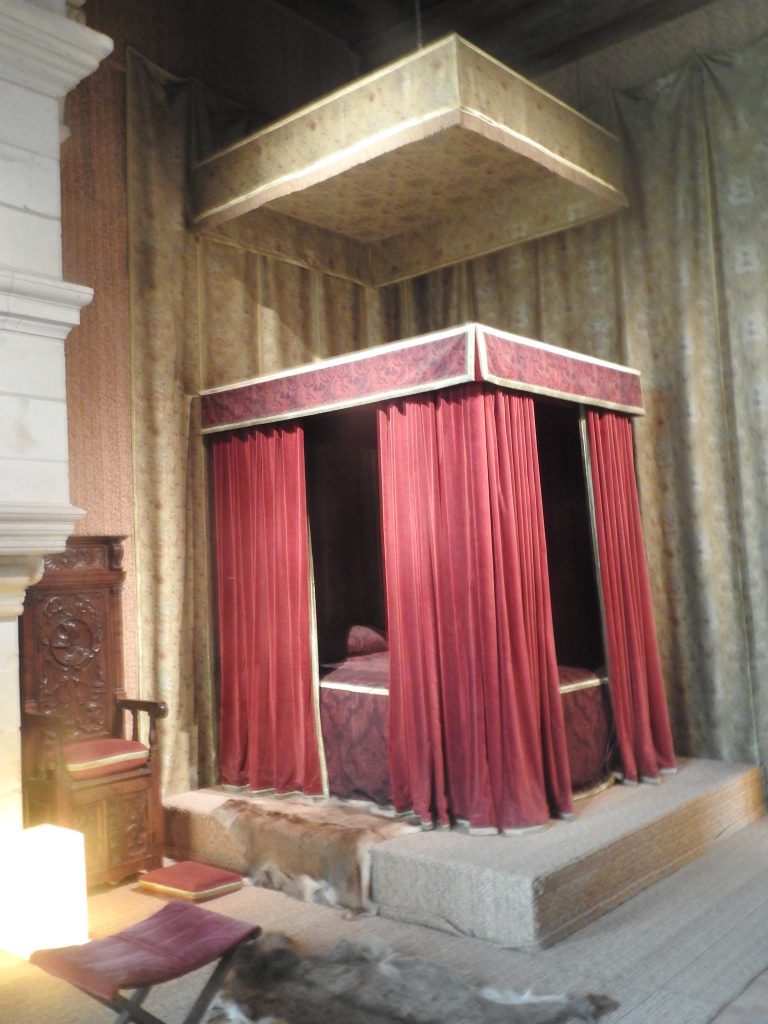
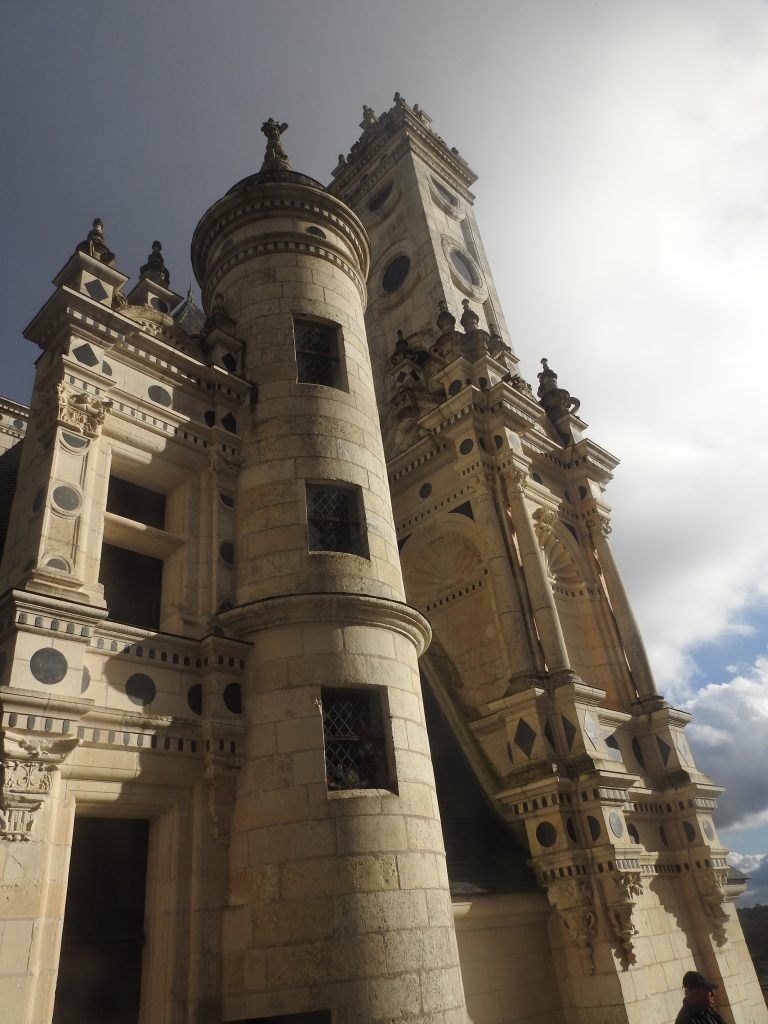
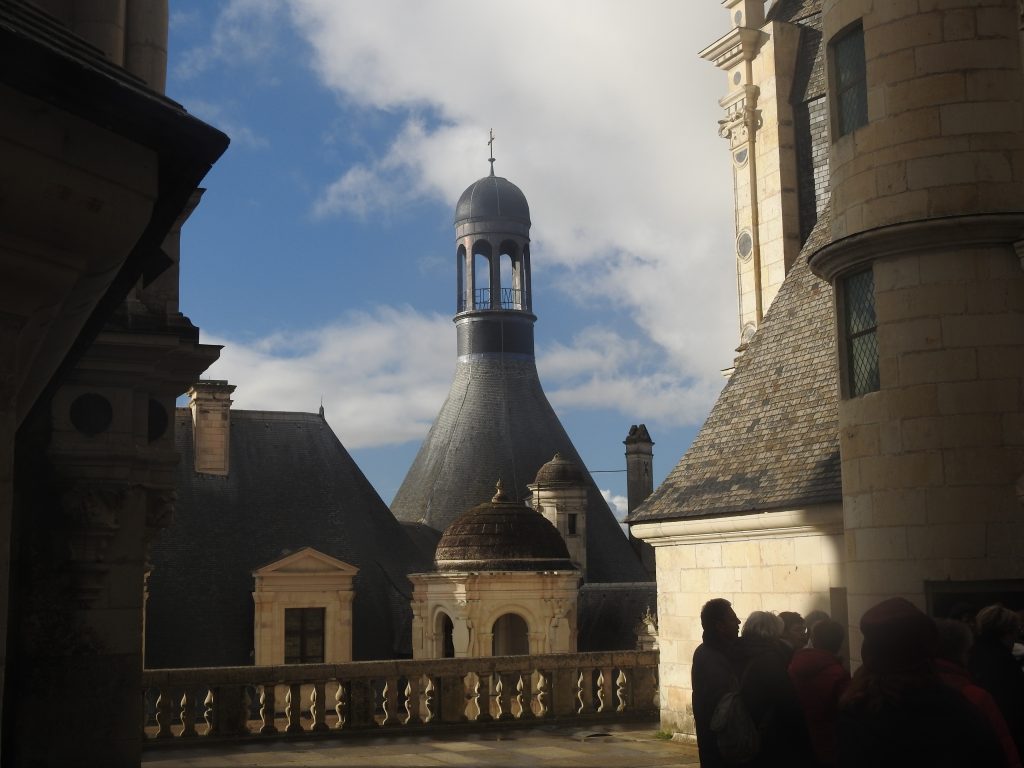
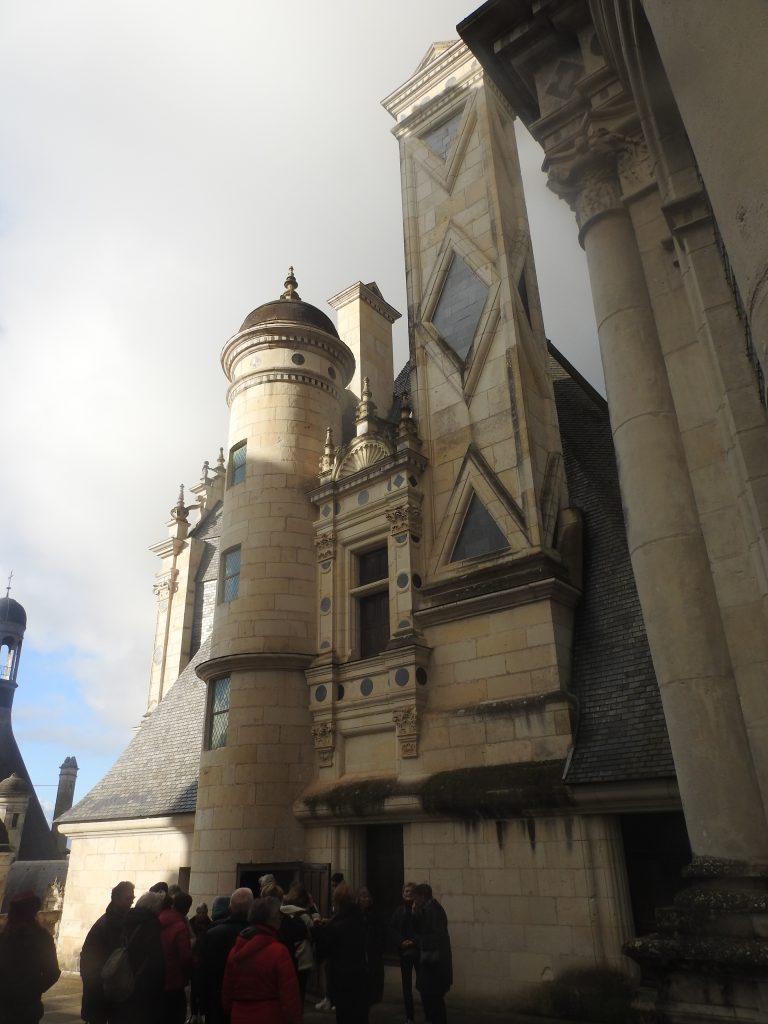
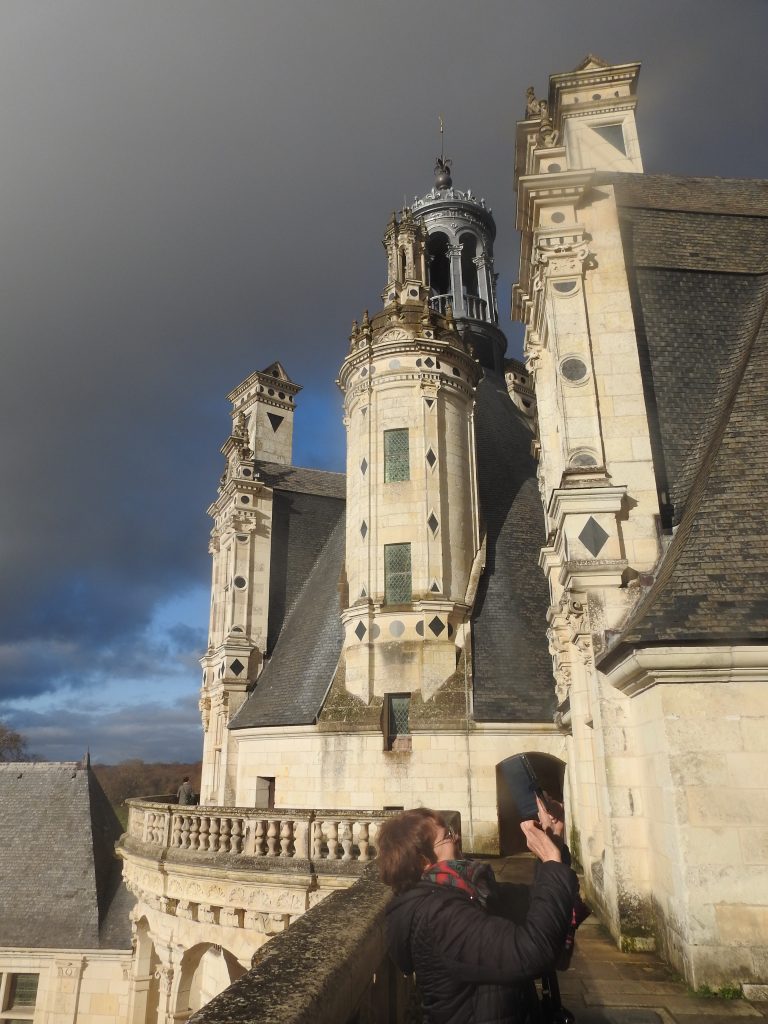
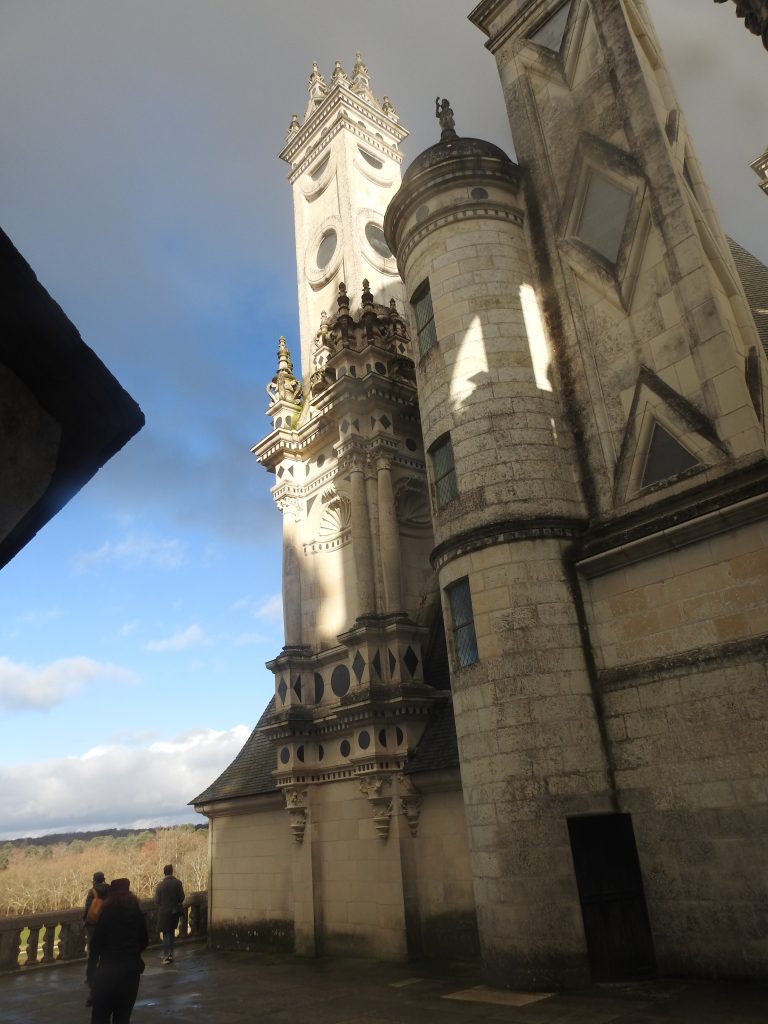
I was at Chateau Chambord 40 years ago. All the rooms were sterile block rooms with nothing in them. The excuse was that when the king left any given castle the staff would remove everything and move it to the next castle, leaving the one empty.
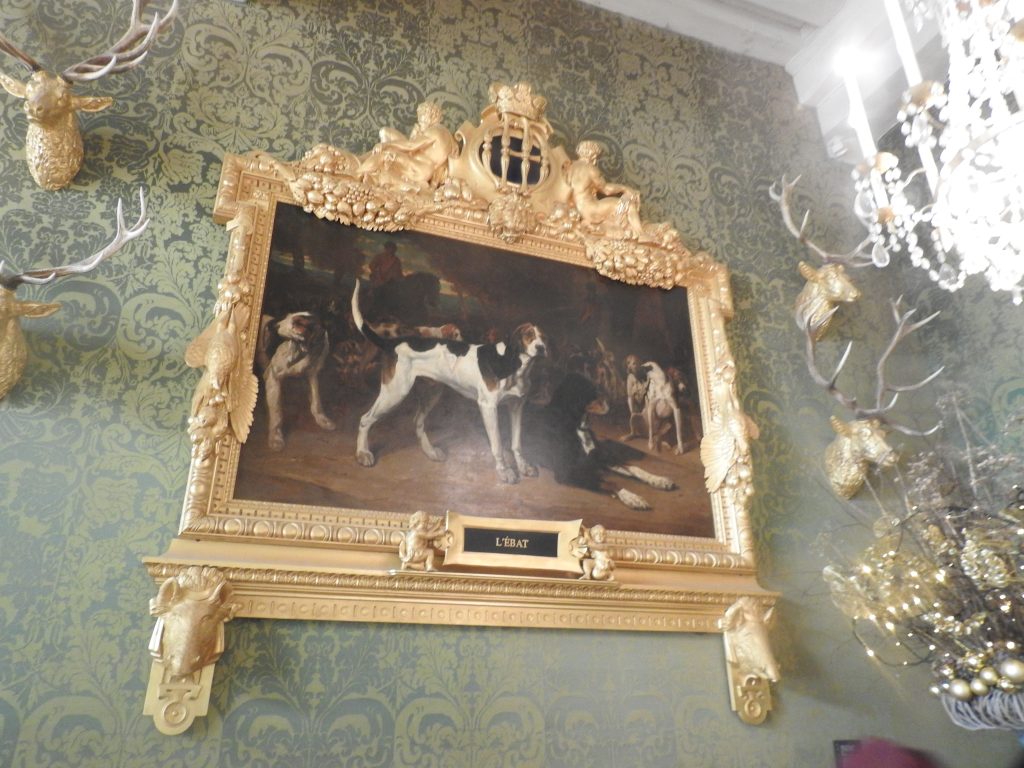
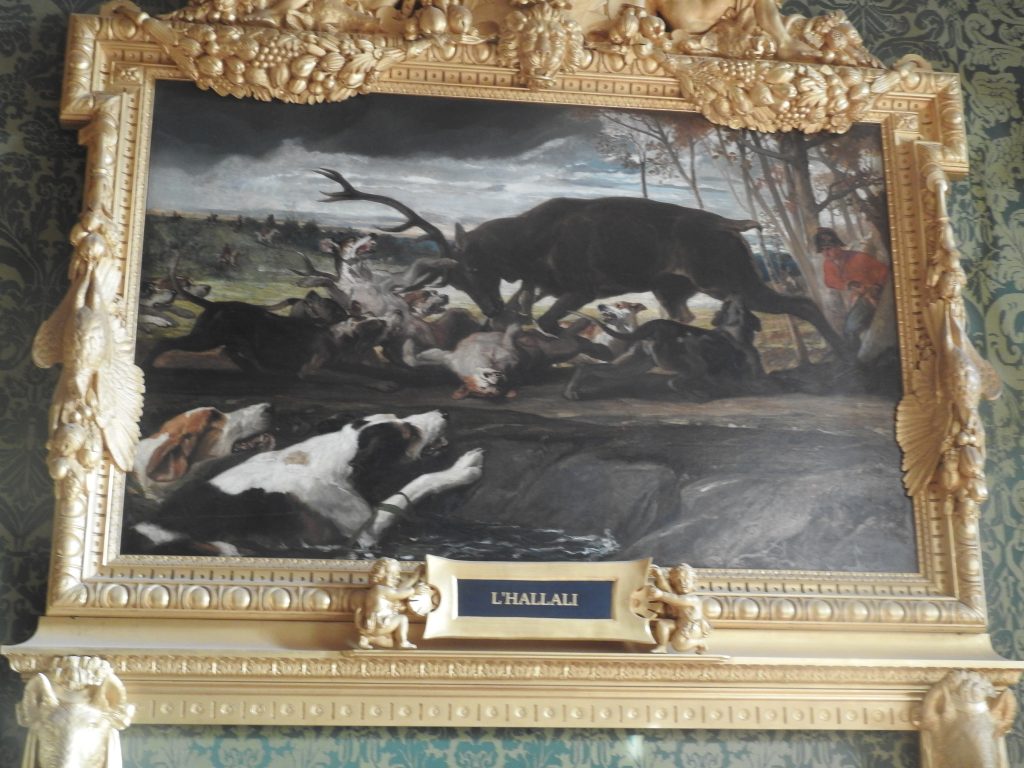
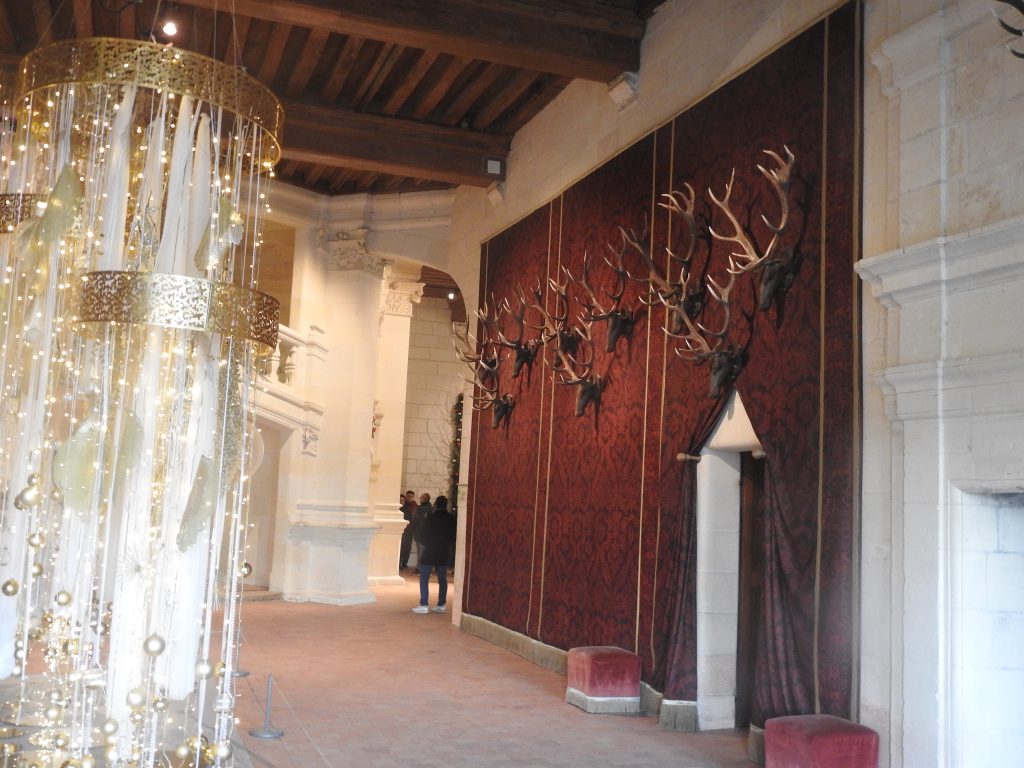
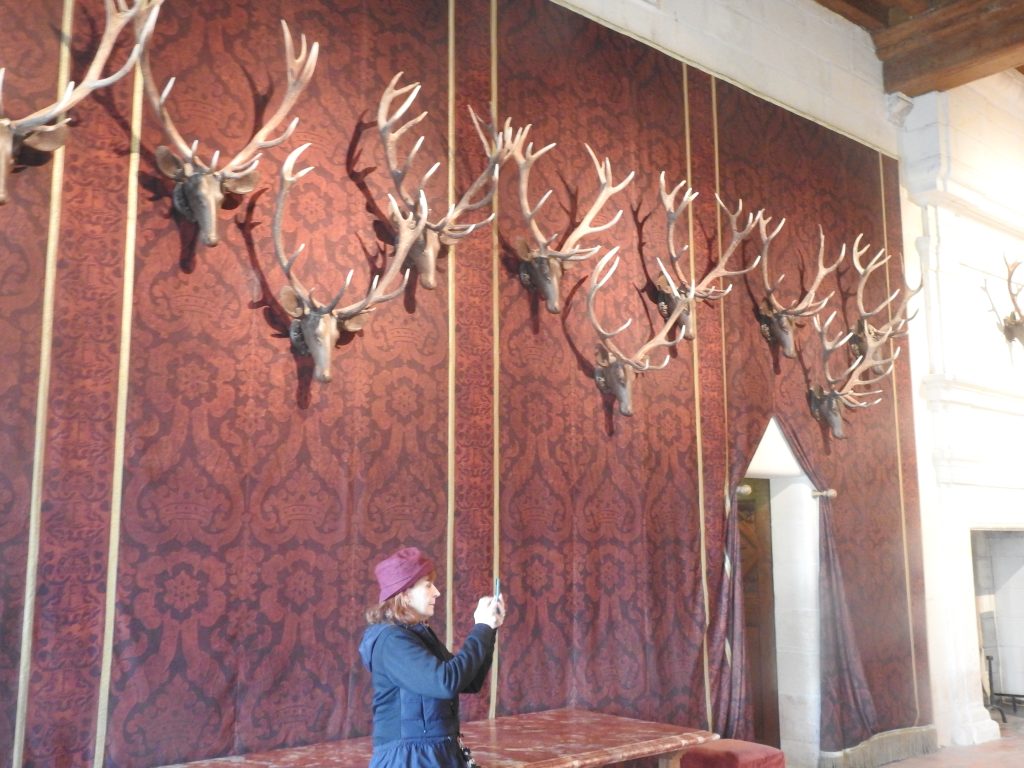
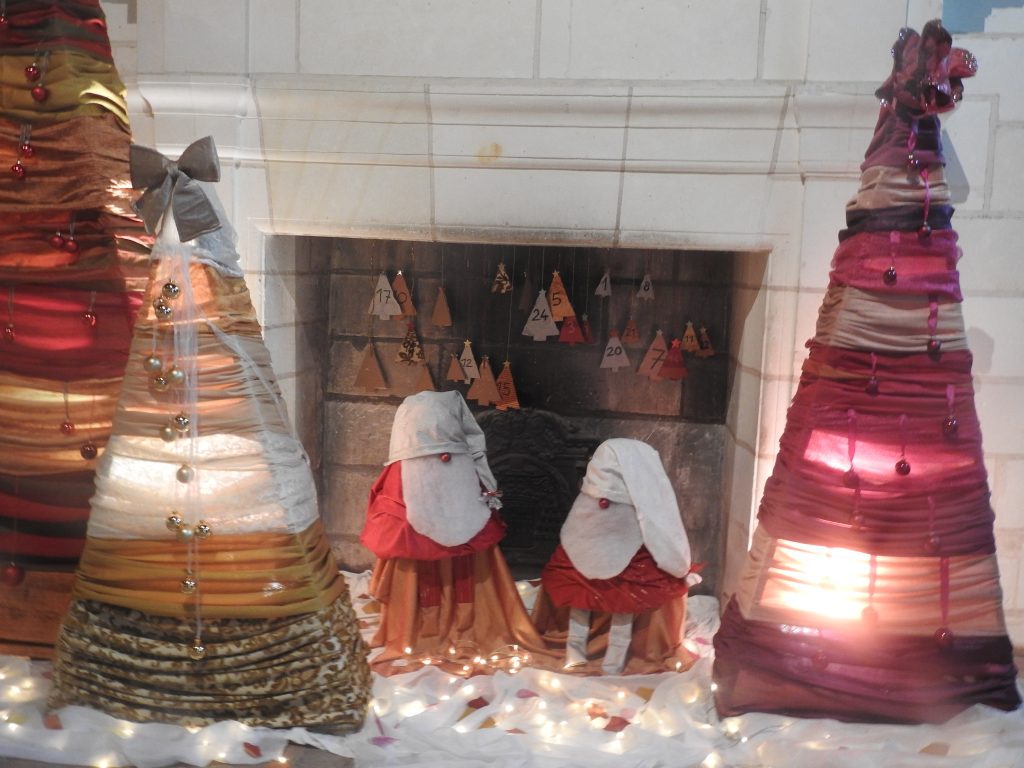
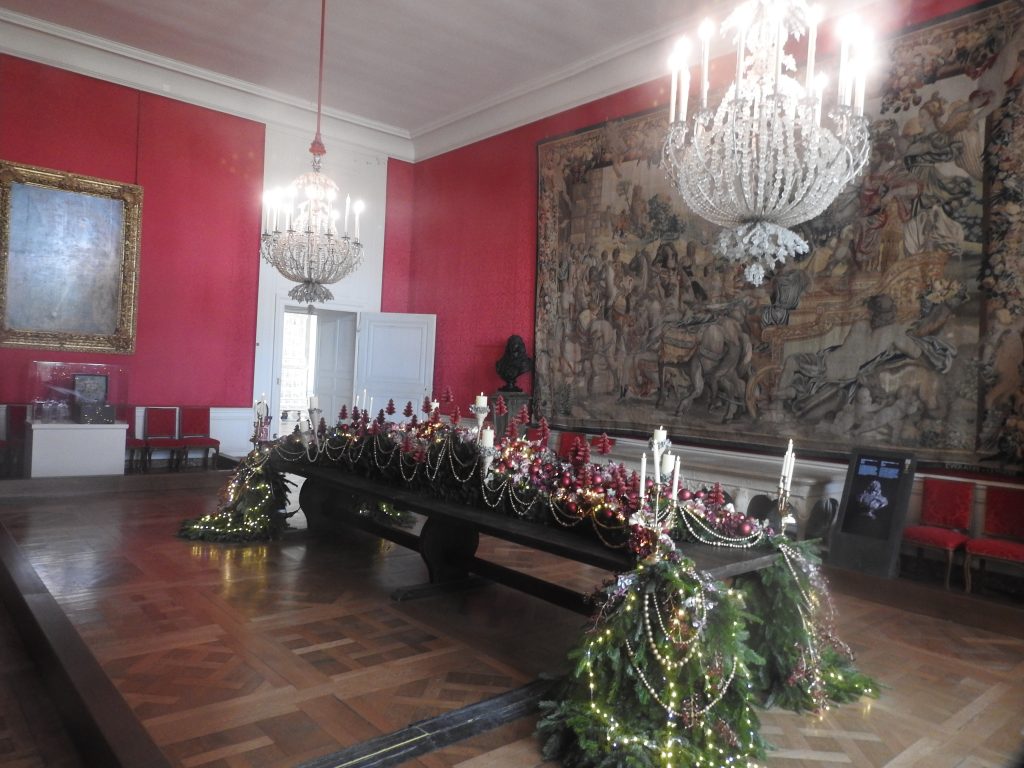
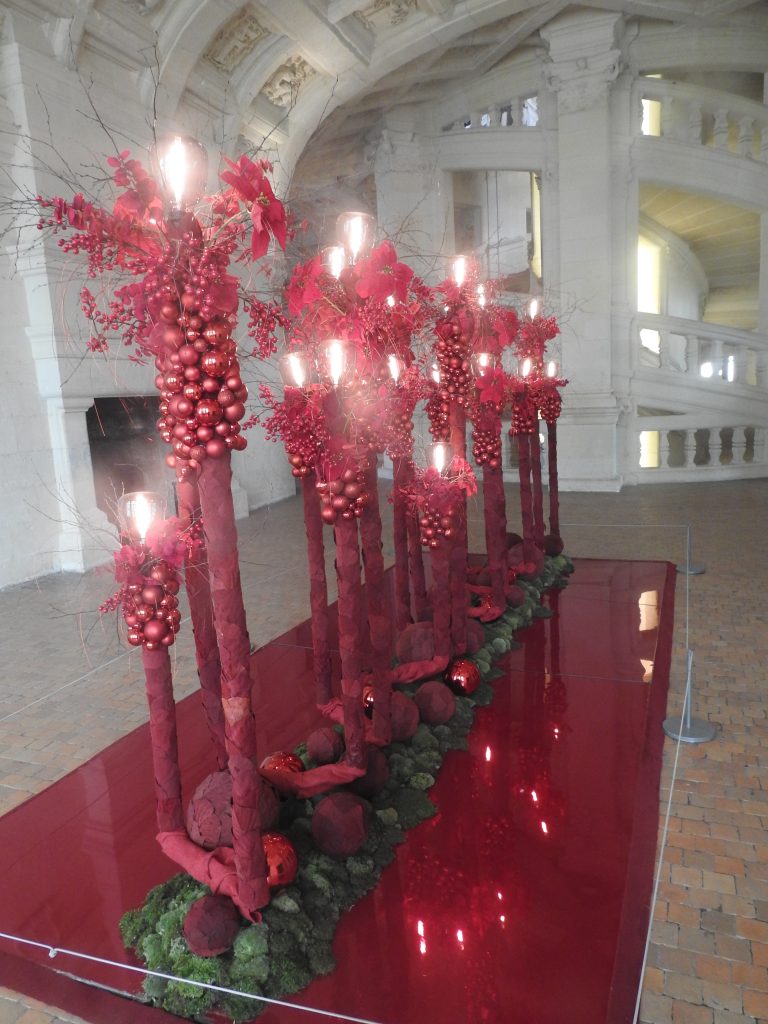
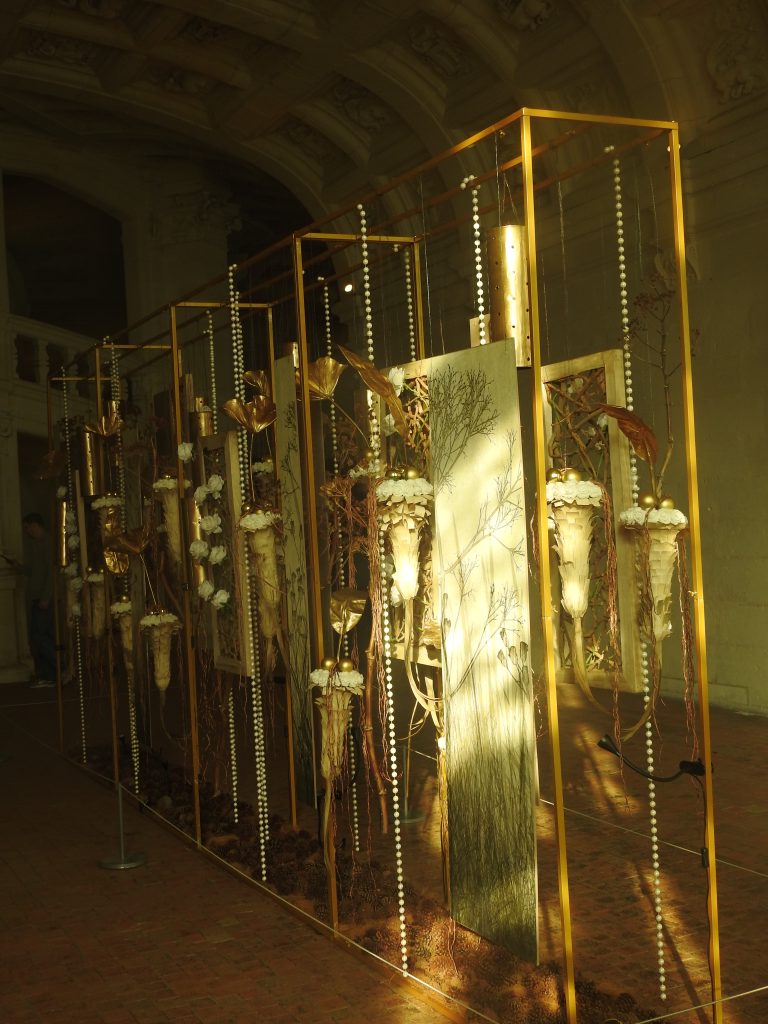
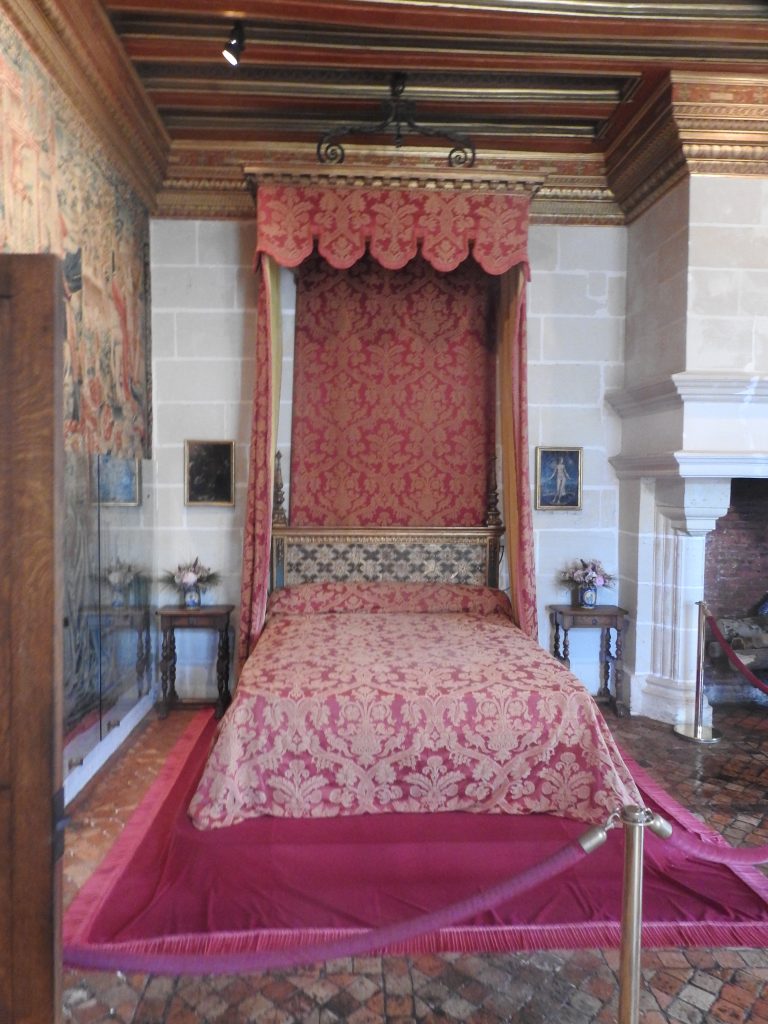
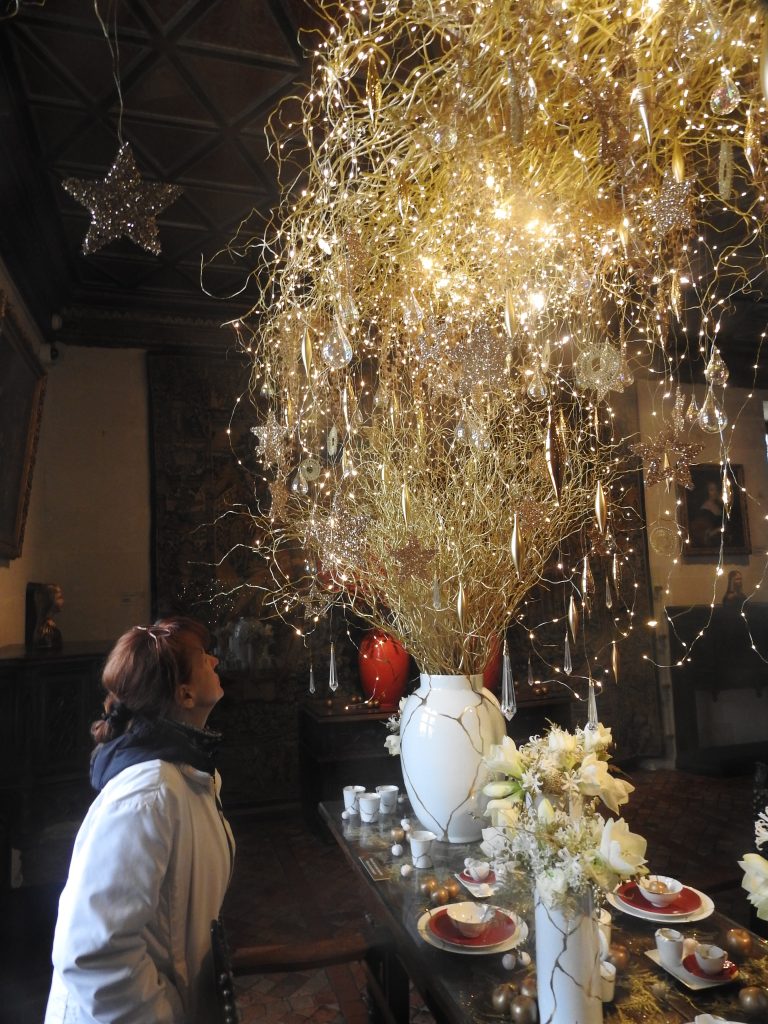
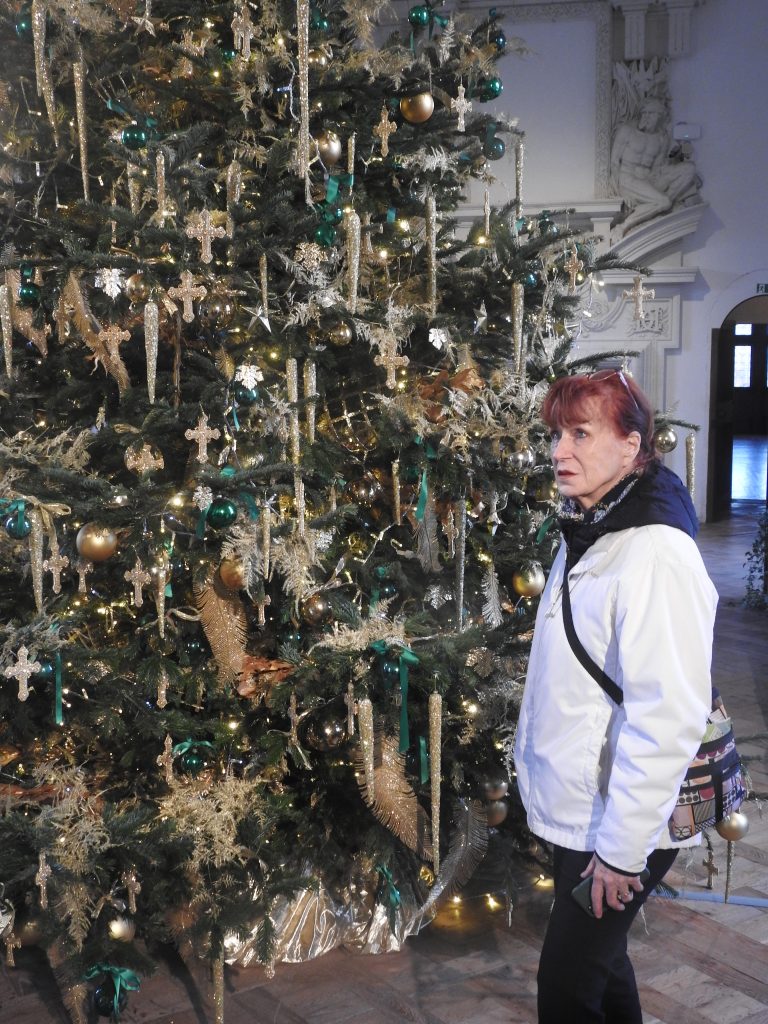
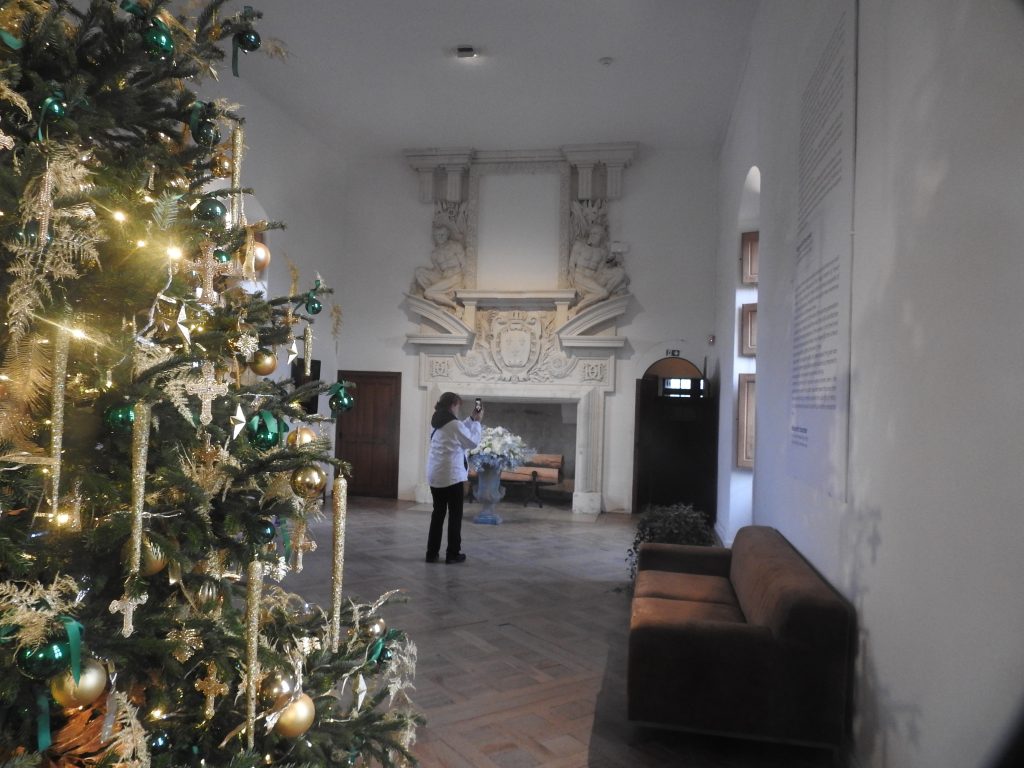
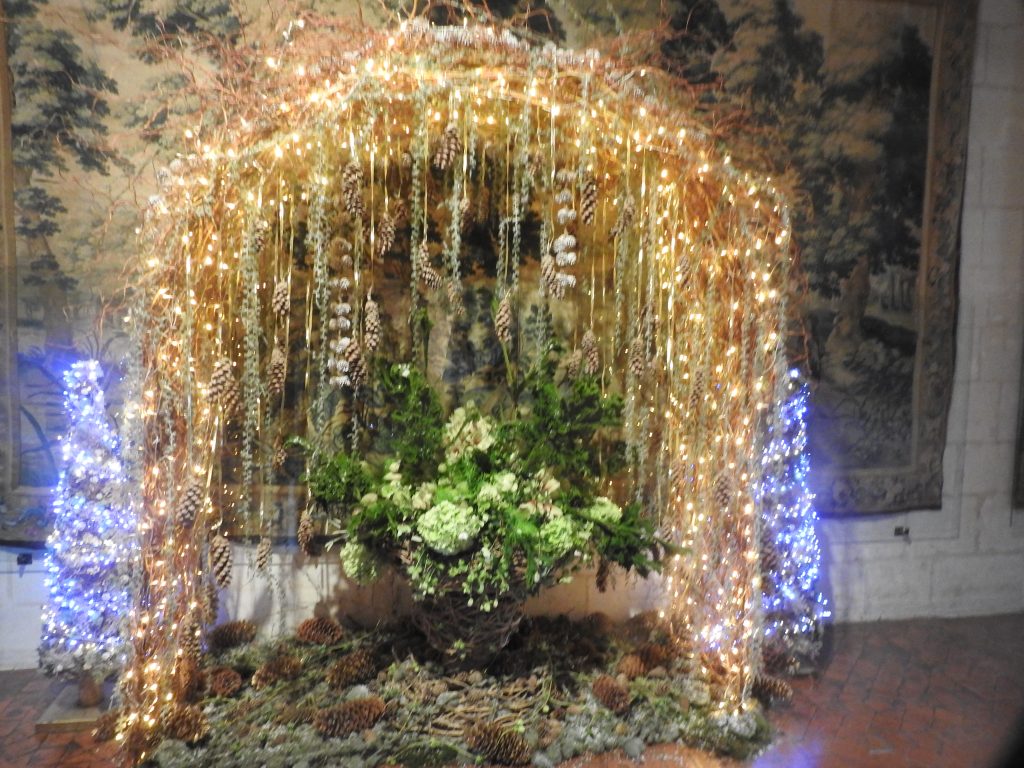
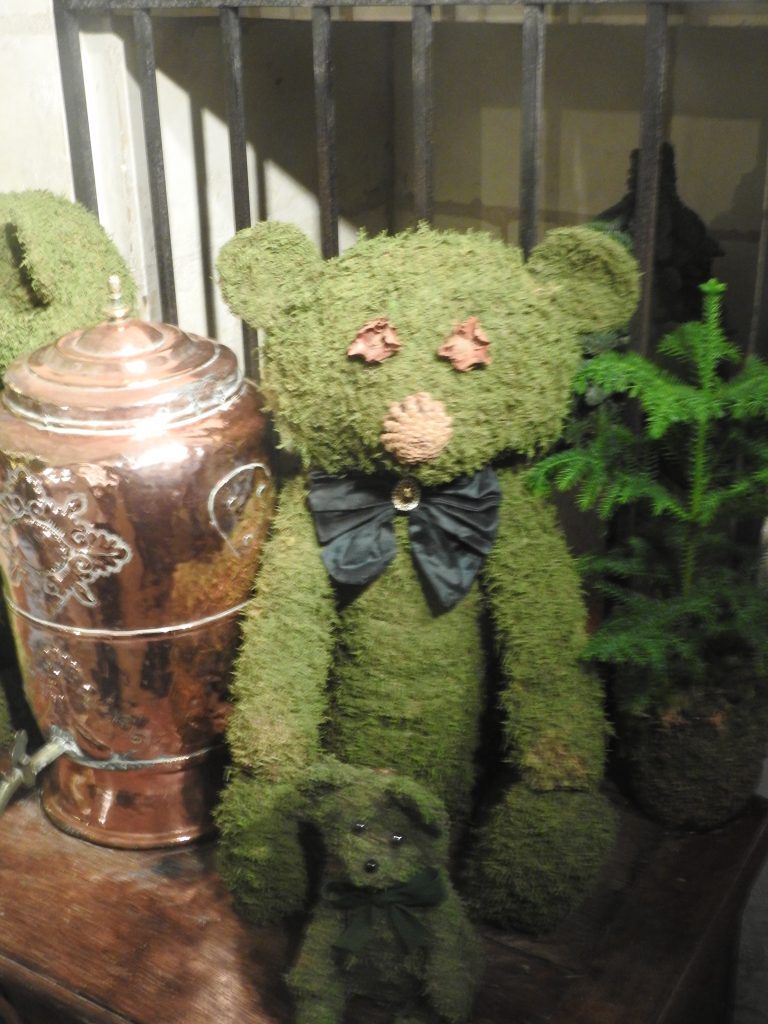
Today however, they had moved ;lots of furniture of the era in, and decorated every room for Christmas! So much nicer!!
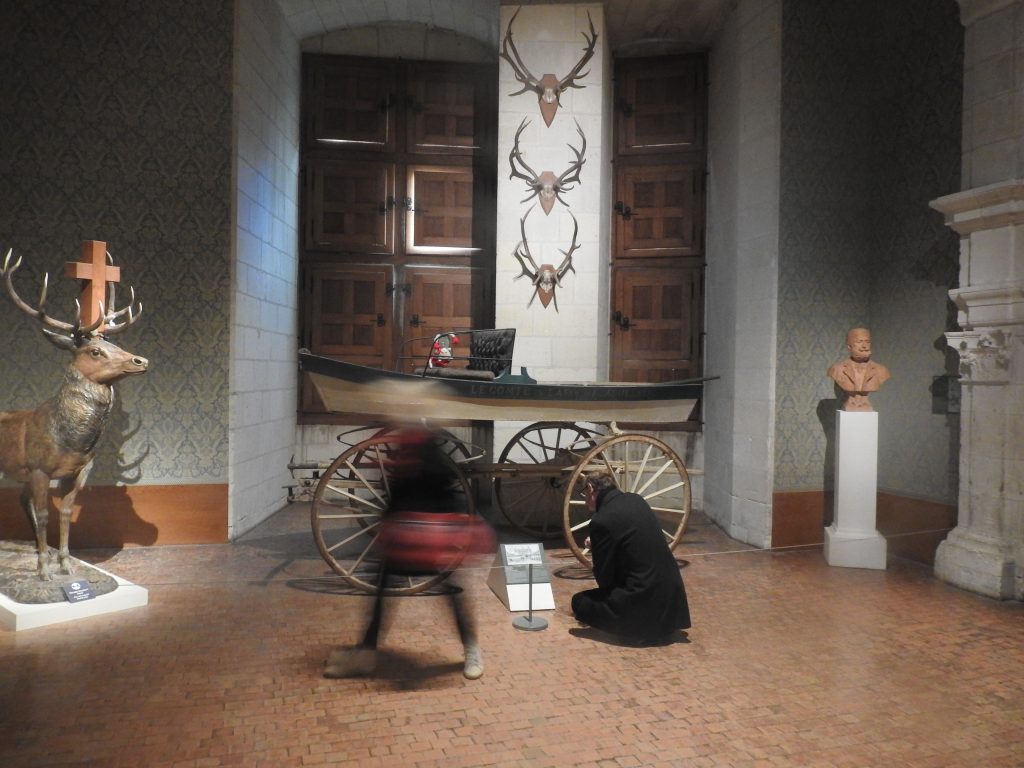
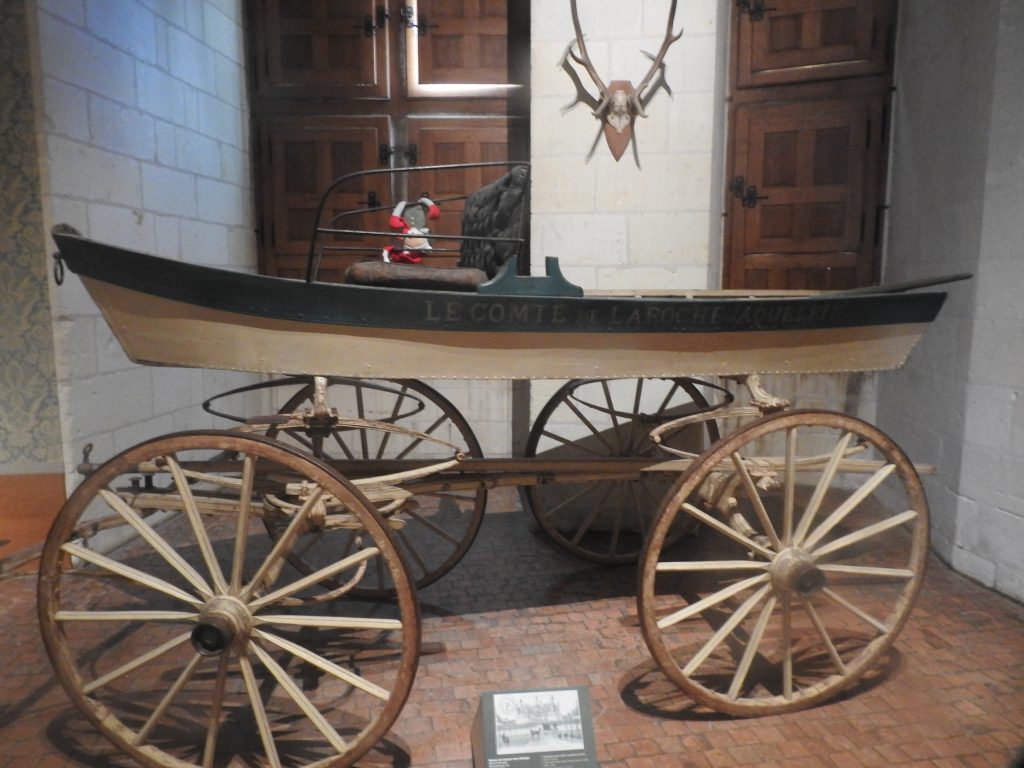
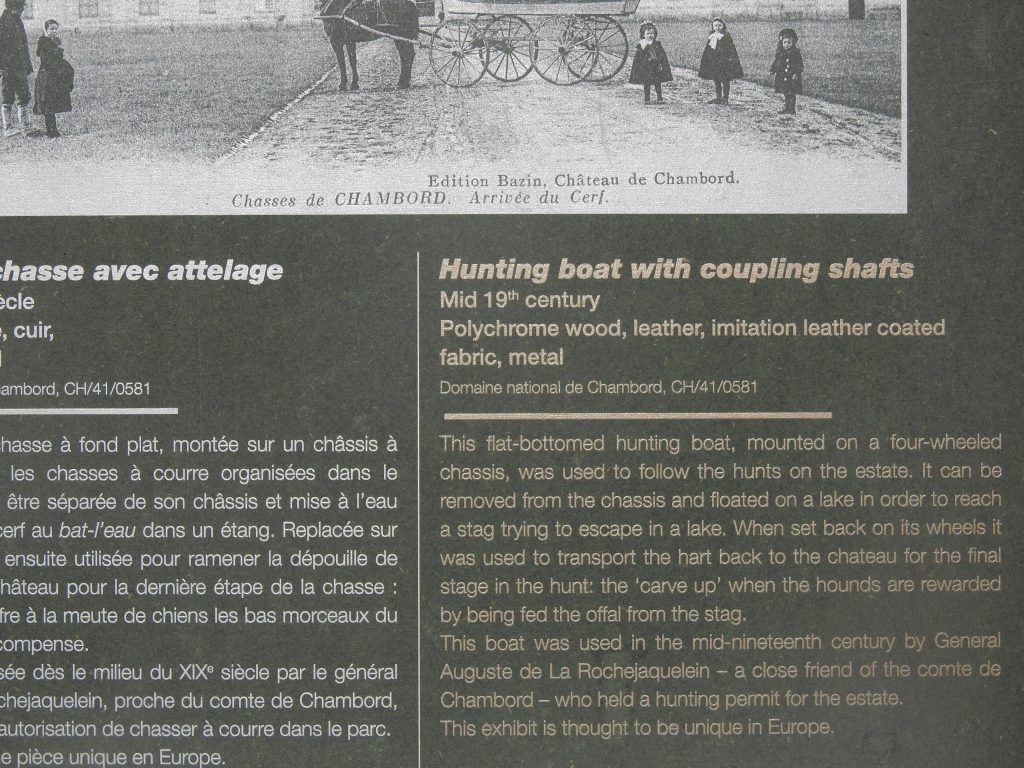
This flat-bottomed hunting boat, mounted on a four-wheeled chassis, was used to follow the hunts on the estate. It can be removed from the chassis and floated on a lake in order to reach a stag trying to escape in a lake. When set back on its wheels it was used to transport the hart back to the chateau for the final stage in the hunt: the ‘carve up’ when the hounds are rewarded by being fed the offal from the stag.
This boat was used in the mid-nineteenth century by General Auguste de La Rochejaquelein – a close friend of the cornte de Chambord – who held a hunting permit for the estate.
This exhibit is thought to be unique in Europe.
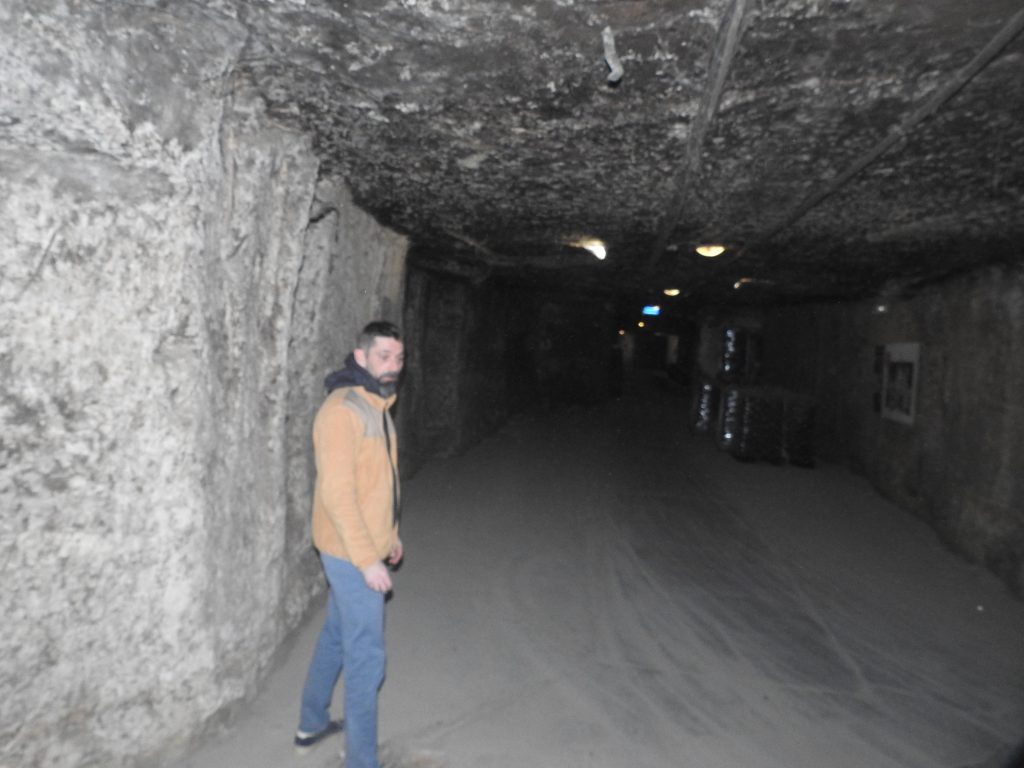
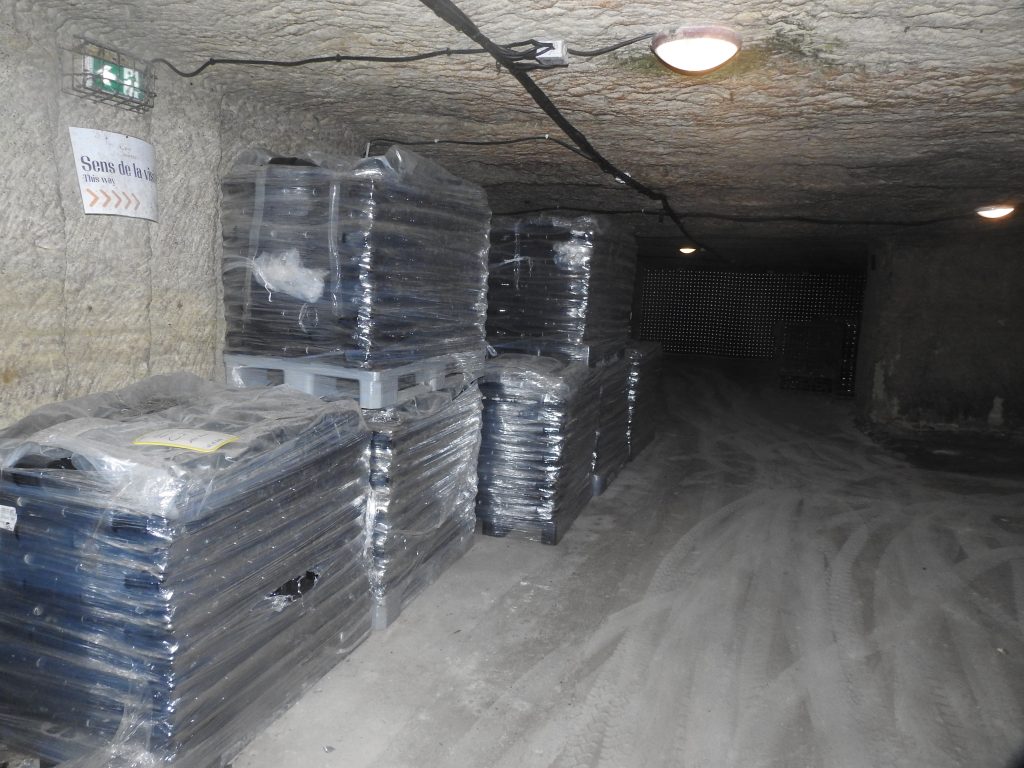
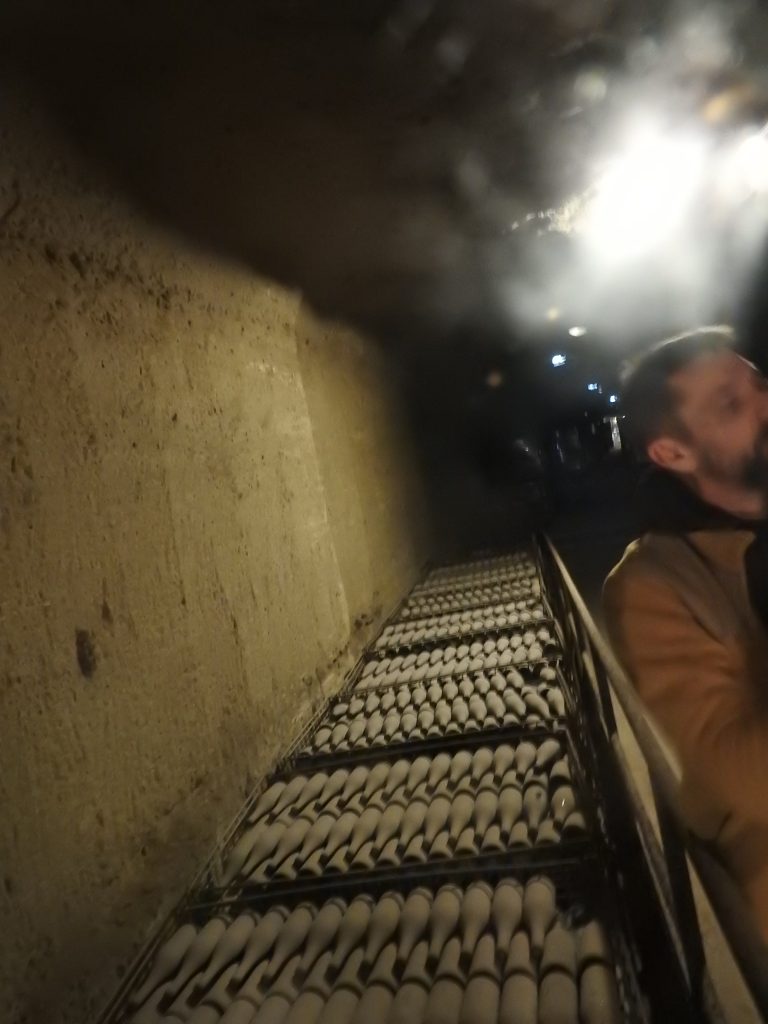
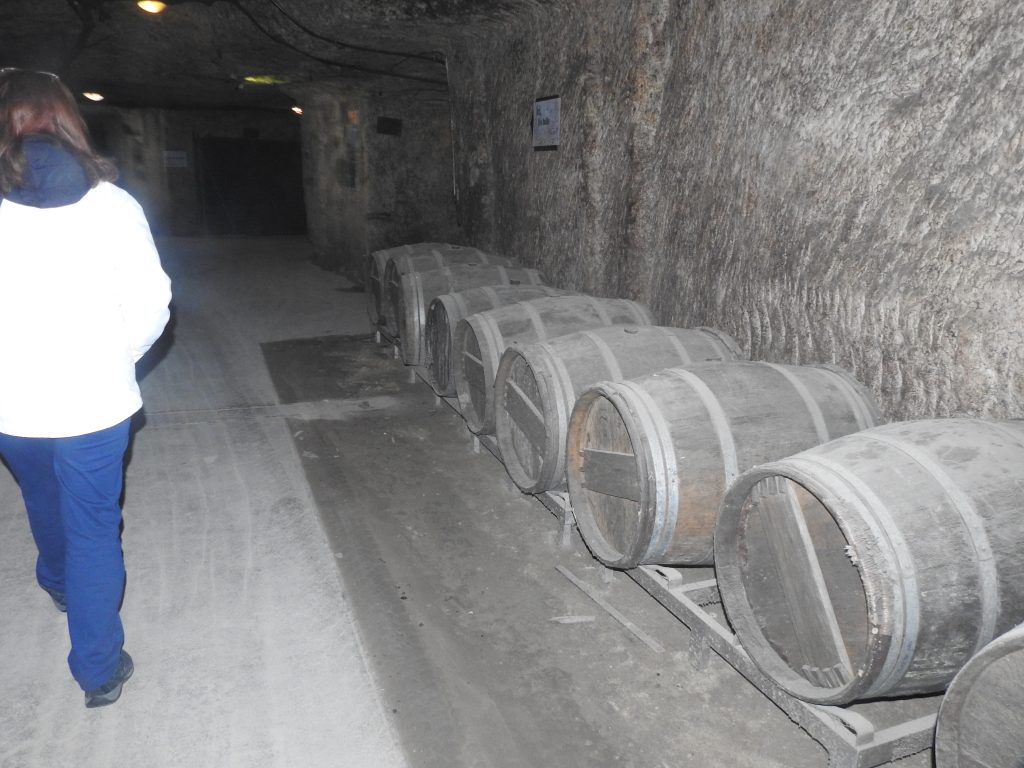
Winery
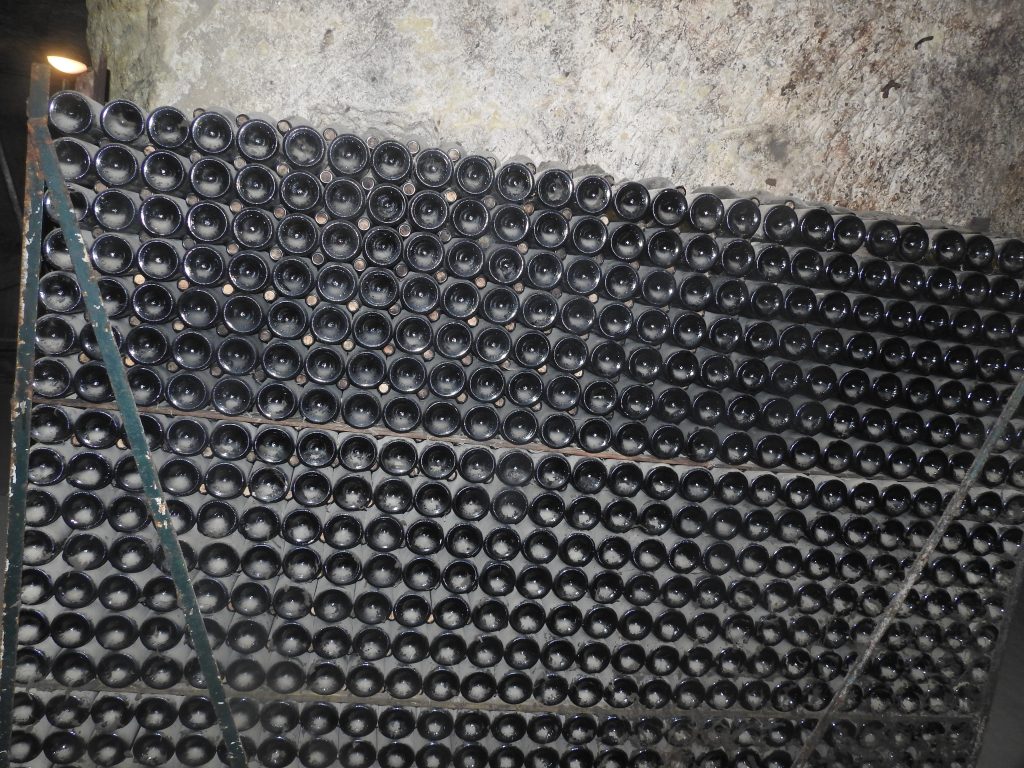
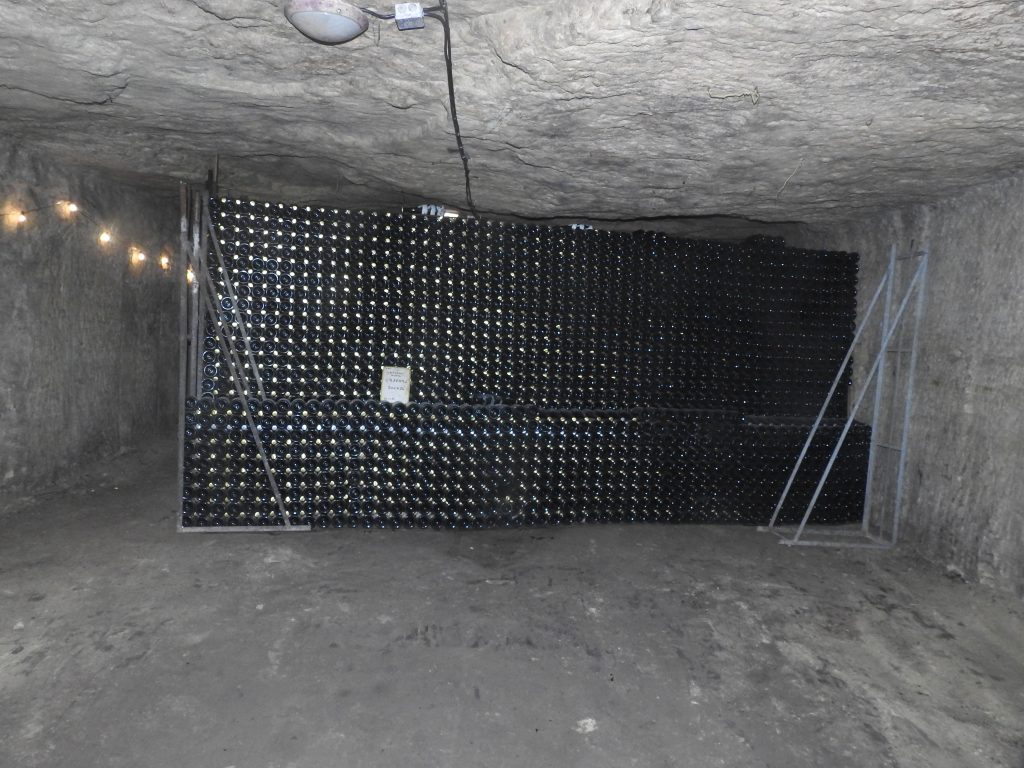
Cut into the ground are two miles of tunnels where they removed limestone for buildings. When the mine was abandoned, they turned the tunnels into storage for four million bottles of wine!
_________________________________________________________
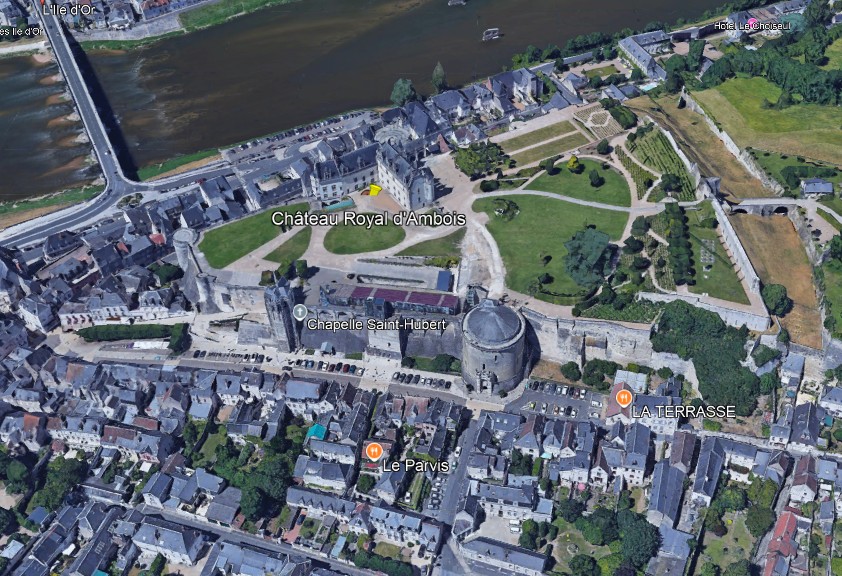
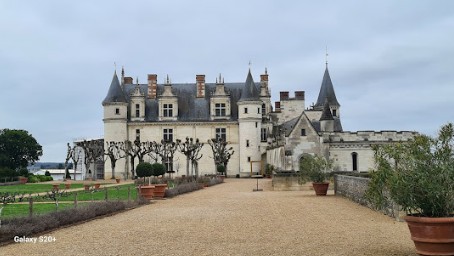
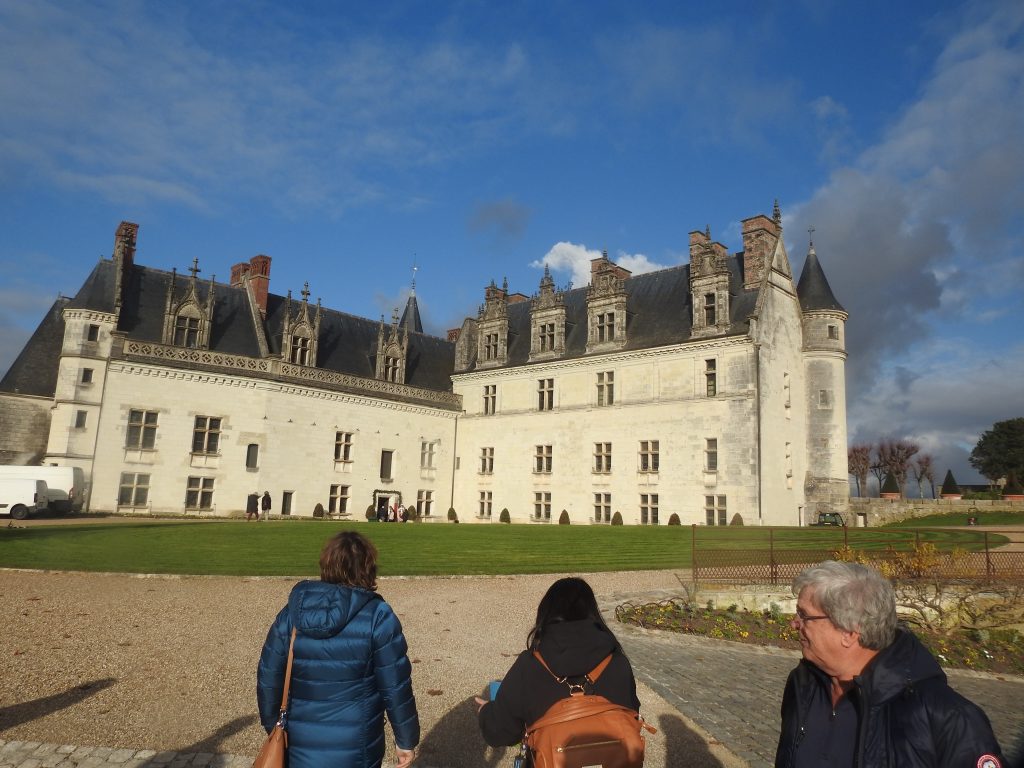
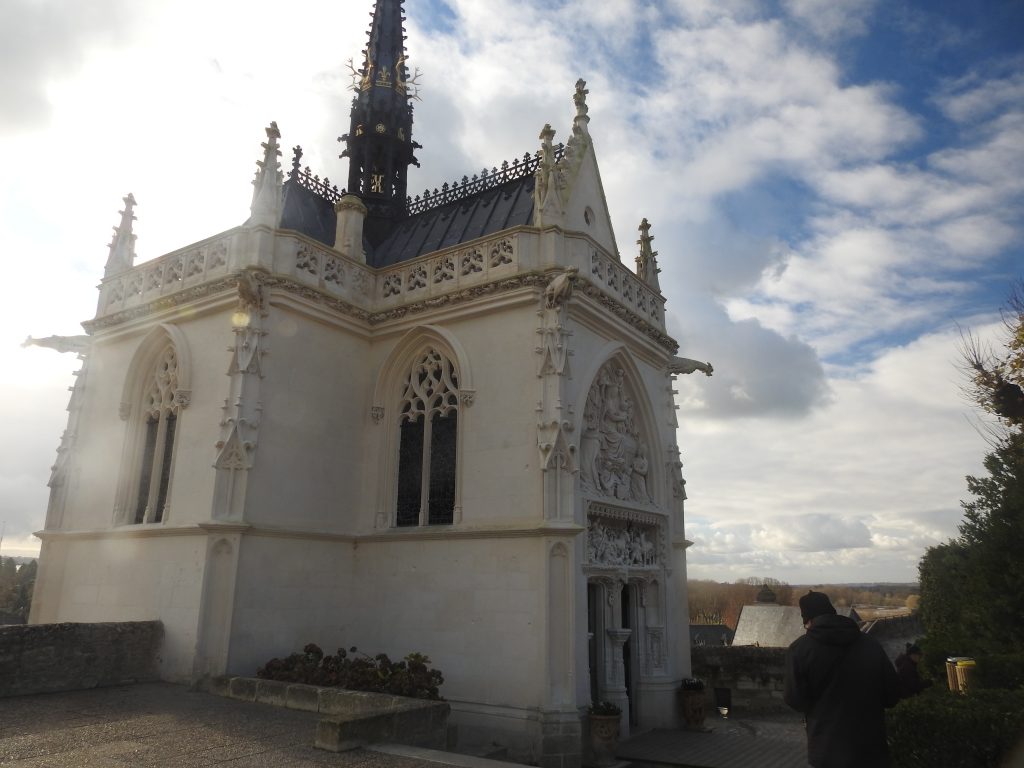
DAY FOUR -Tours – Castle Chenonceau and Castle Amboise 12/3
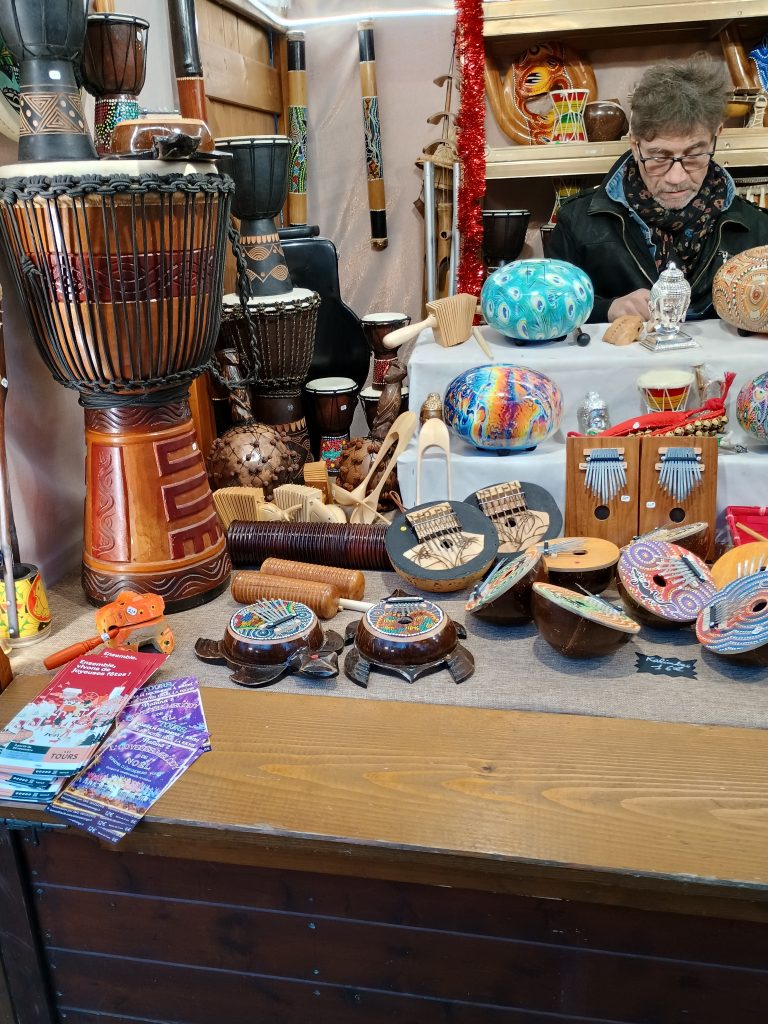
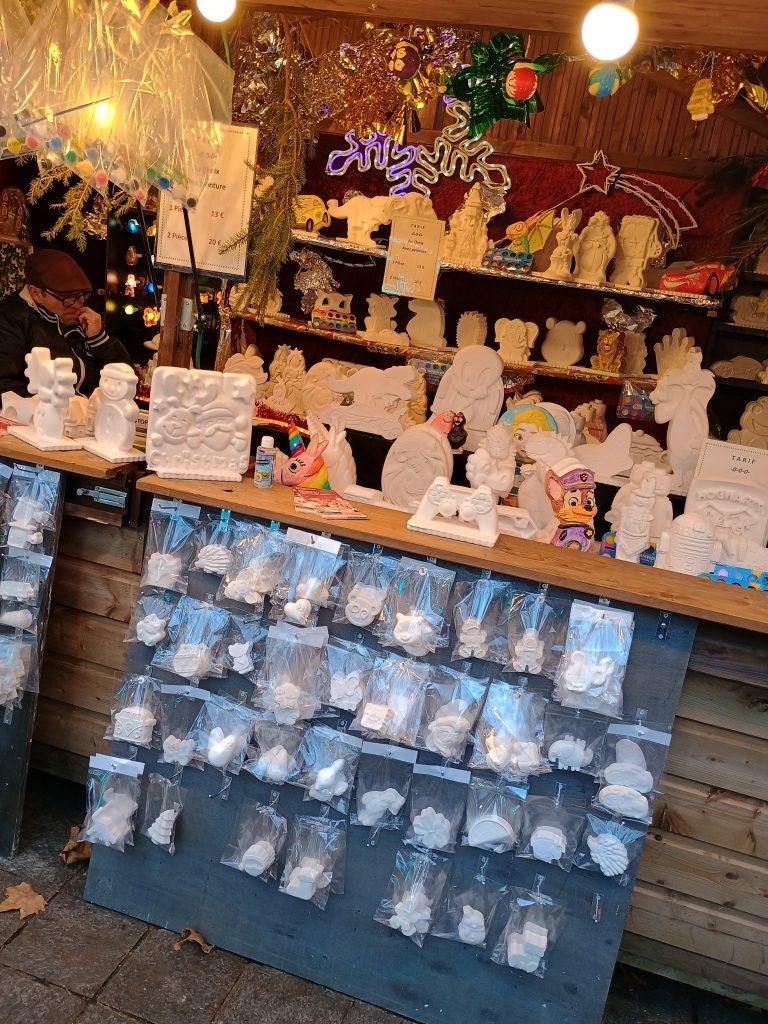
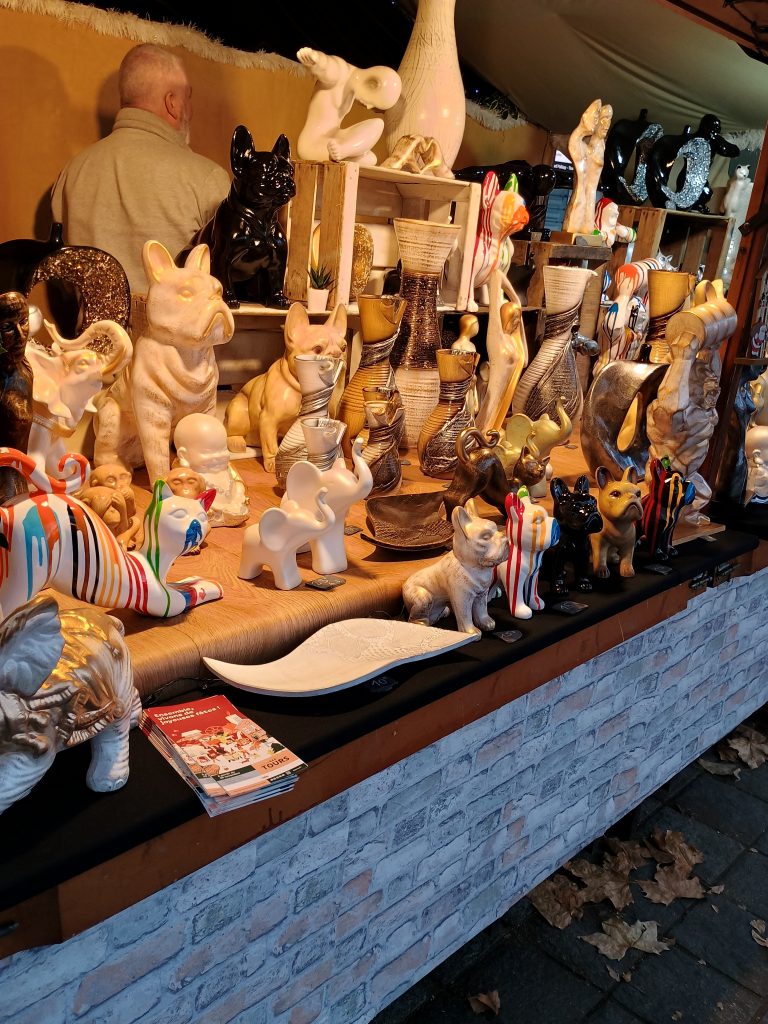
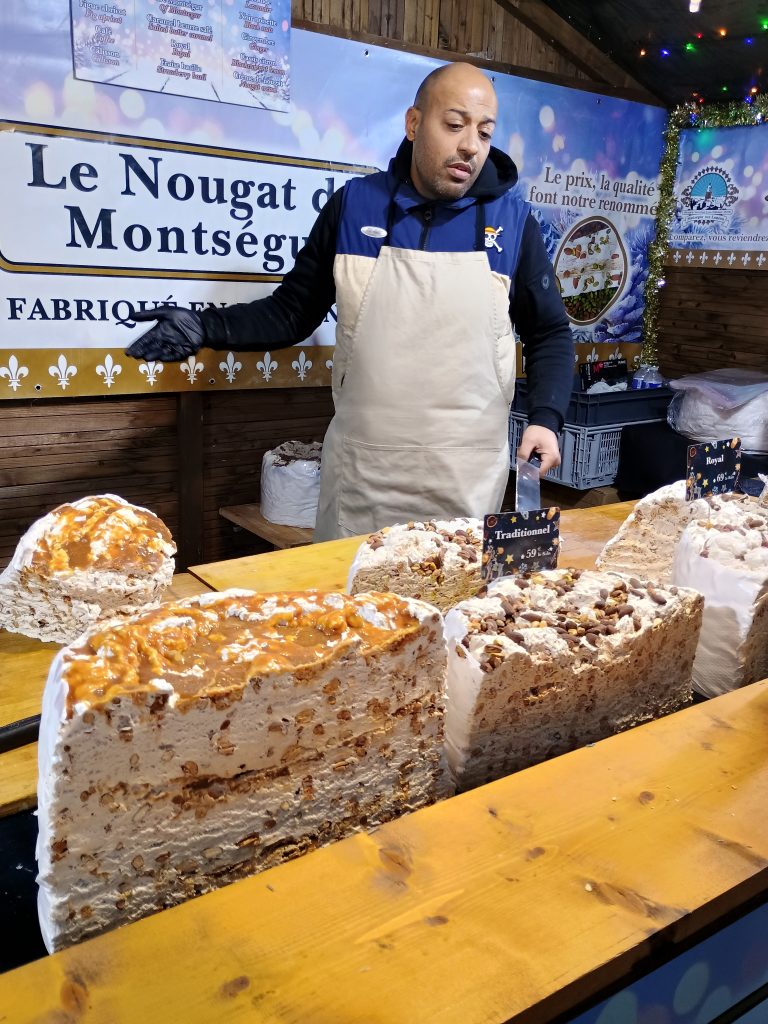
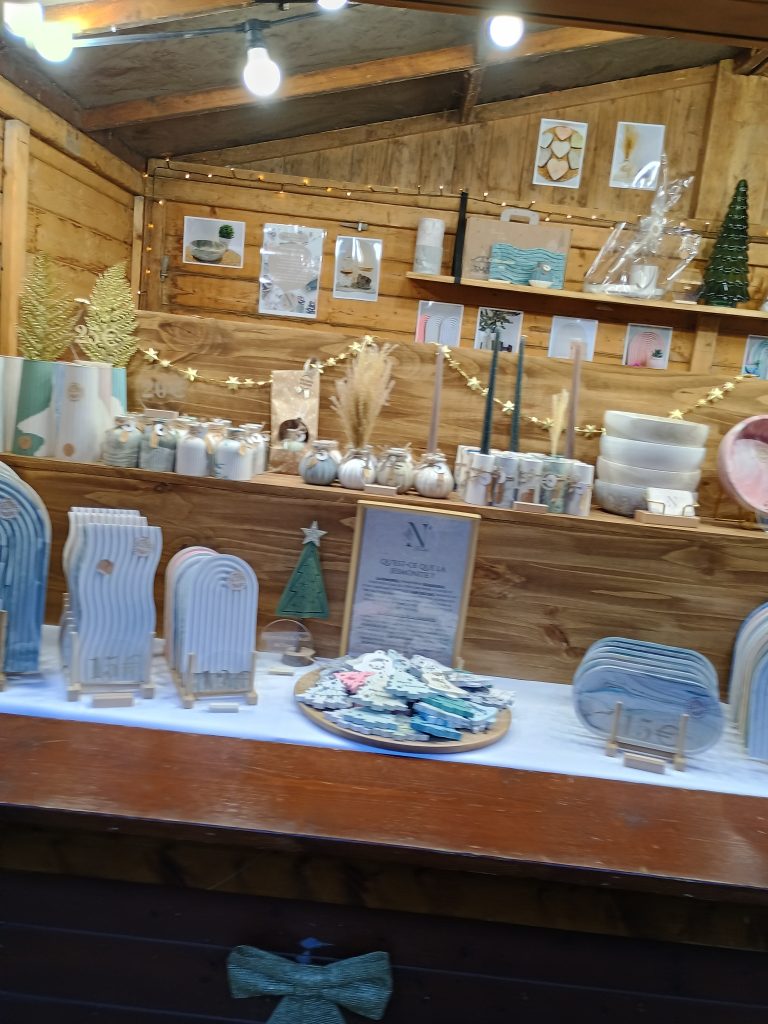
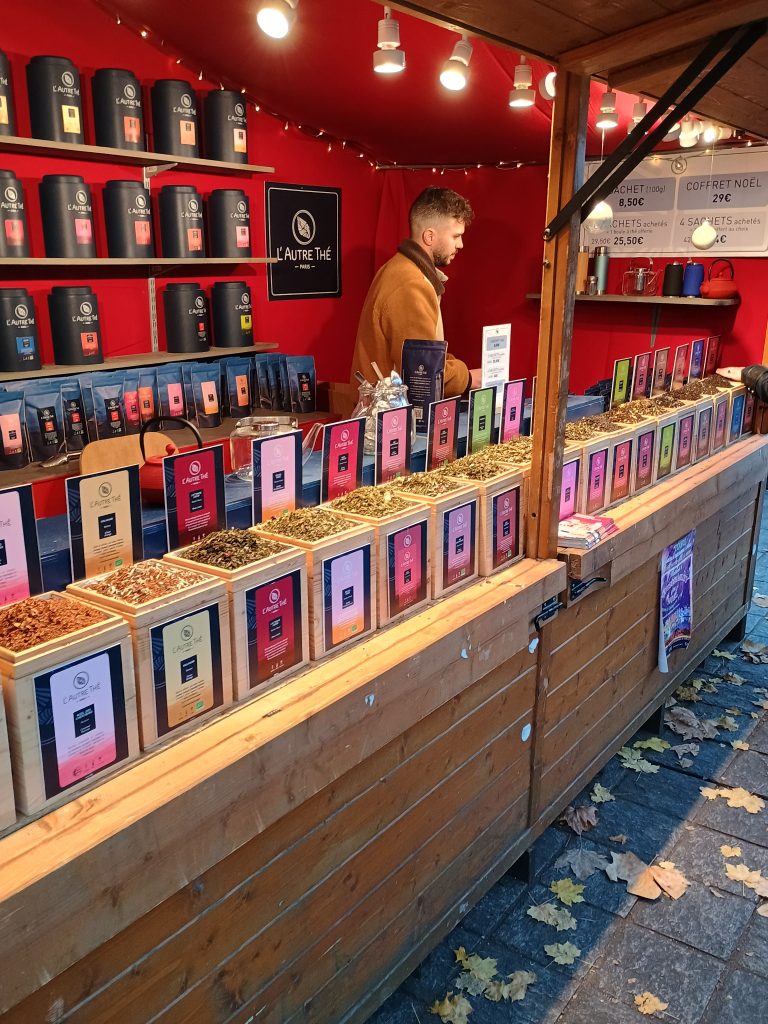
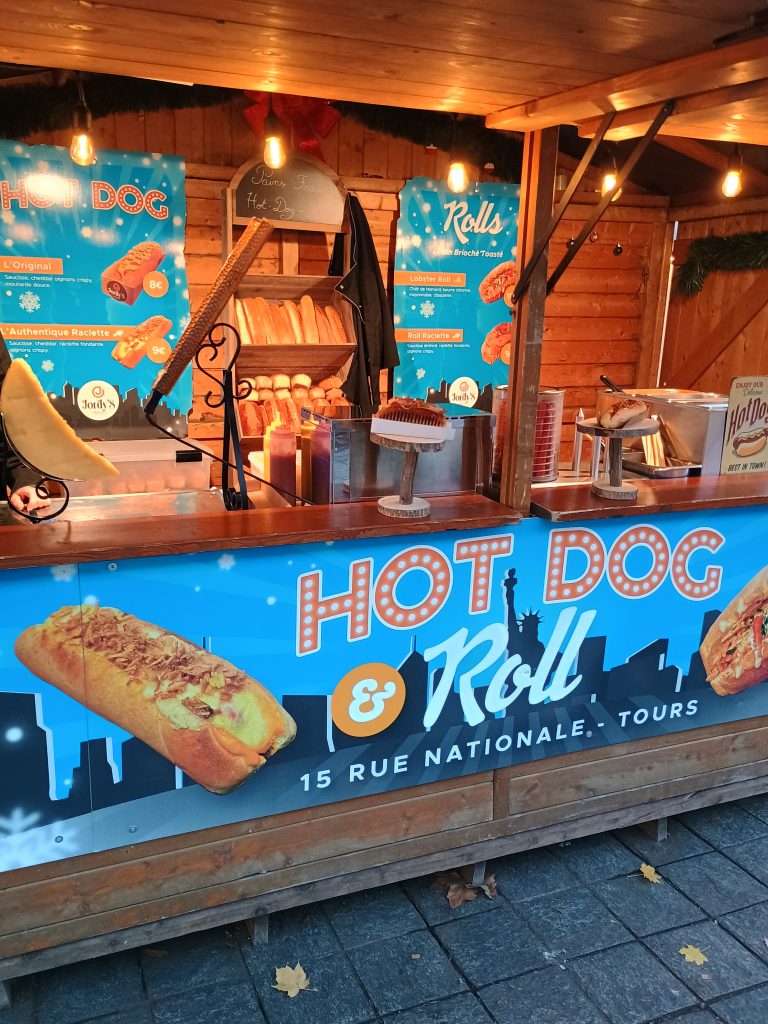
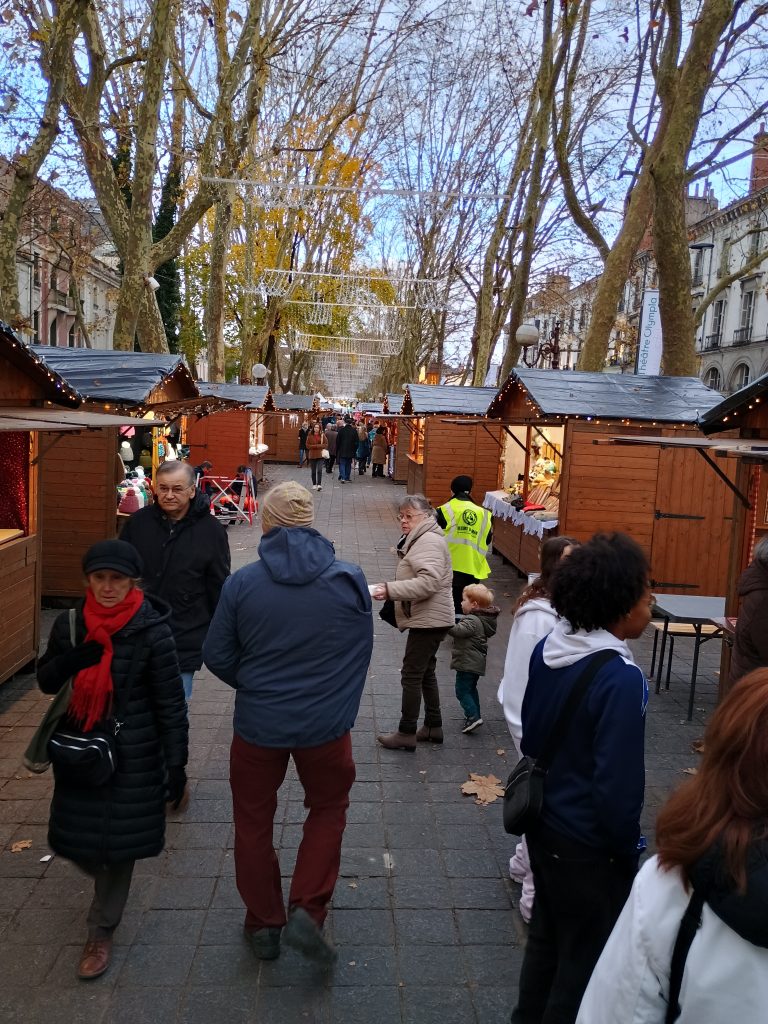
Dinner in the town called Tours (pronounced TOR), where they had a LOT of Christmas stuff.
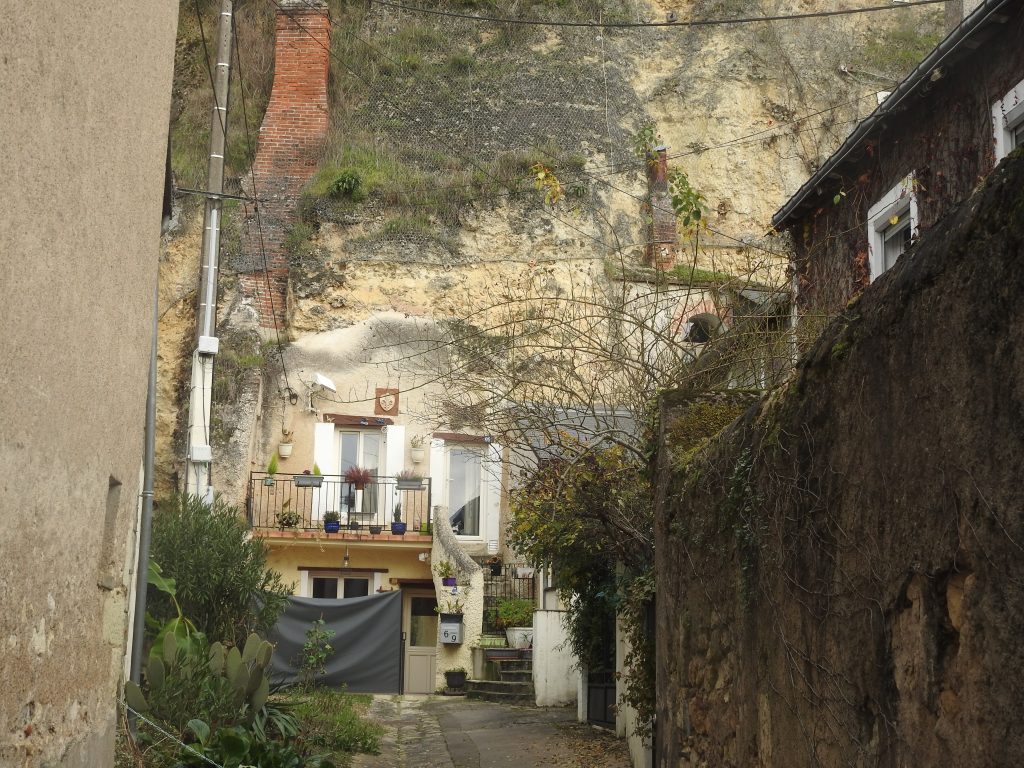
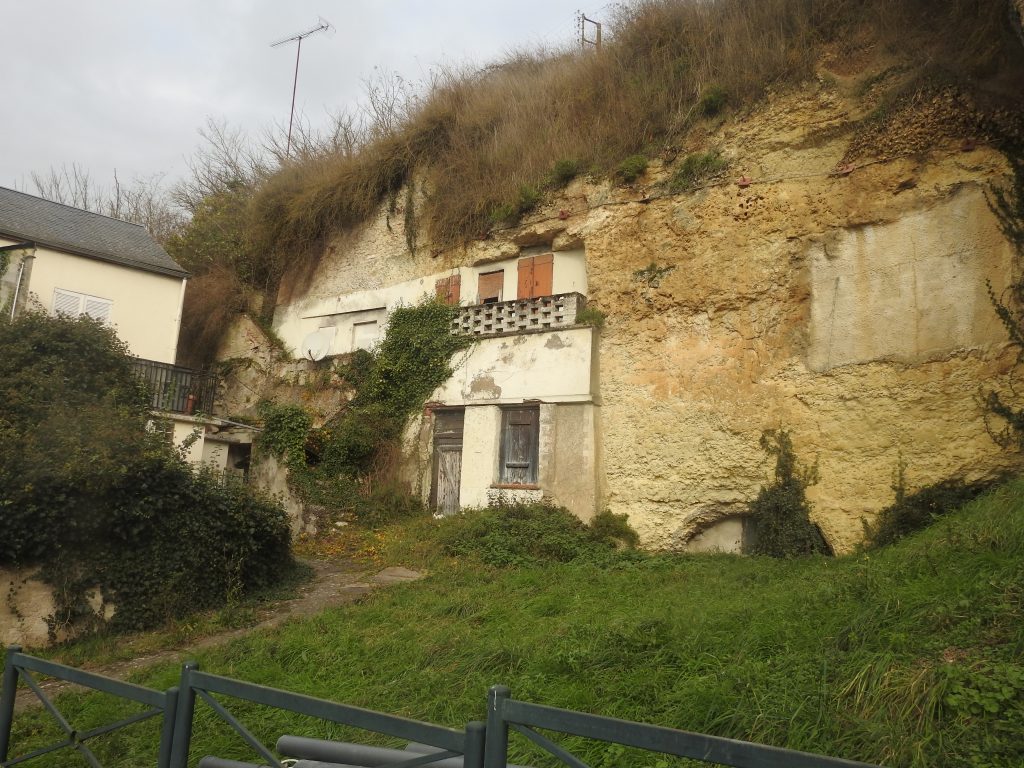
In the road we saw lots of houses built into the cliffs!
_________________________________________________
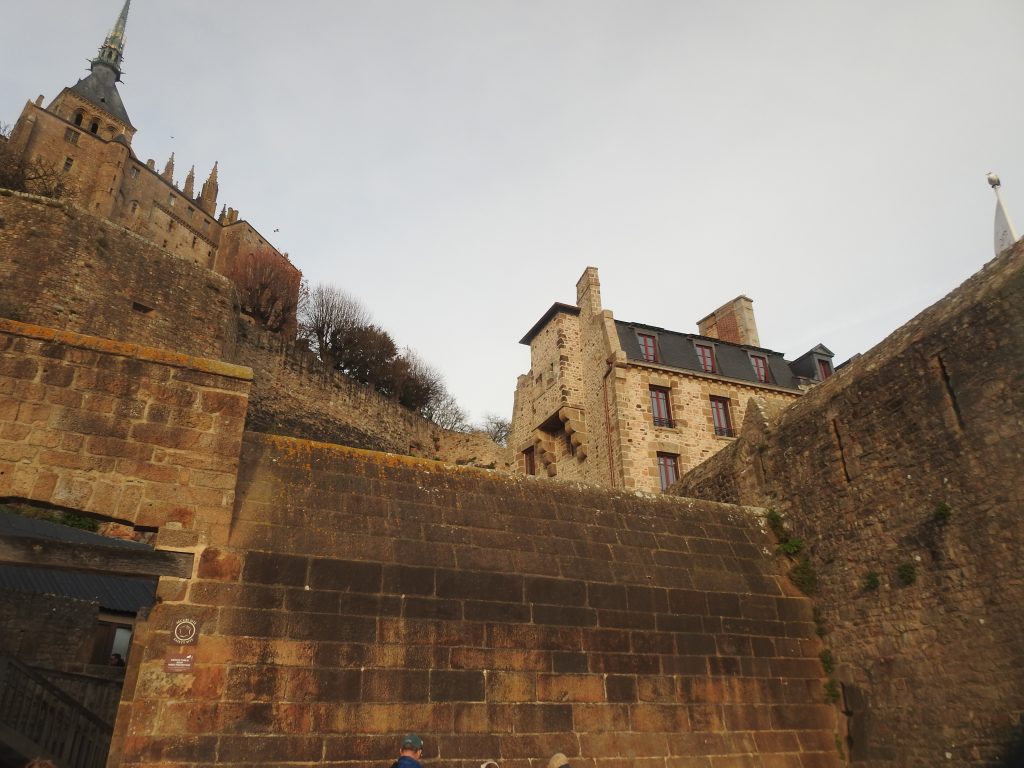
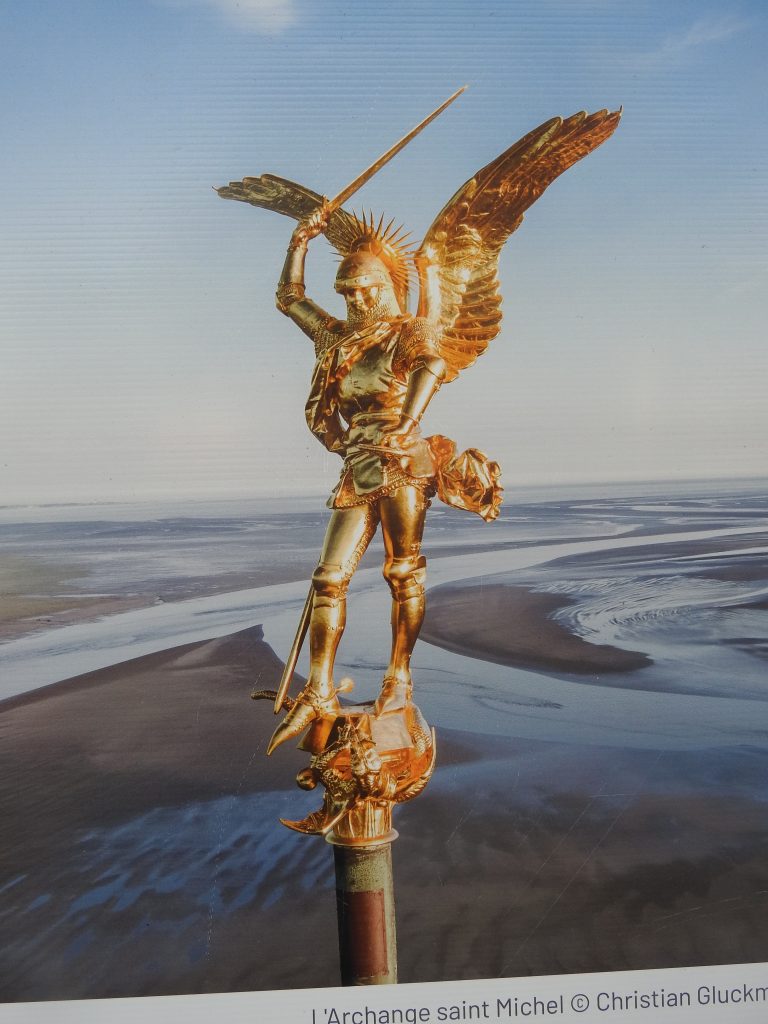
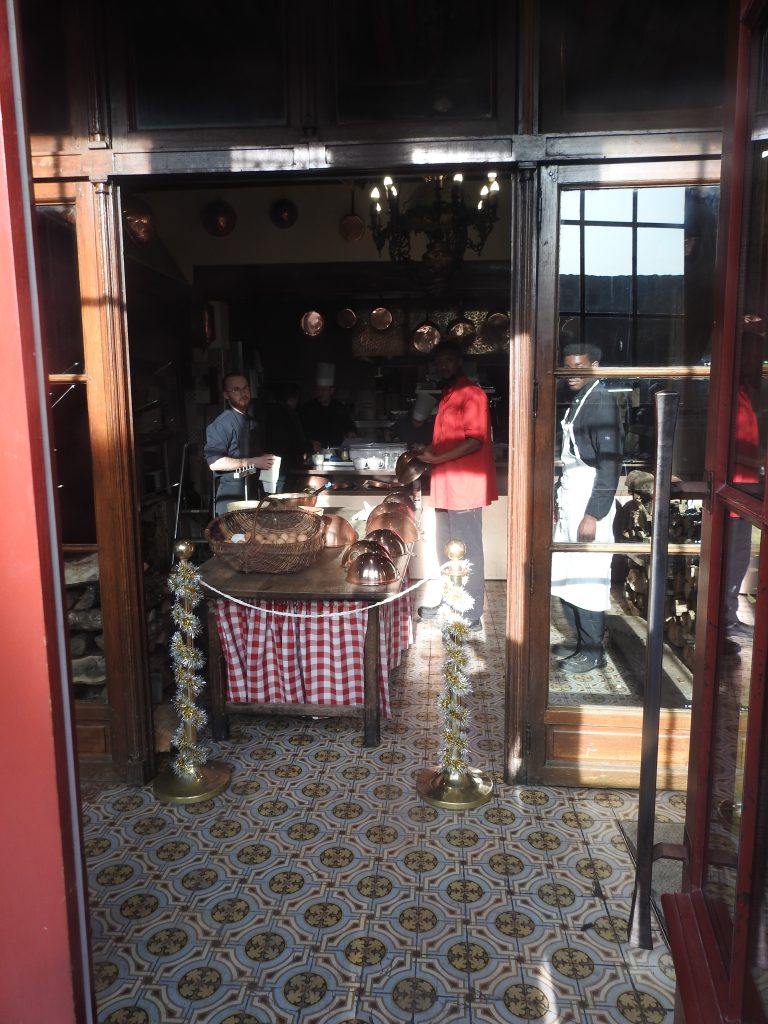
DAY FIVE -Mont Saint Michael
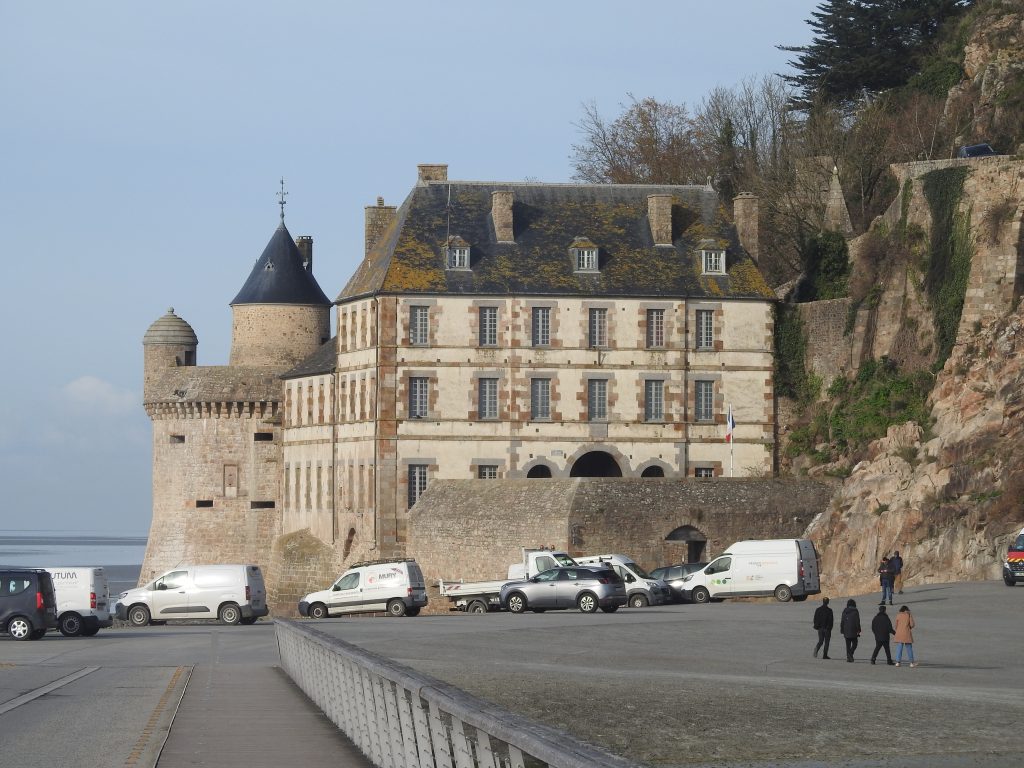
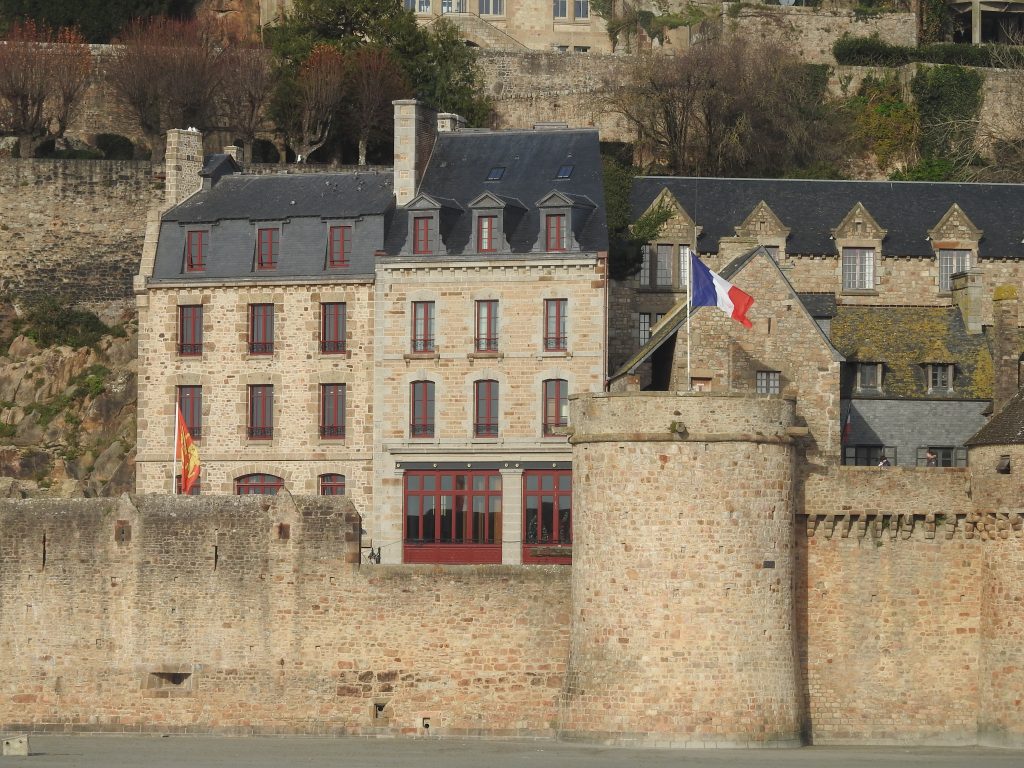
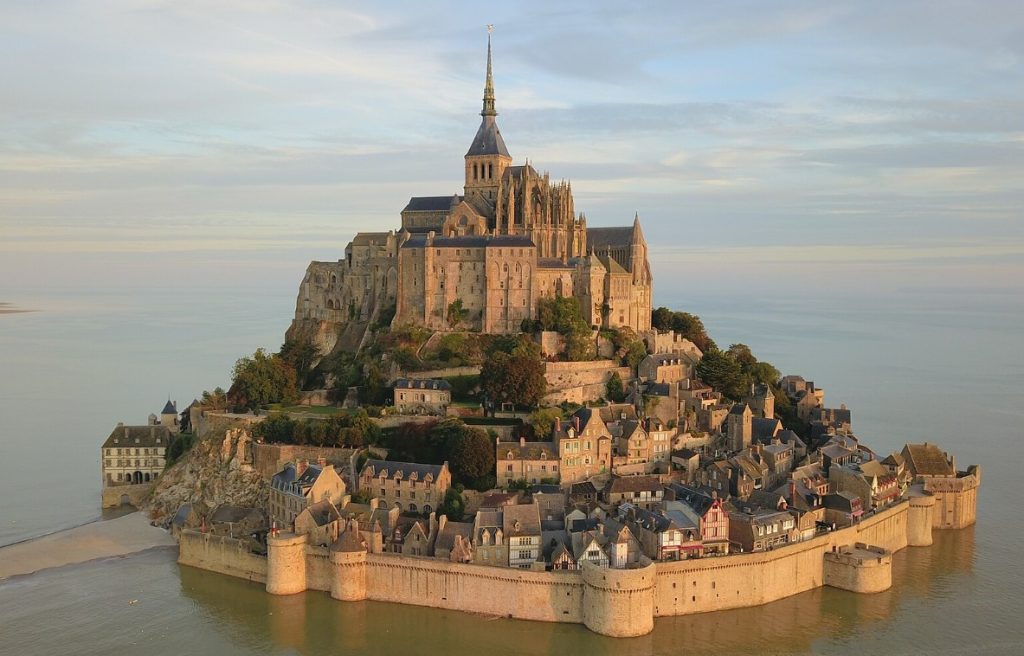
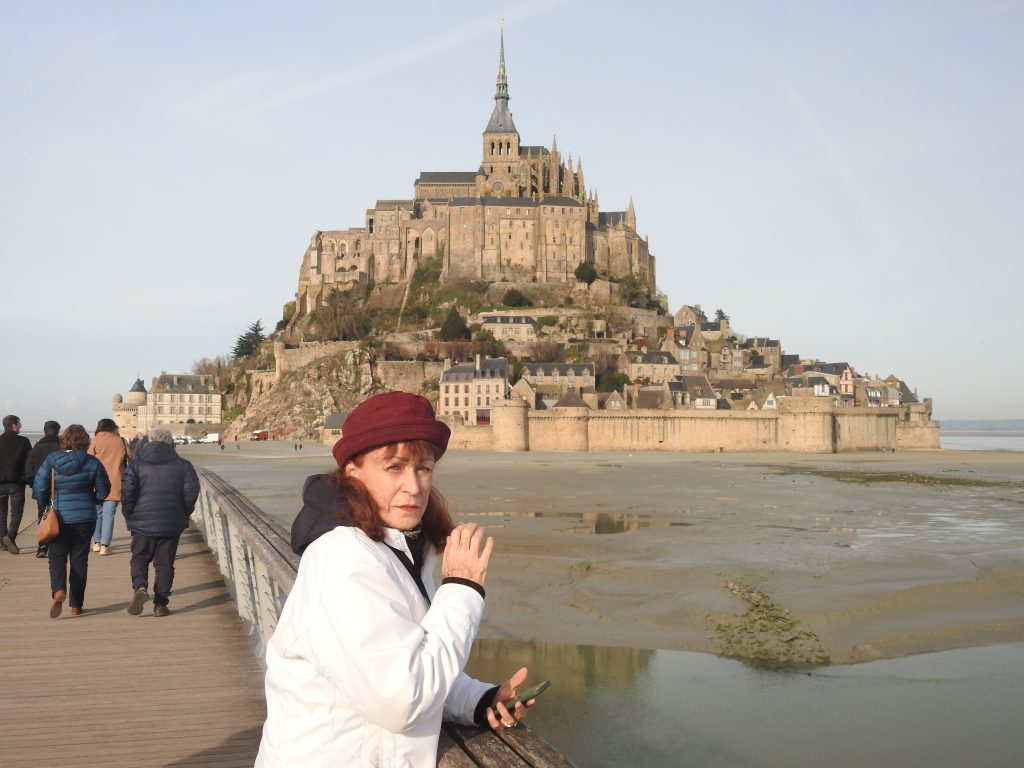
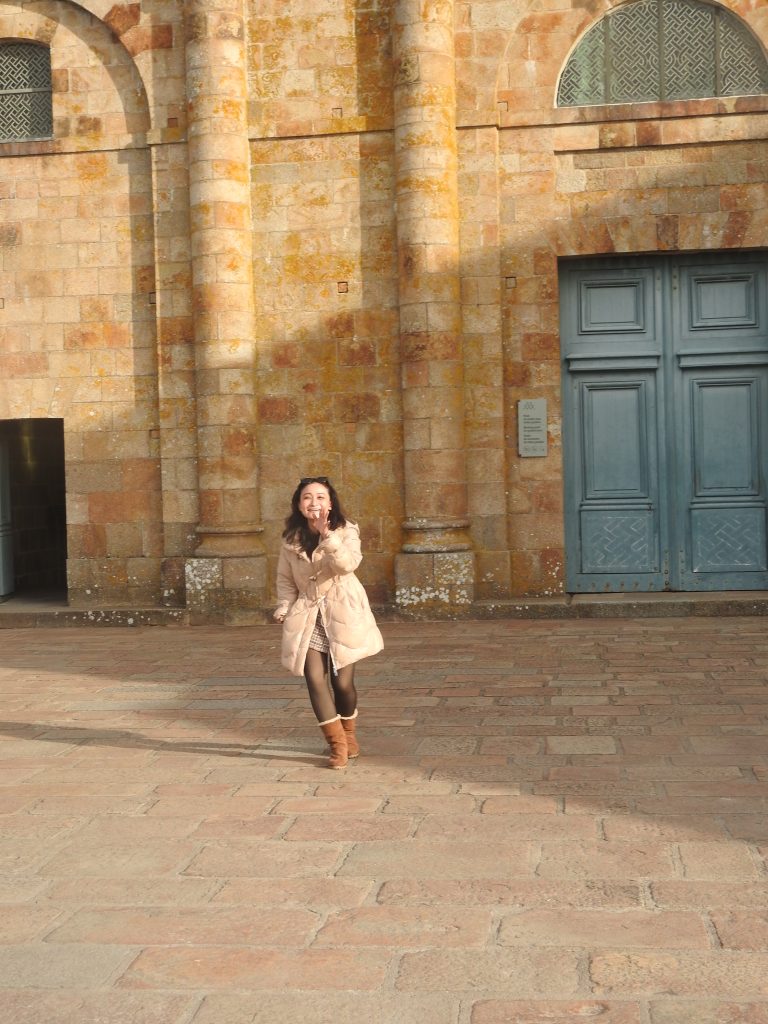
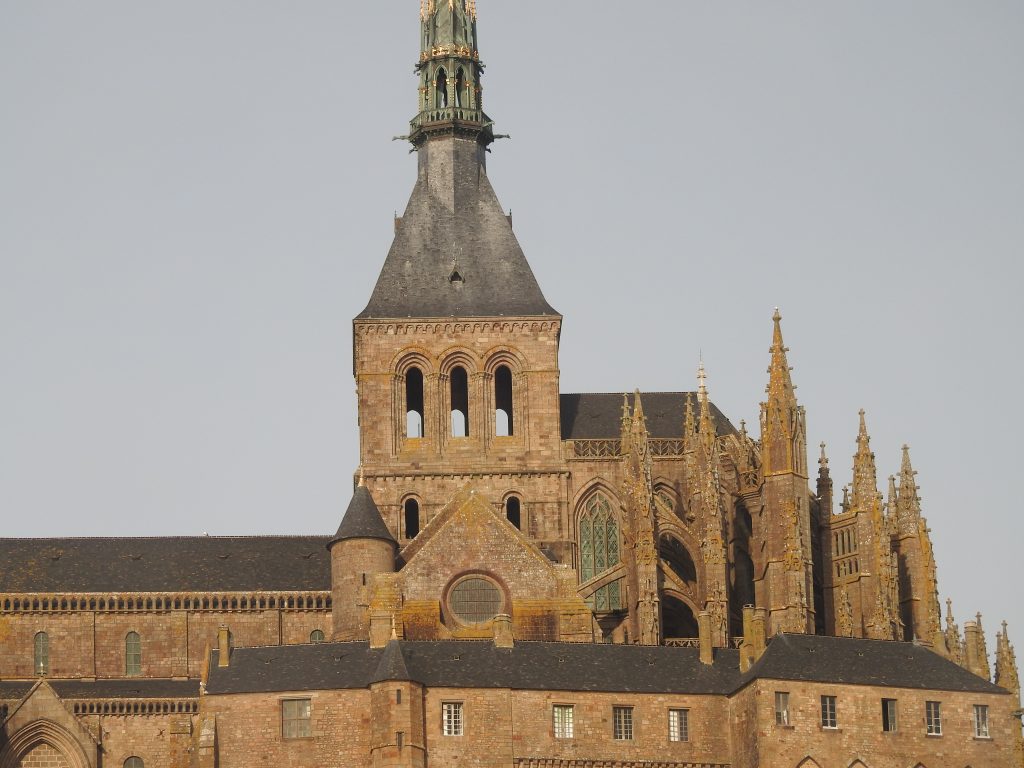
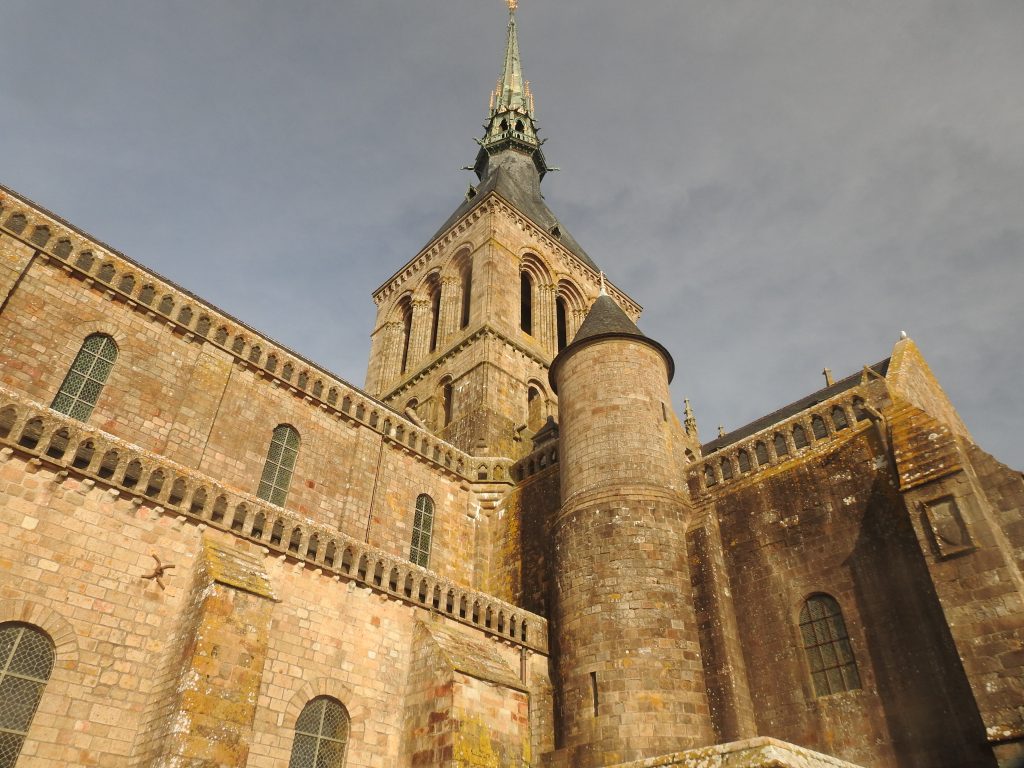
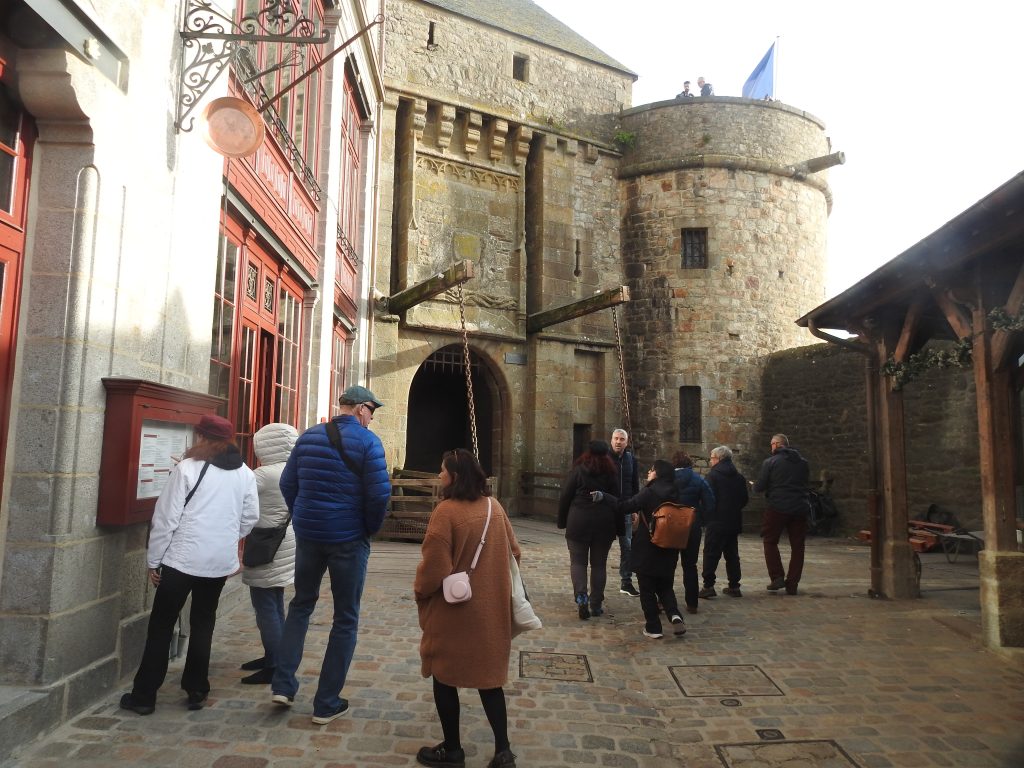
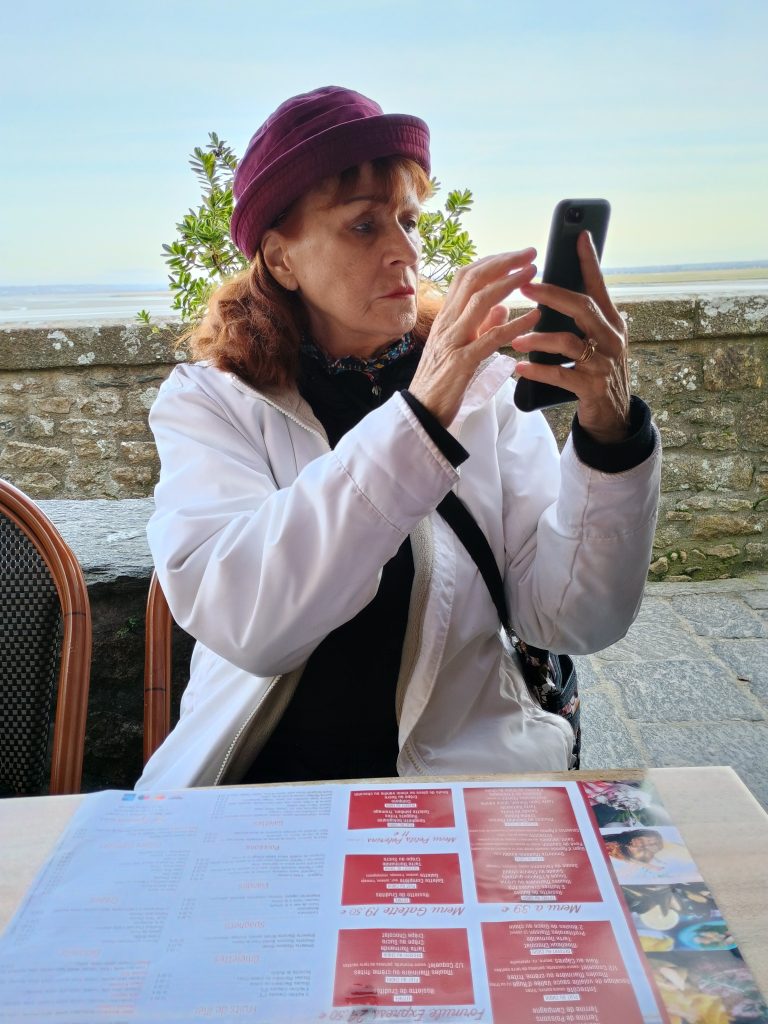
Time for a workout. Exoticca called it 3 out of four strenuous. This was challenging, but Eileen and I took it in stride, got to the top easily. The steps are long and steep and there are a lot of them. About 350: some 200 in the Grande Rue, then around 150 inside the abbey. They say that only about 30% of everyone who goes to the Mont actually make it to the very top. There were a lot of people in the shops and restaurants at the base, but very few in the Abby when we were there. Mont Saint-Michel gets around 3 million visitors a year and is at its busiest in the summer months.
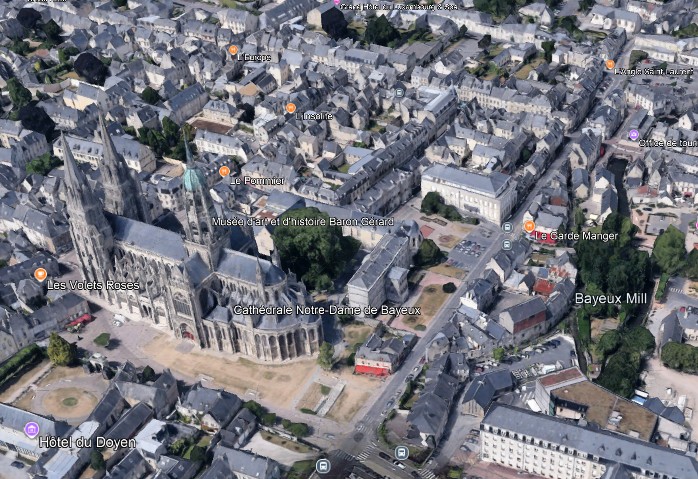
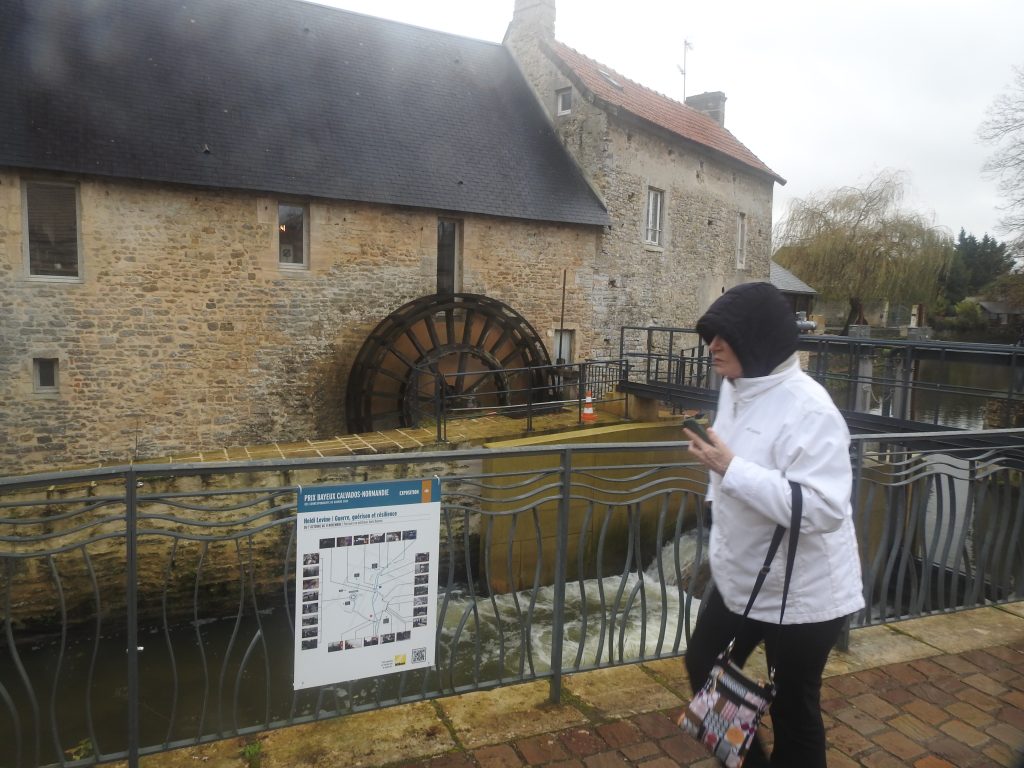
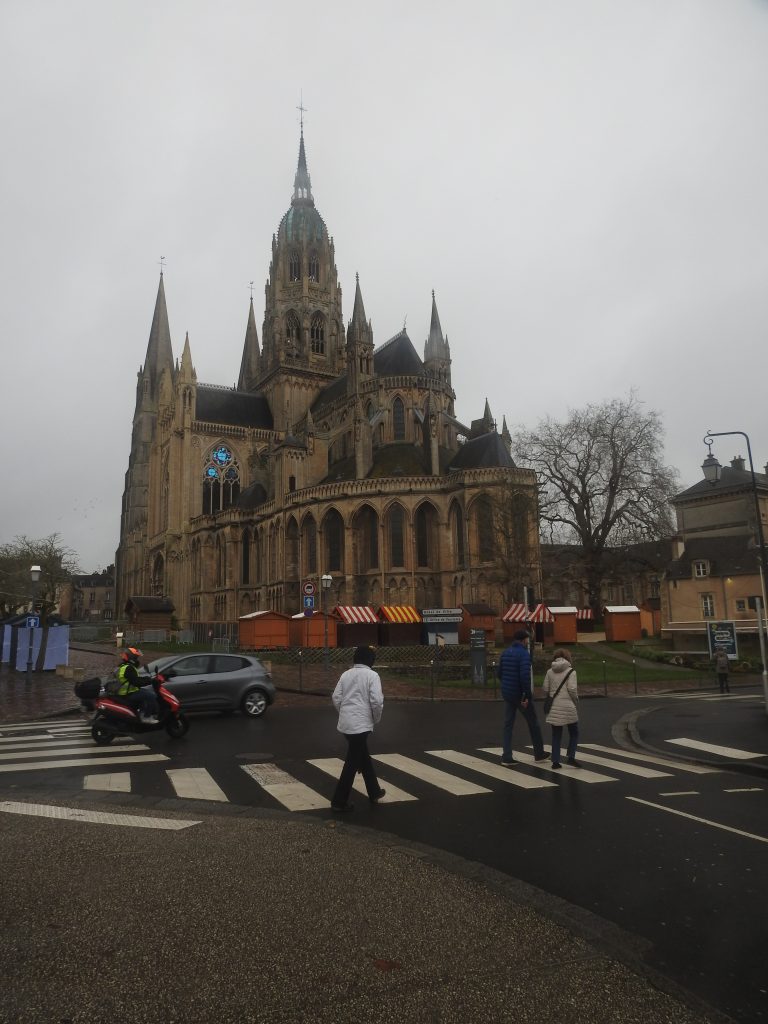
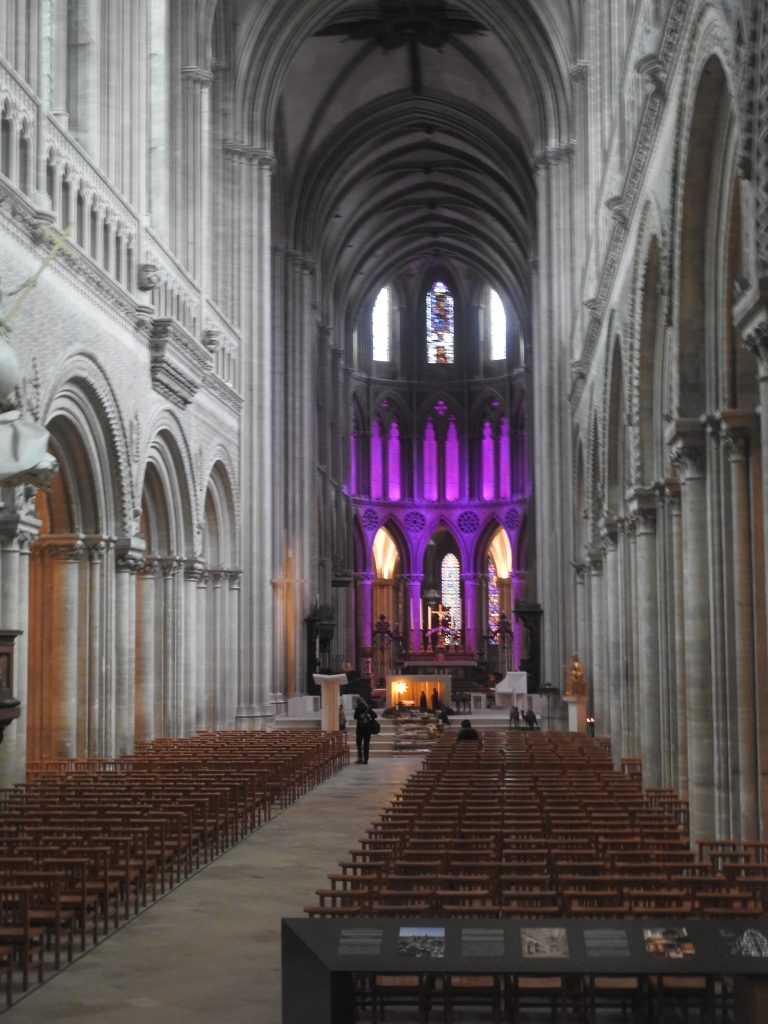
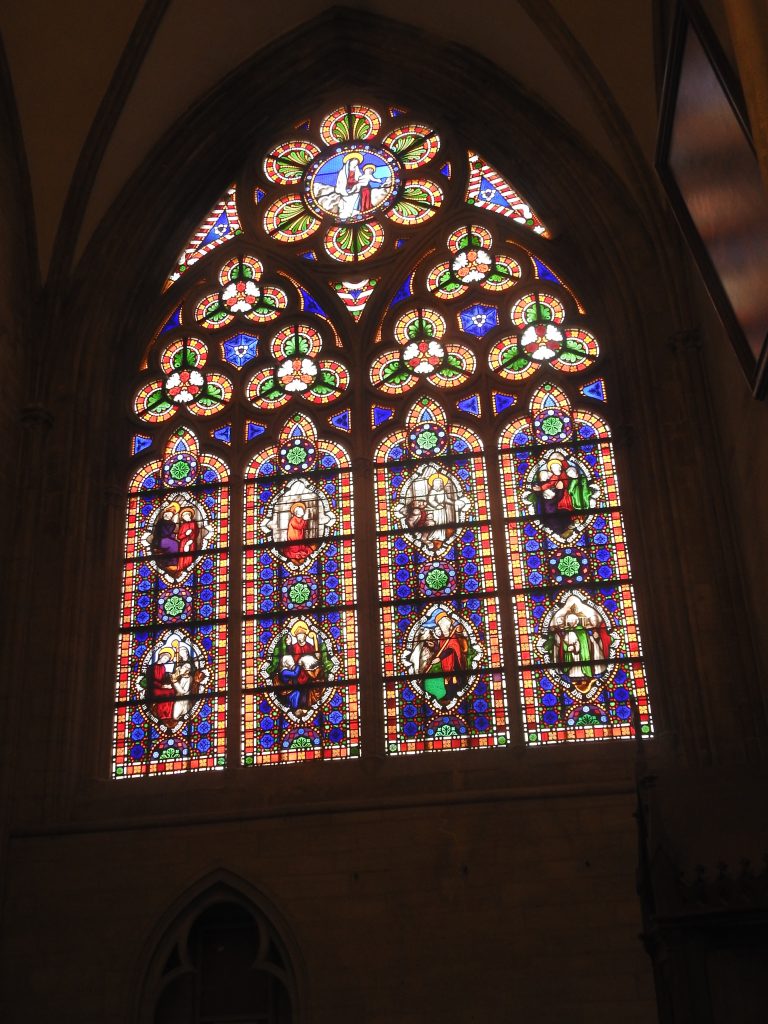
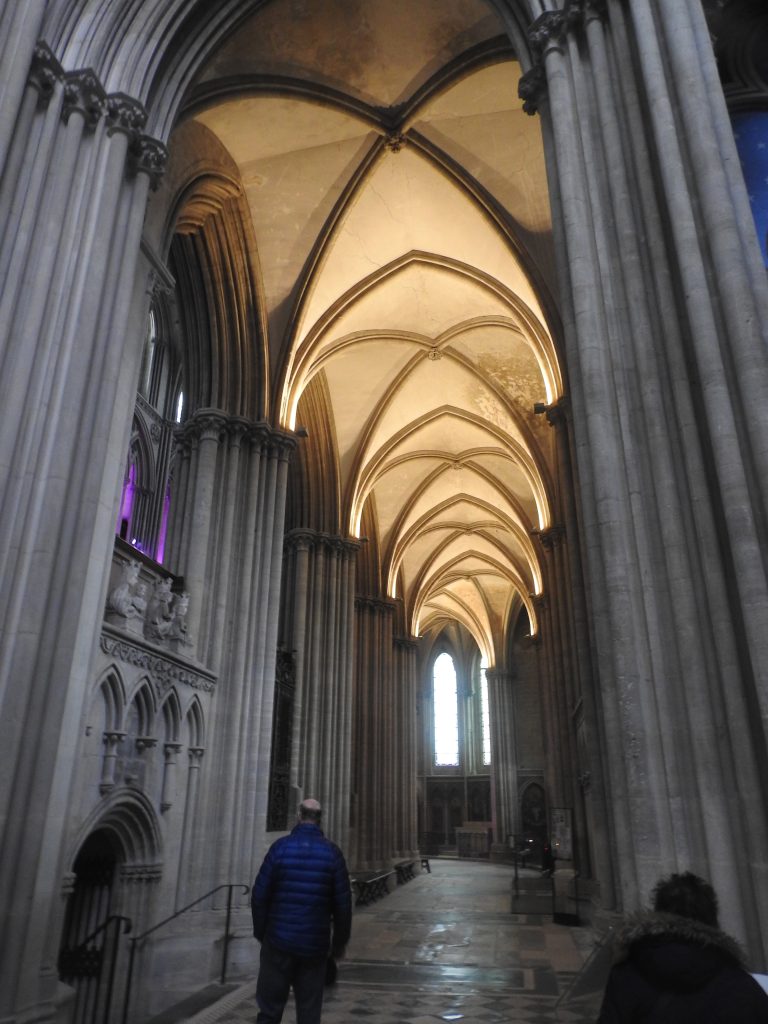
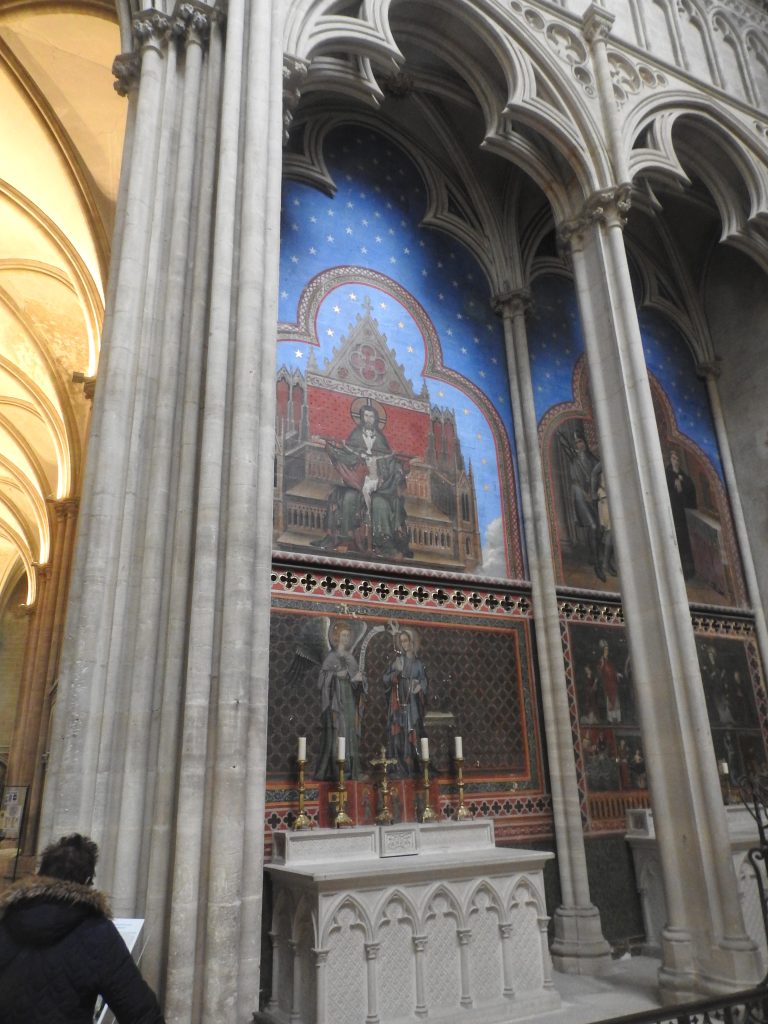
Off to an afternoon at the small town of Bayeux – a town with a neat water powered mill and a church. Bayeux was the first town to be liberated after D-Day
The mill seems to be still in service..
Back to the hotel, tomorrow the beaches of Normandy.
————————————————————
DAY SIX – Normandy beaches.
A professor came onto the bus and told us what was going on: As a child the professor was taken by his father many times to the cemeteries of the Americans, his father was so thankful for their intervention. After the Germans had been there 4 years it was a relief.
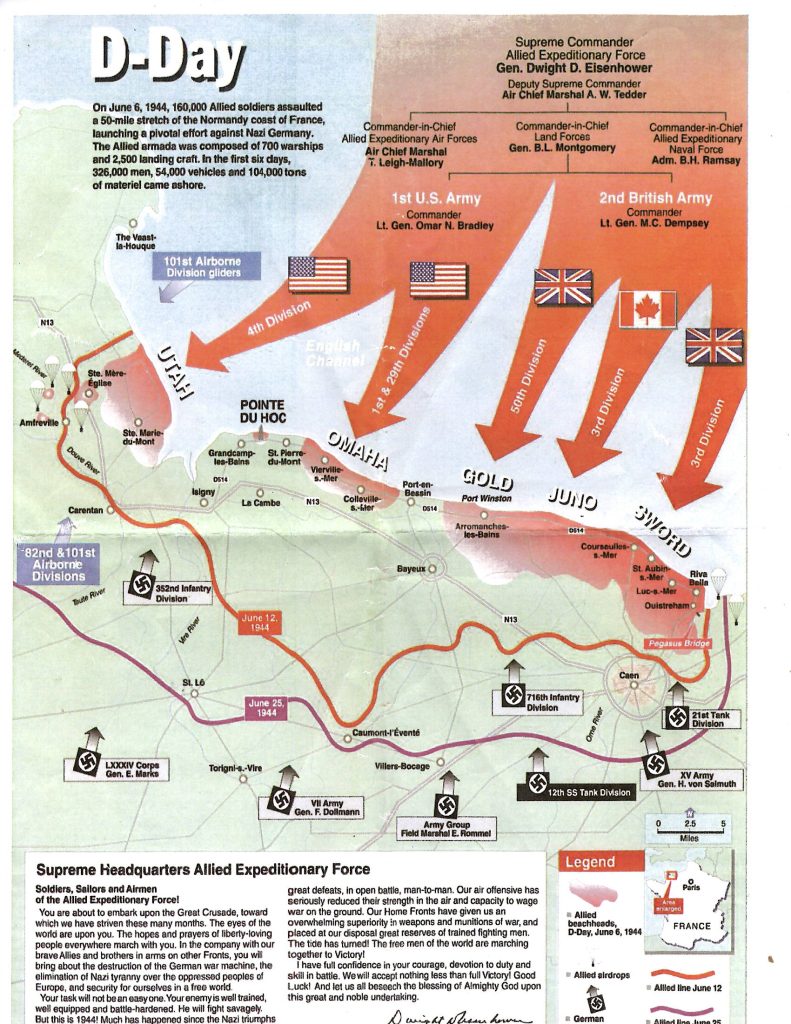
D-Day Was the Largest Amphibious Invasion in History
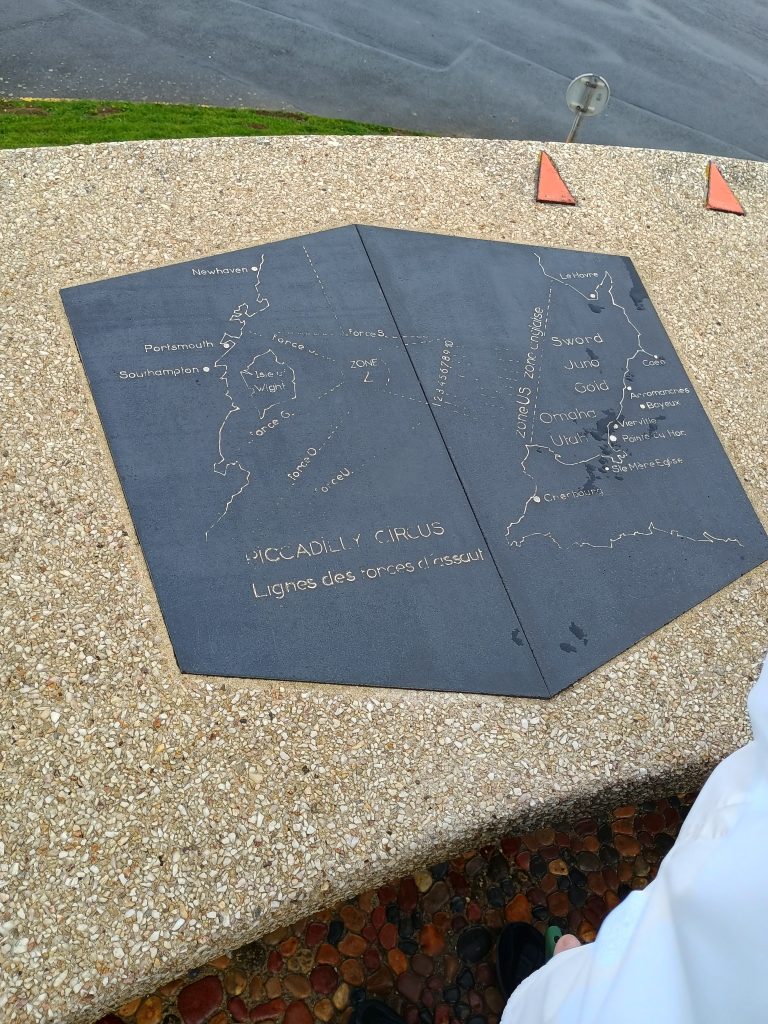
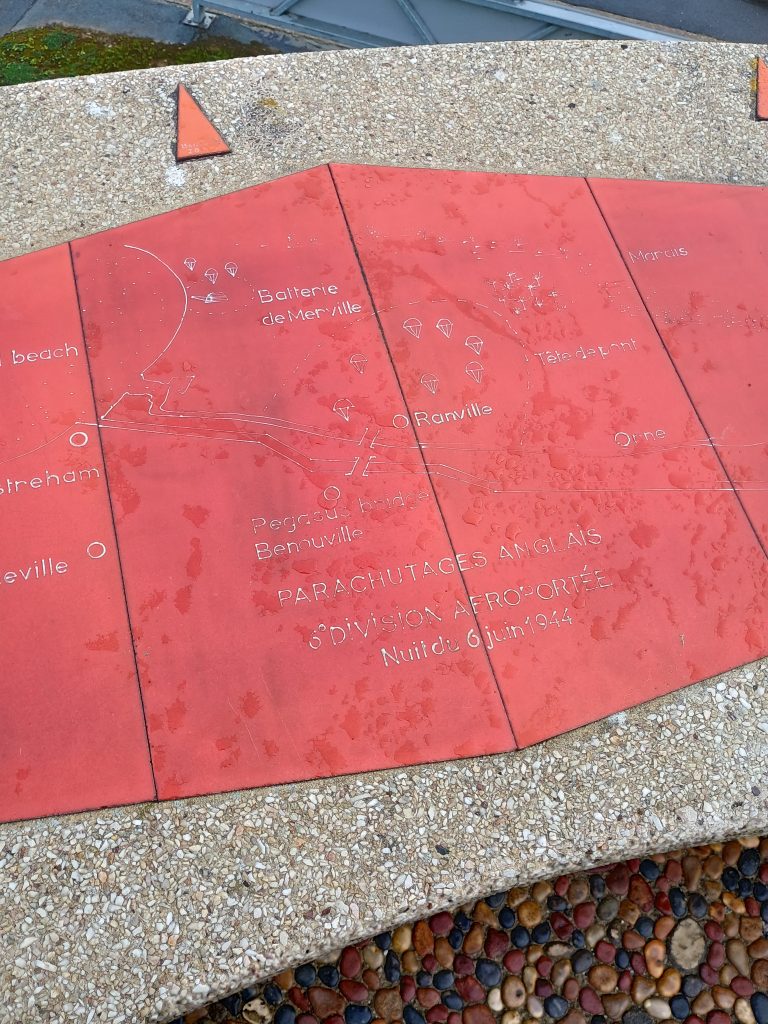
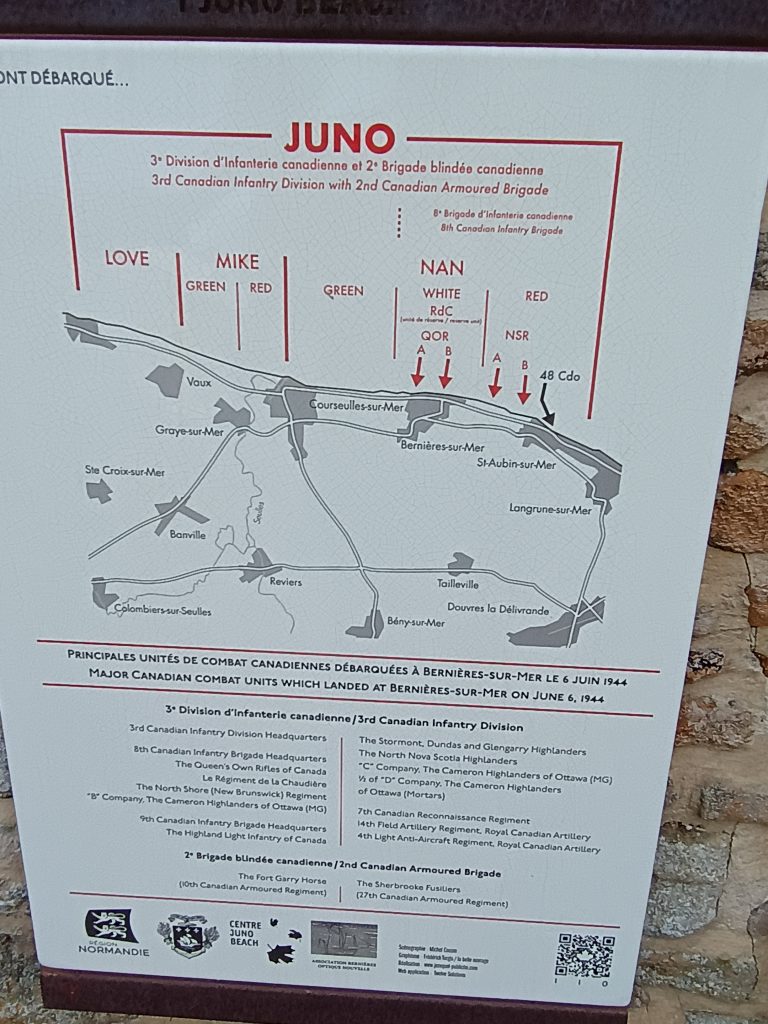
The Allied invasion of Normandy was the largest single-day amphibious invasion in history. The scale of the assault is hard to even imagine, as the numbers are mind-boggling. In the months and days leading up to the invasion, 7 million tons of supplies, including 450,000 tons of ammunition, were brought into Britain from the United States, and war planners created around 17 million maps to support the operation. In the hours prior to the beach landings, 11,590 Allied aircraft flew 14,674 sorties to support the invasion, and 15,500 American and 7,900 British airborne troops parachuted into France behind enemy lines. Then came the beach assault by 132,715 Allied troops, consisting of 75,215 British and Canadian forces and 57,500 Americans. Between them, they stormed the beaches of Normandy, the Americans fighting their way ashore at Utah Beach and Omaha Beach, the British at Gold and Sword beaches, and the Canadians at Juno Beach.
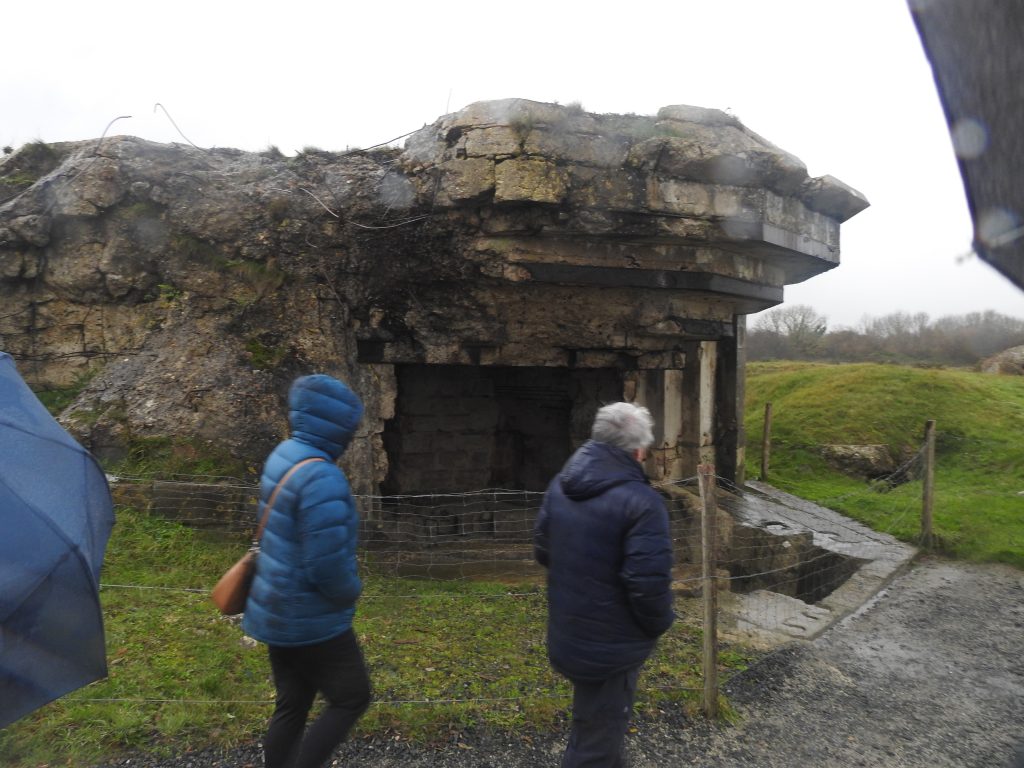
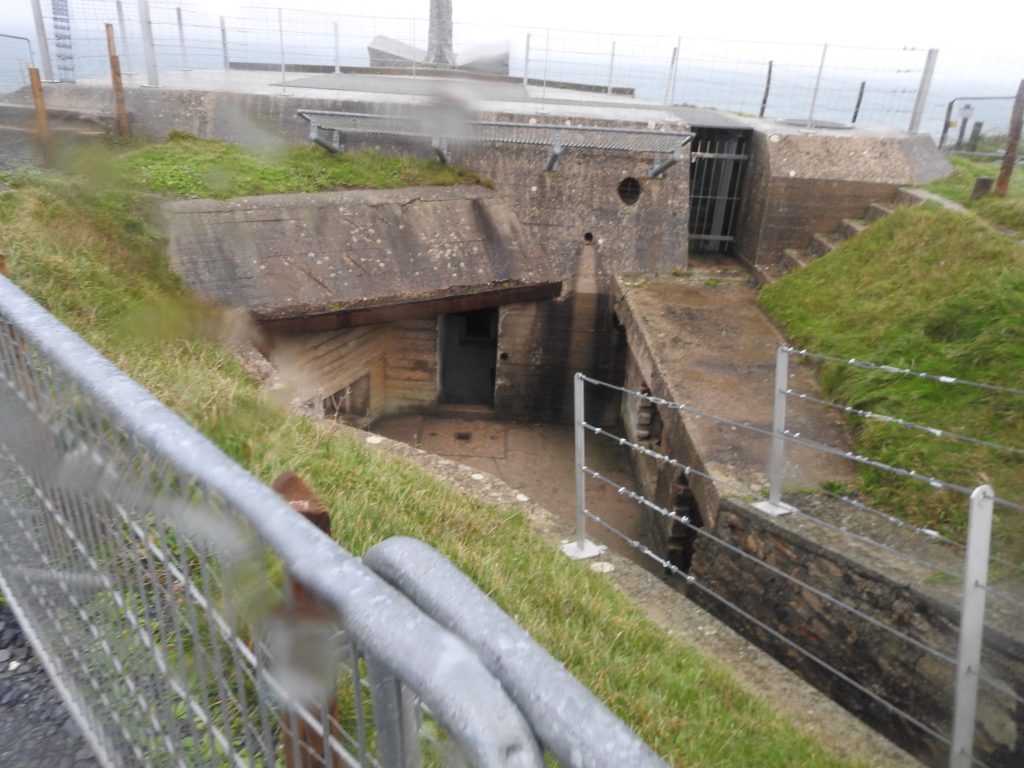
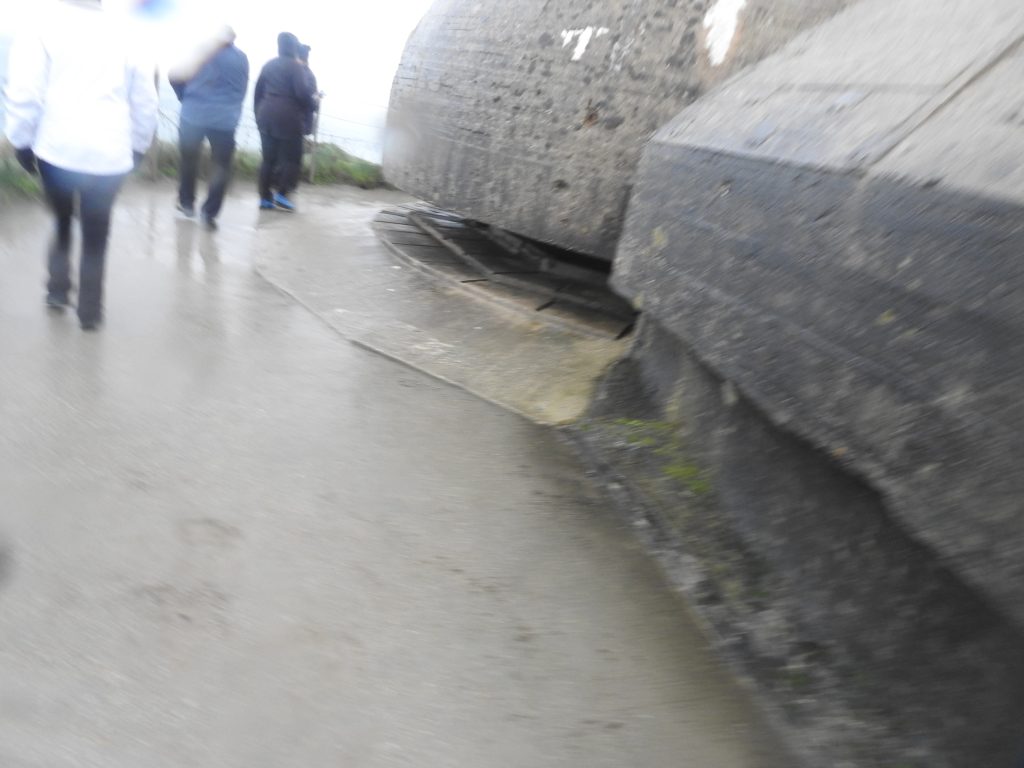
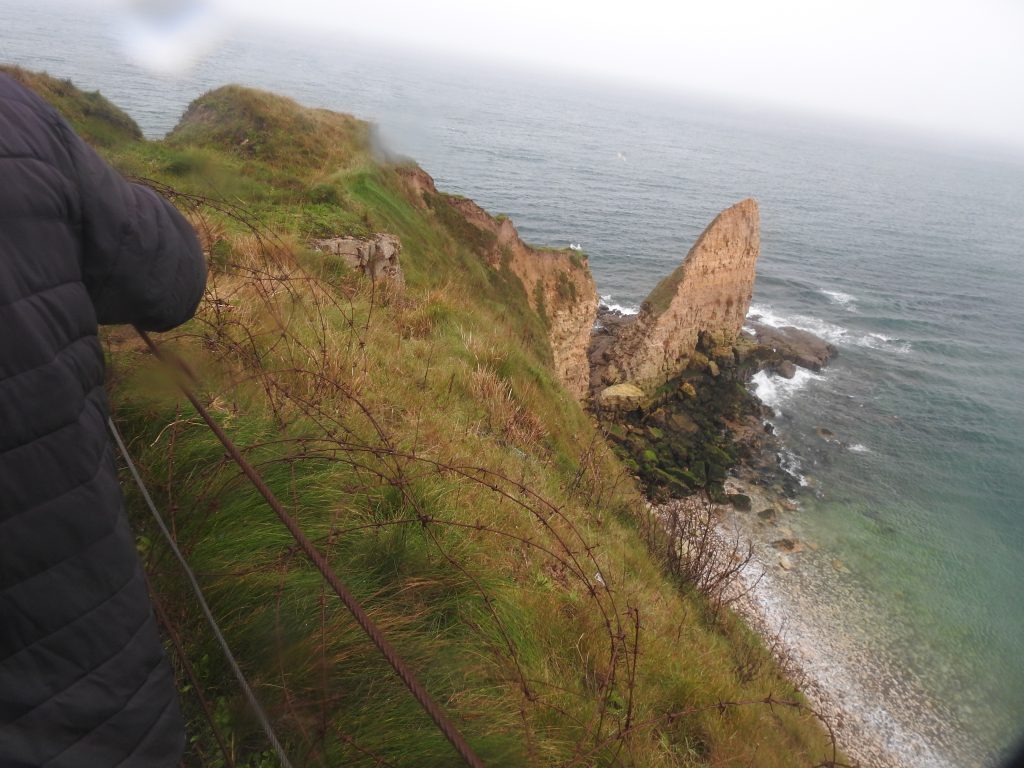
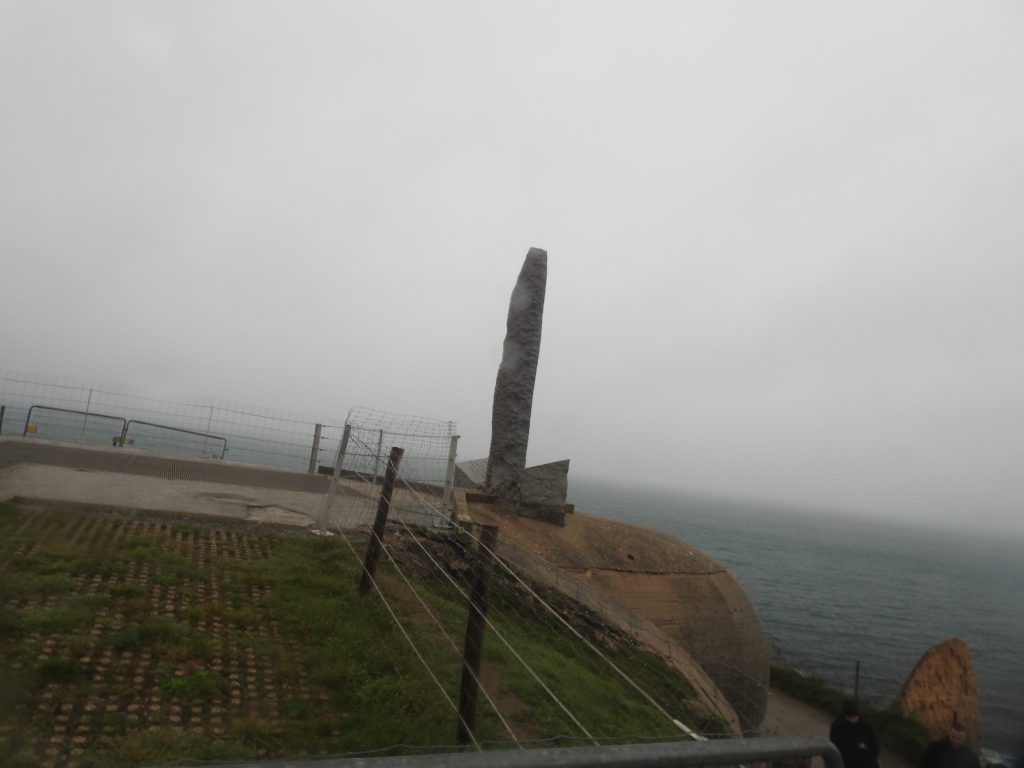
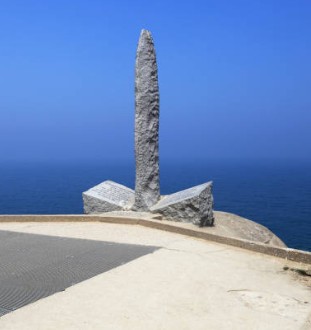
We stopped at the point Du HOC where the marines came ashore to be almost all killed.
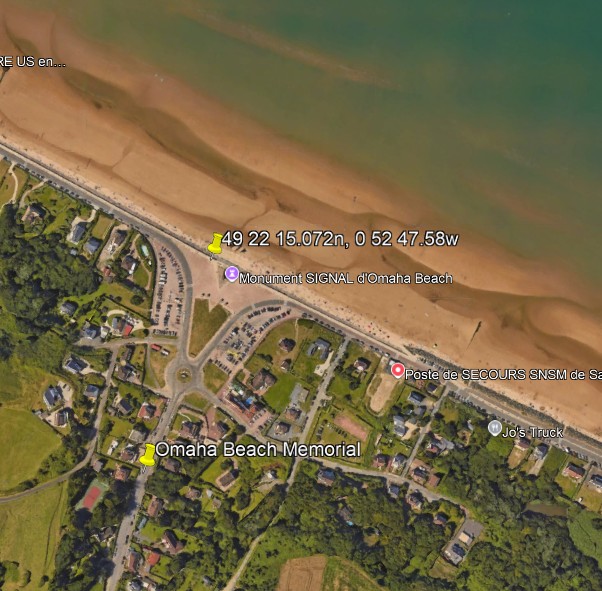
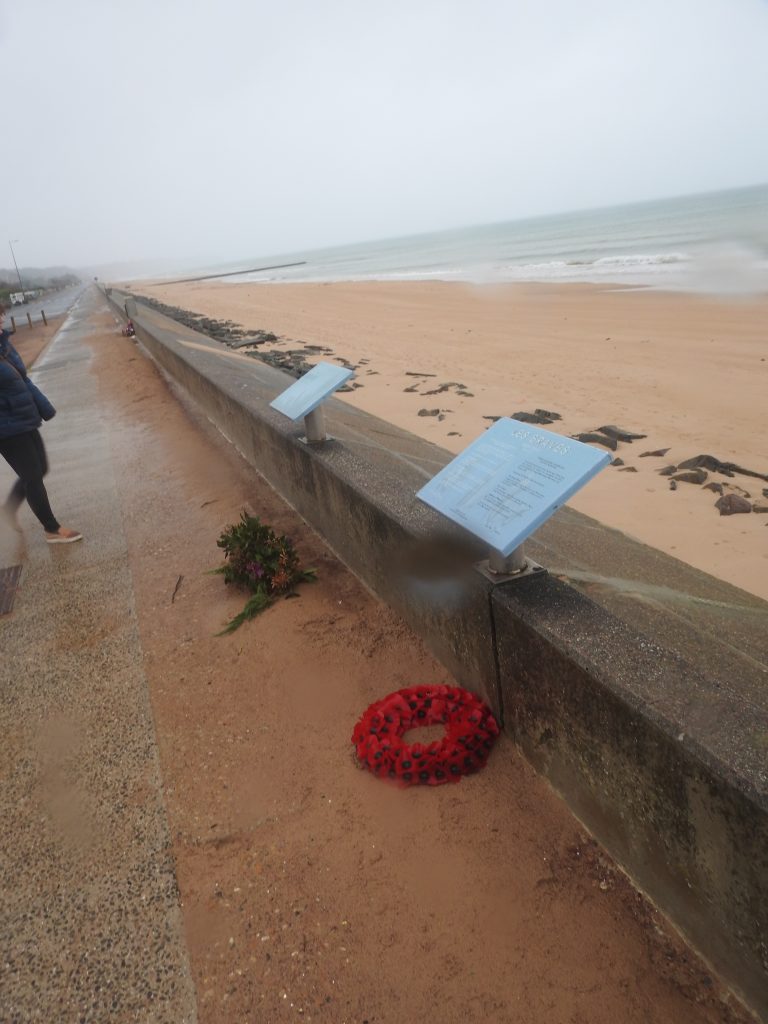
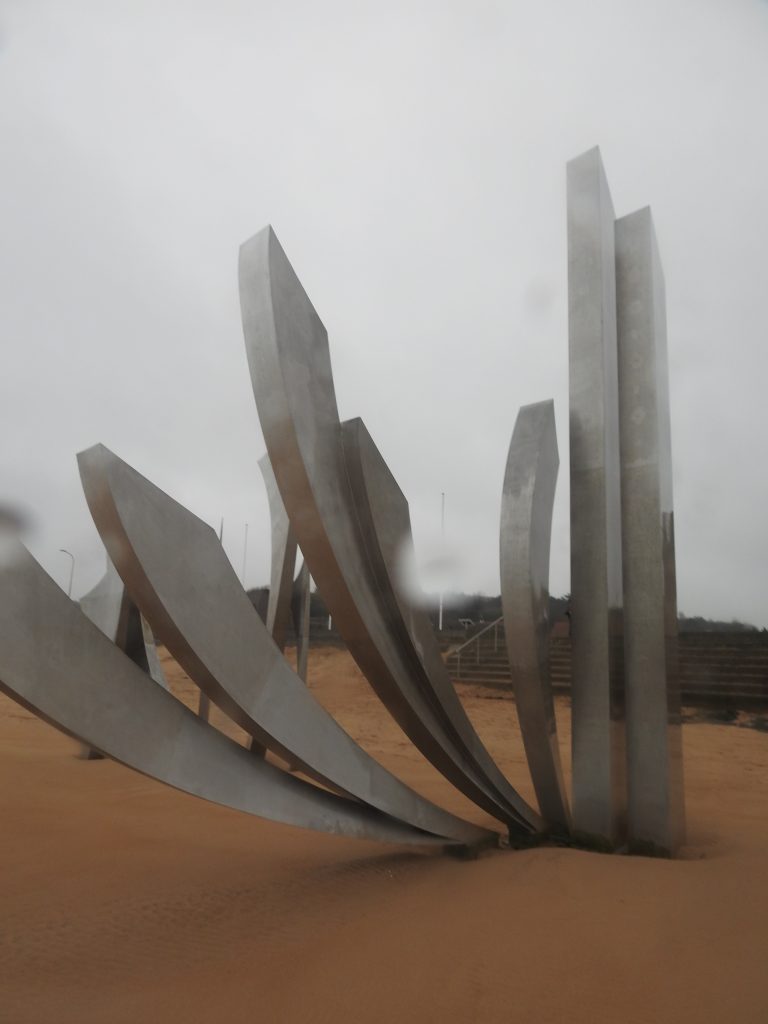
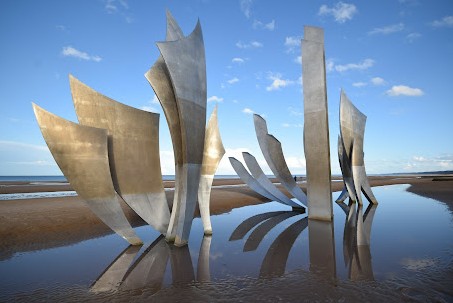
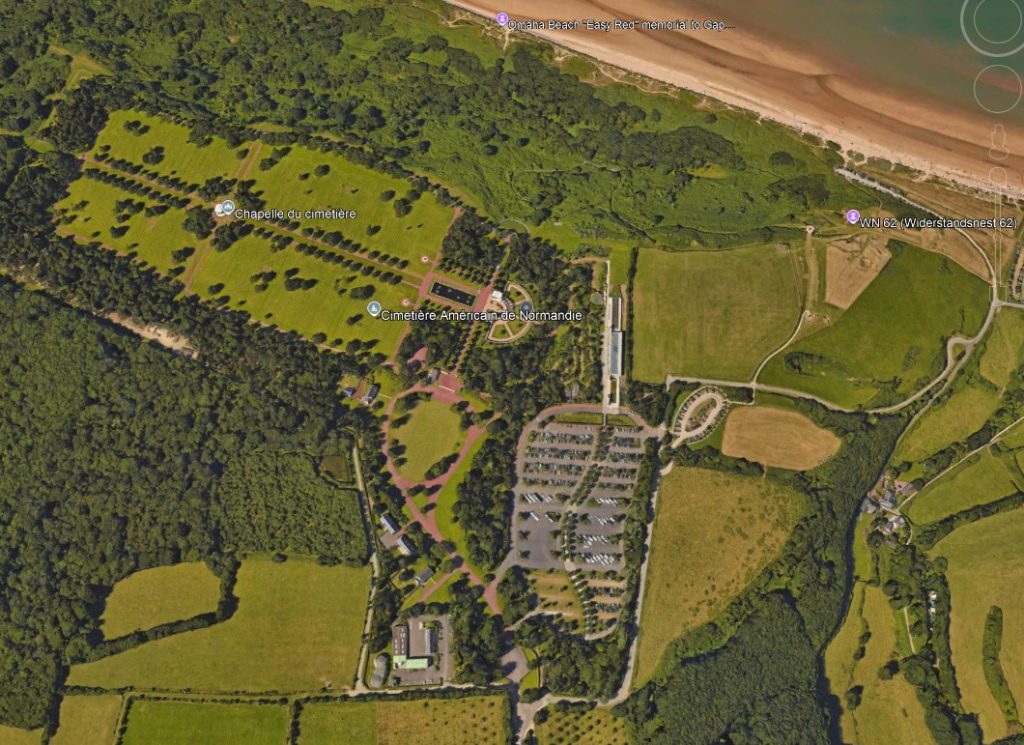
We then moved from the Du Hoc point to Omaha beach, another American landing spot.
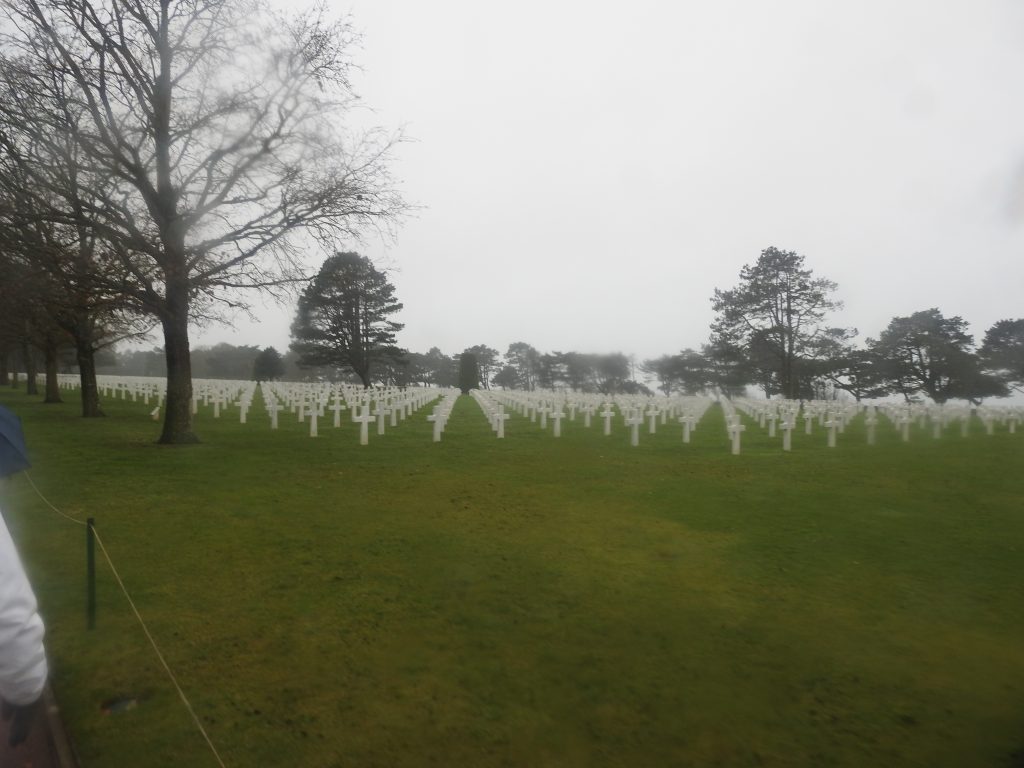
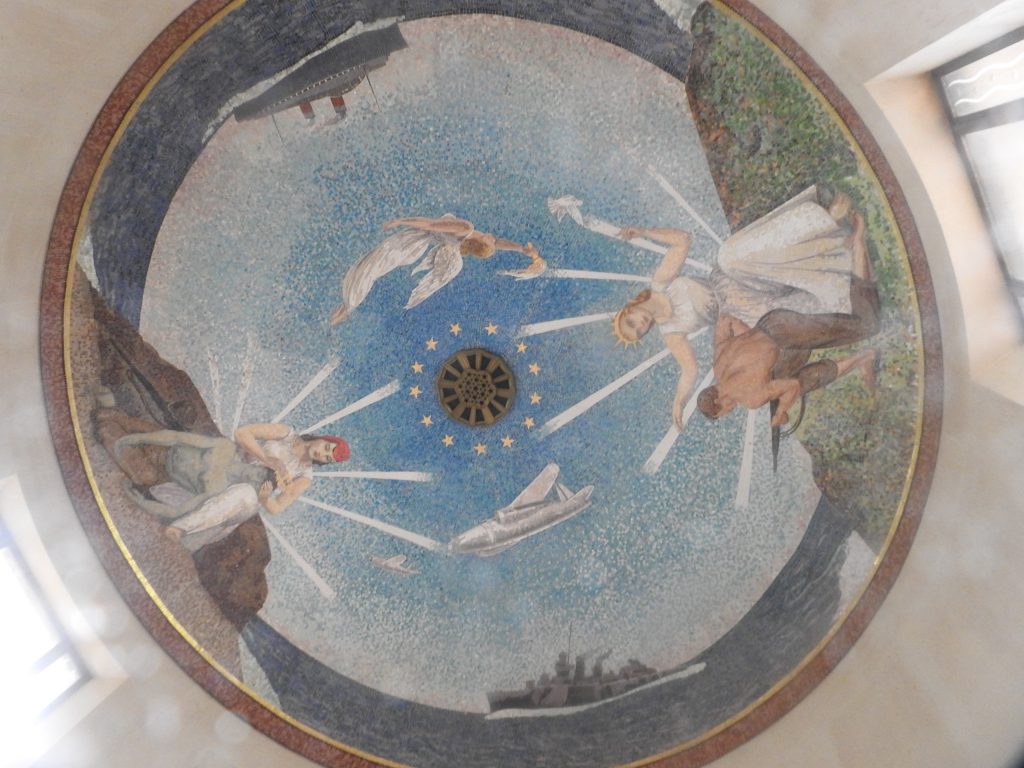
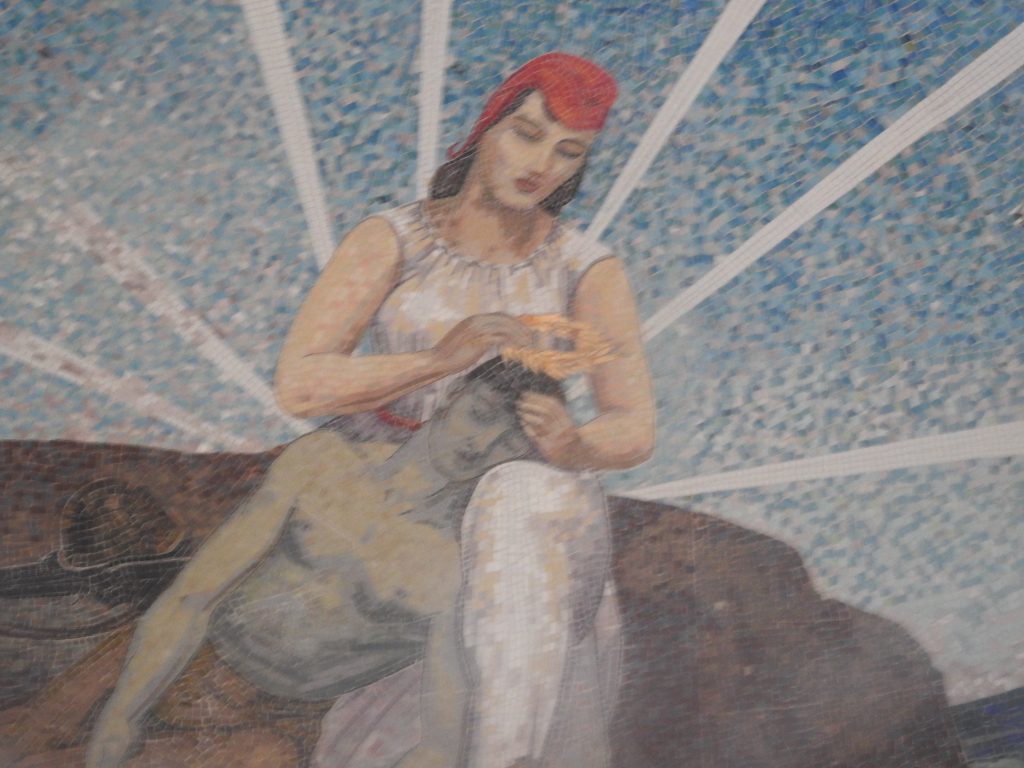
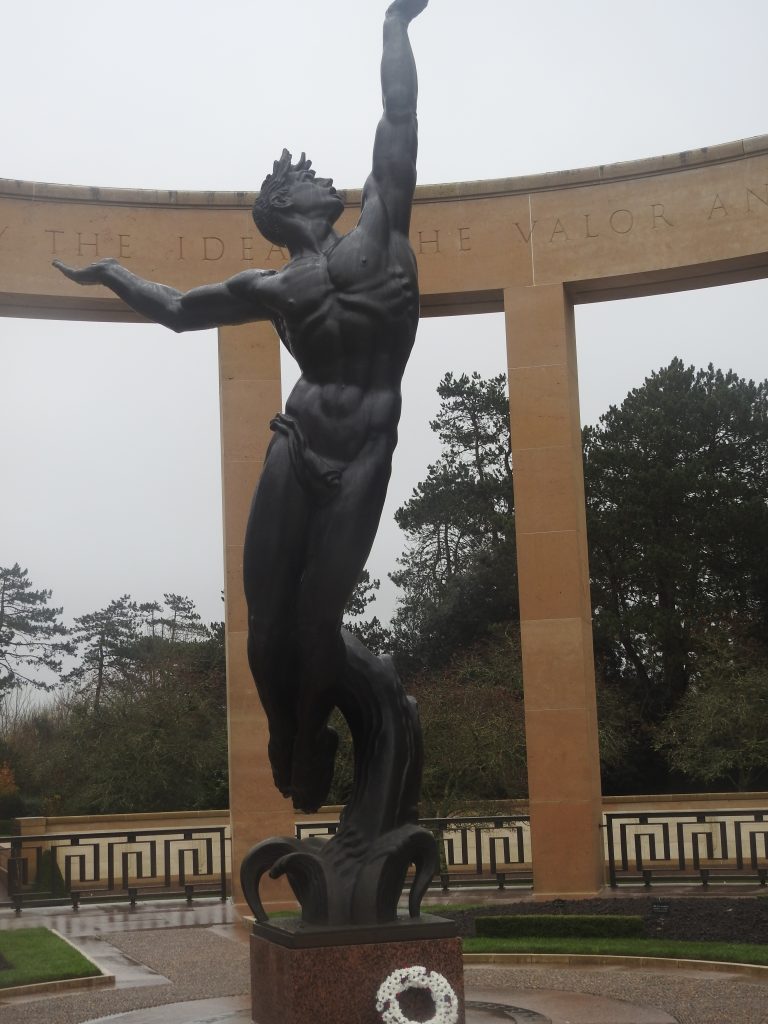
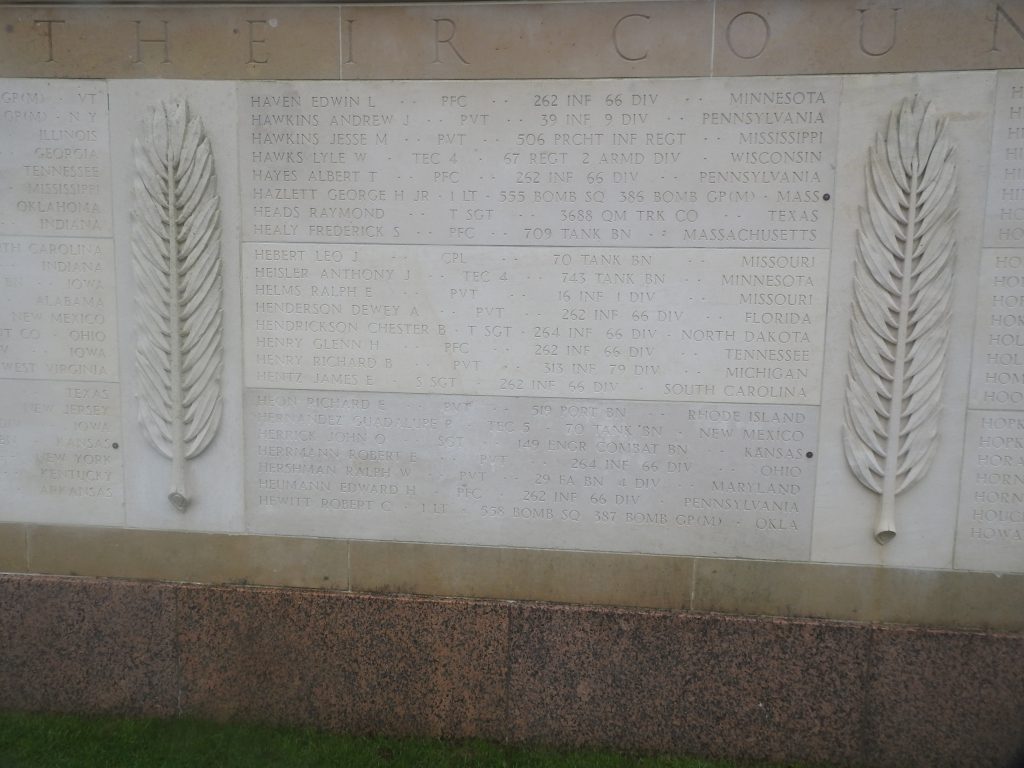
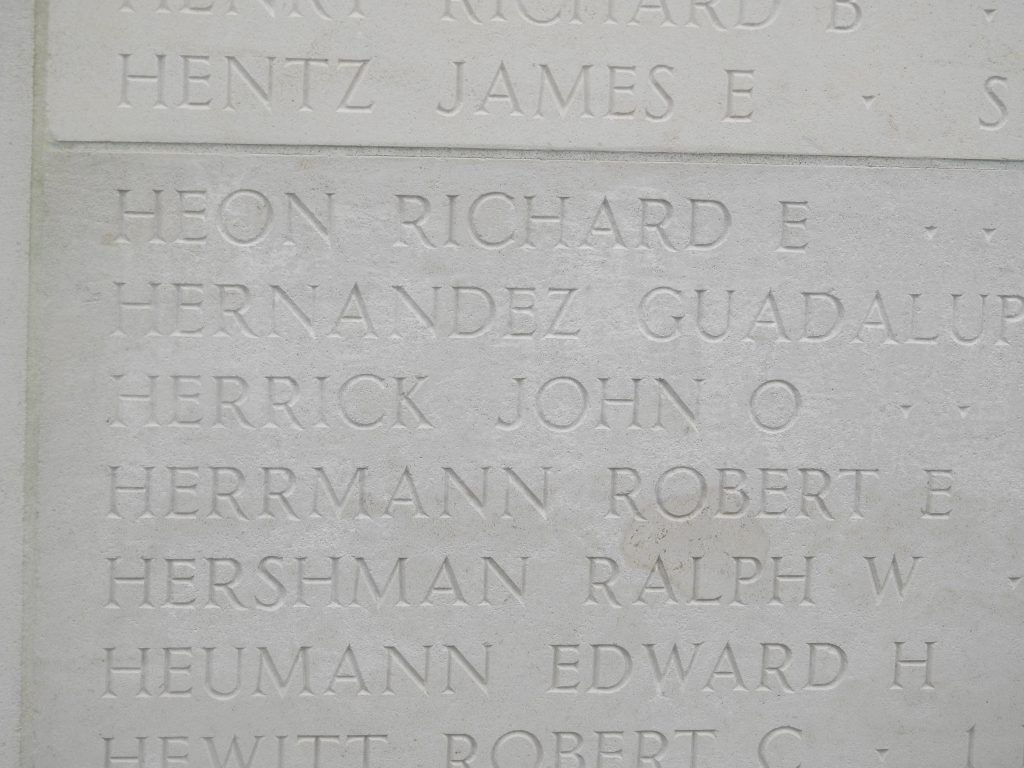
We then moved to the cemetery for Americans who died in France.
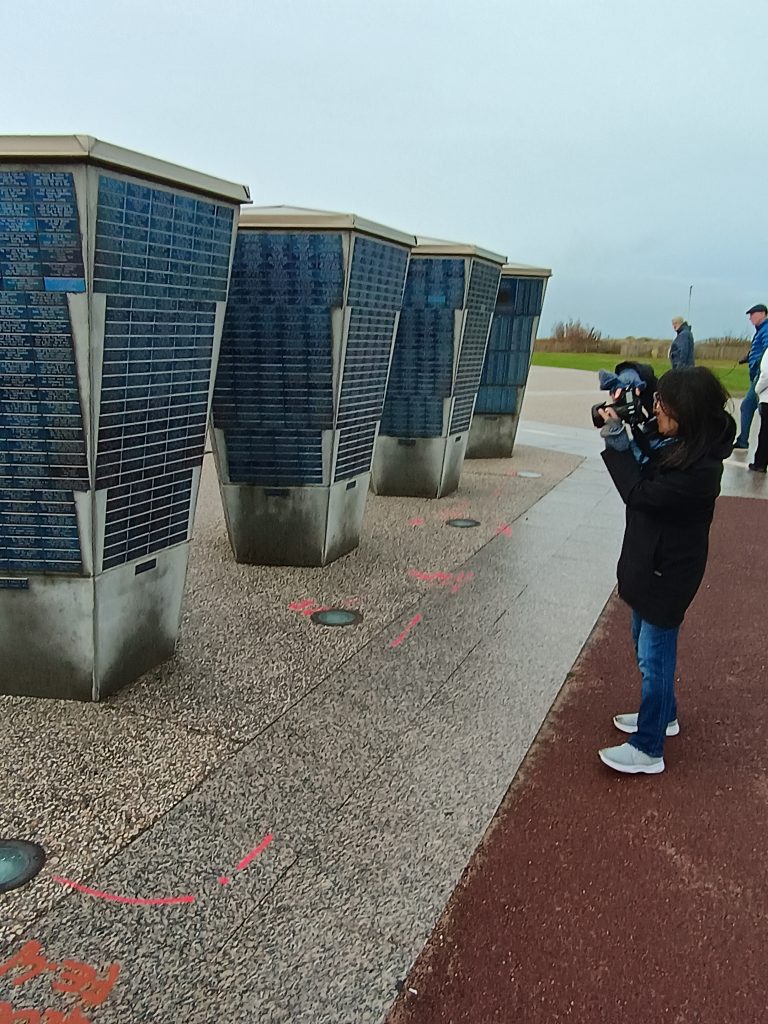
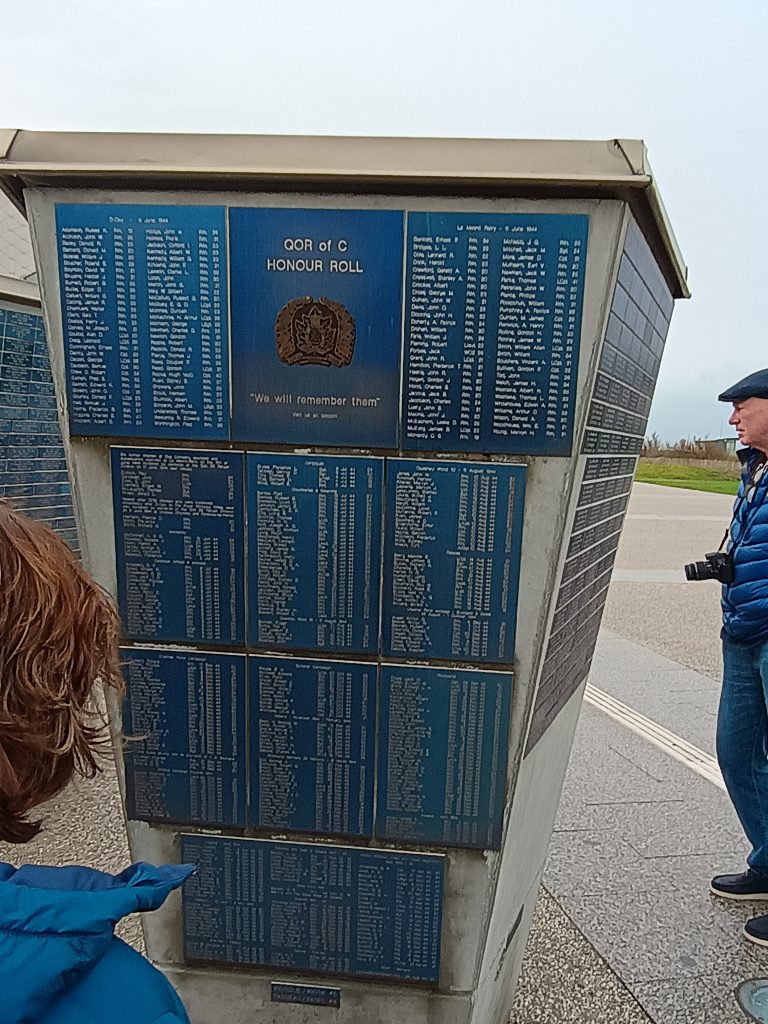
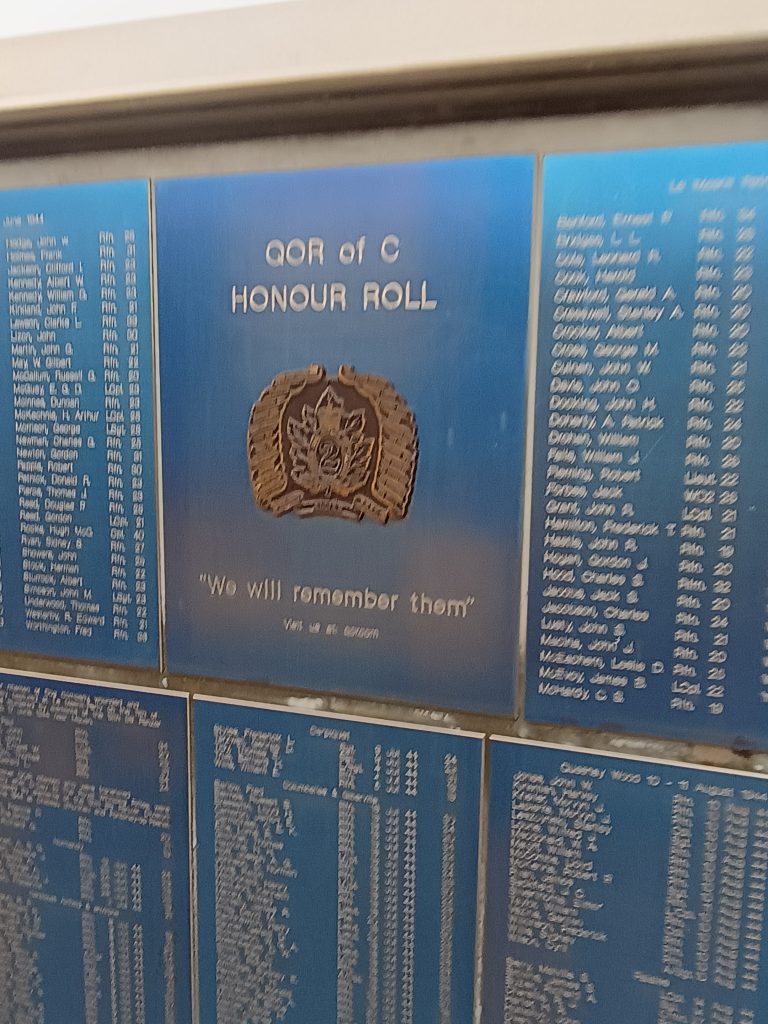
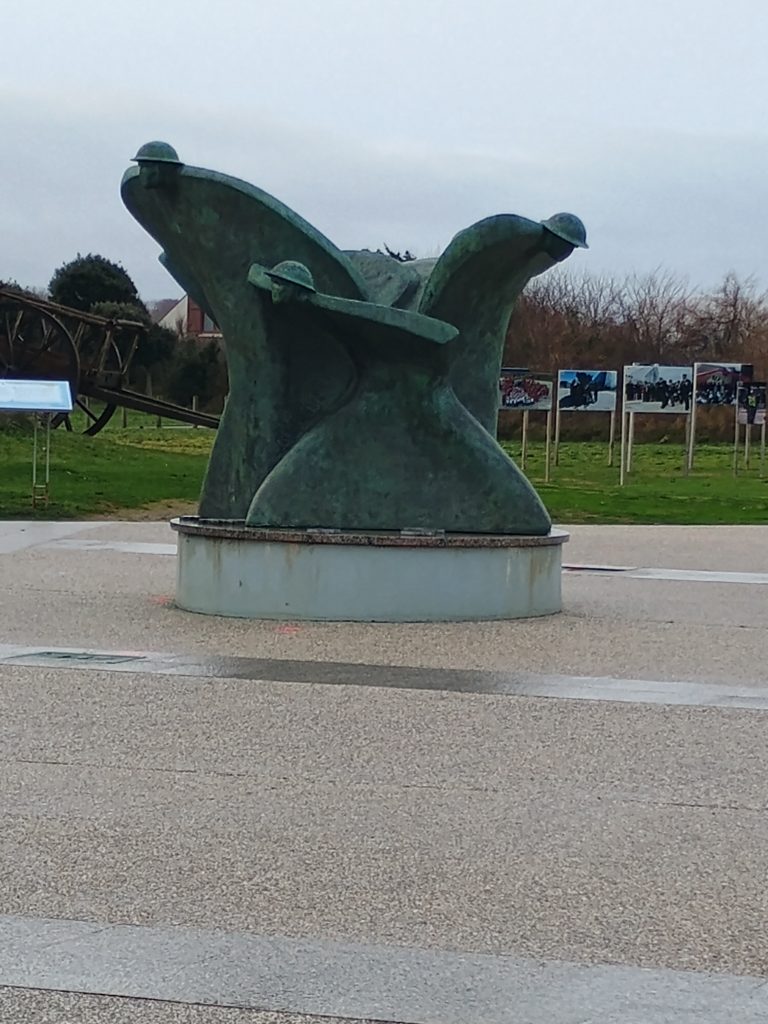
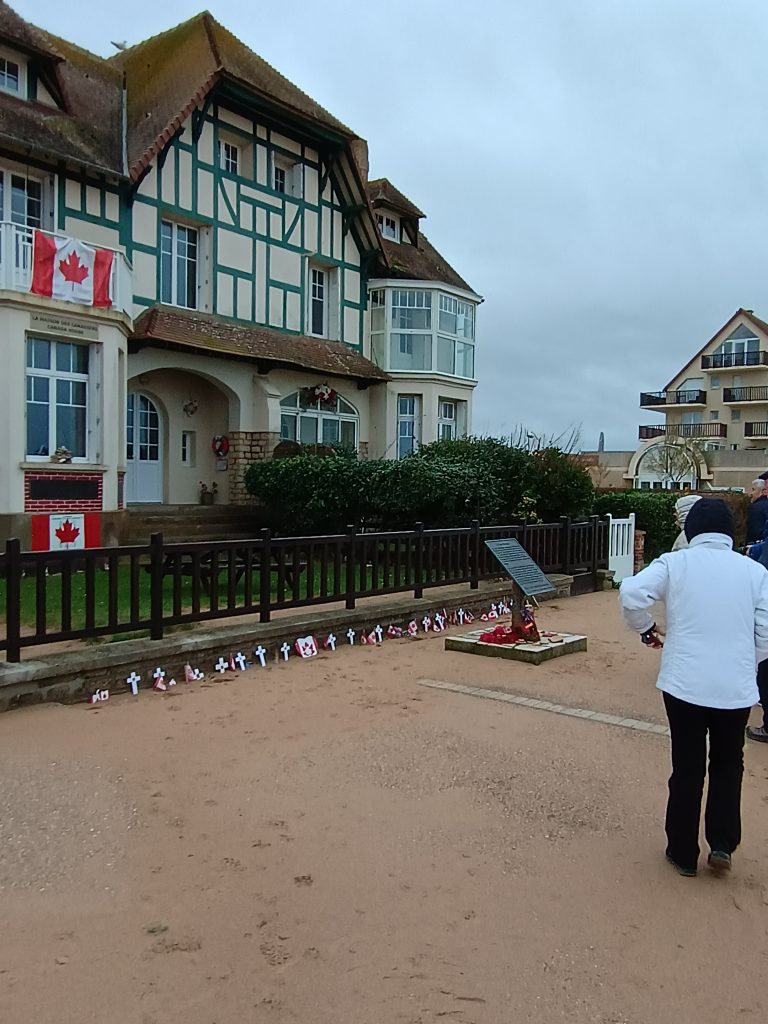
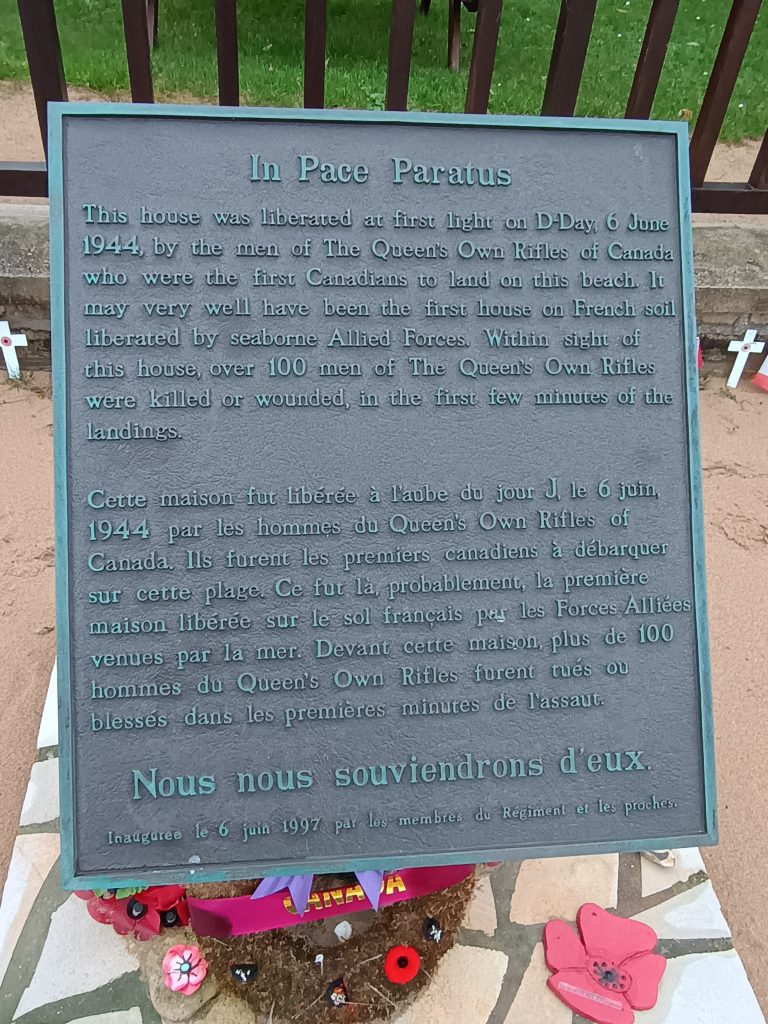
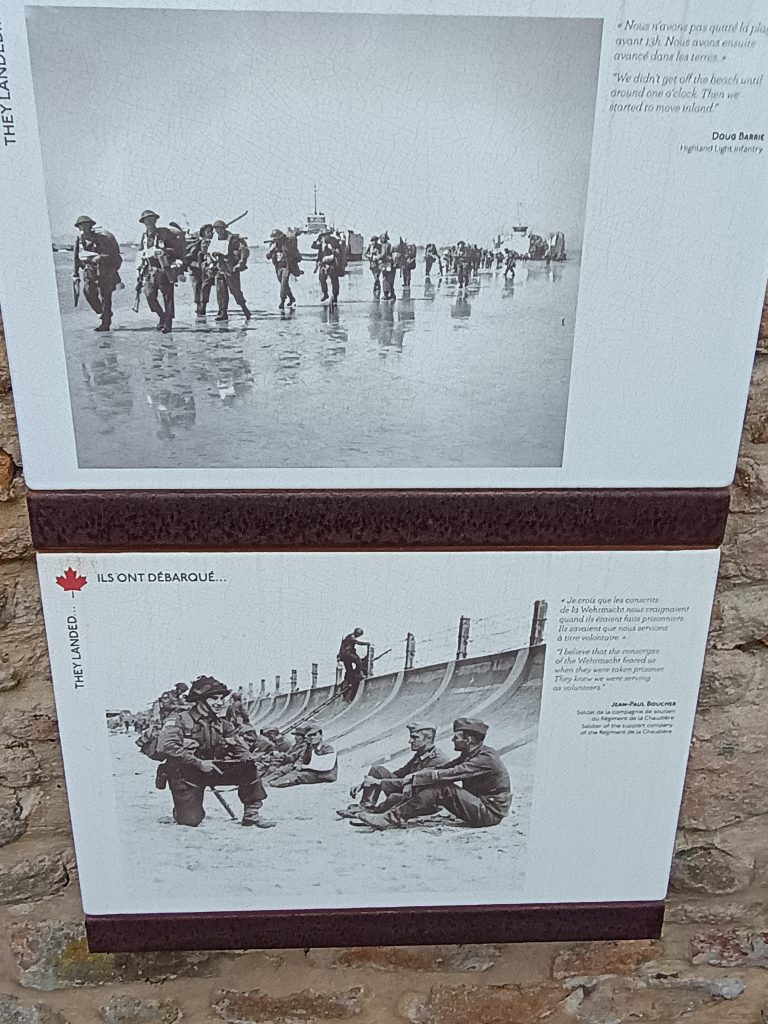
Off we went to Juno beach where the Canadians came ashore.
—————————————————————————–
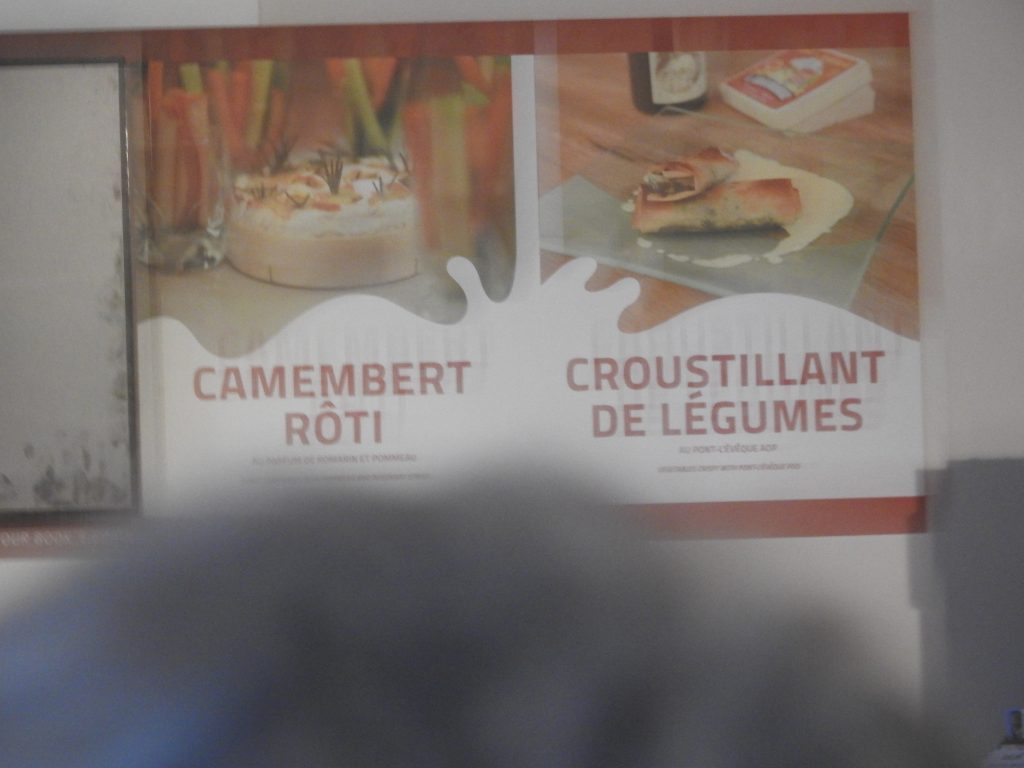
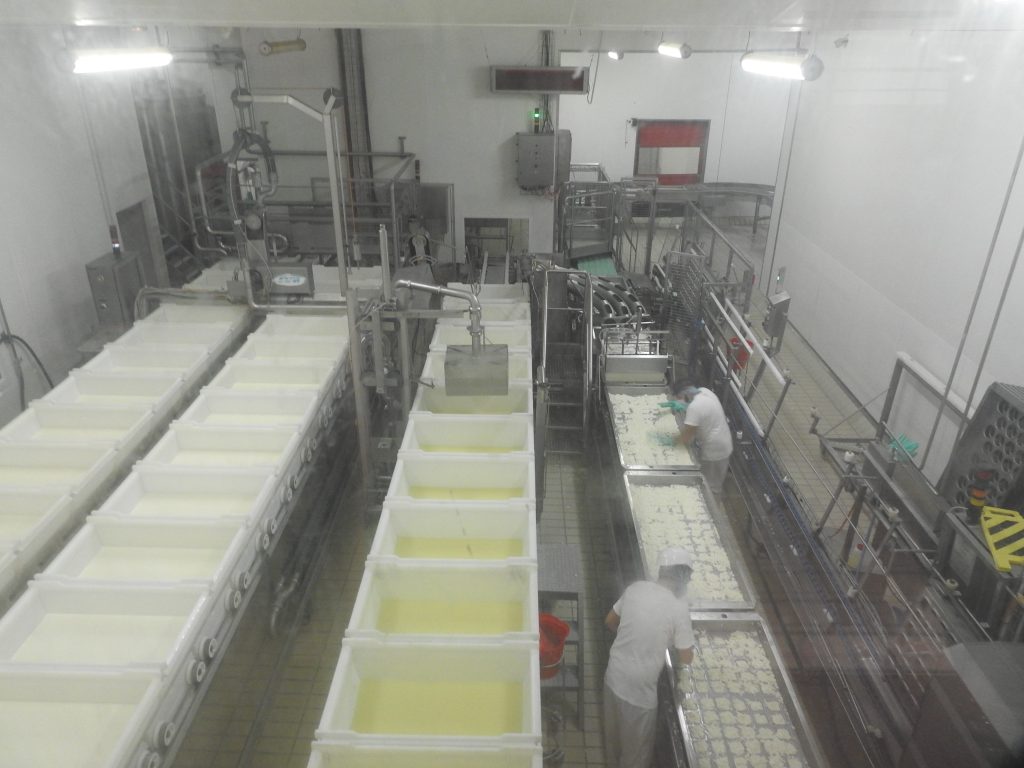
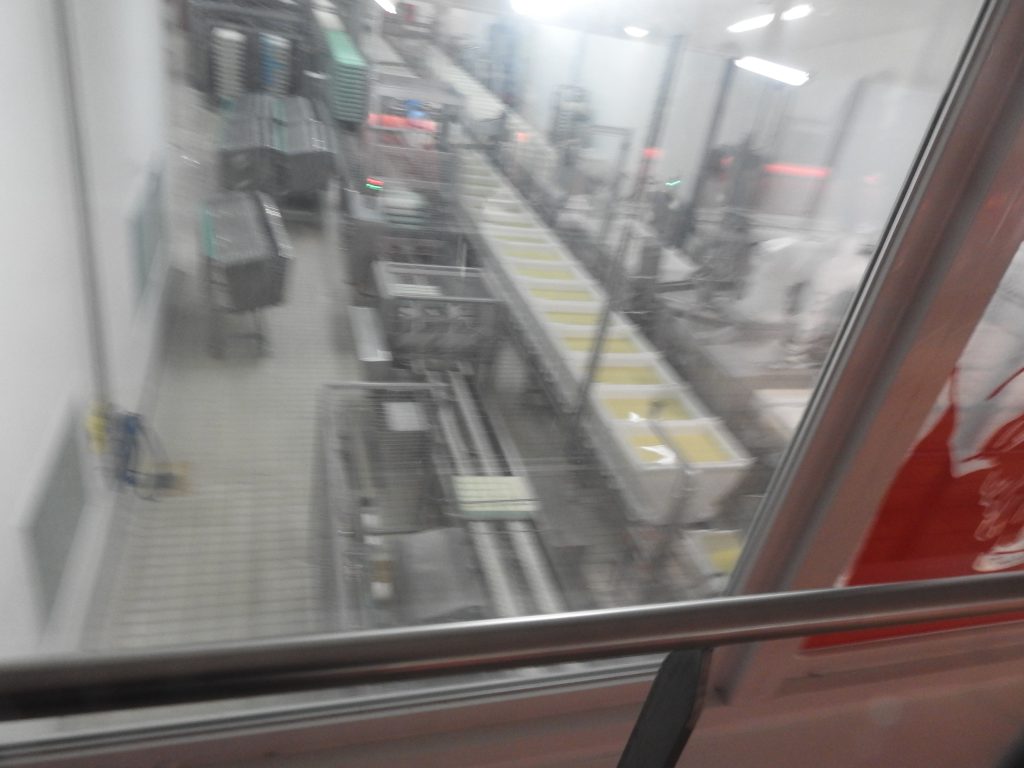
On our last day (DAY SEVEN) we had to drive back from Normandy to Paris, but we stopped on the way at a manufacturer of Camembert cheese.
The “skin” on Camembert cheese is called a rind, and it is perfectly edible; in fact, you are supposed to eat it along with the cheese itself as it is a key part of the flavor profile and is made from a mold called Penicillium candidum which creates the soft, white, bloomy texture.
Then back to our hotel, dinner, and in the morning the next day, an Uber ride in the rain to the airport and two flights home.
Breakfasts always included sliced meat (chicken and ham) and cheese. A granola cereal, orange juice, milk and a sweet roll.
It was a great visit with the rain holding off until we were at Normandy, making it an appropriately somber day. I ate mostly fish and chips when we had a meal, it seemed safe that way. 40 years ago i had meals that were quite foreign.
I enjoyed all the château’s, and did not mind all the walking and climbing stairs. I bought six refrigerator magnets, a tiny snow globe with a tiny cow inside, and a tiny Saint Michael statue. Much less than on other trips.
Forty years ago when I was there, waiters and people in general were very rude and would not help anywhere.
This trip was entirely different, if you said something in English they switched seamlessly into English. I did not find one person who was rude! We found many who were very helpful!!


































 Herrick Home Page