Chichén Itzá: Wonder of the Maya World
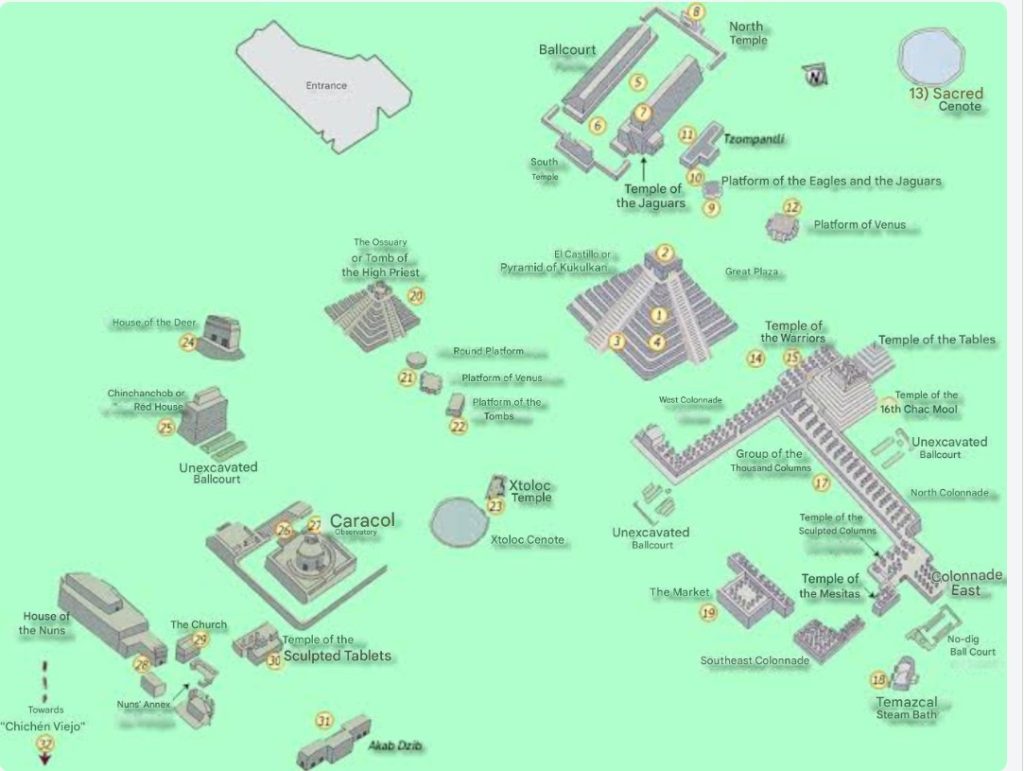
Chichén Itzá is a vast ancient Maya city located in the northern Yucatán Peninsula of Mexico. Once a thriving center of politics, religion, commerce, and astronomy, it is now a UNESCO World Heritage Site and one of the New Seven Wonders of the World. Its grandeur, architectural precision, and symbolic alignment with the cosmos make it a must-see cultural treasure.
Historical Significance
Founded around 600 A.D., it rose to prominence between 800 and 1100 A.D.
Influenced by both Maya and Toltec cultures, giving it a unique fusion of artistic and architectural styles.
Likely abandoned by the late 1200s, but remained a pilgrimage site for Maya communities.
Main Monuments and Attractions
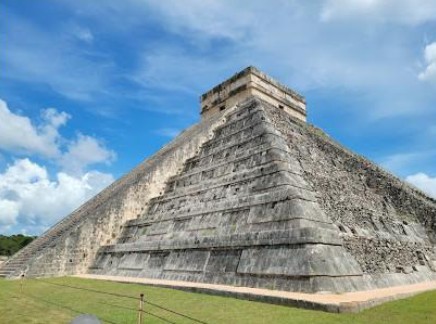
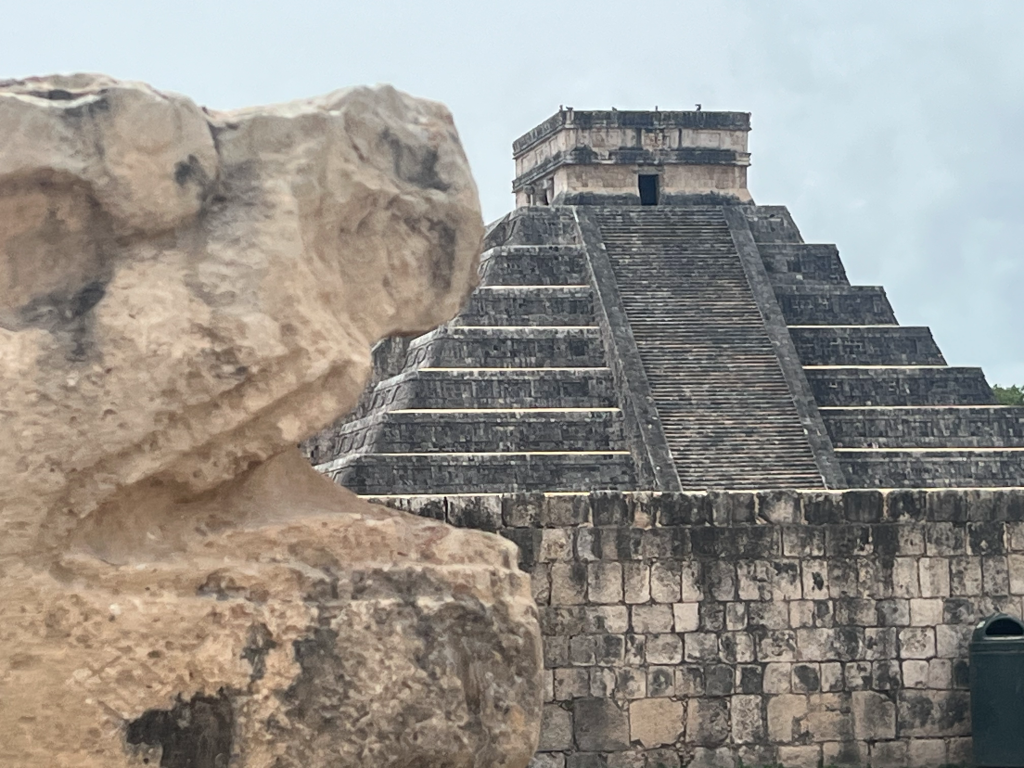
1. El Castillo (Temple of Kukulcán):
o The famous step pyramid that dominates the site.
o Each of its four sides has 91 steps, plus the top platform = 365, symbolizing the solar year.
o During the spring and fall equinox, shadows create the illusion of a serpent slithering down the steps, representing the feathered serpent god Kukulcán.
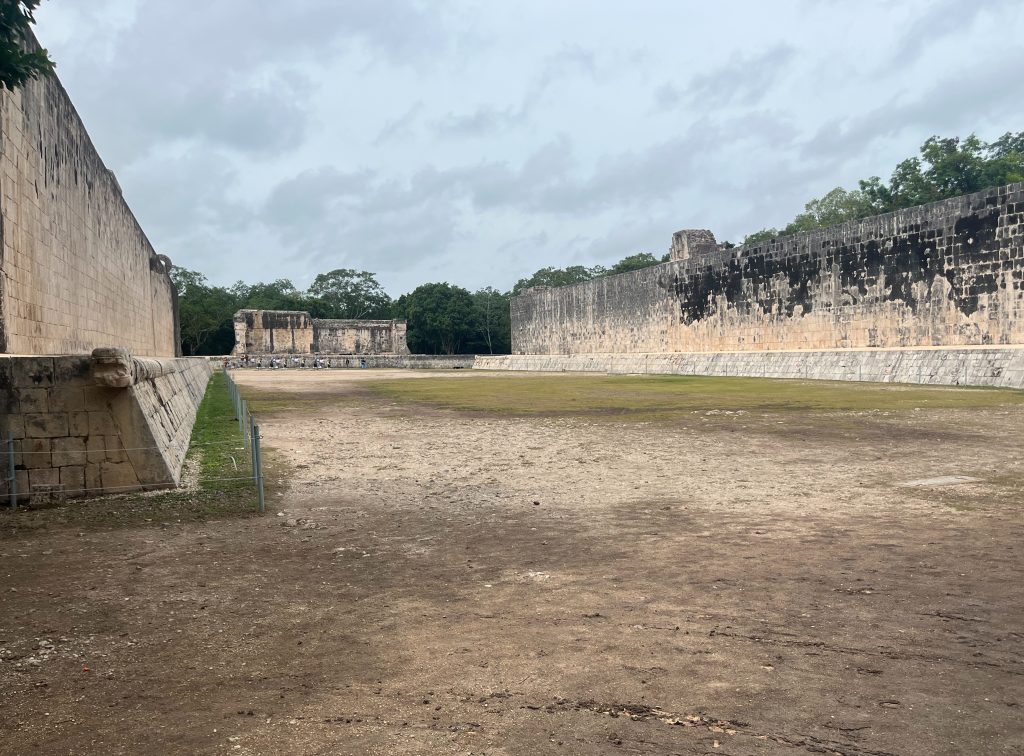
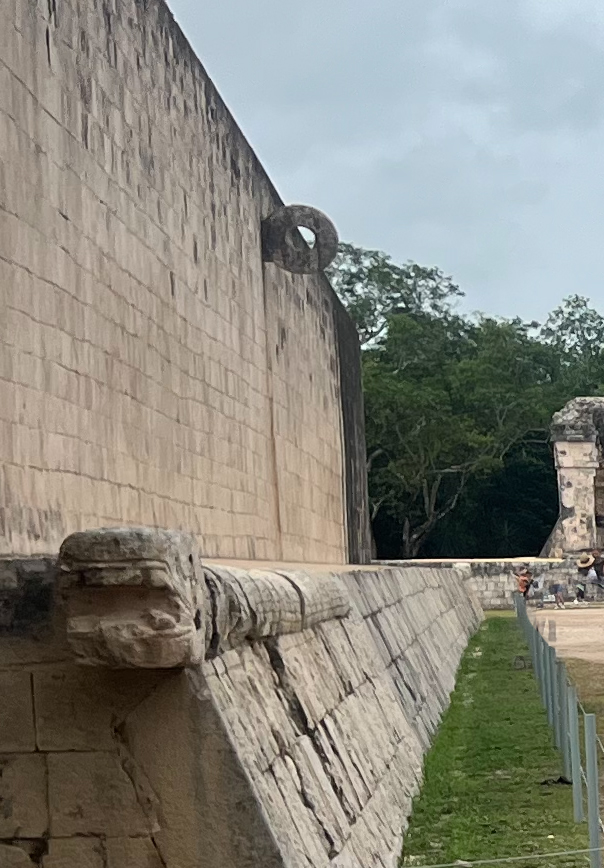
2. Great Ball Court:
o The largest and best-preserved Mesoamerican ball court.
o The acoustics are astonishing—whispers can be heard clearly from end to end.
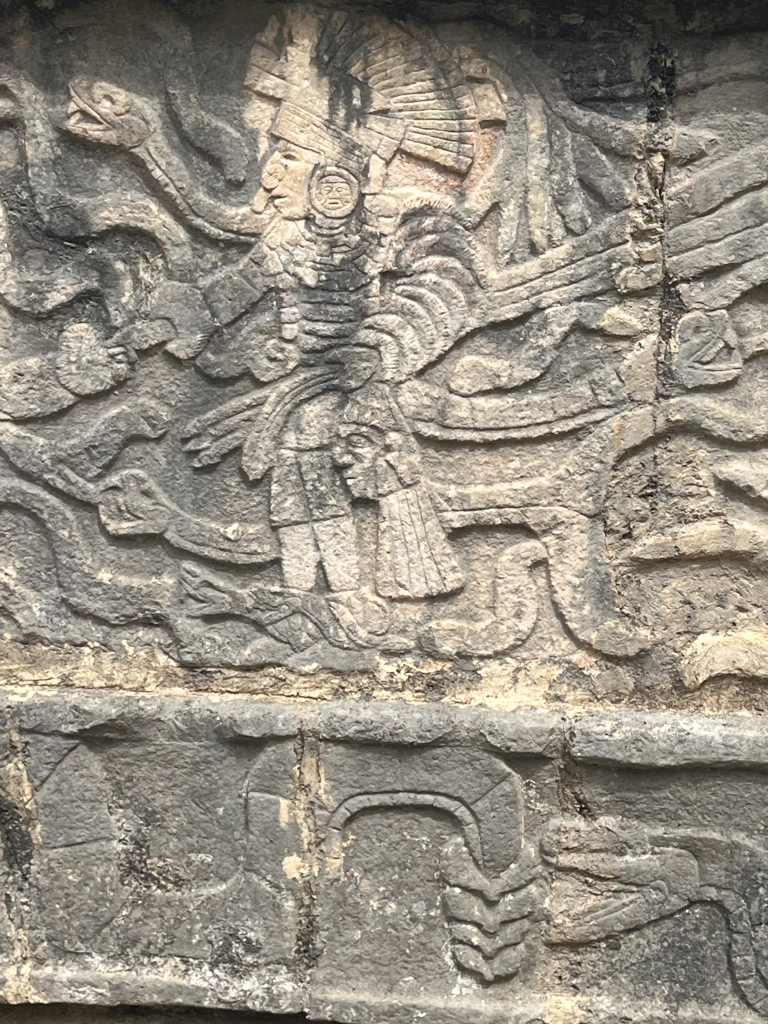
o Reliefs depict ceremonial games that may have included ritual sacrifice.
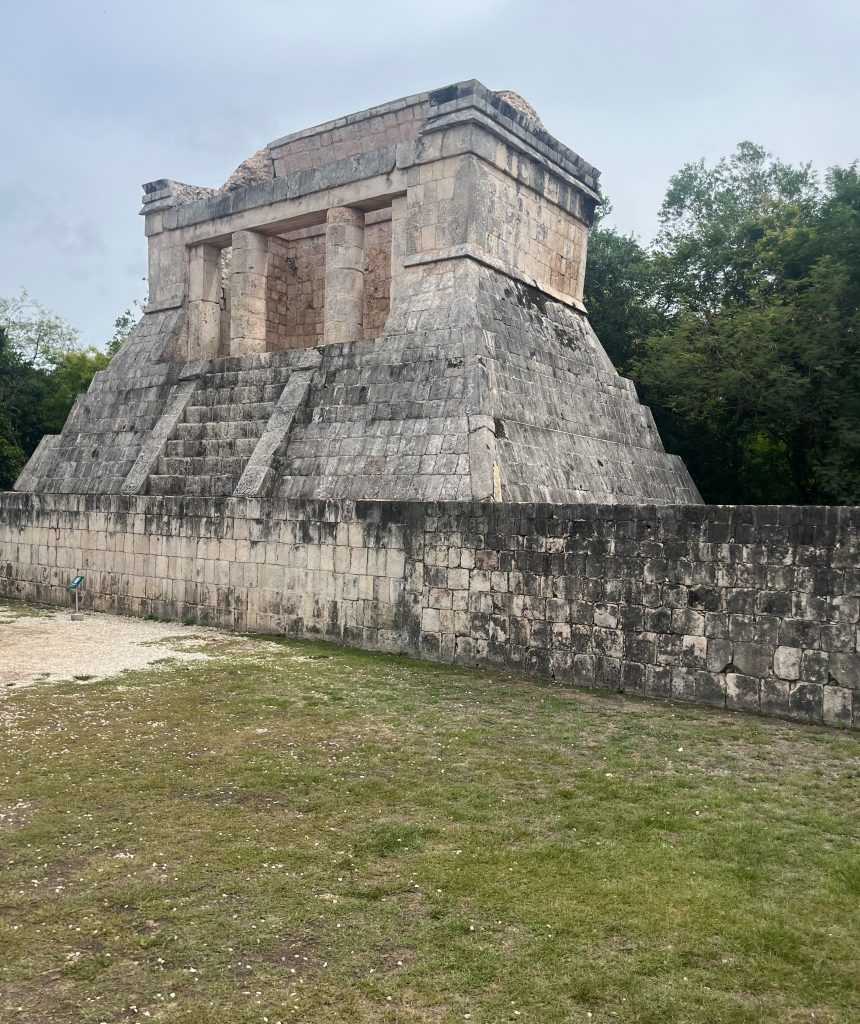
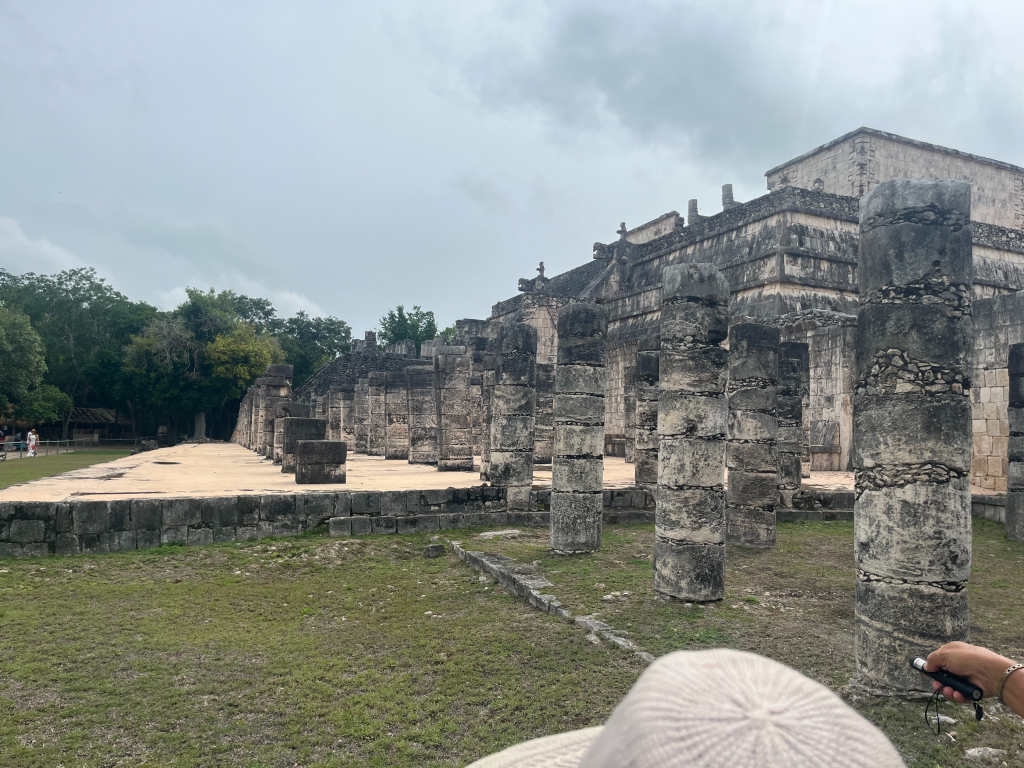
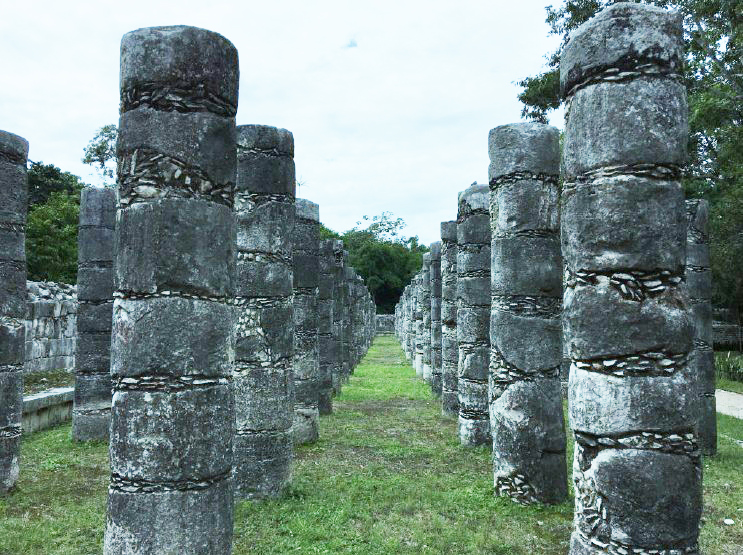
3. Temple of the Warriors & Thousand Columns:
o A grand complex with stone columns thought to support a large roofed hall.
o Carvings depict warriors and deities, showing Toltec influence.
4. Cenote Sagrado (Sacred Cenote):
o A large, natural sinkhole used for ritual offerings and possibly human sacrifice.
o Artifacts such as gold, jade, and bones have been recovered from its depths.
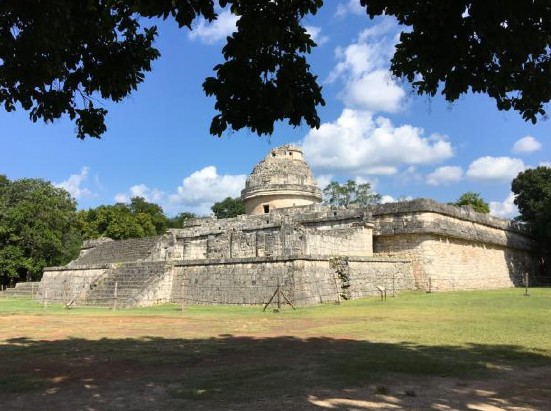
5. El Caracol (The Observatory):
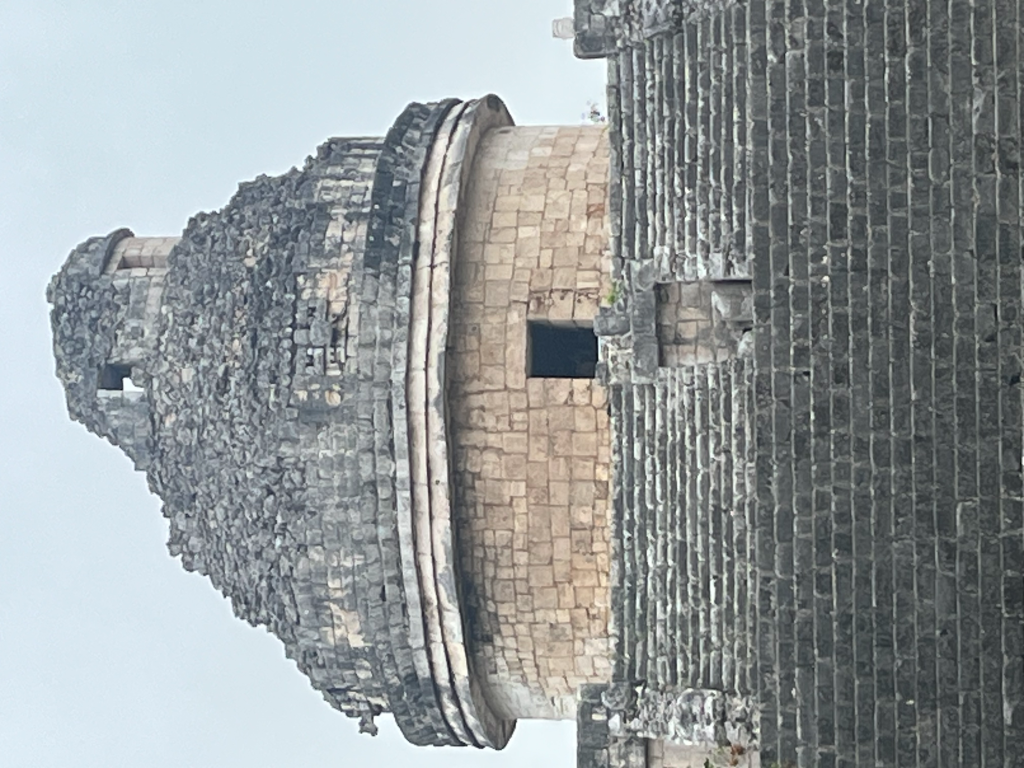
o A round structure thought to be an astronomical observatory.
o Its windows align with key celestial events, like solstices and equinoxes.
Atmosphere and Experience
The site is expansive, with paths leading through jungle-covered ruins.
Well-maintained, though often crowded, especially midday.
Best visited early in the morning or late afternoon for cooler weather and fewer tourists.
Location and Travel Info
Located about 2.5 hours from Cancún or 1.5 hours from Mérida.
Accessible by car, tour bus, or public transportation.
Open daily; guided tours are recommended for historical context.
Why Visit Chichén Itzá?
Home to one of the most recognized pyramids in the world.
A masterclass in Maya engineering, astronomy, and symbolism.
Offers a powerful glimpse into the complex spirituality and culture of pre-Hispanic Mesoamerica.
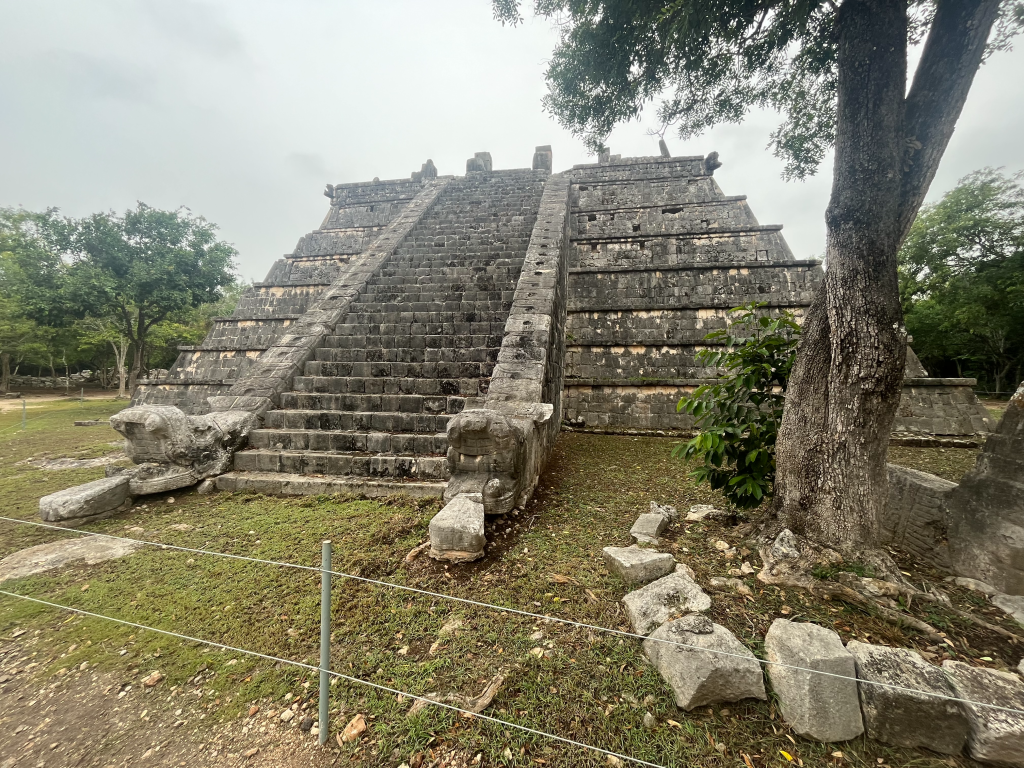
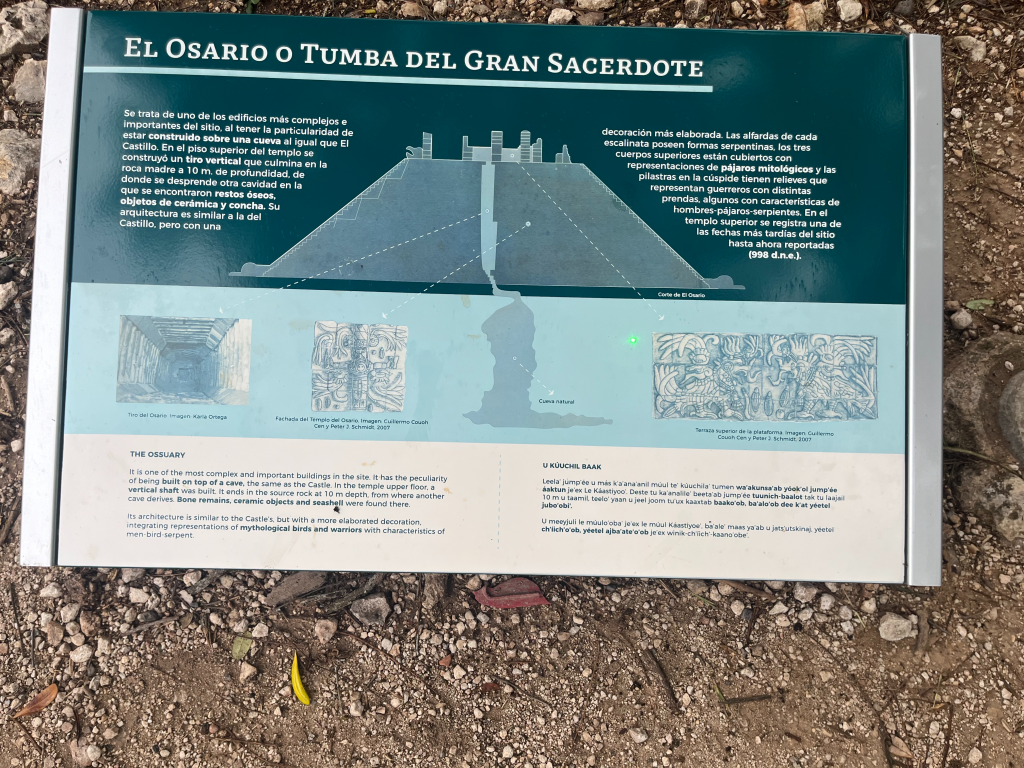
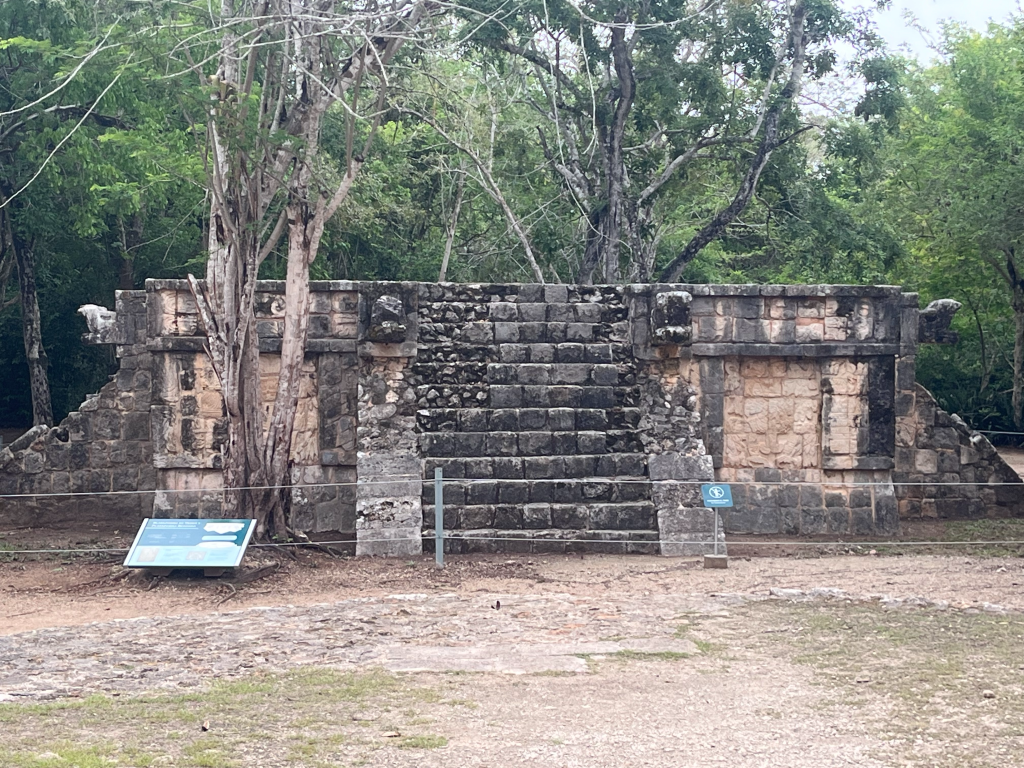
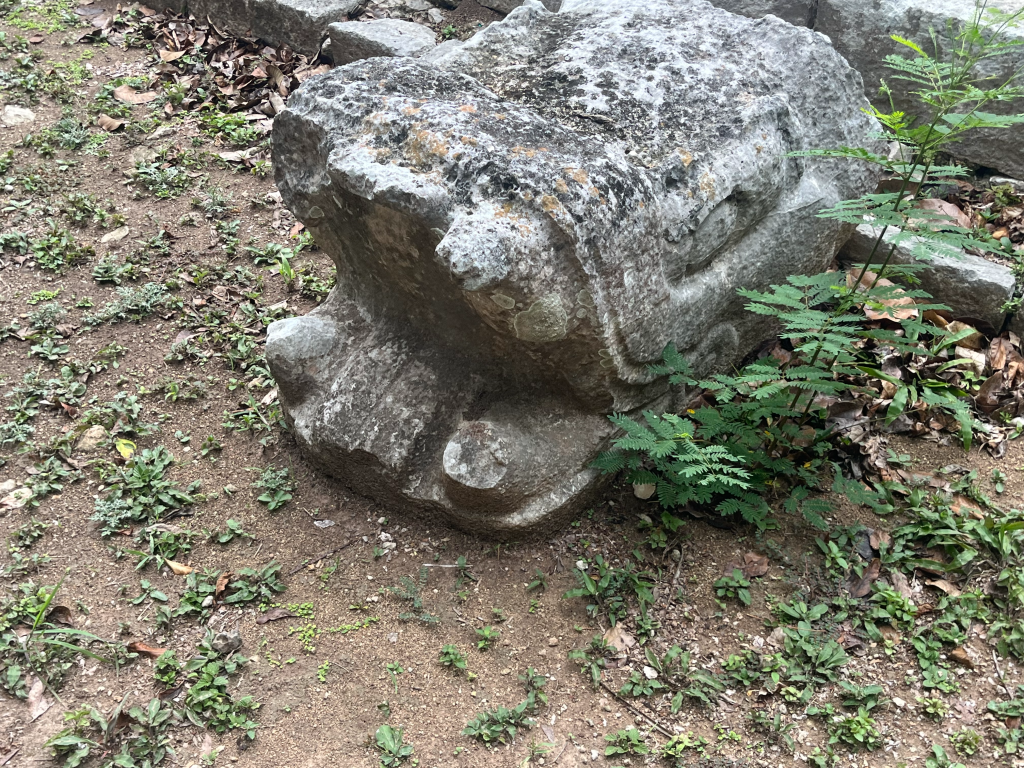
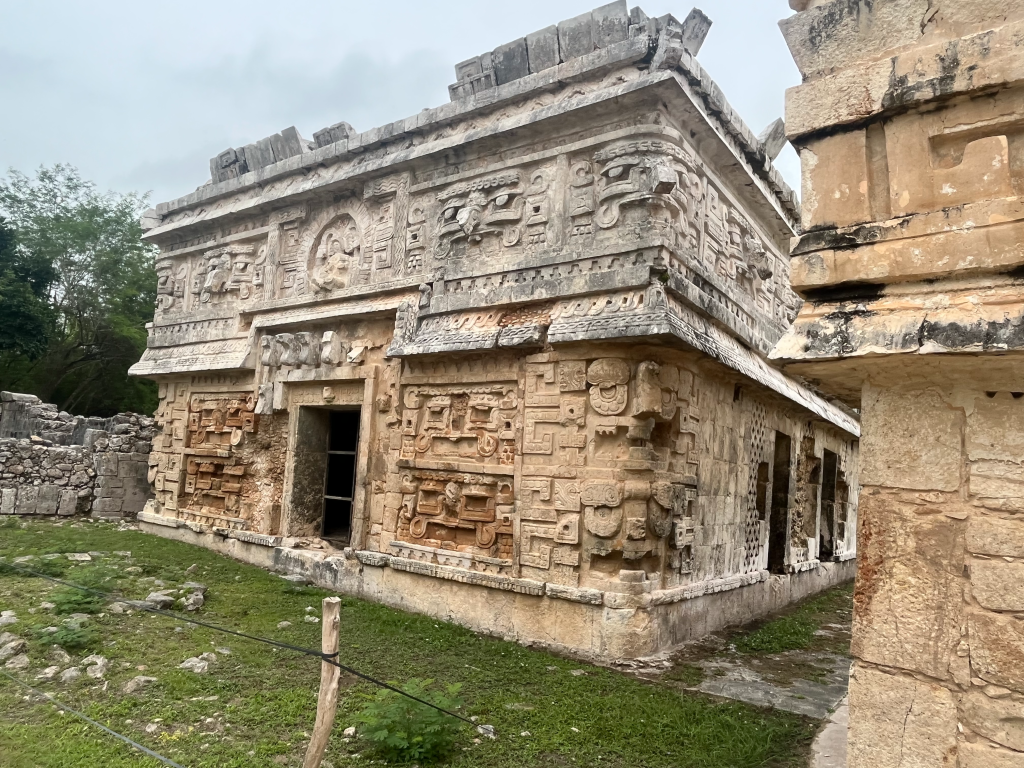
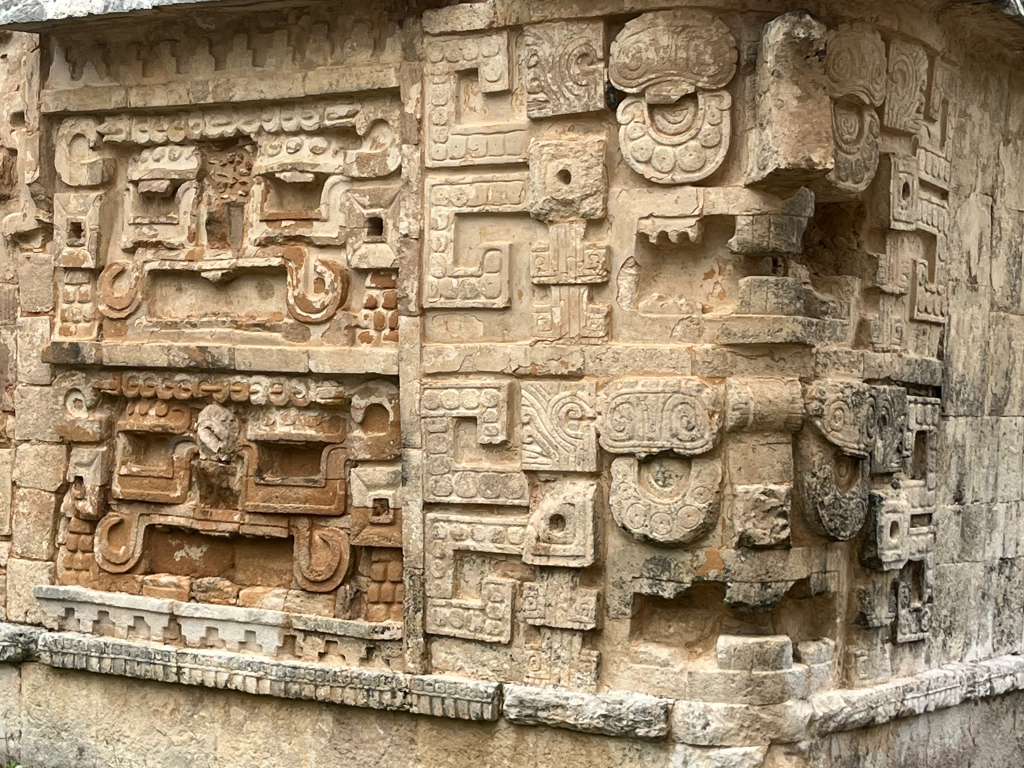
The Ossuary, otherwise known as the Bonehouse or the Tumba del Gran Sacerdote (High Priest’s Grave), is a ruined pyramid to the southwest of El Castillo. As with most of the buildings in this southern section, the architecture is more Puuc than Toltec. It’s notable for the beautiful serpent heads at the base of its staircases.
A square shaft at the top of the structure leads down into a cave that was used as a burial chamber; seven tombs with human remains were discovered inside.
 Herrick Home Page