Uxmal: Masterpiece of the Puuc Maya.
Historical Significance
Founded: Around 500 A.D.
Peak: Between 600–900 A.D.
Uxmal was likely a regional capital, possibly allied with or rival to nearby sites like Kabáh and Sayil.
Unlike other Maya sites, Uxmal lacks stelae with long inscriptions, and its history is mostly reconstructed through architecture and archaeology
Main Structures and Features
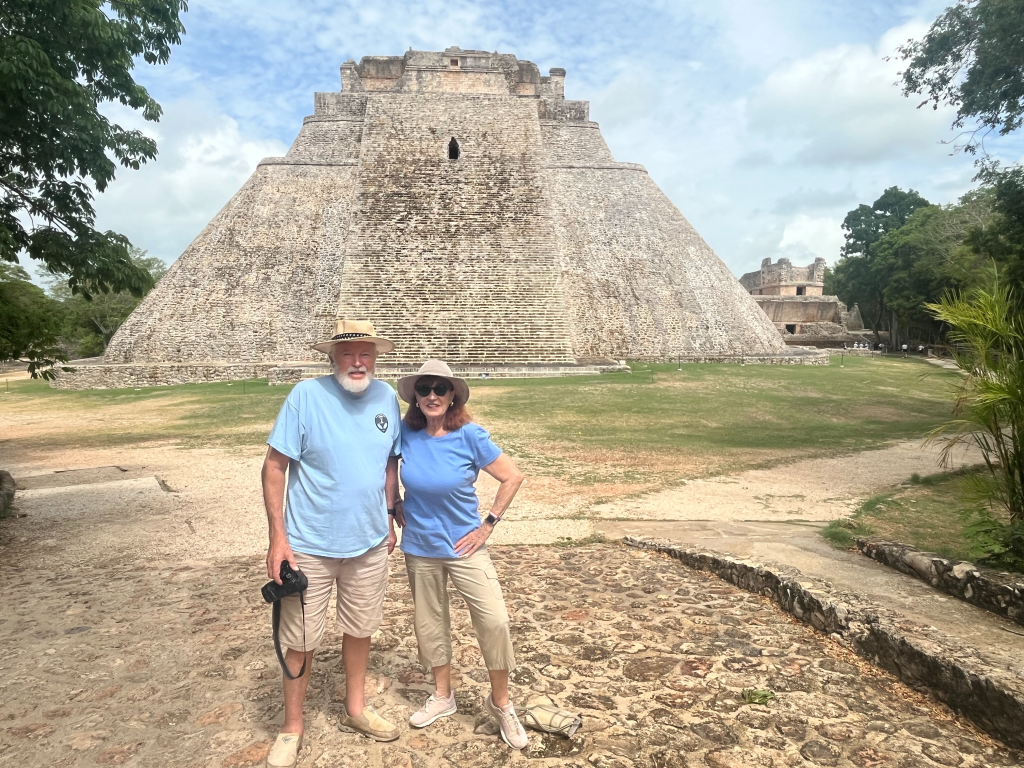
1. Pyramid of the Magician (Pirámide del Adivino):
o The tallest and most iconic structure at Uxmal.
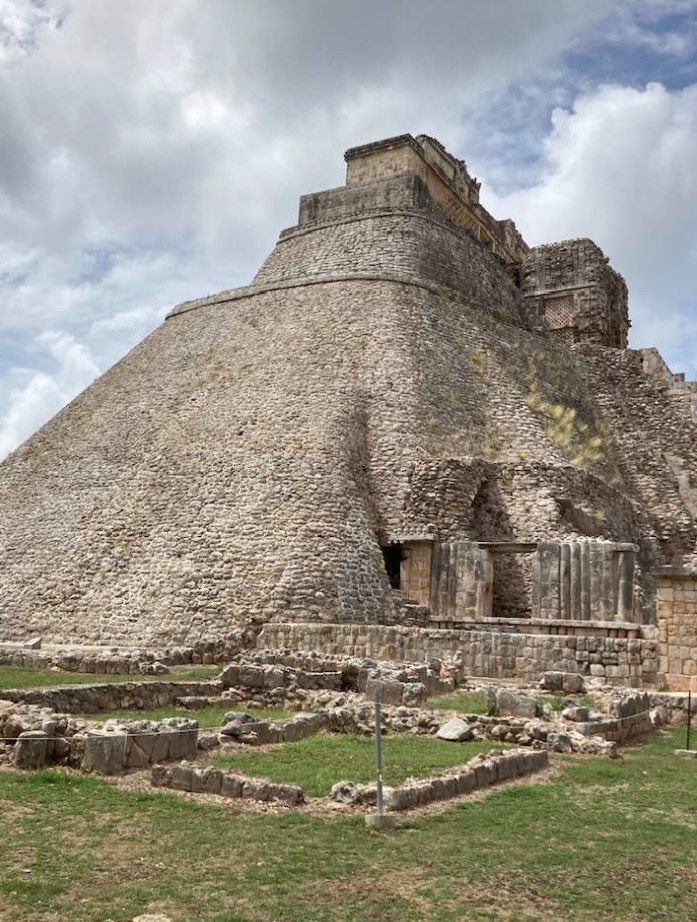
o Uniquely oval in shape with rounded corners — rare in Maya architecture.
o Legend says it was magically built in a single night by a dwarf-sorcerer.
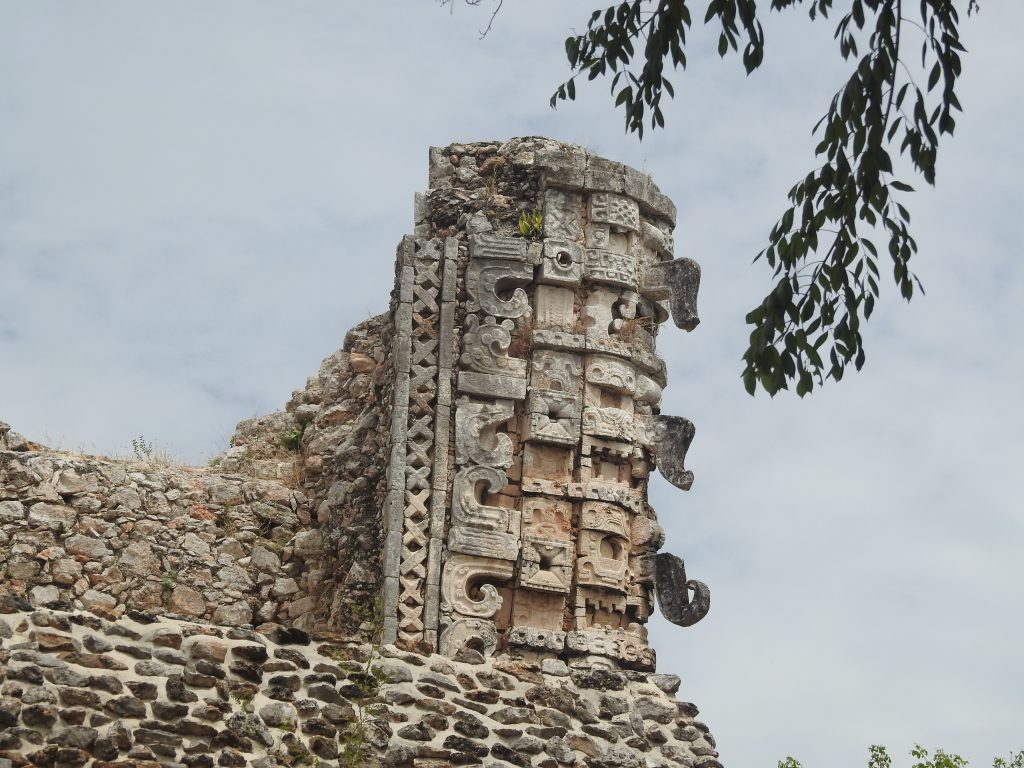
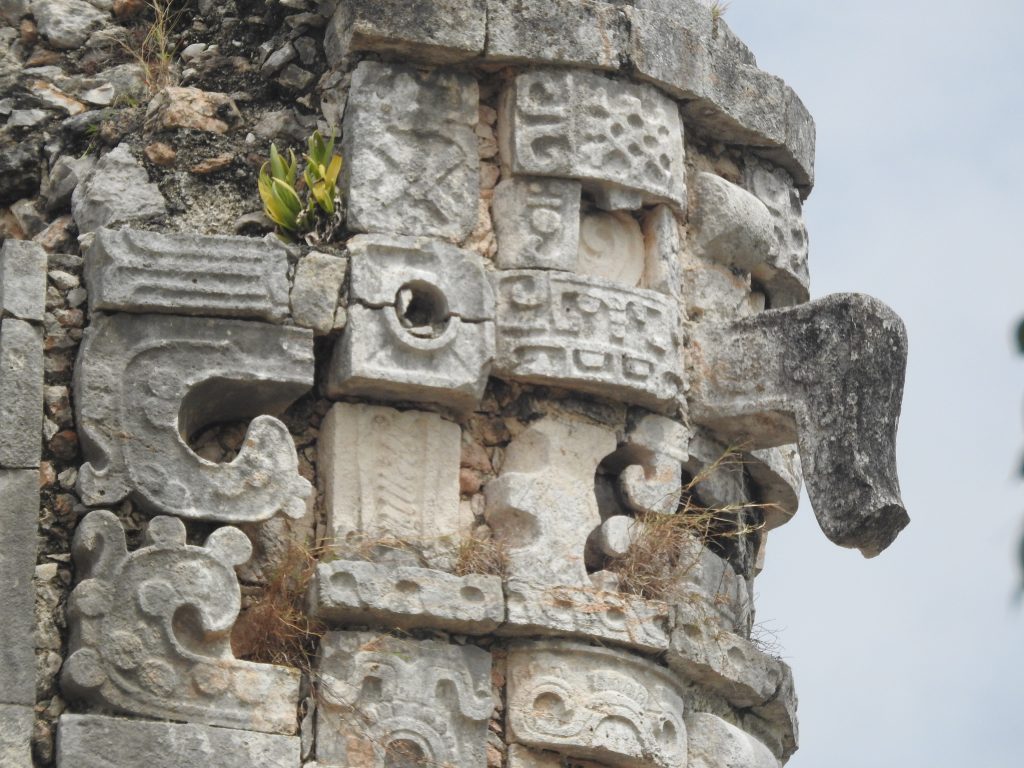
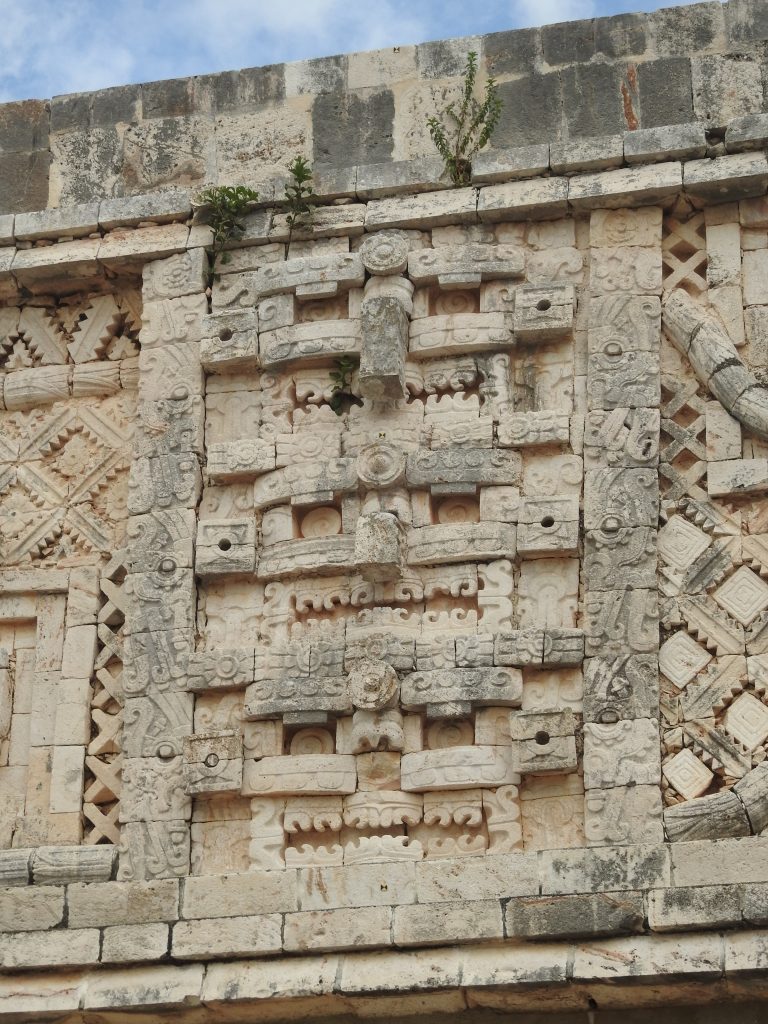
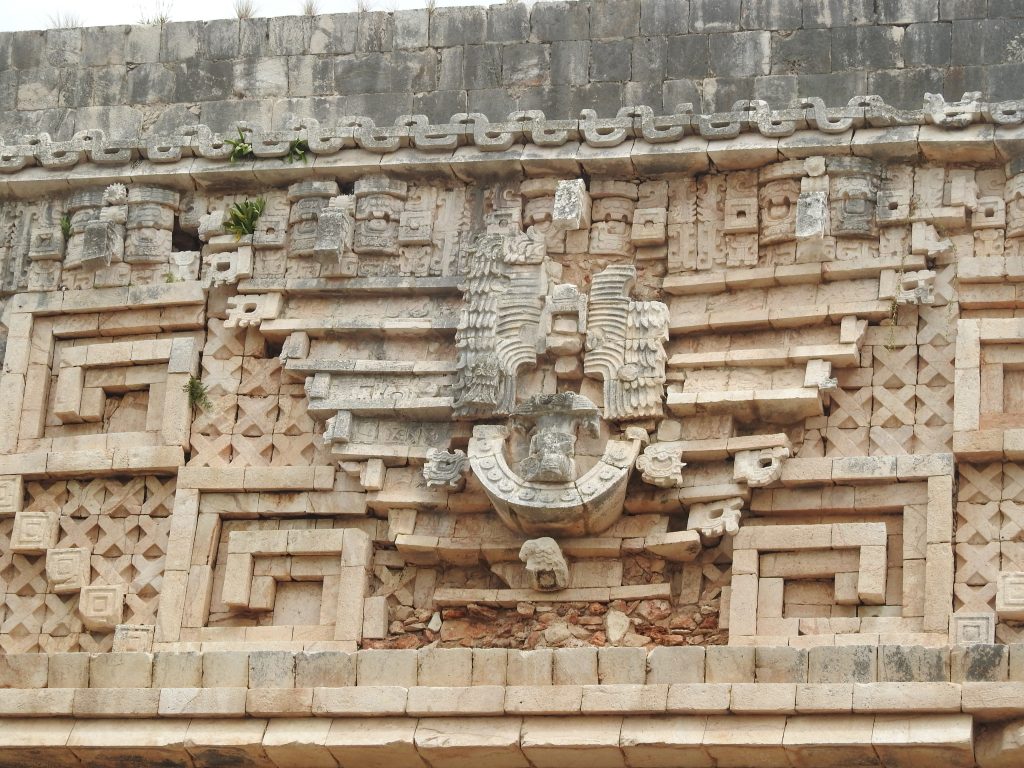
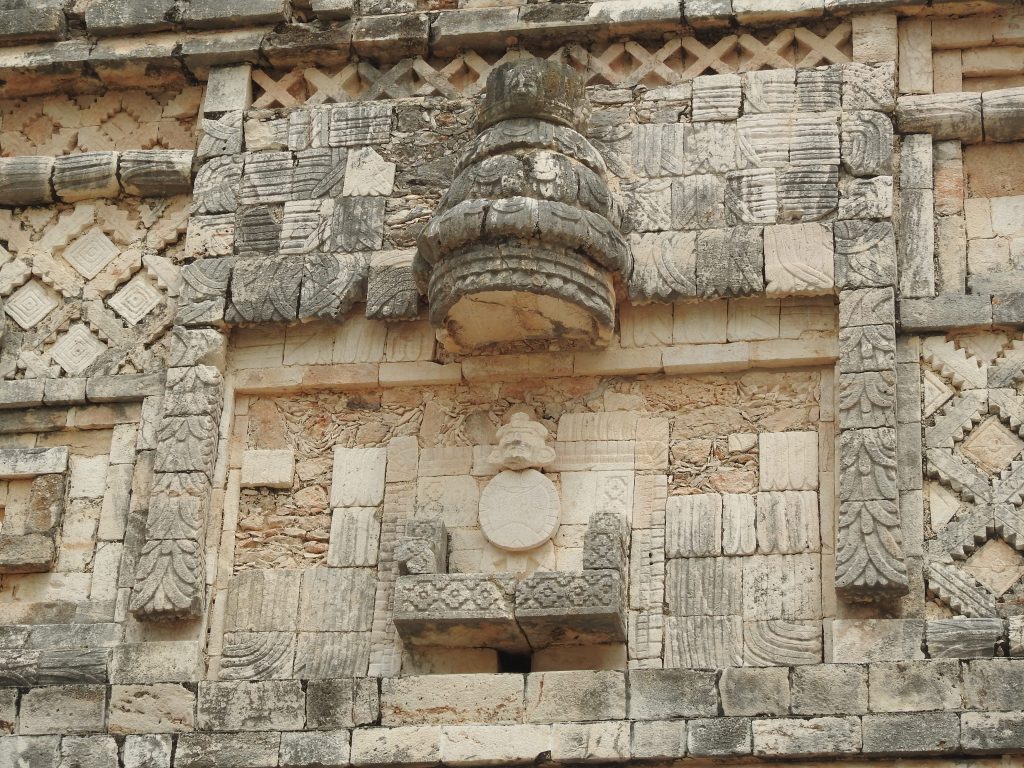
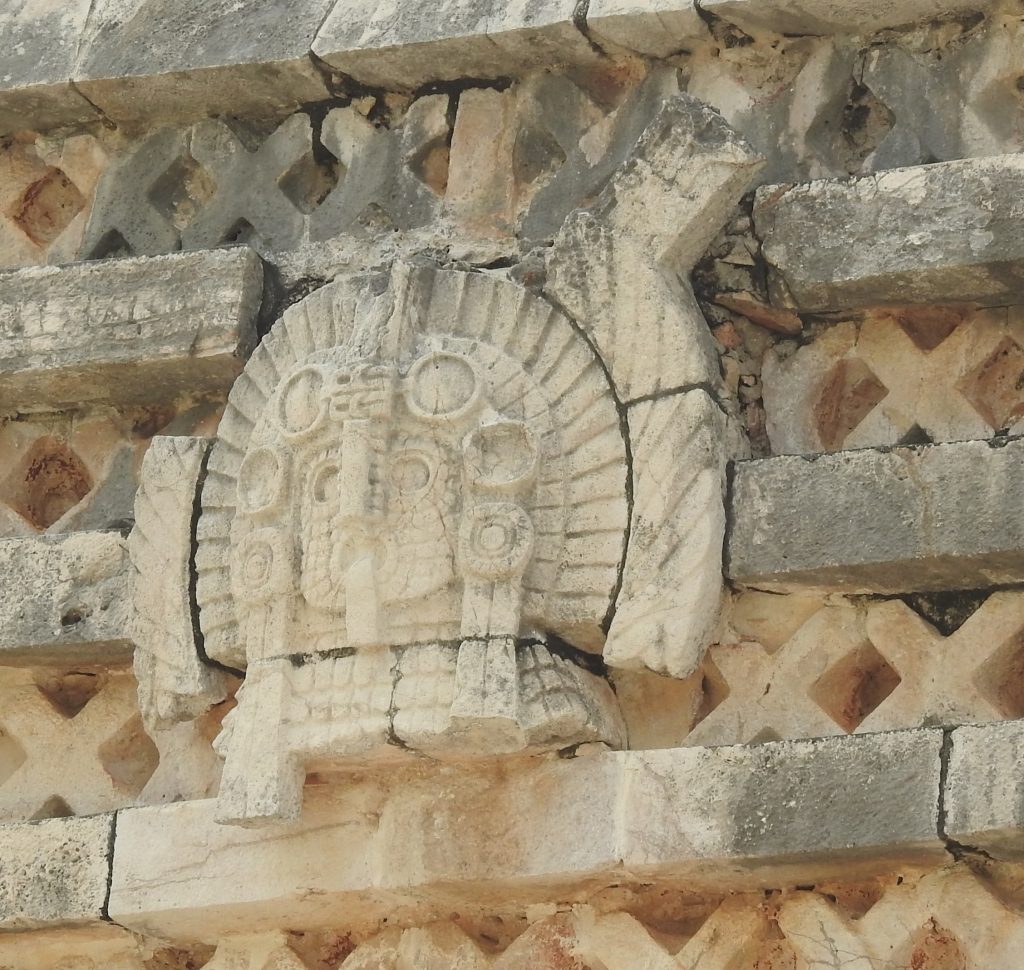
o Features intricate stonework and Chac masks (the Maya rain god).
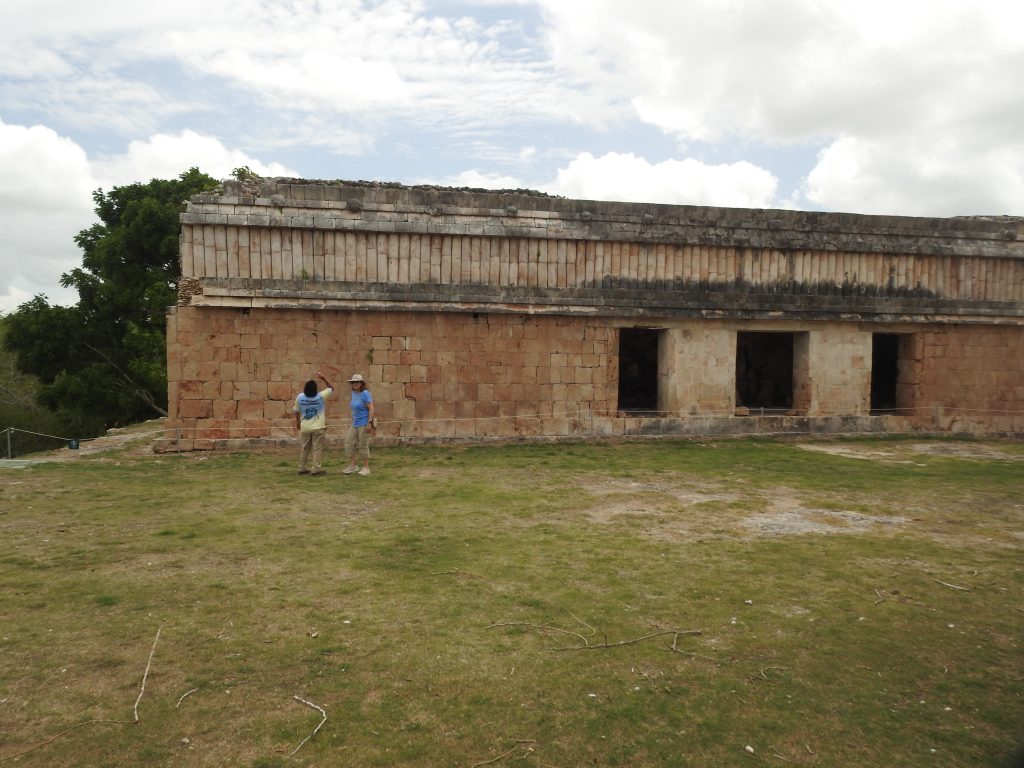
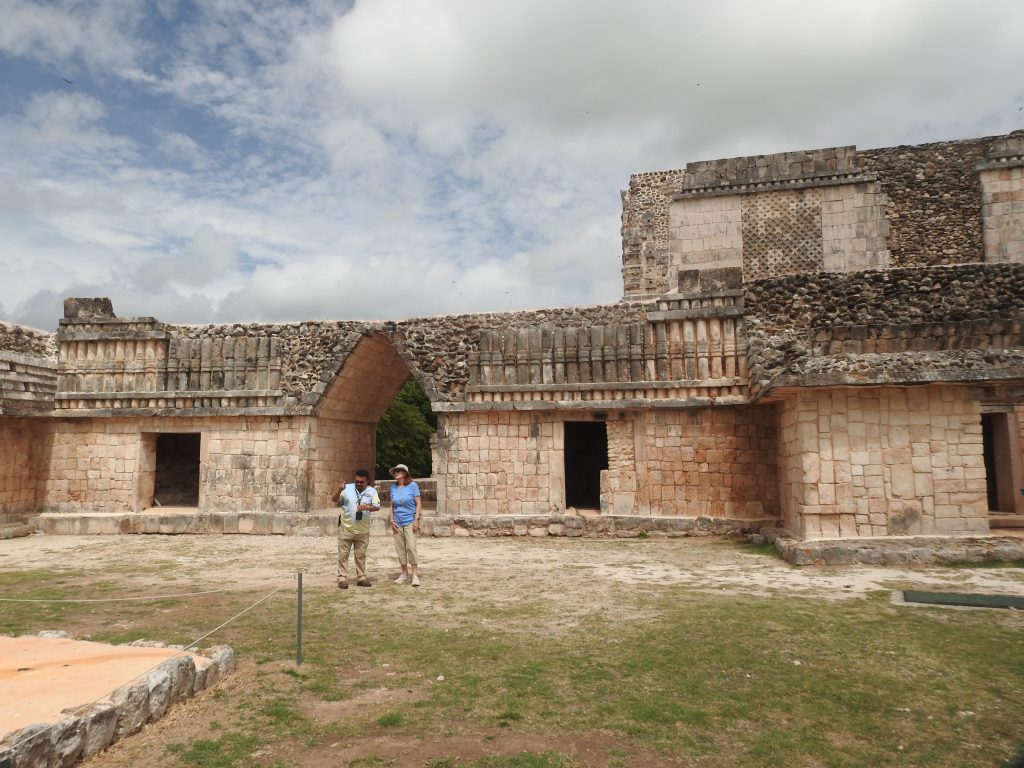
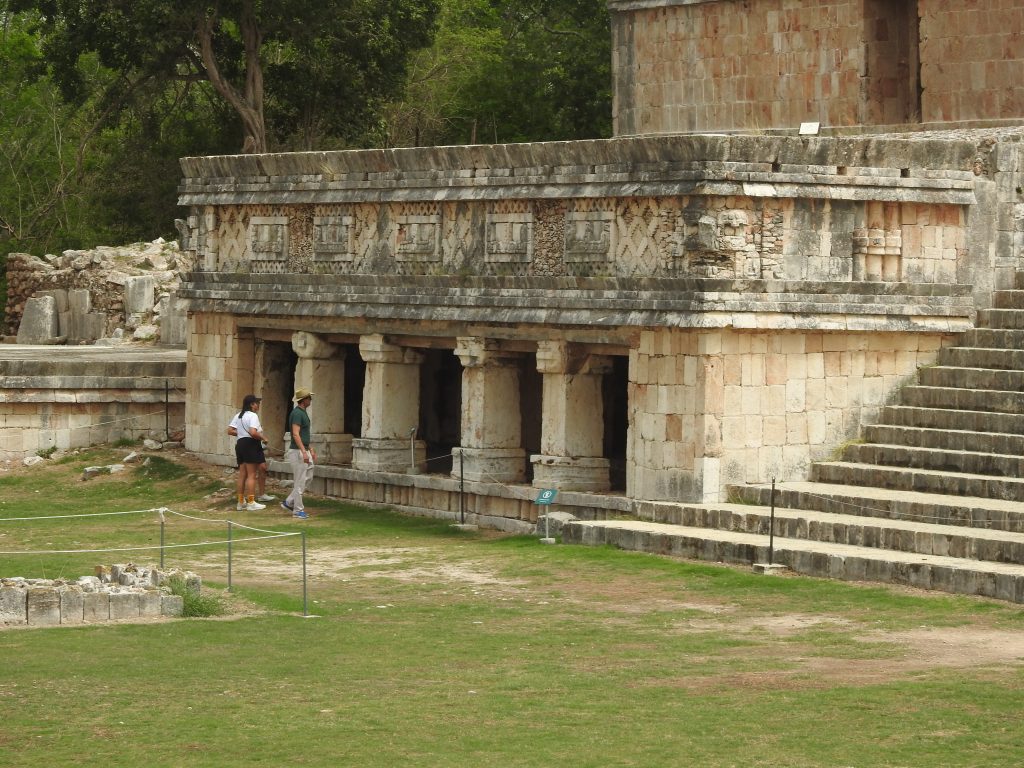
2. Nunnery Quadrangle:
o A large ceremonial complex with four buildings around a central courtyard.
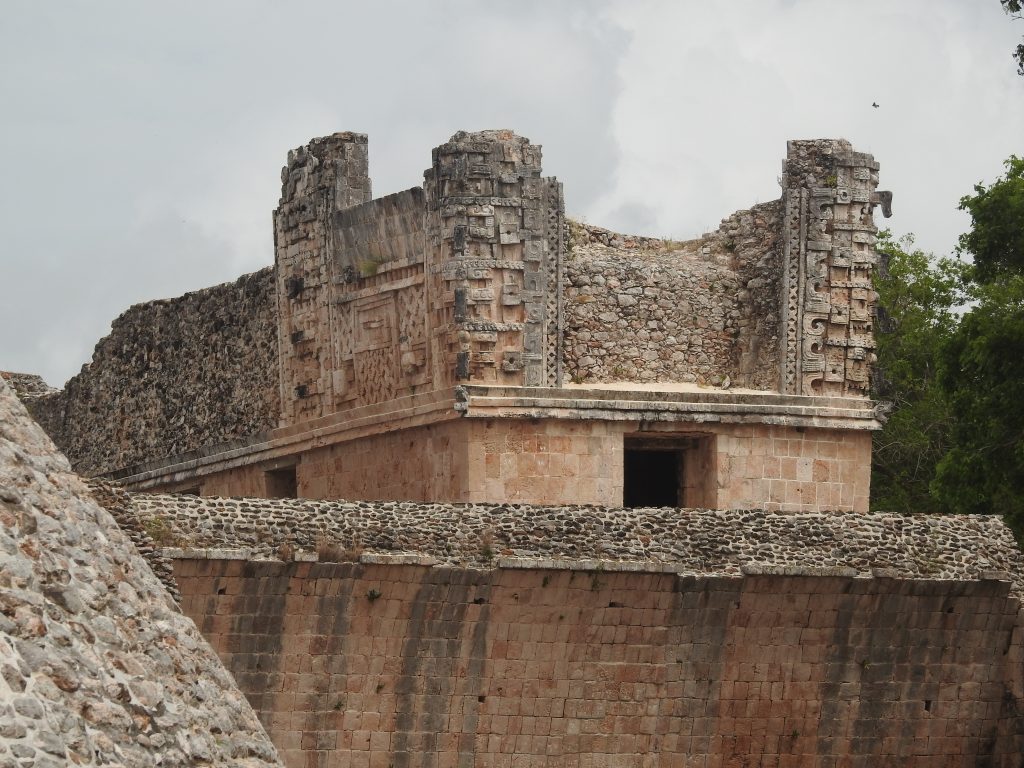
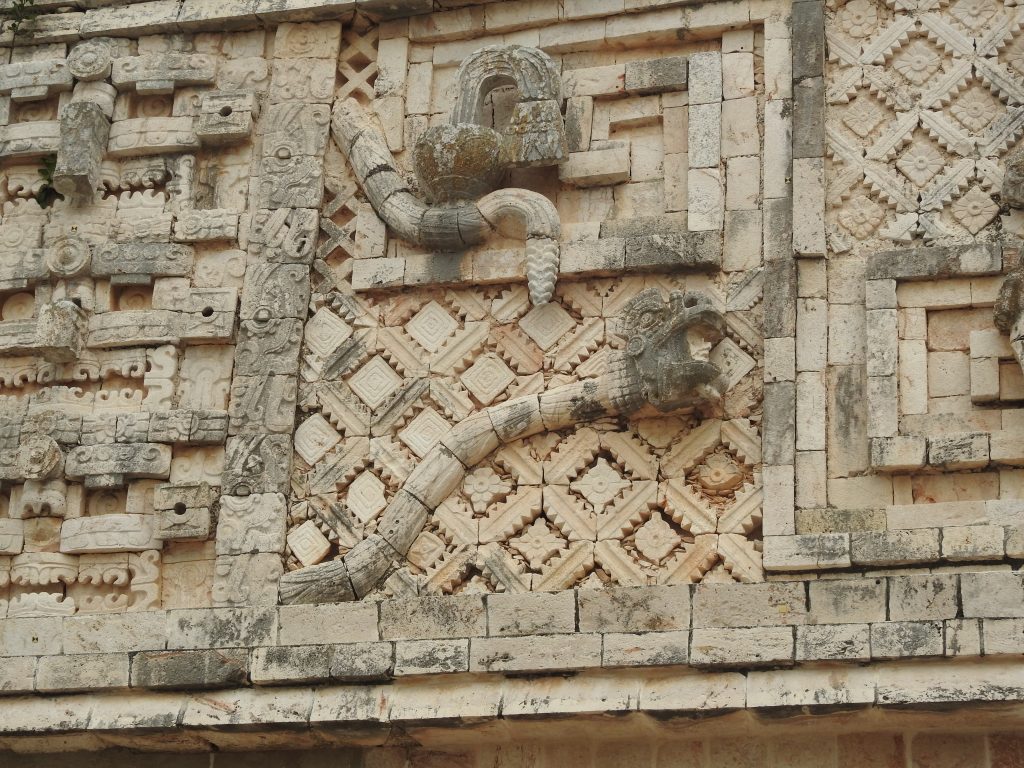
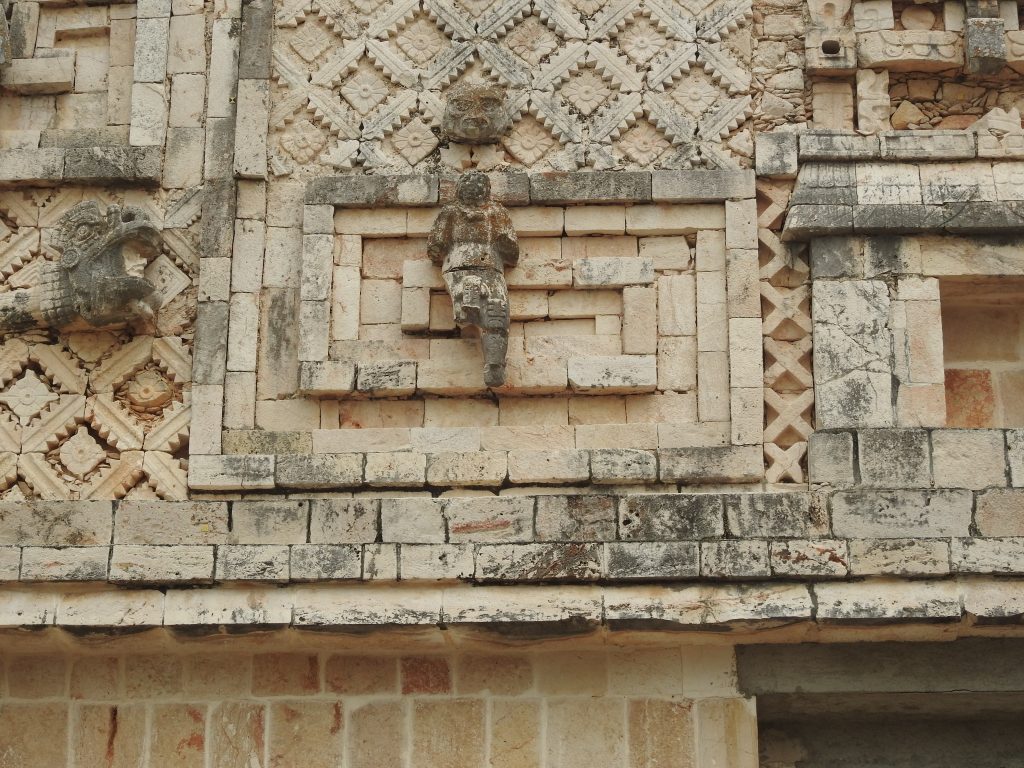
o The façades are richly decorated with geometric patterns, serpents, and deity masks.
o Thought to have served administrative or ceremonial purposes.
3. Governor’s Palace (Palacio del Gobernador):
o A long, low structure built on a platform with panoramic views.
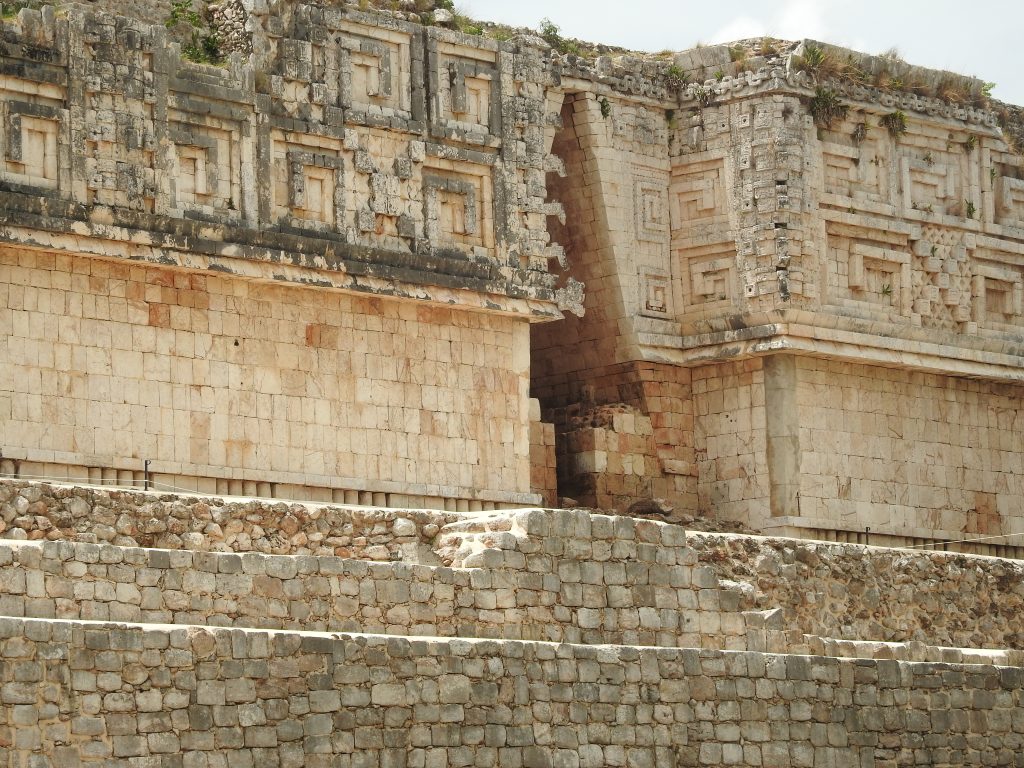
o Celebrated for its perfect symmetry and richly decorated frieze.
o Possibly used by rulers or astronomers; aligned with Venus cycles.
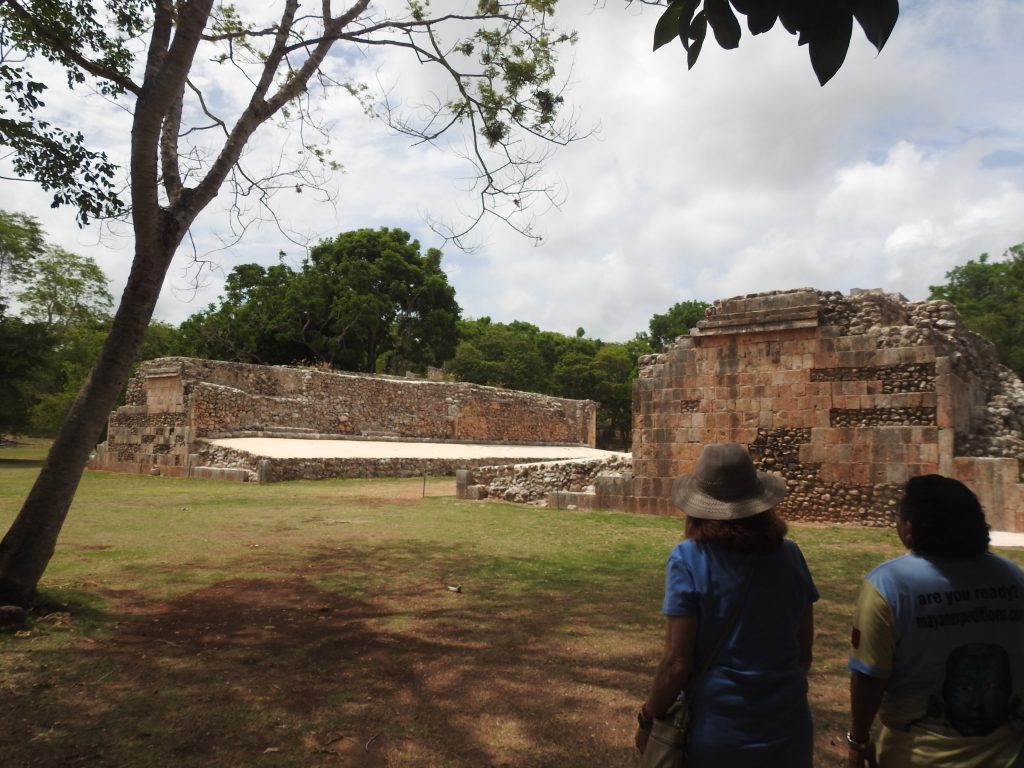
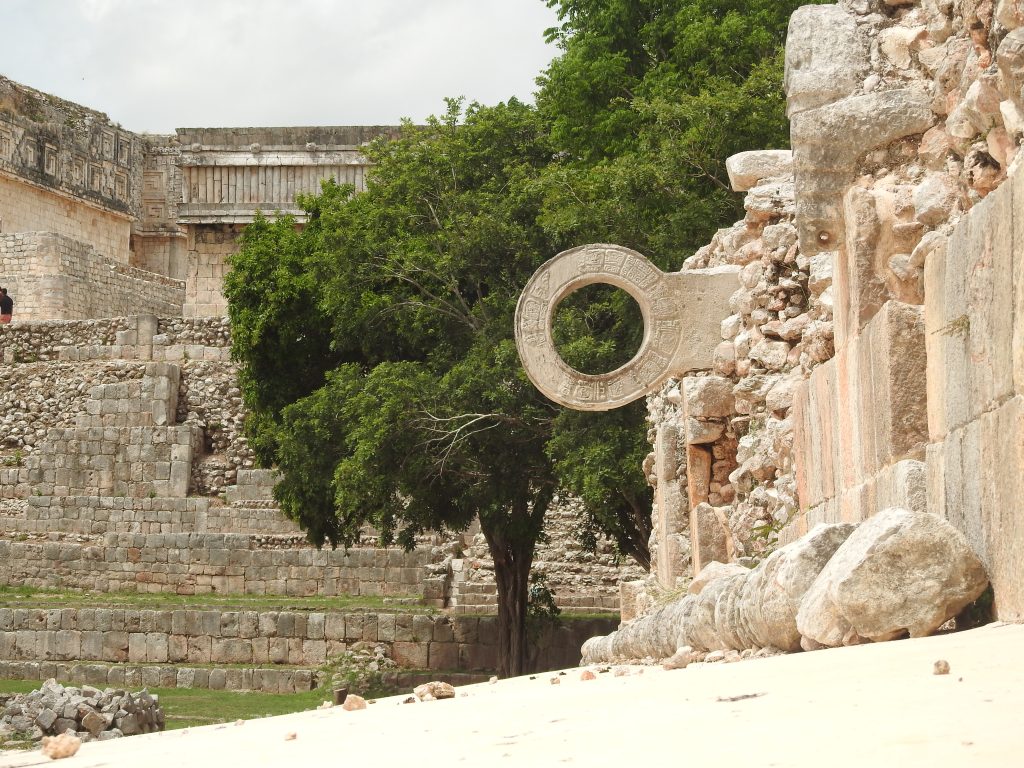
4. Ball Court and House of the Turtles:
o Standard features of Maya cities, beautifully integrated into the ceremonial layout.
o The House of the Turtles is named for its carved turtle motifs, possibly linked to rain and fertility rituals.
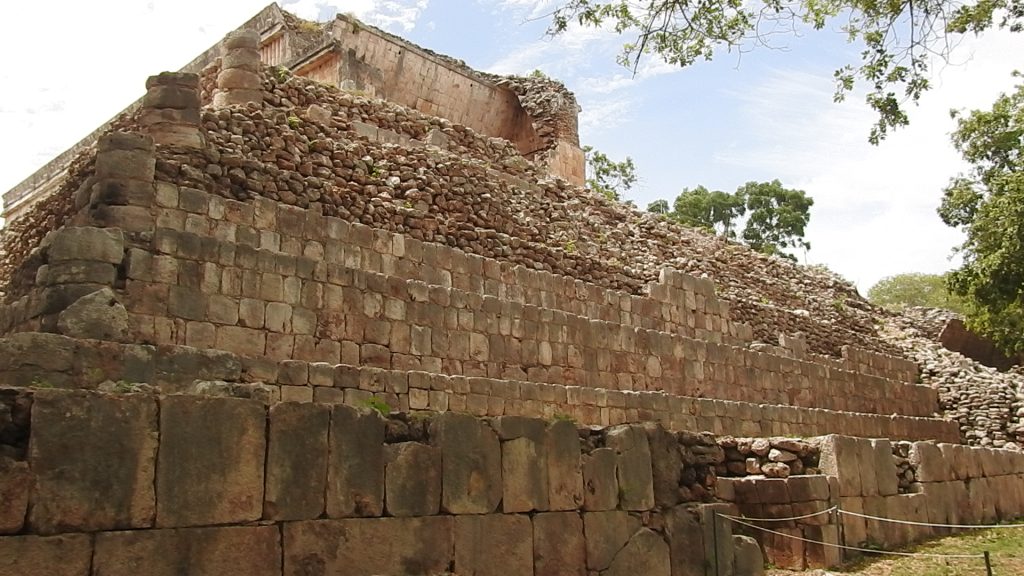
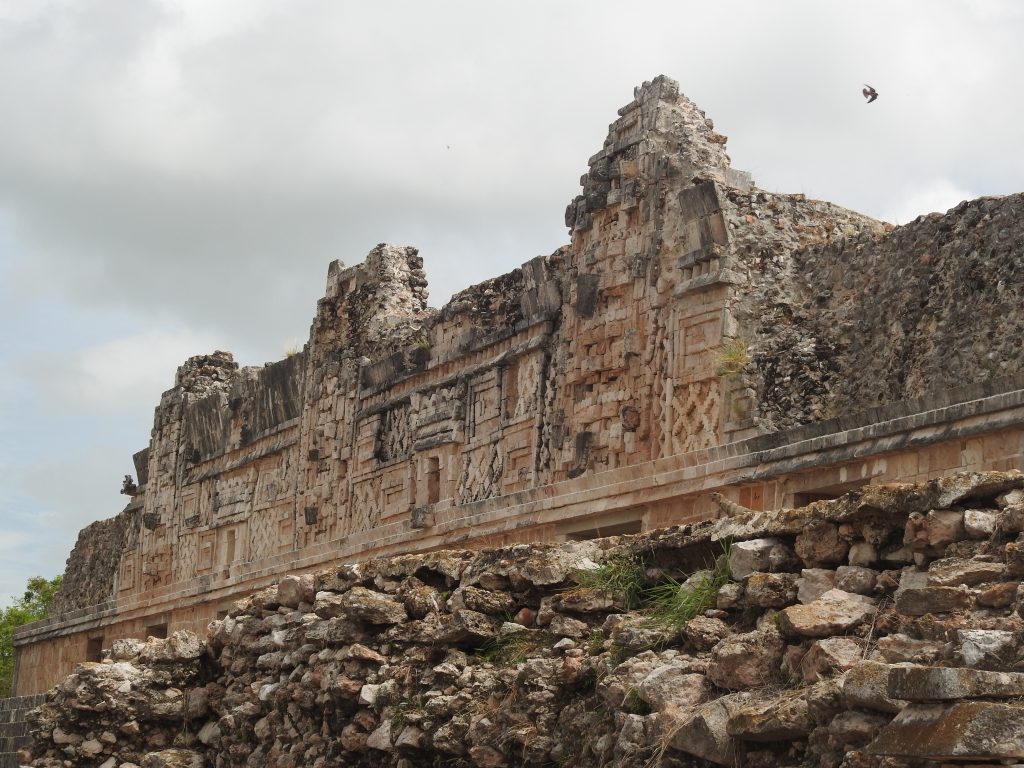
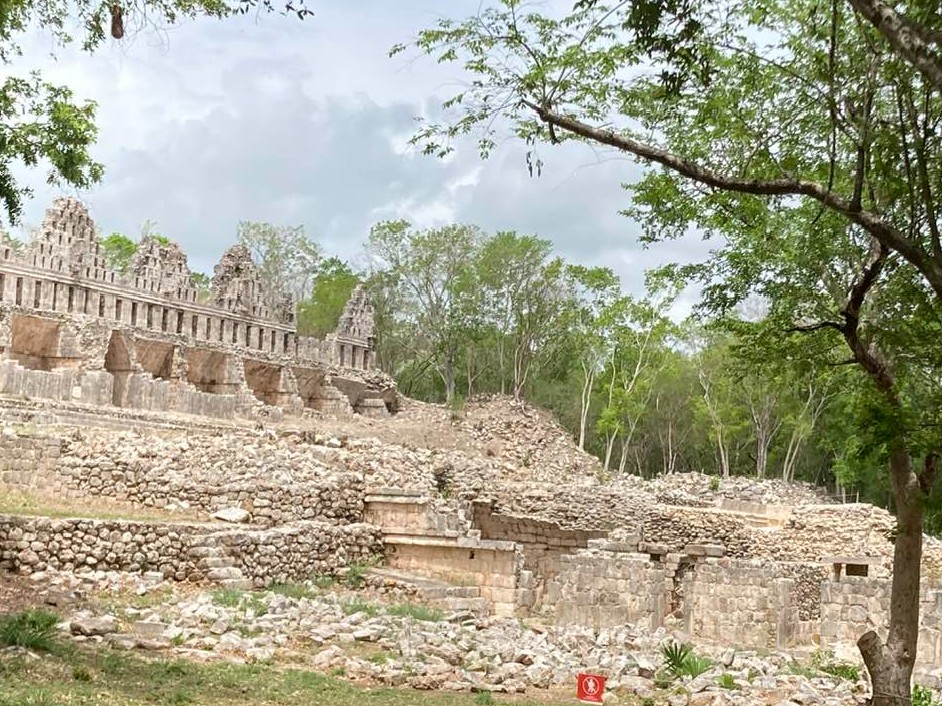
Uxmal (pronounced Oosh-mahl, meaning “Thrice Built” in Maya) is a UNESCO World Heritage Site located in the Puuc region of Yucatán, Mexico. It is widely considered one of the finest examples of Puuc architecture, known for its elaborate stone mosaics, smooth-walled buildings, and grand ceremonial layout. Parts of Uxmal (like all Maya sites) are still unrestored, meaning that even rock piles are interesting
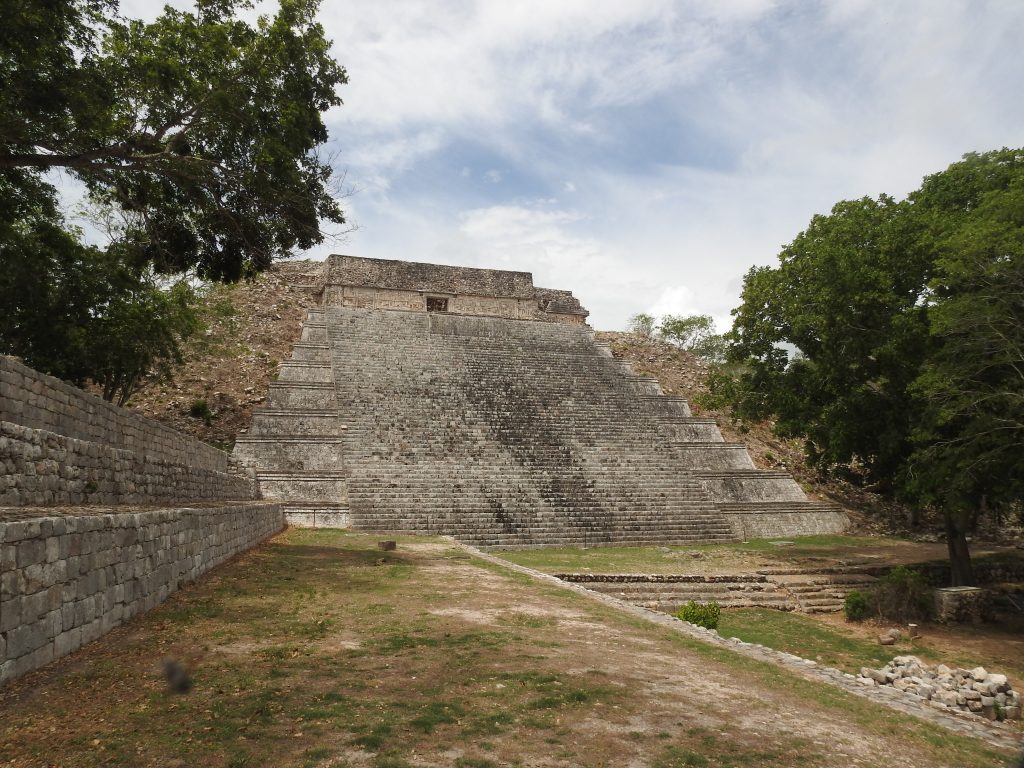
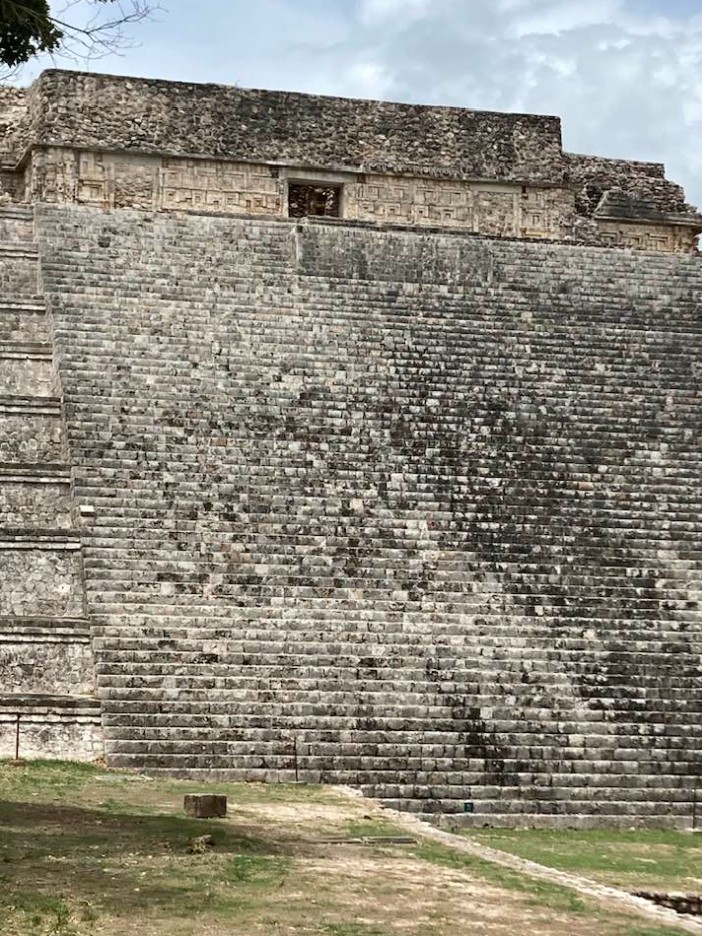
Pyramid of the Magician (Pirámide del Adivino):
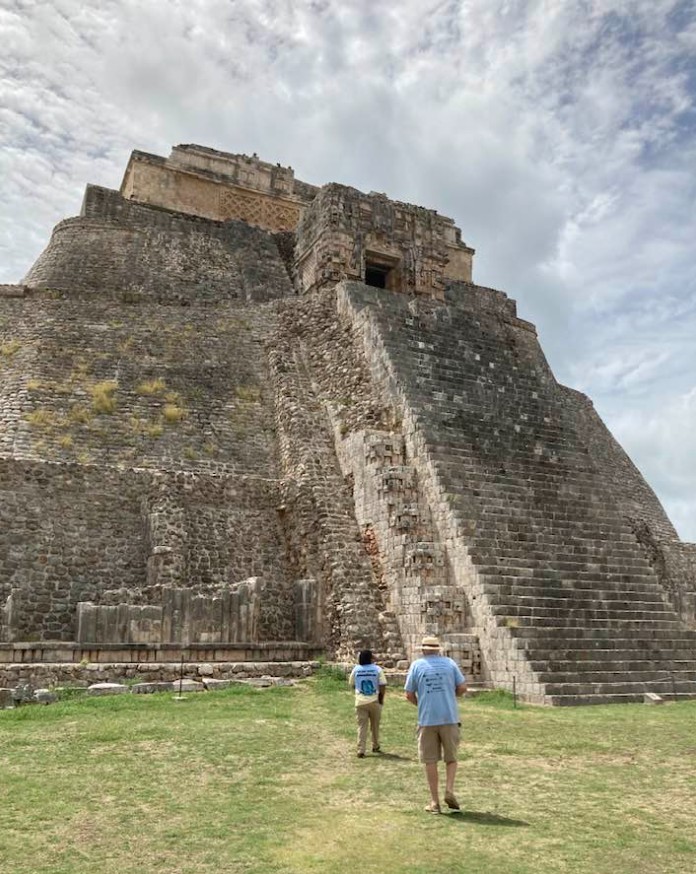
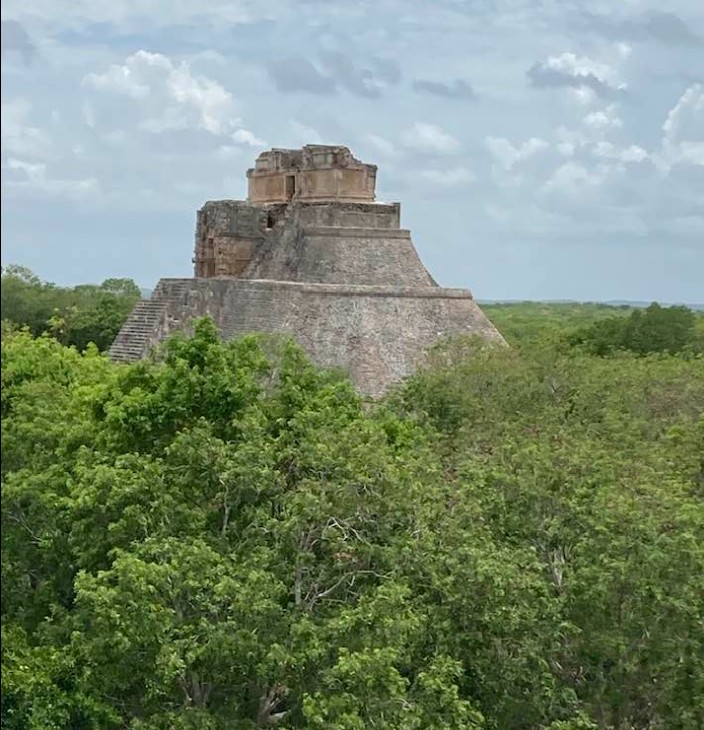
o The tallest (131 feet tall) and most iconic structure at Uxmal.
o Uniquely oval in shape with rounded corners — rare in Maya architecture.
o Legend says it was magically built in a single night by a dwarf-sorcerer.
o Features intricate stonework and Chac masks (the Maya rain god).
Despite all the ornate stonework✨, one of the most impressive architectural feats was the engineered echo. Standing in front of the main staircase, a hand clap reflects back as a mimicry of the quetzal bird, an animal sacred to the Maya.
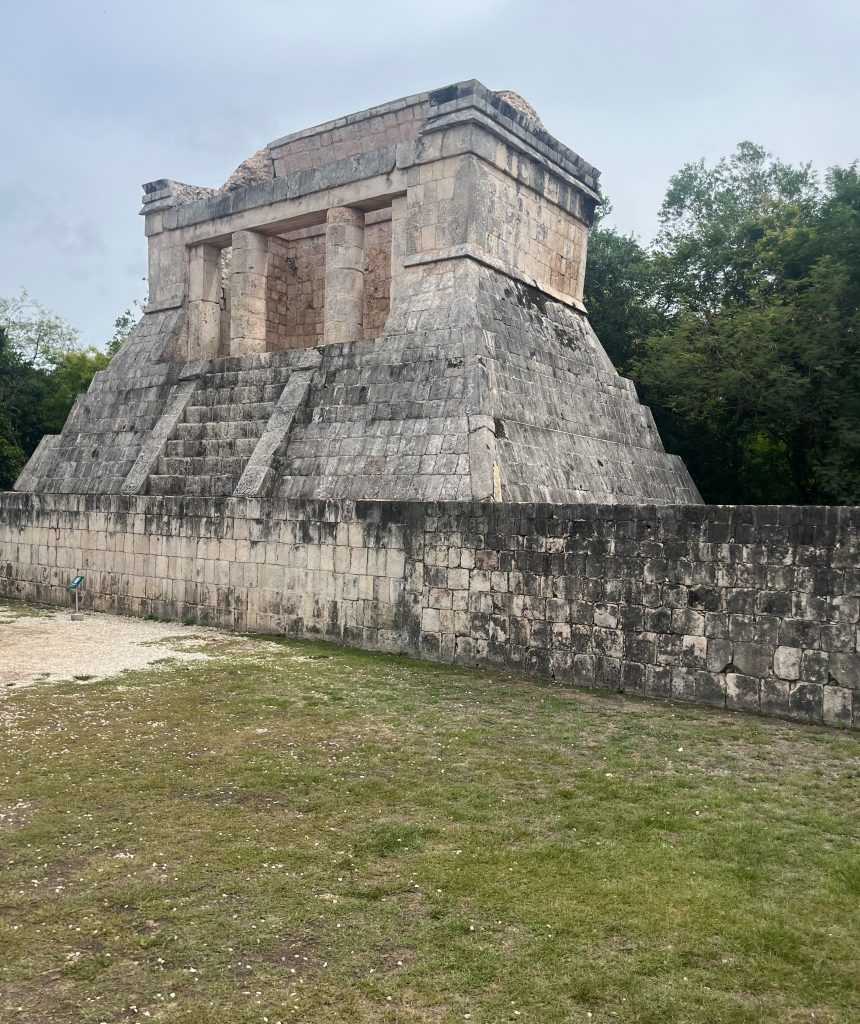
The temple gets its name from a strange bearded man who heads the scene. It is based on a wall of three stepped bodies that, together with the staircase that sits on a platform.
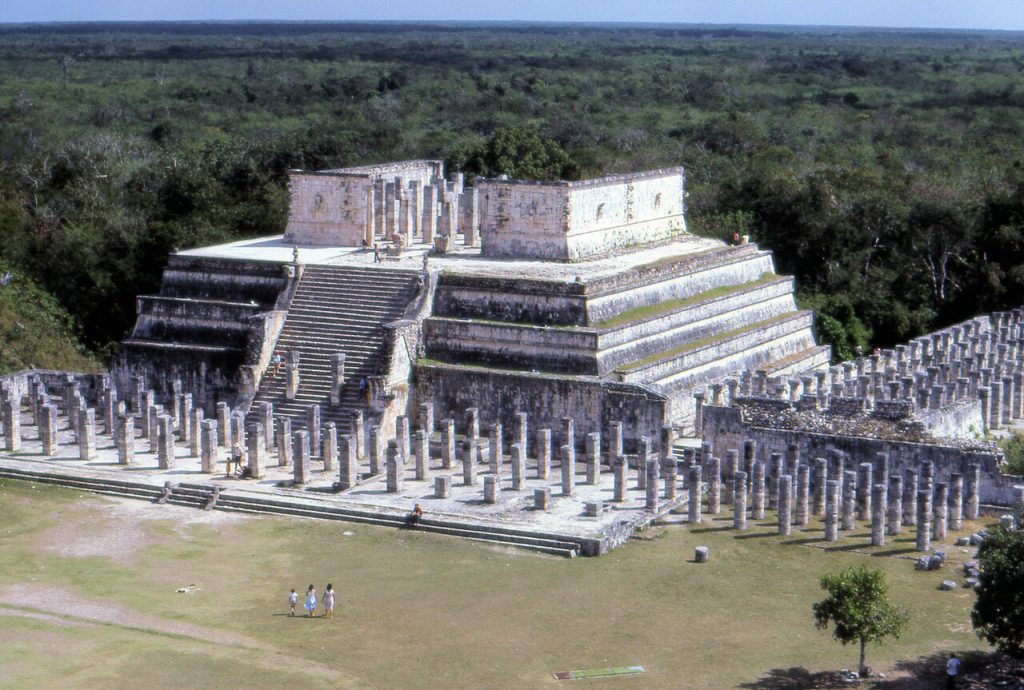
The effect of the Itza people and its religious ideas can be seen in this building, which was subsequently built into the Grand Ball Court, attaching to the north wall that enclosed it. It’s also known as the Grand Ball Court’s North Temple measuring 10 m long and 6 m wide, with slanted walls and a central staircase facing south. The Temple sits on top of a platform 14 m long and 8 m wide.
 Herrick Home Page