Edzná: The House of the Itzaes
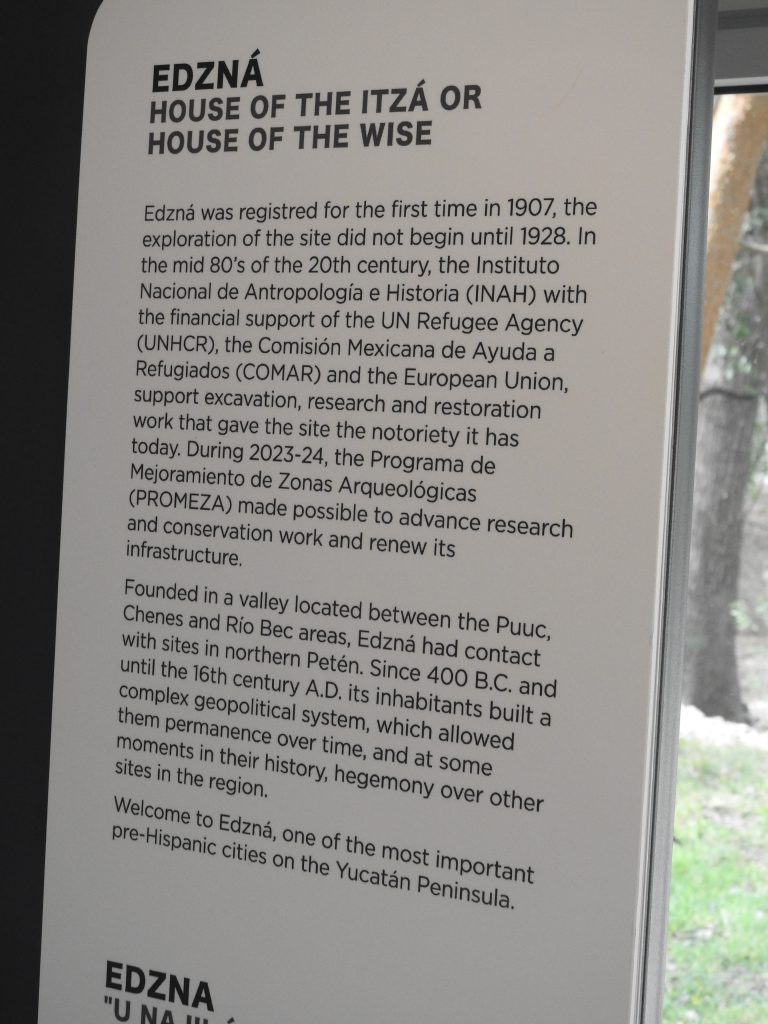
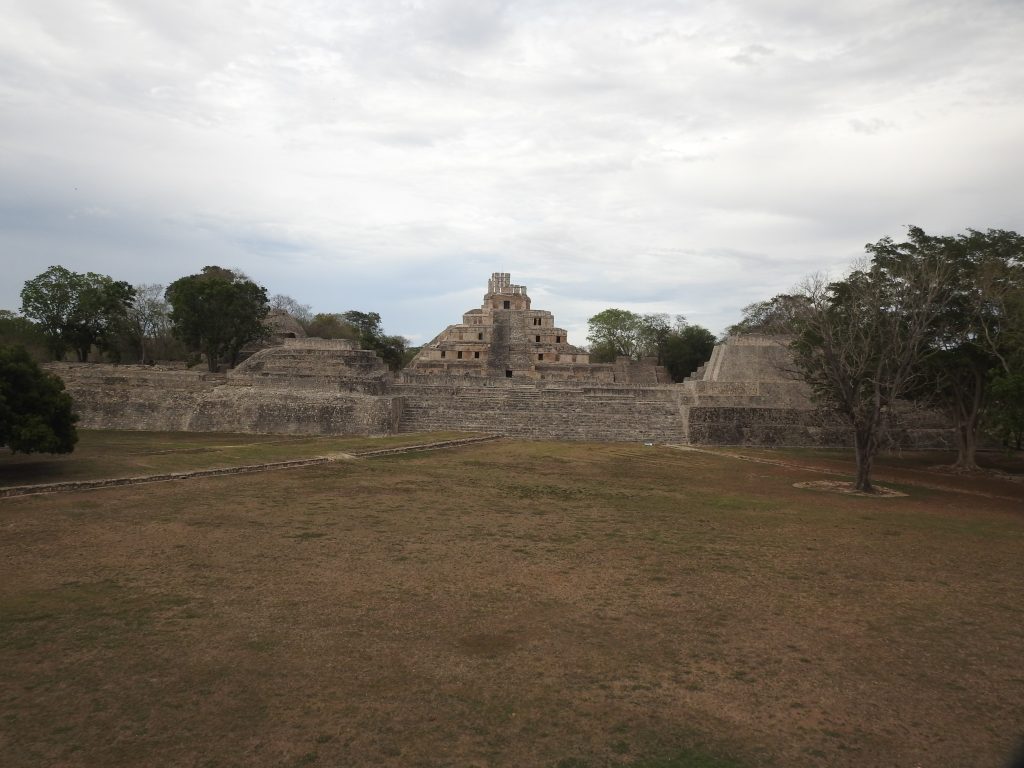
Edzná (from Ytzná, meaning “House of the Itzáes”) is a Maya archaeological site located in the Puuc region of Campeche, about 55 km southeast of the city of Campeche. It flourished as a political, economic, and ceremonial center, known for its engineering sophistication, unique layout, and distinctive multilevel pyramid.
Historical Highlights
First settled: Around 600 B.C.
Peak population: Between 600–900 A.D.
Abandoned gradually after 1000 A.D.
Edzná developed an advanced hydraulic system that
included canals, aqueducts, and reservoirs, helping it
thrive in a region with seasonal rainfall.
Key Features
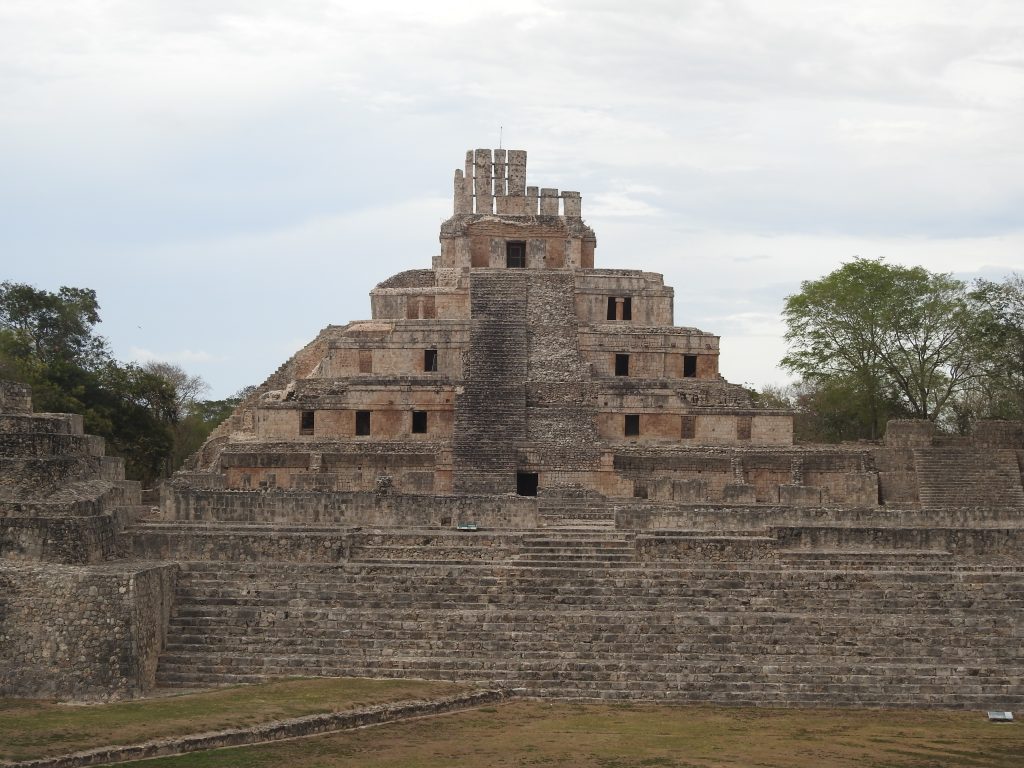
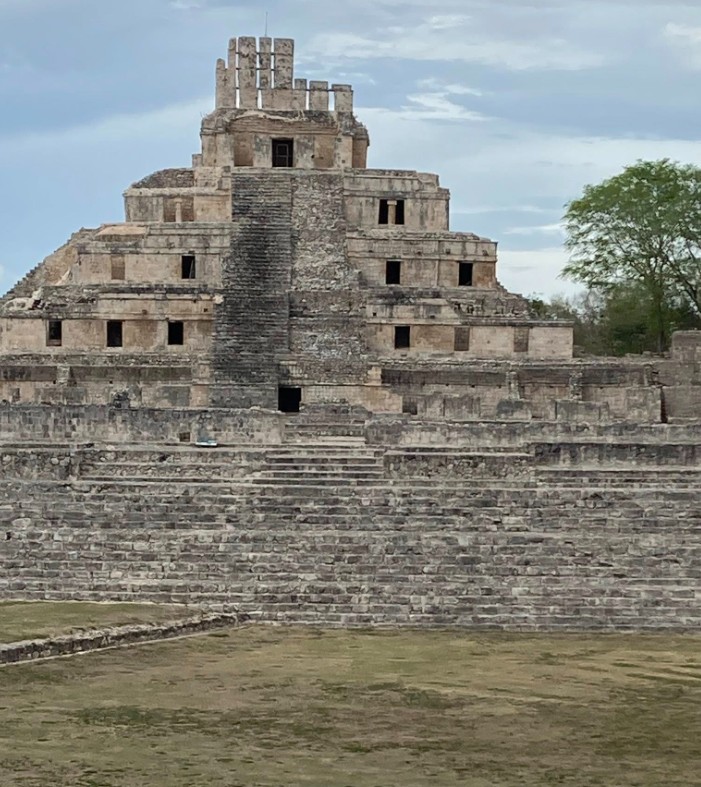
1. The Great Acropolis and the Five-Story Pyramid:
o Edzná’s most iconic structure, a five-tiered templepyramid
rising about 40 meters (130 feet) high.
o It’s unusual in that it combines architectural styles:
Puuc, Chenes, and early Classic Maya.
o Visitors can climb it for panoramic views of the
surrounding jungle.
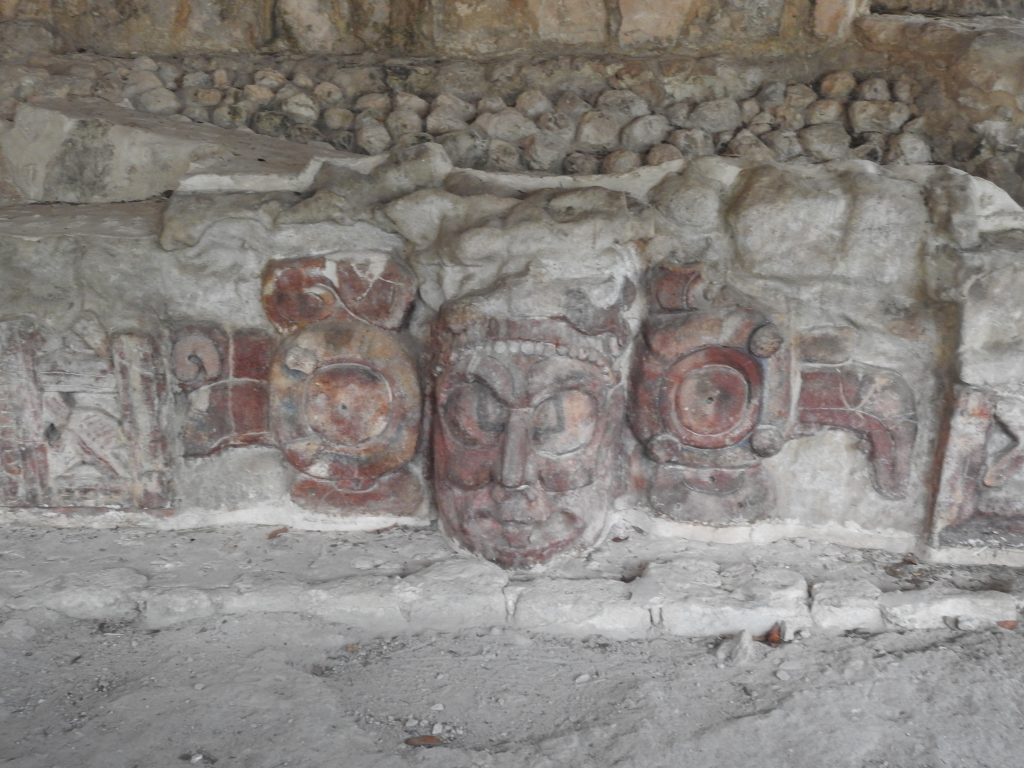
2. Temple of the Masks:
o Flanks the main pyramid; two masks at its base
represent the rising and setting sun, showing solar
and timekeeping symbolism.
3. The Ball Court:
A classic Mesoamerican feature used for ritual
ballgames with possible religious or political
symbolism.
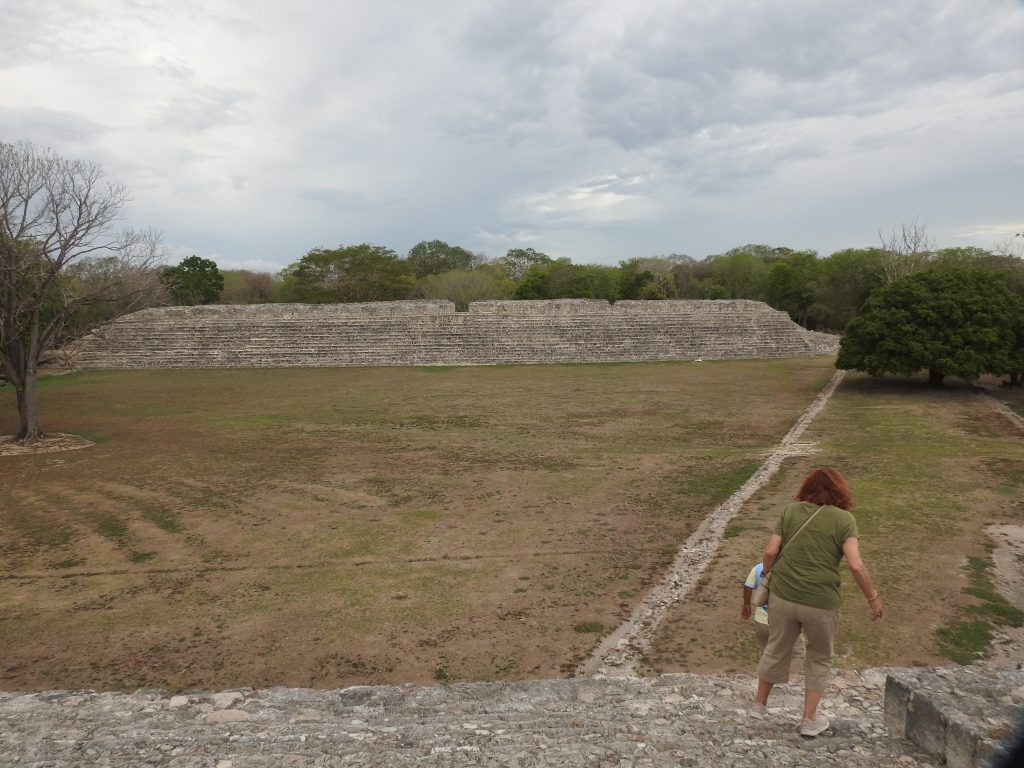
4. The Grand Plaza and Palace:
o Large public space surrounded by ceremonial and
administrative structures.
o The Palace includes many rooms and long
corridors, possibly for elite or religious leaders.
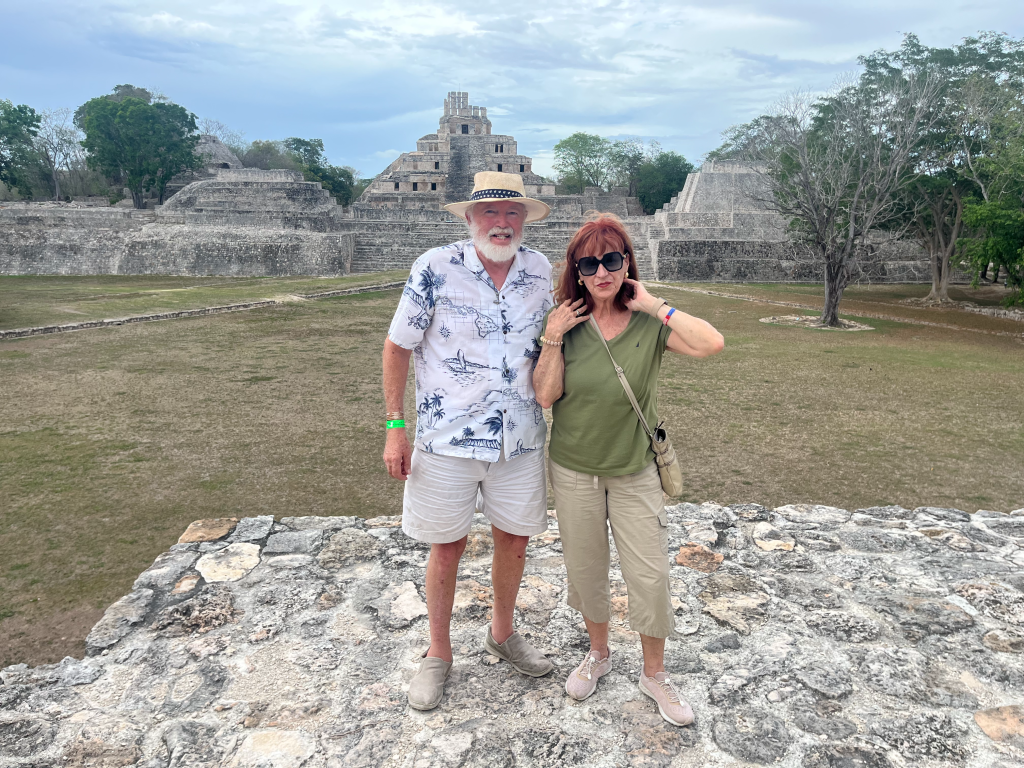
Surrounded by the lush tropical rainforest of Campeche lies the ancient city of Edzná, whose meaning in the Mayan language is “house of the Itzá,” in reference to one of the region’s ruling dynasties. This metropolis was characterized by its urban planning and impressive architecture, with notable buildings such as the Great Acropolis, the Temple of the Masks, and the Five-Story Building.
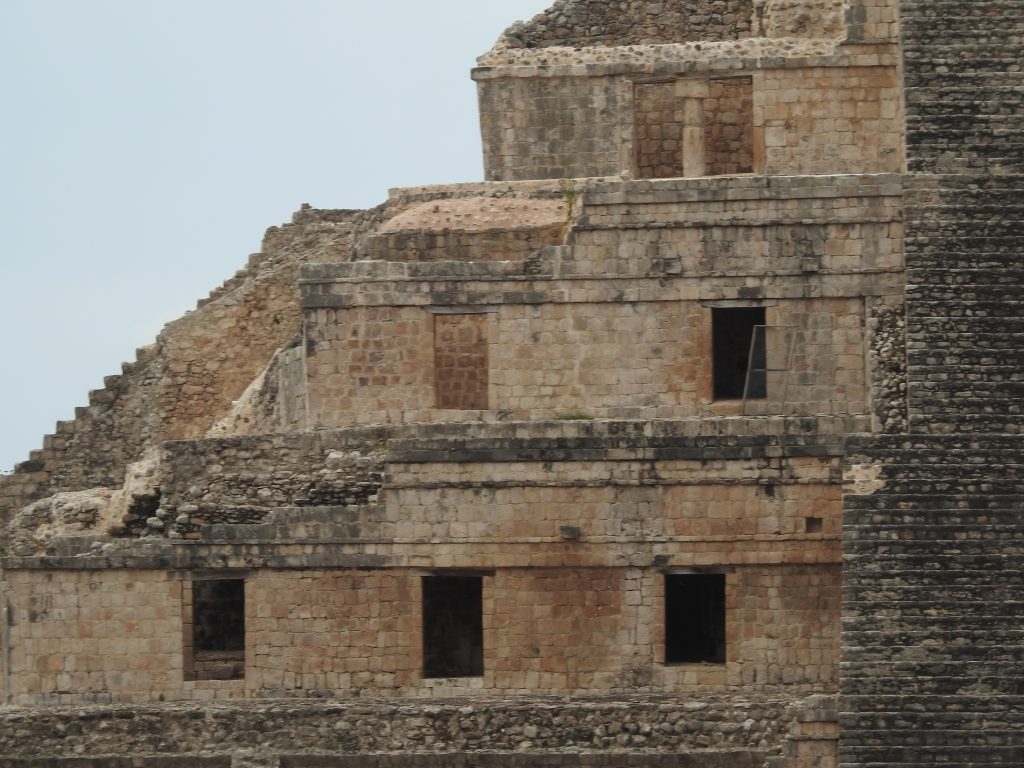
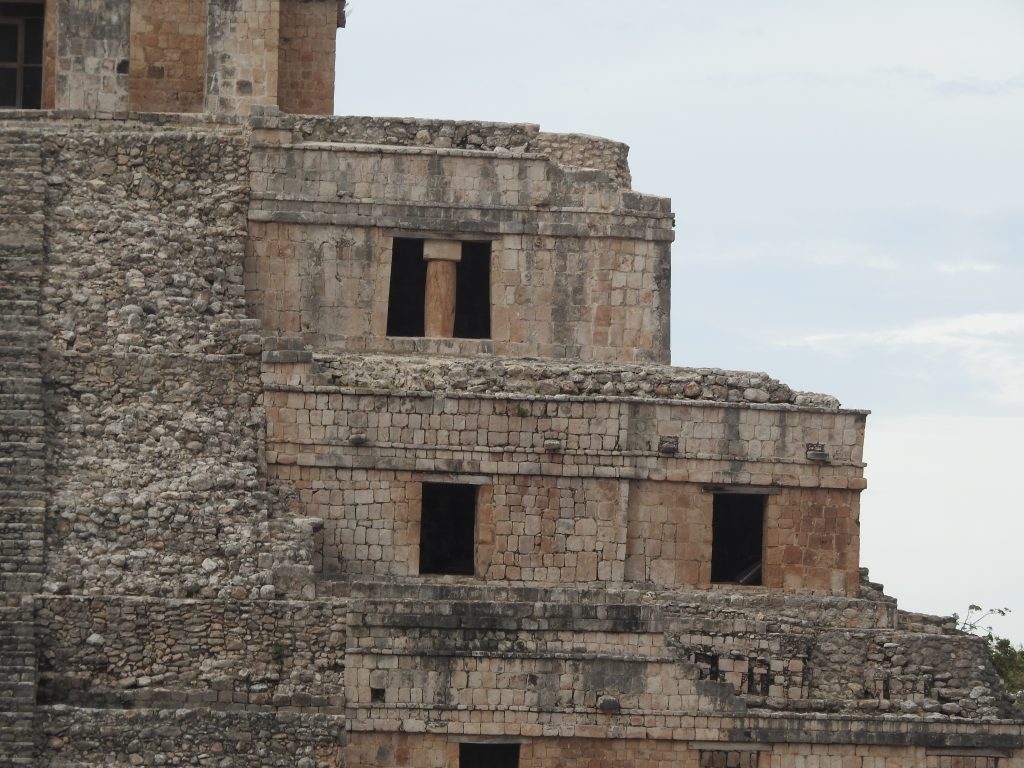
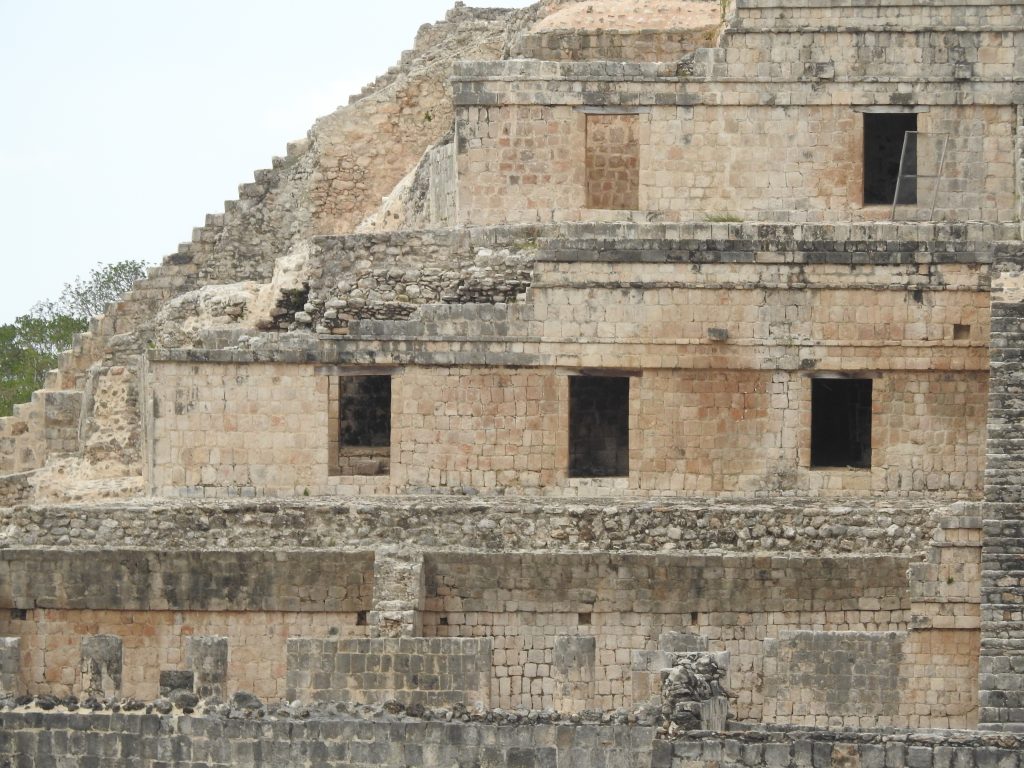
This latter is undoubtedly one of the most prominent structures in the archaeological zone, named for the five levels visible on its west side, each containing vaulted chambers. The appearance of this temple changed over time, as the original was partially demolished to construct a crested one; its north side displays Petén-style architecture, which was covered with wide convex slopes during the Late Classic period; while blocks with hieroglyphics can be seen at its base.








 Herrick Home Page