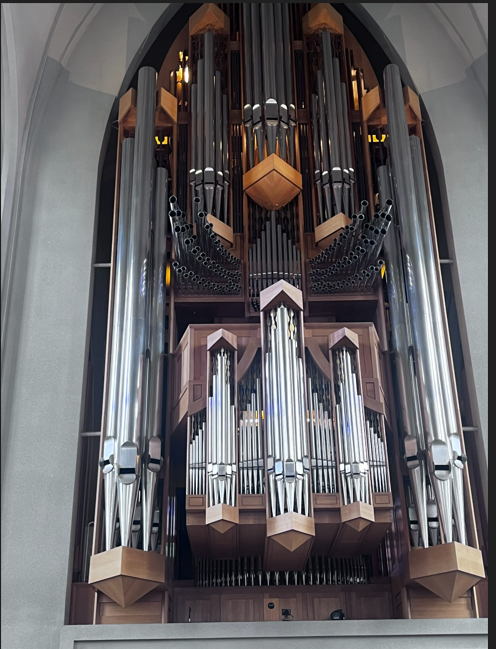
An organ with 5,275 pipes is considered a large, multi-division instrument. It sits firmly in the upper echelon of pipe organs worldwide, offering a vast array of tonal colors, without reaching the unmanageable scale of the world’s absolute largest mega-organs.
How it Compares
Average Church/Concert Organs: A standard parish or small concert organ typically features between 1,000 to 3,000 pipes. An instrument with 5,275 pipes has significantly more sonic versatility, easily filling large cathedrals or concert halls with immense volume.
Famous Landmarks: For context, this places it in the same league as major institutional instruments. For instance, the famous organ at Duke University Chapel in Durham, North Carolina, contains approximately 5,200 pipes.
The “Mega-Organ” Giants: While 5,275 pipes is massive, the world’s largest instruments operate on an entirely different scale. The world record holder—the Boardwalk Hall Auditorium Organ in Atlantic City, New Jersey—has over 33,000 pipes. Similarly, the Wanamaker Grand Court Organ in Philadelphia features about 28,750 pipes.
Understanding Organ Size
In organ building, size isn’t just about the sheer number of pipes, but the number of “ranks” (a set of 61 pipes that produces a single, specific timbre across the keyboard). An organ with 5,275 pipes usually translates to around 80 to 100 independent ranks. This allows the organist to create a staggering variety of combinations, imitating everything from soft flutes to booming brass.
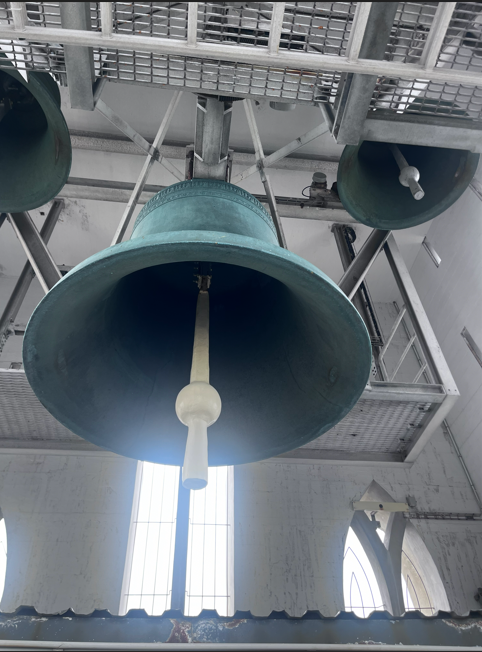
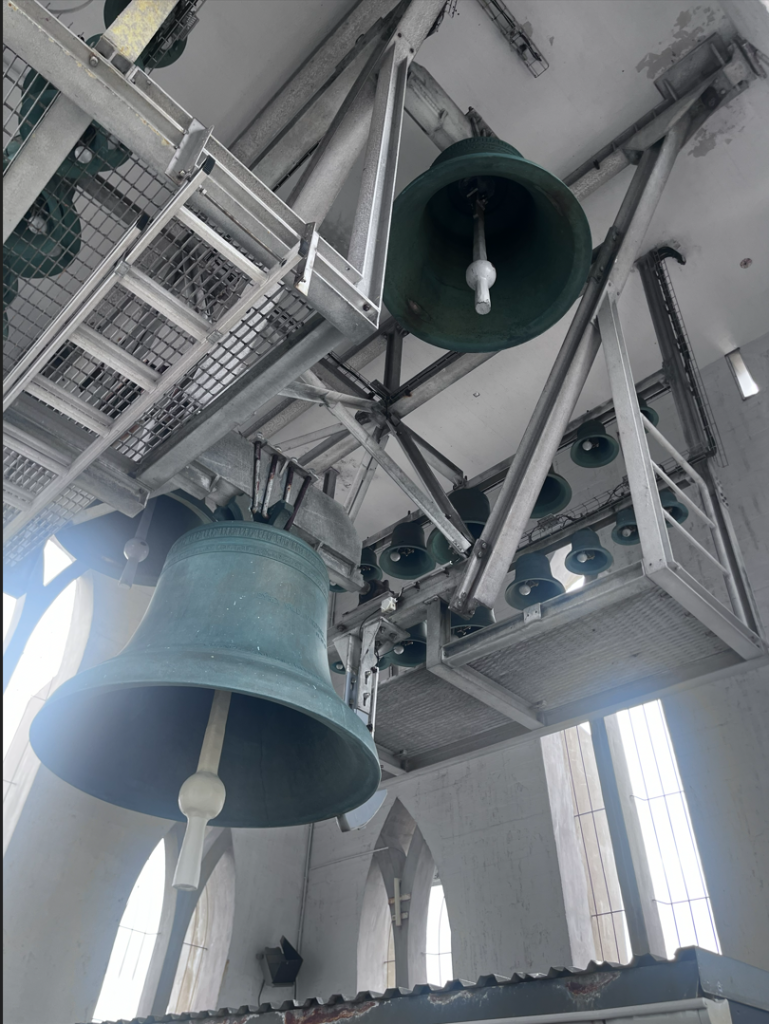
There are 32 total bells housed inside the iconic bell tower of Hallgrímskirkja in Reykjavík, Iceland.
The tower’s acoustic system is split into two distinct parts:
The 3 Great Bells: These are the large, traditional swinging church bells. They are named after the famous Icelandic poet Hallgrímur Pétursson, his wife Guðríður, and their daughter Steinunn. The largest of these three, Hallgrímur, tolls on the hour.
The Carillon: A musical instrument consists of 29 smaller bells configured to a mechanical keyboard console. Installed as the first carillon system in Iceland, it plays melodic chimes automatically every 15 minutes between 9 AM and 9 PM.
We hiked back to the hotel, picked up our stuff, took a cab to the Bus Stop, then rode a bus for an hour ride to the airport, then a 7 1/2 hour flight home.
A wonderful trip!



















 Herrick Home Page