3,600 years ago, in the place where Santorini archipelago is located today, a devastating volcanic explosion occurred. This eruption sank most of the land where the Greek islands are now located and killed over 35,000 people and the thriving Minoan civilization.
Santorini has often been connected with Atlantis, the legendary continent that plunged to the bottom of the sea while it was at its zenith. The mystery surrounding the destruction of the one, and the disappearance of the other has preoccupied scientists for generations.
The starting points for the debate about Atlantis are the references to be found in Plato’s dialogues ‘Timaeus’ (21E-25D) and ‘Critias’ (108E-121C). According to the account given in the former, Athenian lawyer Solon visited Egypt (590 BC) where he was told the story of Atlantis by a priest at Sais: “a great and wonderful state which ruled over the other islands” which owed its power to the civilization that had evolved there.
The kingdom consisted of two islands, the ‘larger’ and the ‘smaller’, and there were ten cities. Of these only two were mentioned specifically, the ‘Metropolis’ and the ‘Royal City’.
The people of Atlantis launched an attack on Athens 900 years before Solon had talked to the priest. But the Athenians defeated them and liberated all the lands that Atlantis had conquered.
Later Atlantis suffered a terrible earthquake and a flood, sinking in its entirety into the sea. Finds from the excavations at Akrotiri have led scholars to conclude that the lost Atlantis was none other than Santorini. However over the centuries, as myth was retold, experts beg to differ. Professor Marinatos identified Atlantis with Minoan Crete. Perhaps Crete was the ‘larger’ island, the ‘Royal City’, while Santorini, with which Crete had ties, would have been the ‘Metropolis’ or ‘smaller’ island.
The question still remains: was there such a place as Atlantis?
AI:
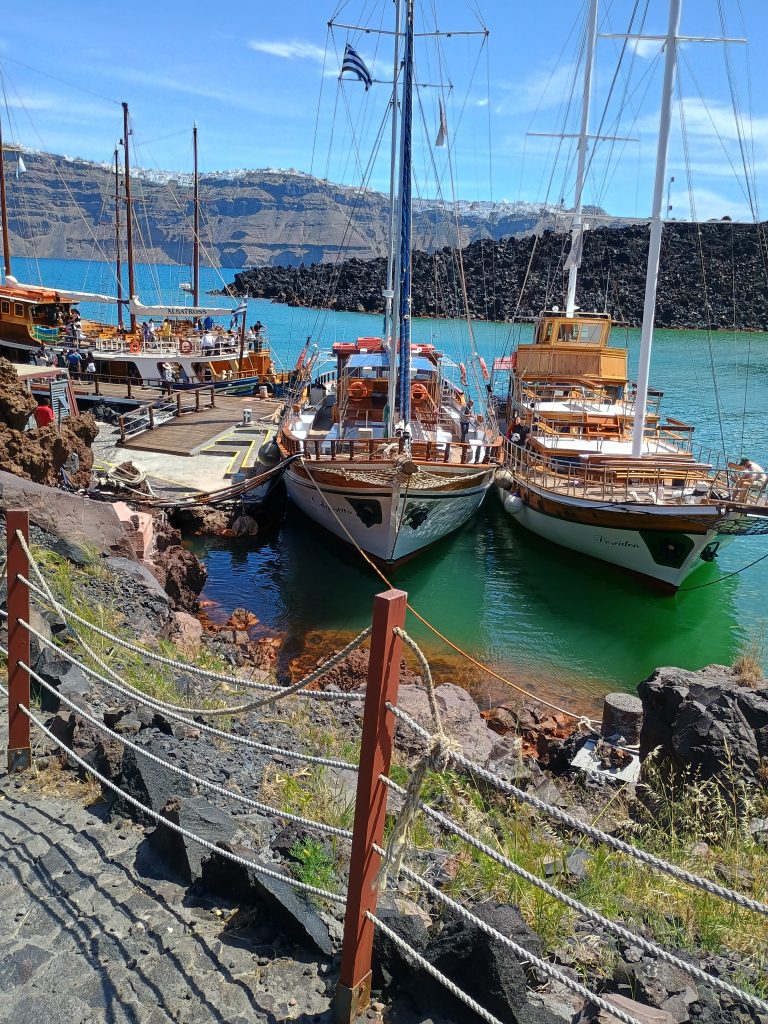
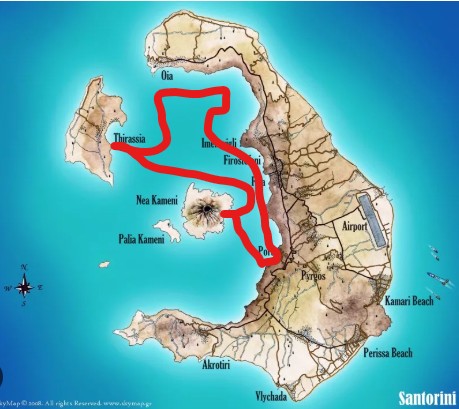
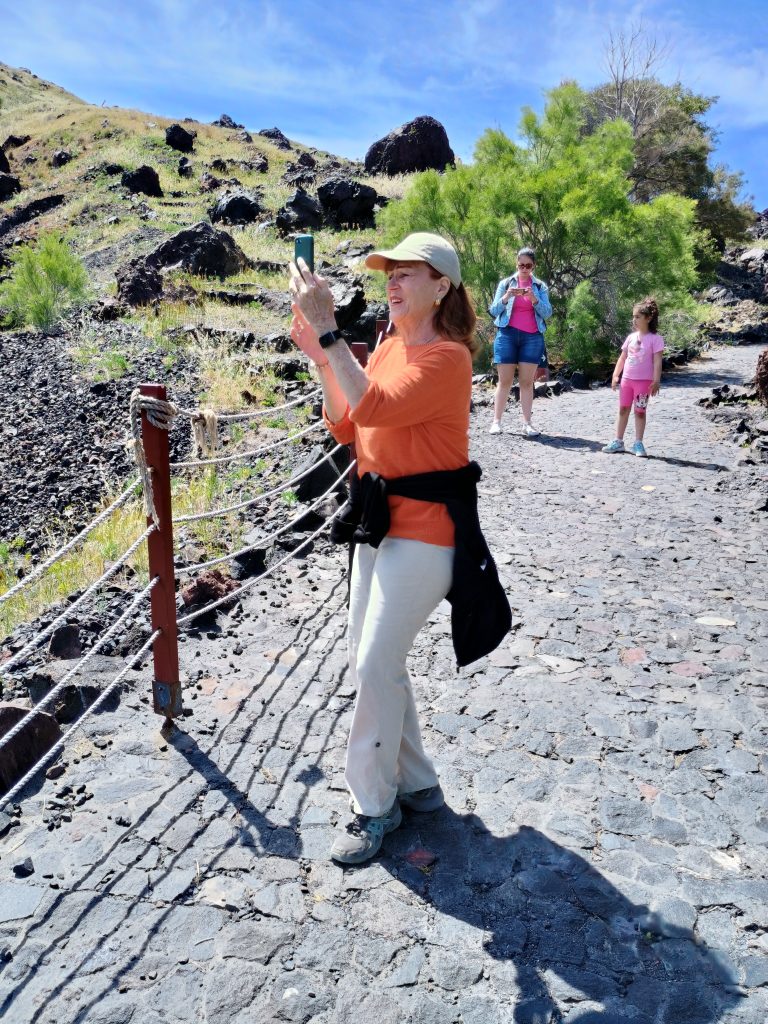
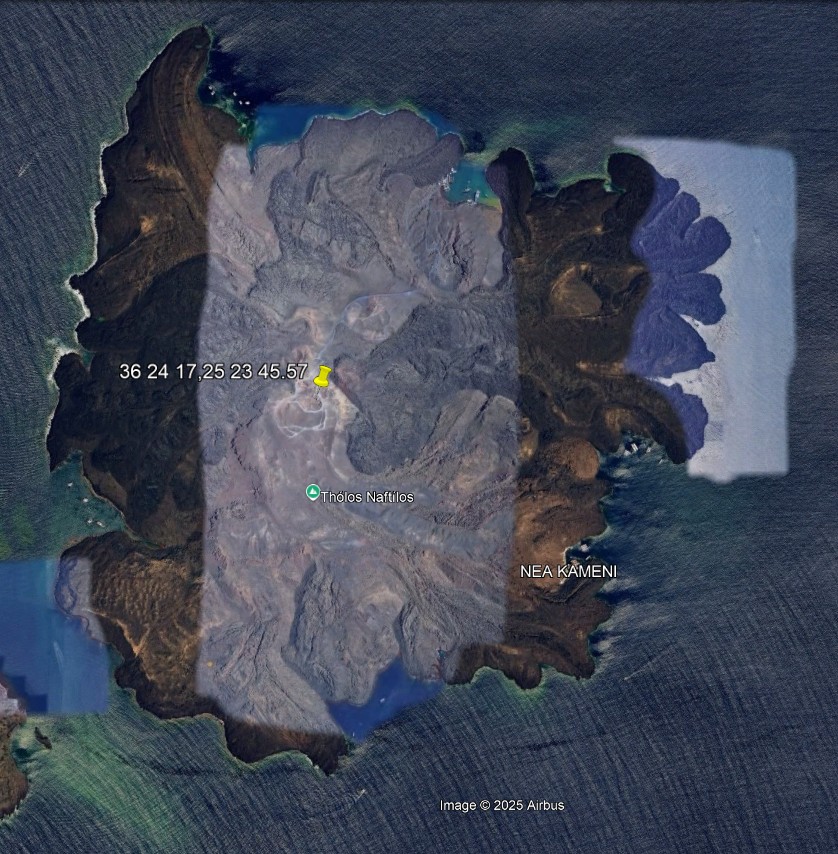
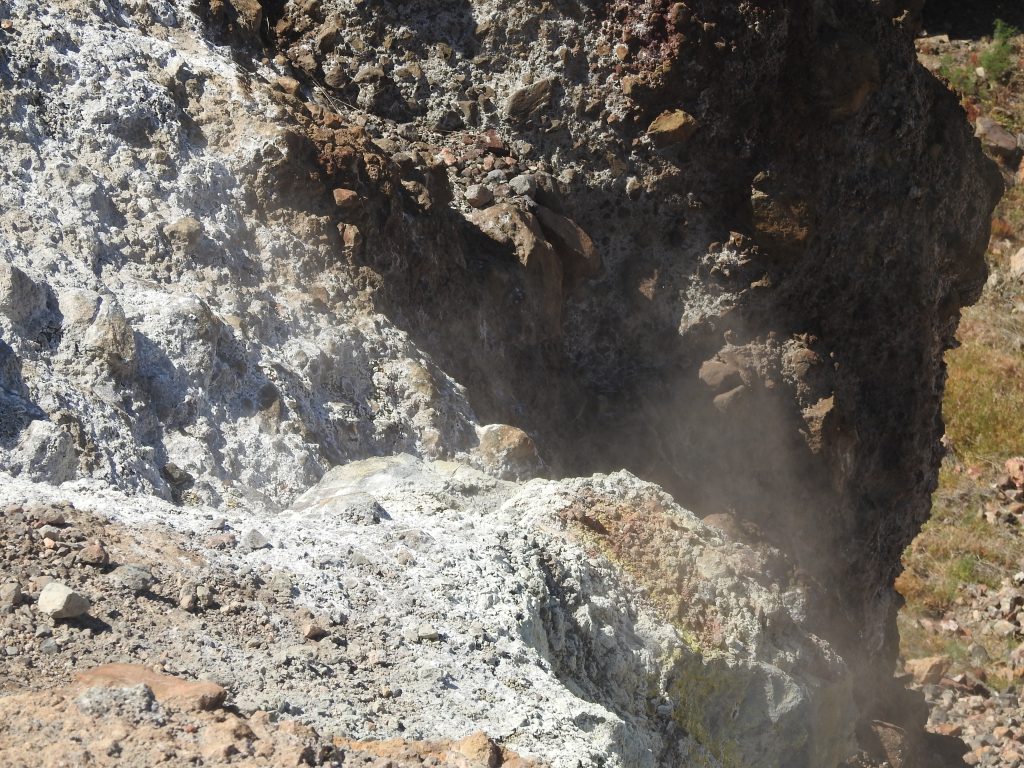
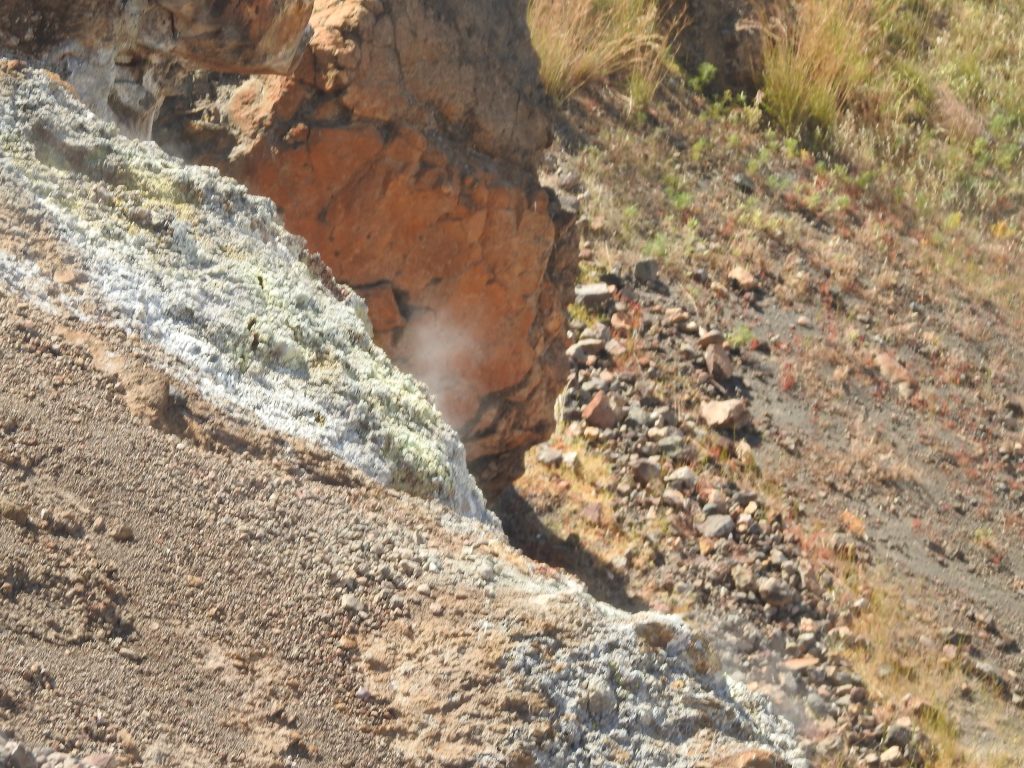
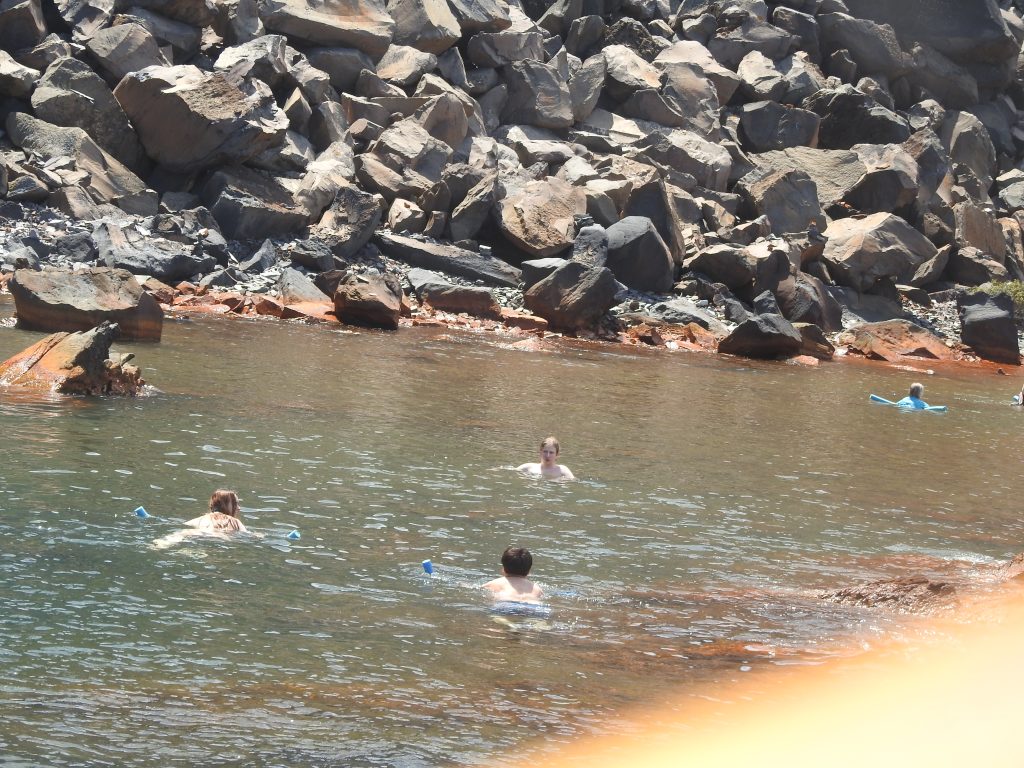
The three of us set out early in the morning, the Aegean breeze crisp as our boat glided across the caldera toward Nea Kameni. From a distance, the volcanic island looked rugged and mysterious, its dark, rough slopes rising starkly from the sea. As we arrived and stepped onto the shore, the terrain shifted beneath our feet—from soft volcanic ash to sharp, uneven rock. The path up the volcano wound steeply through a surreal landscape of black lava fields and sulfur-stained stones, the scent of minerals drifting in the warm air. Despite the climb being tough at times, Amy and Eileen encouraged me with every step, our laughter echoing in the stillness.
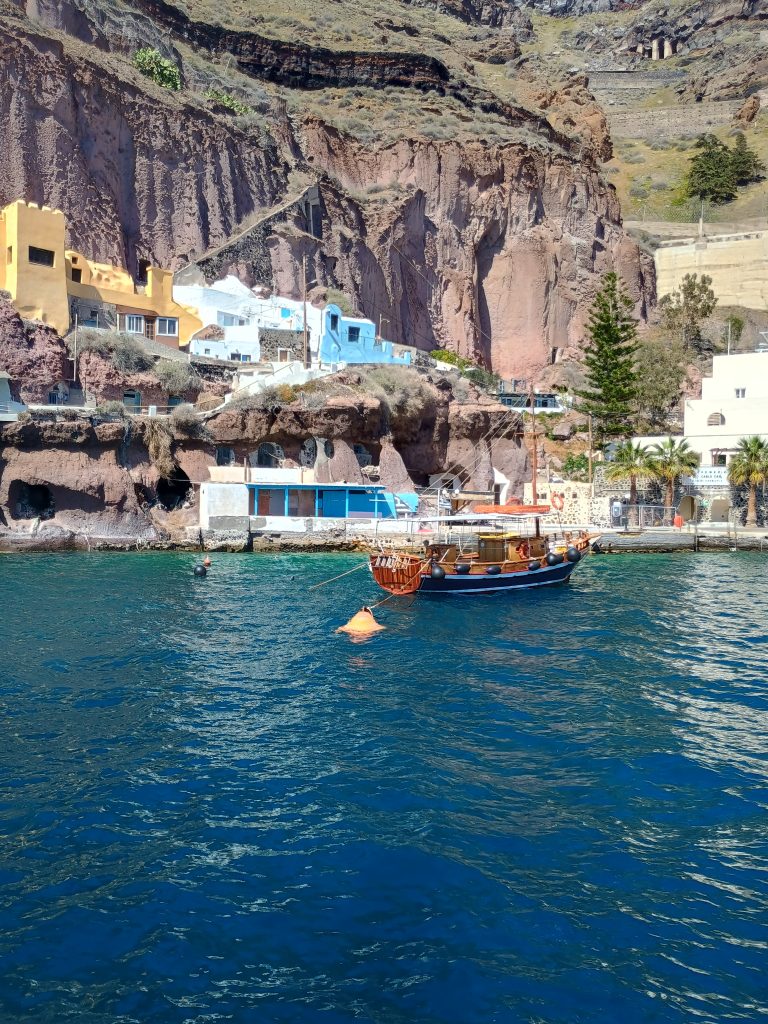
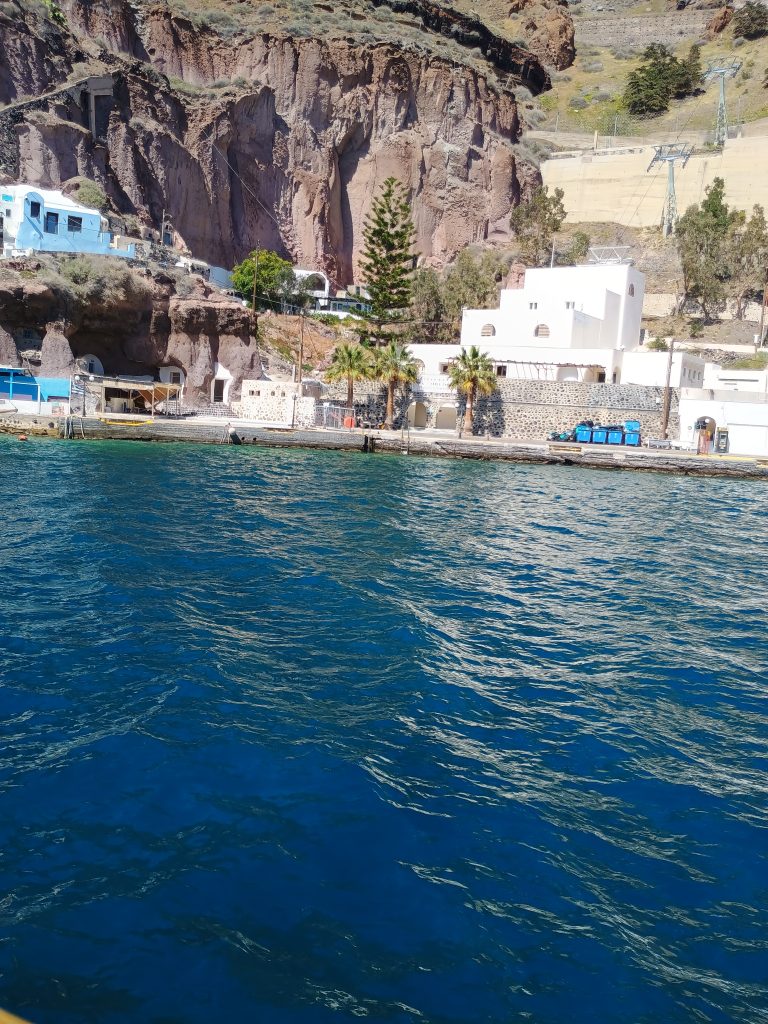
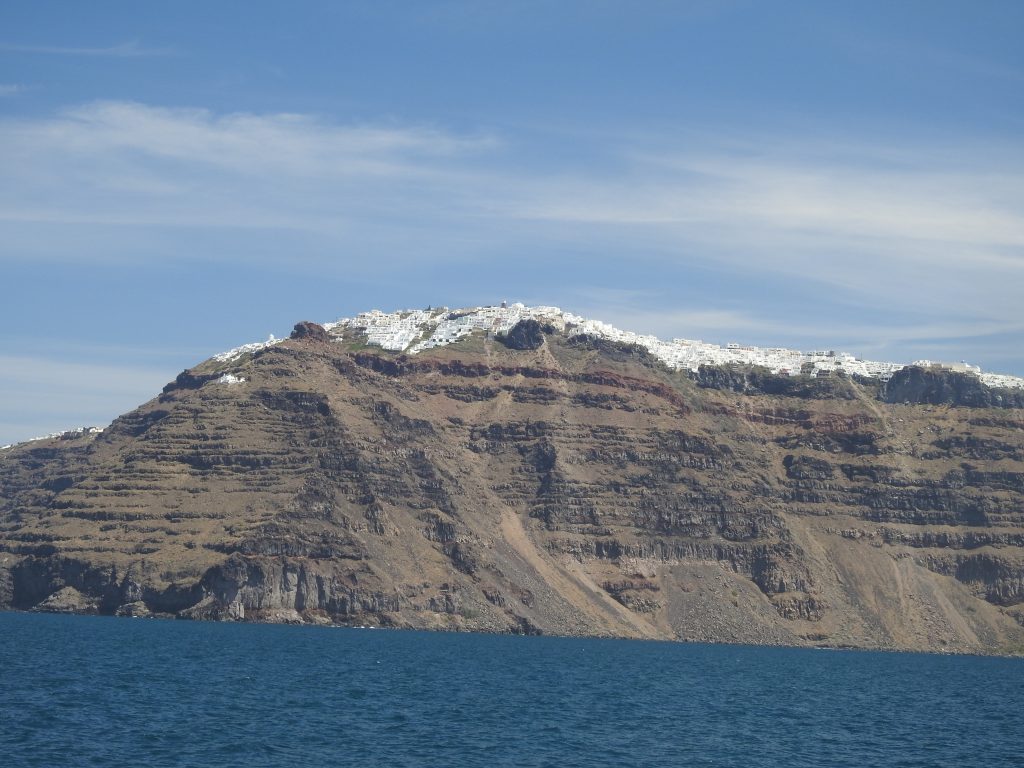
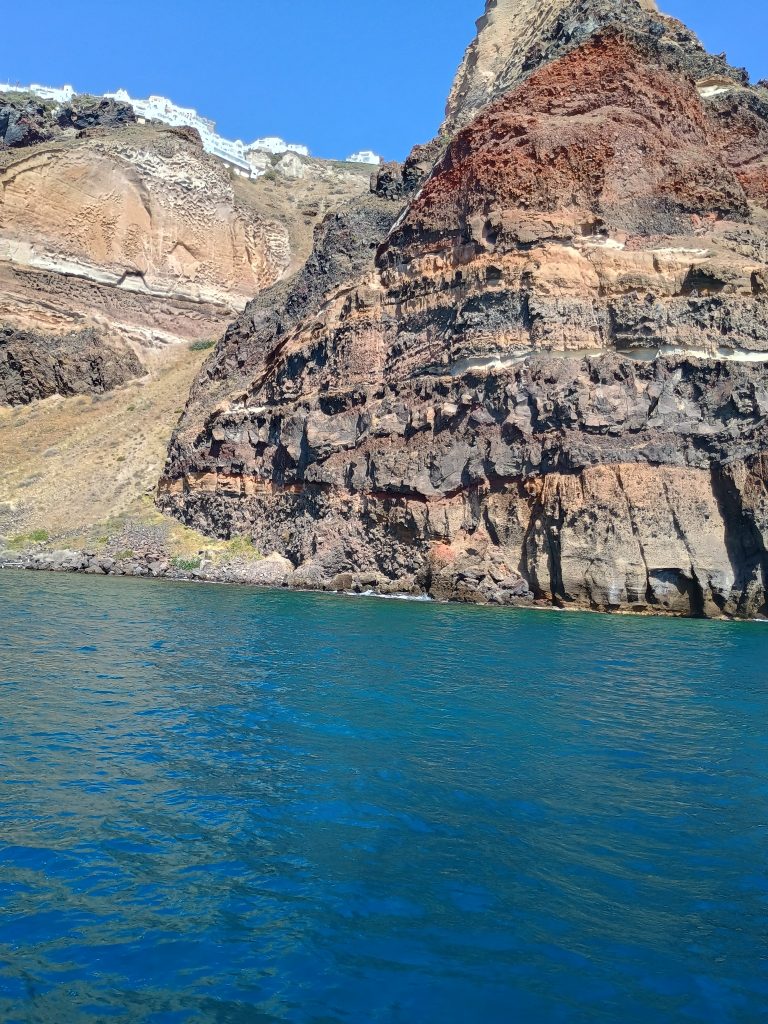
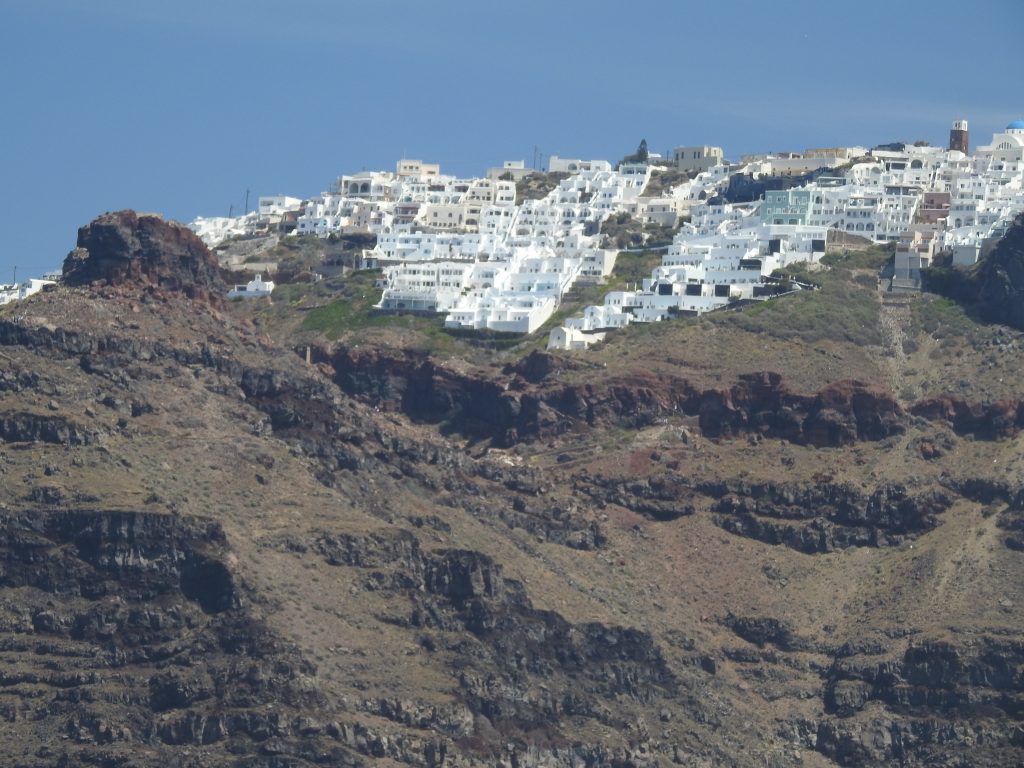
Reaching the summit was like standing on the edge of another world. The lava stretched out before us, silent and powerful, a reminder of the forces beneath our feet. We paused to take in the sweeping views of Santorini’s whitewashed cliffs across the water, the caldera below us gleaming under the sun. The heat from the earth was still tangible, rising in waves from the rocky ground. It was more than just a hike—it felt like a shared adventure into the heart of something ancient and alive. Together, we stood there, amazed at how far we’d climbed, feeling connected not only to the raw beauty around us but also to each other.








 Herrick Home Page